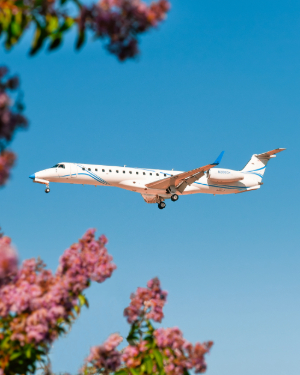
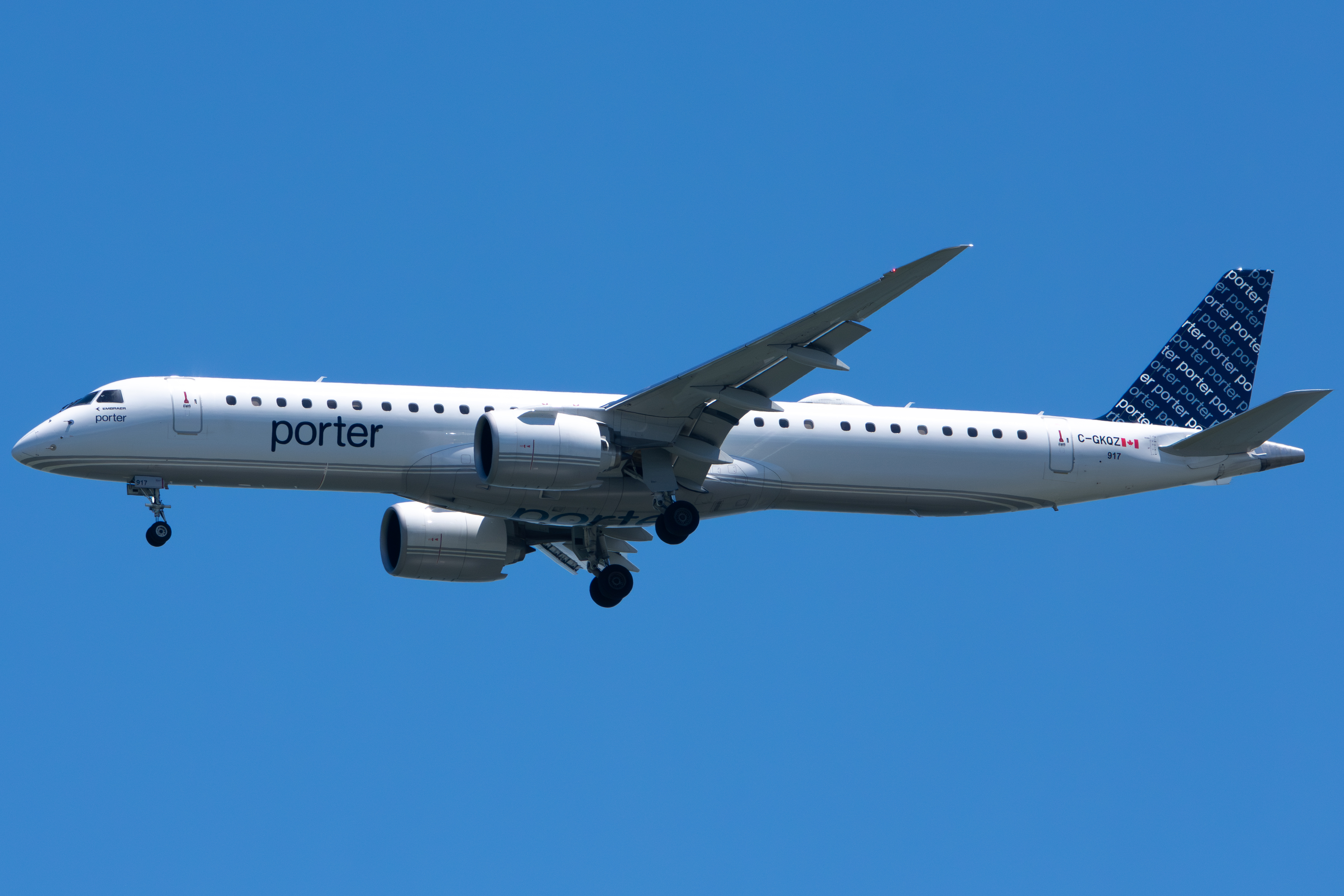

Embraer, the world’s third-largest aircraft manufacturer, has signaled a new era of market expansion following the United States’ decisive move to reinstate zero-tariff status for Brazilian aerospace imports. The policy shift, finalized today, marks a significant diplomatic and economic victory for the Brazilian airframer, which counts the U.S. regional airline sector as its most critical export market.
Executives at the company’s headquarters expressed high confidence that the removal of trade barriers will accelerate the adoption of the E-Jet E2 family among North American carriers. The E2, designed to bridge the gap between regional and mainline operations, has faced stiff competition and various trade-related headwinds over the past 24 months.

Photo: AeroXplorer/ Rafi G
A Strategic Win for the E2 Family
The return to a zero-tariff regime comes at a pivotal moment for Embraer’s commercial aviation division. While the E175 continues to be the "workhorse" for U.S. regional giants like SkyWest and Envoy Air, the larger E190-E2 and E195-E2 models are now positioned to become even more cost-competitive against rivals like the Airbus A220.
In an official statement released on March 2, 2026, and reported by Reuters, Embraer leadership highlighted the importance of this trade normalization. According to the report:
"Brazil's Embraer cheers US return to zero tariff, predicts growth."
The company further emphasized that the removal of these financial hurdles allows for a more streamlined supply chain and more attractive financing options for U.S.-based customers. Industry analysts suggest that this development could be the catalyst for a fresh wave of orders from major U.S. legacy carriers looking to modernize their aging narrowbody "feeder" fleets.

Analysis: How Spirit Airlines Changed Airline Pricing, then Paid the Price
Impact on the Global Aerospace Supply Chain
Beyond the immediate sale of aircraft, the zero-tariff status affects a vast network of components and maintenance services. Embraer maintains a significant footprint in the United States, including its Executive Jets assembly line in Melbourne, Florida, and various service centres.
The lifting of tariffs is expected to:
Lower Operational Costs: U.S. airlines operating Embraer fleets will see reduced costs for imported spare parts and specialized components.
Boost E2 Orders: Carriers that were previously hesitant due to fluctuating trade costs are now expected to finalize "letters of intent" into firm orders.
Enhance Bilateral Relations: The move is seen as a broader stabilization of trade between the two largest economies in the Western Hemisphere.
Current Regional Market Overview
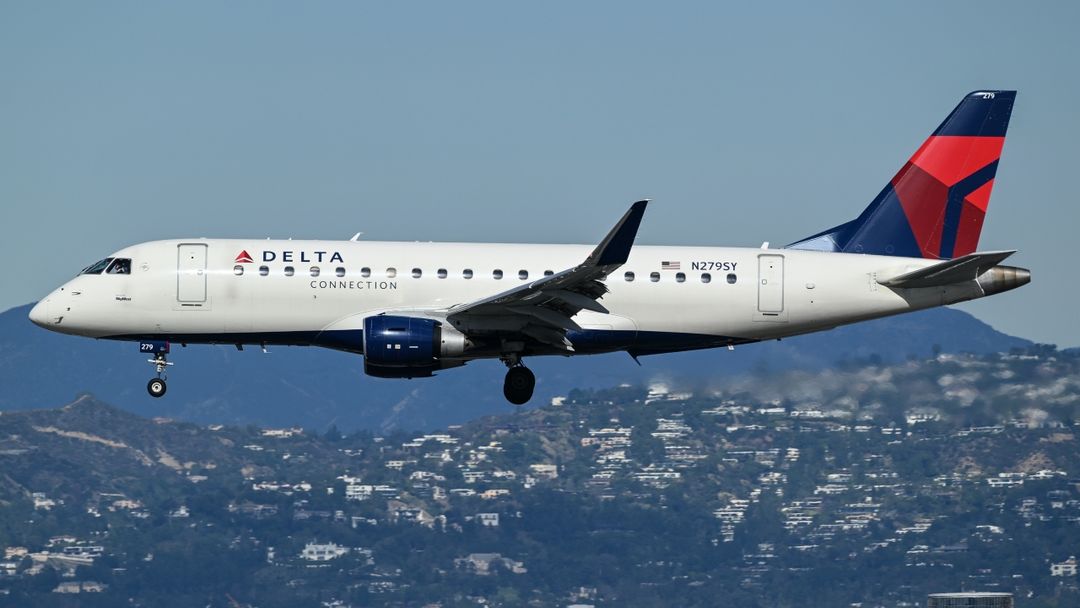
While today's news focuses on trade policy, the operational impact will be felt across thousands of daily flights. Below is a snapshot of the current primary U.S. operations utilizing Embraer airframes as of March 2026.
| Airline | Aircraft Type | Primary Hubs | Operational Status |
|---|---|---|---|
| SkyWest (United/Delta/Alaska) | E175 | ORD, DEN, SLC, SEA | Growth Forecasted |
| Envoy Air (American Eagle) | E170/E175 | DFW, ORD, MIA | Fleet Expansion Ongoing |
| Republic Airways (Multi-Partner) | E170/E175 | PHL, CLT, DCA | High Utilization |
| Horizon Air (Alaska Airlines) | E175 | PDX, SEA | Fully Integrated |
Forecasting the "E2 Summer"
Market observers are now looking toward the upcoming Paris Air Show and other major industry gatherings to see if this trade victory translates into the "growth" Embraer predicts. The company’s backlog, which stood at record levels entering 2026, is expected to swell as U.S. airlines seek to capitalize on the E2’s superior fuel efficiency, up to 25% better than previous generation aircraft, without the burden of import levies.
"This is the clarity the market needed," says aerospace consultant Dr. Arnaldo Silva. "For years, the 'tariff threat' sat on the desks of airline CFOs. With that threat removed, Embraer is no longer fighting with one hand tied behind its back in the North American market."
As Embraer ramps up production at its Faria Lima facility to meet anticipated demand, the ripple effects will likely be felt from the flight decks of regional jets in the American Midwest to the engineering bays in São José dos Campos.
United 777 Diverts to Dublin After Cockpit Windscreen Cracks Over the Atlantic » JetBlue Opens Sales for BlueFirst, Its First Domestic First Class Cabin » Southwest Overhauls Rapid Rewards and How it Affects You »

Comments (0)
Add Your Comment
TAGS
NEWS Embraer E2 Jets Aerospace E175 E195 SkyWest Envoy Air Republic Airways Horizon Air Brazil USARECENTLY PUBLISHED
 Federal Grand Jury Indicts Passenger Duct-Taped to Seat on American Airlines Flight
A passenger restrained with duct tape after a violent outburst on an American Airlines flight to Newark faces federal charges and up to 20 years in prison.
NEWS
READ MORE »
Federal Grand Jury Indicts Passenger Duct-Taped to Seat on American Airlines Flight
A passenger restrained with duct tape after a violent outburst on an American Airlines flight to Newark faces federal charges and up to 20 years in prison.
NEWS
READ MORE »
 JetBlue Opens Sales for BlueFirst, Its First Domestic First Class Cabin
JetBlue begins selling seats in its new BlueFirst domestic first class cabin, with service starting in 2026 on select transcontinental routes.
NEWS
READ MORE »
JetBlue Opens Sales for BlueFirst, Its First Domestic First Class Cabin
JetBlue begins selling seats in its new BlueFirst domestic first class cabin, with service starting in 2026 on select transcontinental routes.
NEWS
READ MORE »
 Southwest Overhauls Rapid Rewards and How it Affects You
Southwest Airlines is expanding its Rapid Rewards program with new redemption options, tier benefits, and status perks. Here's what it means for you.
NEWS
READ MORE »
Southwest Overhauls Rapid Rewards and How it Affects You
Southwest Airlines is expanding its Rapid Rewards program with new redemption options, tier benefits, and status perks. Here's what it means for you.
NEWS
READ MORE »
More than just headlines.
Get unlimited ad-free access to in-depth aviation news, premium stories, and exclusive insights other sites don't cover.
- Ad-free browsing on AeroXplorer
- Unlimited access to premium and exclusive articles
- Higher photo upload limits & commissions on sales
- Free access to Jetstream Magazine on higher tiers
- Ad-free browsing
- Sell aviation photos with 60% commission
- First week free!
- Everything in Basic+
- Unlimited premium articles
- Sell aviation photos with 70% commission
- Free Digital subscription to Jetstream Magazine
- First week free!
- Everything in Basic+ and Pro
- Sell aviaiton photos with 80% commission
- Early access to exclusive stories
- Free Digital+Print subscription to Jetstream Magazine