
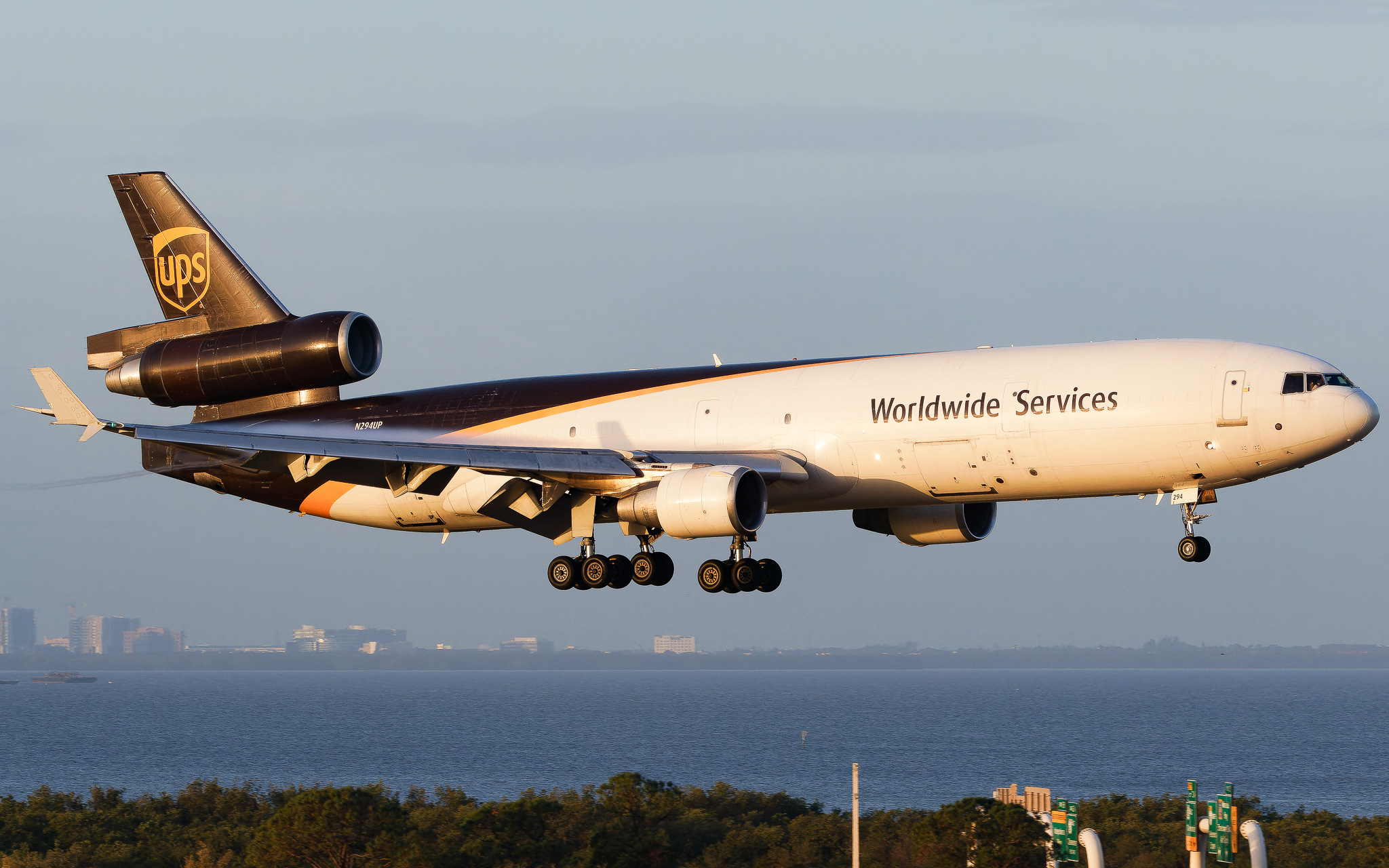
The National Transportation Safety Board has confirmed that cockpit voice recordings circulating online from the 2025 UPS Flight 2976 crash were reconstructed using artificial intelligence – not fabricated from scratch, but reverse-engineered from a spectrogram image the NTSB itself inadvertently published. The agency issued a public warning urging the media and the public to disregard the audio clips, which falsely claim to capture the final exchanges between the flight crew.
The NTSB stated that the recordings did not come from the agency and do not reflect any official material gathered during the ongoing investigation. Federal law restricts the release of cockpit voice recorder content, and investigators typically publish only written transcripts after extensive review.
What the NTSB Said
In its statement, the NTSB warned that the fabricated audio represents a growing problem for federal investigators who rely on the integrity of evidence to determine probable cause. In response, the NTSB temporarily took down its entire public docket system while it reviewed investigative materials and evaluated additional safeguards.
The agency has not yet identified who created or distributed the synthetic recordings. Officials confirmed that the clips spread quickly across social media platforms in the days following the crash, drawing millions of views before fact-checkers and aviation analysts flagged inconsistencies.
The Crash Under Investigation
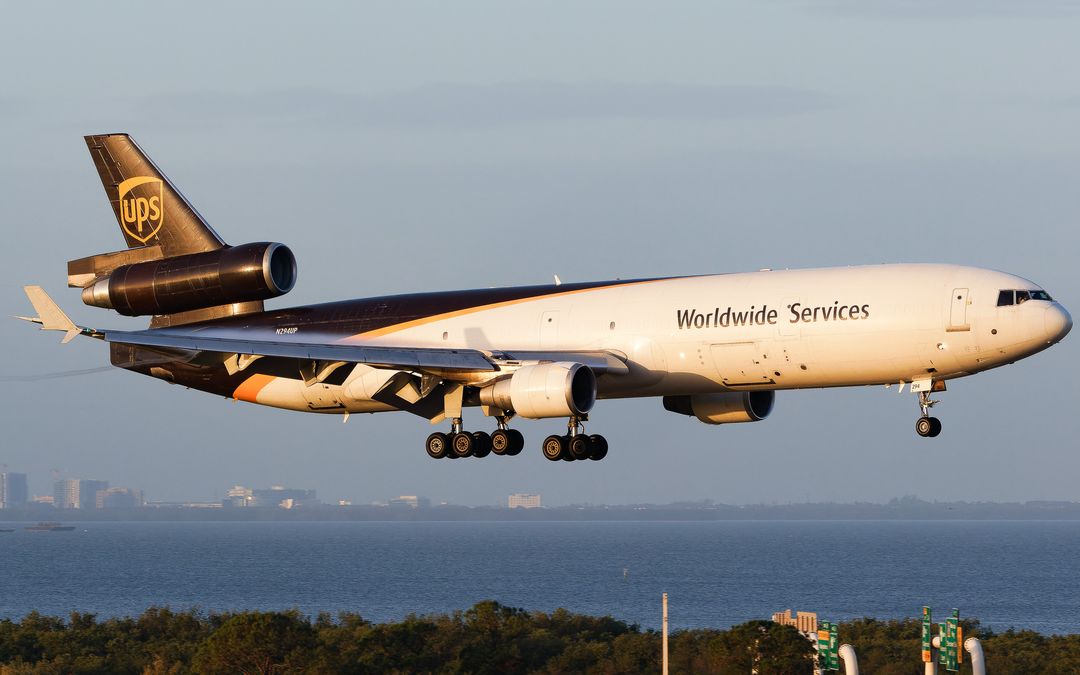
The reconstructed audio relates to the crash of UPS Flight 2976, a McDonnell Douglas MD-11F cargo plane that went down on November 4, 2025, shortly after takeoff from Louisville Muhammad Ali International Airport, killing all three crew members on board and 11 people on the ground, with a twelfth ground fatality occurring later on December 25 when one of the injured succumbed to their injuries. The NTSB has deployed a team to gather flight data, examine the wreckage, and interview personnel connected to the operation. A preliminary report is expected within the standard 30-day window the agency uses for major accident investigations.
Until that report is released, the NTSB has asked the public to treat unofficial audio, video, and documents with skepticism. The agency noted that fabricated content can distort public understanding of an accident and place undue pressure on grieving families and colleagues of the crew.
A New Challenge for Accident Investigators
AI tools can now reconstruct audio from spectrogram images – visual representations of sound frequencies, meaning that any image-based audio analysis published in an investigation docket could potentially be reverse-engineered into audible recordings. In aviation, where pilot voices often appear in training videos, interviews, and public recordings, the raw material needed to fabricate a realistic cockpit exchange is widely available.
Aviation safety experts have warned that synthetic recordings carry risks beyond reputational harm. False audio can influence litigation, shape early media narratives, and complicate the work of investigators who must counter misinformation while conducting technical analysis. The NTSB has previously dealt with manipulated photos and rumors during high-profile accidents, but fabricated cockpit audio represents a new frontier.
The agency reiterated that genuine cockpit voice recorder material is treated as protected investigative evidence. Under federal regulations, the NTSB does not release the actual audio of cockpit recordings to the public. Instead, it produces transcripts that omit sensitive personal exchanges unrelated to the cause of the accident.

How to Identify Official Information
The NTSB advised the public to rely only on materials posted through its official channels, including its website and verified social media accounts. The agency also encouraged journalists to verify any audio attributed to an aviation accident before publishing or broadcasting it.
Industry groups have echoed the call for caution. Pilot unions and cargo carrier associations have asked platforms to take down the fabricated recordings, citing the harm caused to the families of the crew members involved. UPS has not publicly commented on the specific audio clips but has expressed support for the NTSB investigation.

The Hidden Cost: Why Airlines Are Rethinking Fleet Simplification
What Comes Next
The NTSB investigation continues, with a final report expected to take 12 to 24 months to complete. In the meantime, the agency plans to coordinate with federal partners on how to address the rise of AI-generated content tied to accident investigations.
For now, officials are asking the public to wait for verified findings. The accident remains under active review, and any conclusions about the cause of the crash will come only through the formal investigative process.
United Airlines Cancels Planned Denver 9/11 Flyover Featuring Boeing 777 and F-16 Escorts » Trump Demands Bombardier Manufacture in U.S. to Access American Market » Emirates Wins Approval for Direct Berlin Flights After 22-Year Push »

Comments (0)
Add Your Comment
TAGS
NEWS UPS UPS MD-11F UPS Flight 2976 Safety NTSB MD-11 AccidentsRECENTLY PUBLISHED
 This Week in Aviation: The 10 Stories That Mattered Most
From major airline developments to aircraft updates and industry shifts, this weekly recap highlights the ten most-read aviation stories from the week of September 06.
INFORMATIONAL
READ MORE »
This Week in Aviation: The 10 Stories That Mattered Most
From major airline developments to aircraft updates and industry shifts, this weekly recap highlights the ten most-read aviation stories from the week of September 06.
INFORMATIONAL
READ MORE »
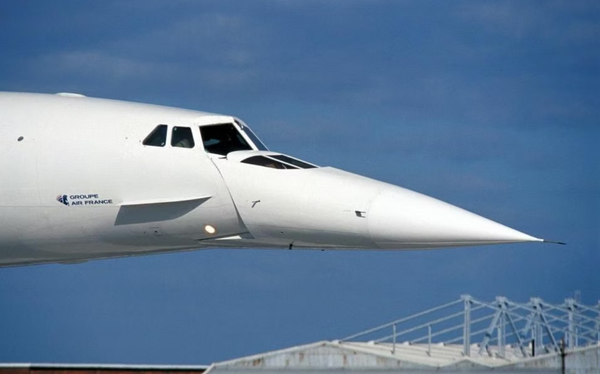 Concorde's Droop-Nose Mechanism: Why It Existed and How It Worked
Concorde's iconic droop-nose mechanism explained.
INFORMATIONAL
READ MORE »
Concorde's Droop-Nose Mechanism: Why It Existed and How It Worked
Concorde's iconic droop-nose mechanism explained.
INFORMATIONAL
READ MORE »
 This Startup Wants to Put a Doctor on Every Aircraft
Skali connects flight crews with emergency physicians in 90 seconds, helping manage medical emergencies and prevent costly aircraft diversions.
STORIES
READ MORE »
This Startup Wants to Put a Doctor on Every Aircraft
Skali connects flight crews with emergency physicians in 90 seconds, helping manage medical emergencies and prevent costly aircraft diversions.
STORIES
READ MORE »
More than just headlines.
Get unlimited ad-free access to in-depth aviation news, premium stories, and exclusive insights other sites don't cover.
- Ad-free browsing on AeroXplorer
- Unlimited access to premium and exclusive articles
- Higher photo upload limits & commissions on sales
- Free access to Jetstream Magazine on higher tiers
- Ad-free browsing
- Sell aviation photos with 60% commission
- First week free!
- Everything in Basic+
- Unlimited premium articles
- Sell aviation photos with 70% commission
- Free Digital subscription to Jetstream Magazine
- First week free!
- Everything in Basic+ and Pro
- Sell aviaiton photos with 80% commission
- Early access to exclusive stories
- Free Digital+Print subscription to Jetstream Magazine