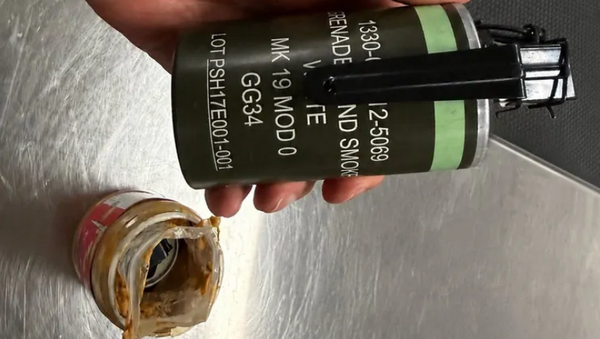
Transportation Security Administration officers at Indianapolis International Airport intercepted a startling discovery in a passenger's checked luggage: a smoke grenade concealed inside a jar of peanut butter.
Phát hiện này đã kích hoạt phản ứng an ninh tại một trong những đầu mối giao thông bận rộn nhất khu vực Trung Tây và khiến công chúng chú ý trở lại đến những gì hành khách cố mang qua các điểm kiểm tra an ninh sân bay.
What TSA Officers Found
The Indianapolis Airport Police Department responded to the checkpoint, removed the items, and questioned the passenger. Authorities have not publicly released the traveler's name or detailed any charges connected to the incident.
The find triggered a security response at one of the Midwest's busiest travel hubs and renewed attention on what travelers attempt to bring through airport screening checkpoints.
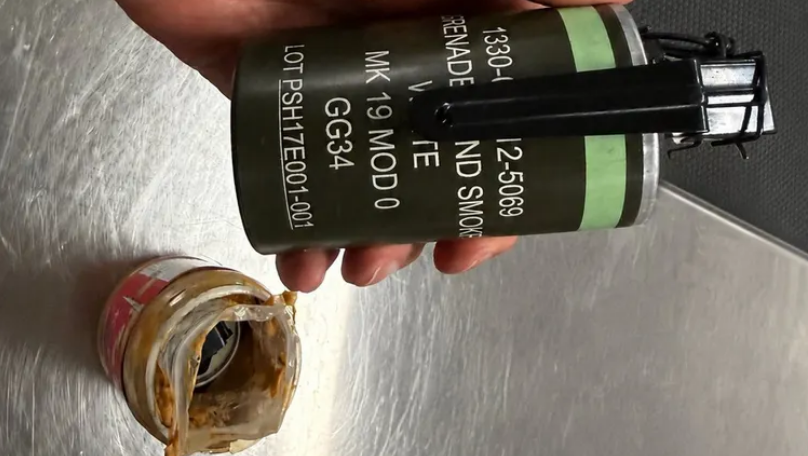
According to the TSA, officers screening checked baggage identified suspicious items during a routine X-ray review. When they opened the bag for a closer look, they found two live smoke grenades, one of which was buried inside peanut butter jars. The grenades had been pushed into the spread in what appeared to be a deliberate attempt to disguise them from scanners.
The Indianapolis Airport Police Department responded to the checkpoint, removed the items, and questioned the passenger. Authorities have not publicly released the traveler's name or detailed any charges connected to the incident.
Why Smoke Grenades Are Banned
Smoke grenades fall under the TSA's prohibited items list for both carry-on and checked luggage. The agency classifies them as hazardous materials because they contain pyrotechnic compounds capable of igniting, producing heat, and releasing dense smoke. Federal regulations bar passengers from transporting such devices on commercial aircraft regardless of how they are packaged.
Smoke grenades fall under the TSA's prohibited items list for both carry-on and checked luggage. The agency classifies them as hazardous materials because they contain pyrotechnic compounds capable of igniting, producing heat, and releasing dense smoke. Federal regulations bar passengers from transporting such devices on commercial aircraft regardless of how they are packaged.
Attempting to conceal prohibited items inside food containers, electronics, or other everyday objects can result in civil penalties, criminal referrals, and bans from expedited screening programs such as TSA PreCheck.
A Pattern of Unusual Discoveries
The Indianapolis case adds to a growing list of strange items TSA officers have intercepted at checkpoints across the country. Officers regularly report finding firearms, knives, replica explosives, and live ammunition in carry-on bags.
TSA officials have repeatedly reminded travelers that ignorance of the rules does not exempt passengers from penalties. Civil fines for prohibited items can climb into the thousands of dollars, and travelers caught with weapons or explosive devices may face additional charges from local and federal law enforcement.
{{REC}}
How Screening Caught the Grenades
Modern X-ray systems used by TSA can identify density variations inside luggage, which allows officers to spot objects that do not match the expected shape or composition of everyday items. Dense metal cylinders inside a jar of peanut butter would stand out clearly on a scanner image, prompting a secondary inspection.
The agency credits its layered approach to screening, which combines technology, trained officers, and behavioral observation, for catching items that passengers try to hide.
What Travelers Should Know
If you plan to travel through Indianapolis International Airport or any other U.S. airport, review the TSA's prohibited items list before packing. The agency maintains a searchable database on its website and offers a mobile app that lets you check whether specific items are allowed in carry-on or checked bags.
Items that may seem harmless, such as certain camping stoves, fireworks, and replica weapons, are also prohibited. When in doubt, the safer choice is to leave the item at home or ship it separately through an approved carrier.
Passengers who arrive at the checkpoint with prohibited items risk missing their flights, paying steep fines, and facing arrest depending on the nature of the violation. The TSA encourages travelers to declare any questionable items to an officer before screening begins.
Authorities have not announced whether the passenger involved in the Indianapolis incident faces criminal charges.
Hệ Thống Điều Khiển Chuyến Bay Cảm Ứng Của Boeing Cho 737 Nhận Chỉ Trích Gay Gắt Từ Phi Công » Bộ Ngoại giao Hoa Kỳ Cảnh Báo Mối Đe Dọa Đối Với Các Hãng Hàng Không Và Sân Bay Ở Ả Rập Xê Út Sau Các Vụ Tấn Công Chết Người Của Houthi » Hãng hàng không Caribbean mở rộng mạng lưới với các đường bay mới tới Toronto và Caracas »

Comments (0)
Add Your Comment
SHARE
TAGS
TIN TứC TSA Lựu Đạn Khói Bơ Đậu PhộngRECENTLY PUBLISHED
 Tuần Này Trong Hàng Không: 10 Câu Chuyện Quan Trọng Nhất
Từ những diễn biến lớn của các hãng hàng không đến cập nhật về máy bay và các thay đổi trong ngành, bản tóm tắt hàng tuần này nêu bật mười câu chuyện hàng không được đọc nhiều nhất trong tuần của ngày 04 tháng 10.
Thông tin
READ MORE »
Tuần Này Trong Hàng Không: 10 Câu Chuyện Quan Trọng Nhất
Từ những diễn biến lớn của các hãng hàng không đến cập nhật về máy bay và các thay đổi trong ngành, bản tóm tắt hàng tuần này nêu bật mười câu chuyện hàng không được đọc nhiều nhất trong tuần của ngày 04 tháng 10.
Thông tin
READ MORE »
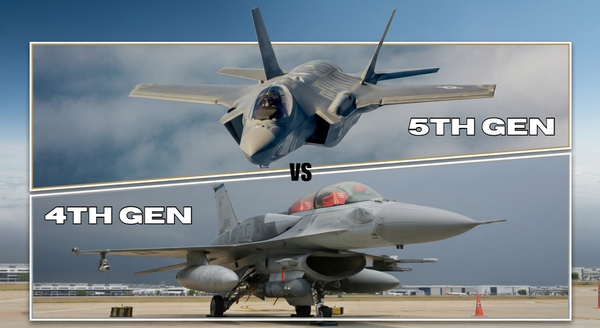 Máy bay chiến đấu thế hệ 4 và thế hệ 5: Máy bay chiến đấu đã tiến hóa như thế nào
Một cái nhìn về những yếu tố phân biệt máy bay chiến đấu thế hệ thứ tư và thế hệ thứ năm, từ khả năng tàng hình và hợp nhất cảm biến đến năng lực chiến đấu và chi phí.
Thông tin
READ MORE »
Máy bay chiến đấu thế hệ 4 và thế hệ 5: Máy bay chiến đấu đã tiến hóa như thế nào
Một cái nhìn về những yếu tố phân biệt máy bay chiến đấu thế hệ thứ tư và thế hệ thứ năm, từ khả năng tàng hình và hợp nhất cảm biến đến năng lực chiến đấu và chi phí.
Thông tin
READ MORE »
 United 777 chuyển hướng đến Dublin sau khi kính chắn gió buồng lái nứt trên Atlantic
Một chiếc Boeing 777 của United Airlines đi đến Milan đã hạ độ cao mạnh và chuyển hướng đến Dublin sau khi kính chắn gió buồng lái nứt giữa chuyến bay.
Tin tức
READ MORE »
United 777 chuyển hướng đến Dublin sau khi kính chắn gió buồng lái nứt trên Atlantic
Một chiếc Boeing 777 của United Airlines đi đến Milan đã hạ độ cao mạnh và chuyển hướng đến Dublin sau khi kính chắn gió buồng lái nứt giữa chuyến bay.
Tin tức
READ MORE »