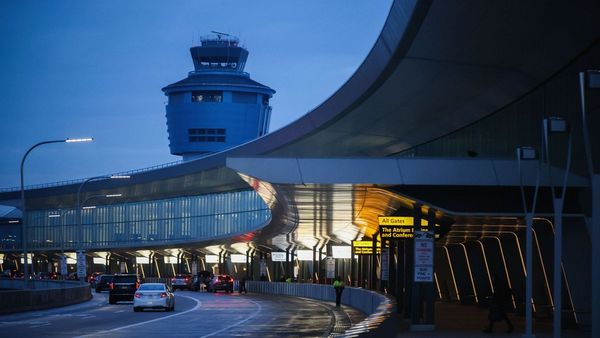
La Administración Federal de Aviación (FAA) ha iniciado el proceso para despedir a varios controladores de tránsito aéreo del aeropuerto LaGuardia de Nueva York que abandonaron sus turnos antes de tiempo la noche de un accidente mortal.
La decisión de la agencia constituye una de las acciones disciplinarias más significativas aplicadas contra controladores en la memoria reciente y plantea nuevas dudas sobre las prácticas de dotación de personal y la supervisión en uno de los aeropuertos más concurridos del país.
Qué sucedió
La FAA ha iniciado el proceso de despido de controladores que dejaron sus puestos antes de que finalizara su turno la noche del accidente fatal.
La agencia determinó que las salidas anticipadas violaron las normas federales de conducta laboral para el personal encargado de guiar aeronaves a través de uno de los espacios aéreos más congestionados de Estados Unidos.
LaGuardia maneja un flujo constante de llegadas y salidas durante el día y la noche, y los controladores están obligados a permanecer en sus puestos hasta ser relevados correctamente.
Abandonar un puesto antes de que termine un turno, sobre todo sin procedimientos formales de entrega, se considera una violación grave del protocolo.
La FAA no ha identificado públicamente a los controladores por su nombre, citando las normas de privacidad del personal y la naturaleza aún en curso de la revisión disciplinaria.
{{AD}}
El accidente
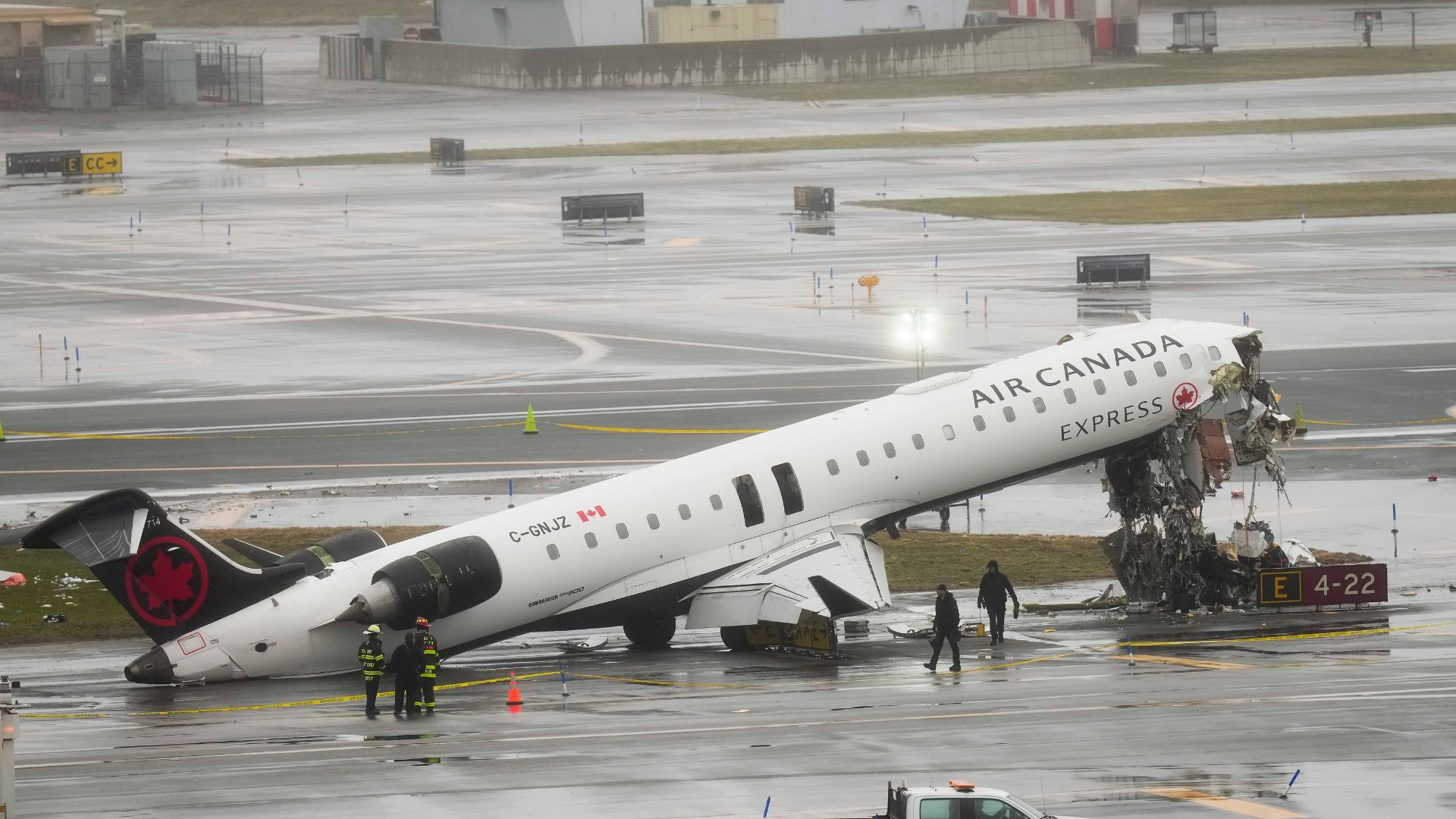
El accidente mortal que motivó la revisión interna ocurrió en las cercanías del aeropuerto LaGuardia.
Investigadores federales, incluida la Junta Nacional de Seguridad del Transporte (NTSB), han estado examinando la secuencia de eventos que condujo al siniestro, así como las comunicaciones entre la torre y la aeronave involucrada.
Mientras que la acción de la FAA contra los controladores se centra en el tema de la conducta en el lugar de trabajo, la investigación más amplia sobre la causa del accidente sigue activa.
Normalmente, los investigadores analizan múltiples factores en estos casos, incluyendo las decisiones de la tripulación, las condiciones meteorológicas, el rendimiento mecánico y las comunicaciones del control de tráfico aéreo.
Las autoridades no han vinculado directamente las salidas anticipadas de los controladores con la causa del accidente.
El proceso disciplinario se está tramitando como un asunto separado relacionado con las normas laborales y no como un hallazgo formal de causalidad.
Un patrón de preocupaciones
La FAA ha estado bajo un escrutinio sostenido en los últimos años por la dotación de controladores de tráfico aéreo, la fatiga y la cultura laboral.
La agencia ha tenido dificultades para contratar y retener suficientes controladores para cubrir completamente las instalaciones en todo el país, una escasez que ha provocado horas extra obligatorias, turnos prolongados y preocupaciones por el agotamiento del personal.
Varias revisiones federales han destacado vacíos de personal en instalaciones de alto volumen en la región de Nueva York, que maneja uno de los espacios aéreos más complejos del mundo.
LaGuardia, junto con John F. Kennedy International Airport y Newark Liberty International Airport, se encuentran dentro de ese corredor de alto tráfico.
Representantes sindicales de los controladores han argumentado en el pasado que la escasez de personal contribuye al estrés laboral y obliga a tomar decisiones difíciles sobre la cobertura de posiciones.
La National Air Traffic Controllers Association, que representa a los controladores de la FAA, no ha respondido públicamente todavía a los despidos.
El sindicato suele defender a los miembros que enfrentan medidas disciplinarias y puede impugnar los despidos mediante los procedimientos de queja establecidos.
{{REC}}
Proceso disciplinario
Los empleados federales que enfrentan un despido tienen derecho a responder a la acción disciplinaria propuesta antes de que se tome una decisión final.
Los controladores pueden presentar pruebas, impugnar las conclusiones de la FAA y apelar cualquier despido final ante la Merit Systems Protection Board, la agencia independiente que revisa las acciones de personal federal.
Ese proceso puede tardar meses o más en resolverse.
En algunos casos, las medidas disciplinarias se reducen a suspensiones u otras sanciones distintas al despido tras la revisión; en otros, los despidos se mantienen.
Con sus acciones, la FAA ha señalado que considera que la conducta en LaGuardia merece la sanción laboral más severa disponible.
La medida envía un mensaje a la fuerza laboral de controladores en general sobre las expectativas en torno a la cobertura de turnos y las responsabilidades del puesto.
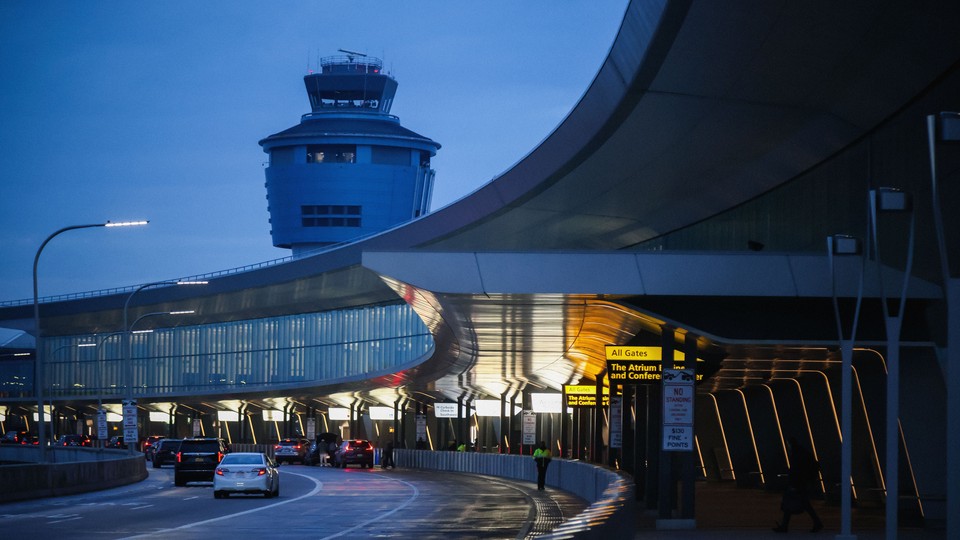
Foto: Bloomberg / Getty/ Michael Nagle
Implicaciones más amplias
El impulso por despedir a los controladores llega en un momento en que la FAA está bajo presión de legisladores y del público viajero para demostrar que puede mantener los estándares de seguridad mientras gestiona una fuerza laboral tensionada.
En los últimos años, el Congreso ha celebrado múltiples audiencias sobre la seguridad de la aviación, examinando incidentes que van desde incursiones en pistas hasta situaciones de riesgo entre aeronaves.
El secretario de Transporte y la dirección de la FAA han declarado repetidamente que la seguridad sigue siendo la principal prioridad de la agencia.
Despedir controladores en un aeropuerto importante probablemente atraerá la atención de los comités de supervisión y podría provocar un examen más profundo de las operaciones de torre en LaGuardia y en instalaciones similares.
Expertos en seguridad de la aviación señalan que la cobertura constante de los puestos de controlador es fundamental para el diseño del sistema.
Incluso durante periodos de bajo tráfico, se supone que las posiciones deben permanecer cubiertas para atender cualquier aeronave en el espacio aéreo y responder ante emergencias.
{{AD}}
Qué sigue
Los controladores objeto de los despidos tendrán la oportunidad de responder formalmente a la acción propuesta.
Se espera que la investigación de la NTSB sobre el accidente mortal continúe durante meses, con un informe preliminar que suele publicarse en semanas tras un accidente y un informe final que a menudo demora un año o más.
La FAA no ha indicado si planea realizar una revisión más amplia de las operaciones de la torre en LaGuardia o si hará cambios en los procedimientos de dotación de personal en la instalación.
La agencia ha afirmado en comunicaciones previas que toma en serio los asuntos de conducta en el lugar de trabajo y que revisa cada caso de forma individual.
Para las familias afectadas por el accidente, la acción disciplinaria ofrece una forma de rendición de cuentas mientras la cuestión más amplia de qué causó el siniestro sigue bajo investigación.
La imagen completa de lo ocurrido aquella noche y las medidas que deben seguir surgirán a medida que los investigadores federales completen su trabajo.
Caribbean Airlines Amplía Su Red Con Nuevas Rutas a Toronto y Caracas » American Airlines Reemplaza Los Autobuses Landline Por Vuelos CRJ-700 En La Ruta De 84 Millas Entre South Bend Y Chicago » British Airways Presenta la Cabina de Clase Ejecutiva Más Grande del Mundo con 106 Asientos a Bordo de la Flota A380 Renovada »

Comments (4)
 Pete Z.
Well, this definitely is a surprise and at the same time a result of FAA failures in managing the ATC system. Had this happened at a smaller airport with light to slightly moderate traffic this would be no action, but since it is LGA and an accident occurred then the FAA decided to take action. But this goes back to the staffing and workload situation with ATC in the entire EWR-LGA-JFK area. Controllers get burned out and need sufficient time to decompress from all the stress they find themselves on a daily basis and especially when adverse weather is a factor. Termination is drastic, believe me when I say those that violate the rules or procedures should face the highest consequences, in this case some type of lesser punishment should be applied - especially with the staffing deficit the ATC system is under at this moment.
Now, we don't know how early they left their shifts and how heavy the air traffic workload was, but I do know that their were only 2 Controllers on duty in the tower when the accident happened and I can guarantee that the NTSB will find that as a contributing factor in this tragedy.
The FAA also needs to change their age requirements, I believe the limit now is 32 or 34, this should be moved up to maybe 36 or 38 and only for those that have shown a high level of potential in making a great Controller.
Pete Z.
Well, this definitely is a surprise and at the same time a result of FAA failures in managing the ATC system. Had this happened at a smaller airport with light to slightly moderate traffic this would be no action, but since it is LGA and an accident occurred then the FAA decided to take action. But this goes back to the staffing and workload situation with ATC in the entire EWR-LGA-JFK area. Controllers get burned out and need sufficient time to decompress from all the stress they find themselves on a daily basis and especially when adverse weather is a factor. Termination is drastic, believe me when I say those that violate the rules or procedures should face the highest consequences, in this case some type of lesser punishment should be applied - especially with the staffing deficit the ATC system is under at this moment.
Now, we don't know how early they left their shifts and how heavy the air traffic workload was, but I do know that their were only 2 Controllers on duty in the tower when the accident happened and I can guarantee that the NTSB will find that as a contributing factor in this tragedy.
The FAA also needs to change their age requirements, I believe the limit now is 32 or 34, this should be moved up to maybe 36 or 38 and only for those that have shown a high level of potential in making a great Controller.
Pete Z.
Well, this definitely is a surprise and at the same time a result of FAA failures in managing the ATC system. Had this happened at a smaller airport with light to slightly moderate traffic this would be no action, but since it is LGA and an accident occurred then the FAA decided to take action. But this goes back to the staffing and workload situation with ATC in the entire EWR-LGA-JFK area. Controllers get burned out and need sufficient time to decompress from all the stress they find themselves on a daily basis and especially when adverse weather is a factor. Termination is drastic, believe me when I say those that violate the rules or procedures should face the highest consequences, in this case some type of lesser punishment should be applied - especially with the staffing deficit the ATC system is under at this moment.
Now, we don't know how early they left their shifts and how heavy the air traffic workload was, but I do know that their were only 2 Controllers on duty in the tower when the accident happened and I can guarantee that the NTSB will find that as a contributing factor in this tragedy.
The FAA also needs to change their age requirements, I believe the limit now is 32 or 34, this should be moved up to maybe 36 or 38 and only for those that have shown a high level of potential in making a great Controller.
Pete Z.
Well, this definitely is a surprise and at the same time a result of FAA failures in managing the ATC system. Had this happened at a smaller airport with light to slightly moderate traffic this would be no action, but since it is LGA and an accident occurred then the FAA decided to take action. But this goes back to the staffing and workload situation with ATC in the entire EWR-LGA-JFK area. Controllers get burned out and need sufficient time to decompress from all the stress they find themselves on a daily basis and especially when adverse weather is a factor. Termination is drastic, believe me when I say those that violate the rules or procedures should face the highest consequences, in this case some type of lesser punishment should be applied - especially with the staffing deficit the ATC system is under at this moment.
Now, we don't know how early they left their shifts and how heavy the air traffic workload was, but I do know that their were only 2 Controllers on duty in the tower when the accident happened and I can guarantee that the NTSB will find that as a contributing factor in this tragedy.
The FAA also needs to change their age requirements, I believe the limit now is 32 or 34, this should be moved up to maybe 36 or 38 and only for those that have shown a high level of potential in making a great Controller.
Pete Z.
Well, this definitely is a surprise and at the same time a result of FAA failures in managing the ATC system. Had this happened at a smaller airport with light to slightly moderate traffic this would be no action, but since it is LGA and an accident occurred then the FAA decided to take action. But this goes back to the staffing and workload situation with ATC in the entire EWR-LGA-JFK area. Controllers get burned out and need sufficient time to decompress from all the stress they find themselves on a daily basis and especially when adverse weather is a factor. Termination is drastic, believe me when I say those that violate the rules or procedures should face the highest consequences, in this case some type of lesser punishment should be applied - especially with the staffing deficit the ATC system is under at this moment.
Now, we don't know how early they left their shifts and how heavy the air traffic workload was, but I do know that their were only 2 Controllers on duty in the tower when the accident happened and I can guarantee that the NTSB will find that as a contributing factor in this tragedy.
The FAA also needs to change their age requirements, I believe the limit now is 32 or 34, this should be moved up to maybe 36 or 38 and only for those that have shown a high level of potential in making a great Controller.
Pete Z.
Well, this definitely is a surprise and at the same time a result of FAA failures in managing the ATC system. Had this happened at a smaller airport with light to slightly moderate traffic this would be no action, but since it is LGA and an accident occurred then the FAA decided to take action. But this goes back to the staffing and workload situation with ATC in the entire EWR-LGA-JFK area. Controllers get burned out and need sufficient time to decompress from all the stress they find themselves on a daily basis and especially when adverse weather is a factor. Termination is drastic, believe me when I say those that violate the rules or procedures should face the highest consequences, in this case some type of lesser punishment should be applied - especially with the staffing deficit the ATC system is under at this moment.
Now, we don't know how early they left their shifts and how heavy the air traffic workload was, but I do know that their were only 2 Controllers on duty in the tower when the accident happened and I can guarantee that the NTSB will find that as a contributing factor in this tragedy.
The FAA also needs to change their age requirements, I believe the limit now is 32 or 34, this should be moved up to maybe 36 or 38 and only for those that have shown a high level of potential in making a great Controller.
Pete Z.
Well, this definitely is a surprise and at the same time a result of FAA failures in managing the ATC system. Had this happened at a smaller airport with light to slightly moderate traffic this would be no action, but since it is LGA and an accident occurred then the FAA decided to take action. But this goes back to the staffing and workload situation with ATC in the entire EWR-LGA-JFK area. Controllers get burned out and need sufficient time to decompress from all the stress they find themselves on a daily basis and especially when adverse weather is a factor. Termination is drastic, believe me when I say those that violate the rules or procedures should face the highest consequences, in this case some type of lesser punishment should be applied - especially with the staffing deficit the ATC system is under at this moment.
Now, we don't know how early they left their shifts and how heavy the air traffic workload was, but I do know that their were only 2 Controllers on duty in the tower when the accident happened and I can guarantee that the NTSB will find that as a contributing factor in this tragedy.
The FAA also needs to change their age requirements, I believe the limit now is 32 or 34, this should be moved up to maybe 36 or 38 and only for those that have shown a high level of potential in making a great Controller.
Pete Z.
Well, this definitely is a surprise and at the same time a result of FAA failures in managing the ATC system. Had this happened at a smaller airport with light to slightly moderate traffic this would be no action, but since it is LGA and an accident occurred then the FAA decided to take action. But this goes back to the staffing and workload situation with ATC in the entire EWR-LGA-JFK area. Controllers get burned out and need sufficient time to decompress from all the stress they find themselves on a daily basis and especially when adverse weather is a factor. Termination is drastic, believe me when I say those that violate the rules or procedures should face the highest consequences, in this case some type of lesser punishment should be applied - especially with the staffing deficit the ATC system is under at this moment.
Now, we don't know how early they left their shifts and how heavy the air traffic workload was, but I do know that their were only 2 Controllers on duty in the tower when the accident happened and I can guarantee that the NTSB will find that as a contributing factor in this tragedy.
The FAA also needs to change their age requirements, I believe the limit now is 32 or 34, this should be moved up to maybe 36 or 38 and only for those that have shown a high level of potential in making a great Controller.
Add Your Comment
SHARE
TAGS
NOTICIAS LaGuardia Airport Controladores de Tráfico Aéreo FAA Air Canada Express Investigación del NTSB Colisión en la pista NATCA Seguridad de la AviaciónRECENTLY PUBLISHED
 NetJets Amplía Su Presencia en EE. UU. Con Tres Nuevas Terminales Privadas y Una Instalación Más Grande en Palm Beach
NetJets anuncia terminales de uso exclusivo en Dallas, Washington y Palm Beach, ampliando la infraestructura de aviación privada en los principales mercados de EE. UU.
Noticias
READ MORE »
NetJets Amplía Su Presencia en EE. UU. Con Tres Nuevas Terminales Privadas y Una Instalación Más Grande en Palm Beach
NetJets anuncia terminales de uso exclusivo en Dallas, Washington y Palm Beach, ampliando la infraestructura de aviación privada en los principales mercados de EE. UU.
Noticias
READ MORE »
 Informe del Ejército Señala Fallos Sistémicos en la Mortal Colisión de un Black Hawk Cerca de Reagan National
Un nuevo informe del Ejército identifica fallos sistémicos detrás de la colisión de enero entre un UH-60L Black Hawk y American Airlines Flight 5342 cerca de Washington.
Noticias
READ MORE »
Informe del Ejército Señala Fallos Sistémicos en la Mortal Colisión de un Black Hawk Cerca de Reagan National
Un nuevo informe del Ejército identifica fallos sistémicos detrás de la colisión de enero entre un UH-60L Black Hawk y American Airlines Flight 5342 cerca de Washington.
Noticias
READ MORE »
 ¿Por Qué Algunos Air India A320s Tenían Ruedas Extra? Tren De Aterrizaje Bogie Explicado
Por qué Air India operó ciertos Airbus A320 con un inusual tren de aterrizaje bogie
Informativo
READ MORE »
¿Por Qué Algunos Air India A320s Tenían Ruedas Extra? Tren De Aterrizaje Bogie Explicado
Por qué Air India operó ciertos Airbus A320 con un inusual tren de aterrizaje bogie
Informativo
READ MORE »