

Will the plane crash? Does using a mobile device interfere with radio waves? These are some of the questions people have asked themselves as they wonder why using mobile devices on airplanes is prohibited during certain stages of their flight.
Safety and Interference Concerns
During a flight, takeoffs and landings are the most dangerous part. Although these stages account for only an average of 4% of the total flight time, 49% of fatal accidents occur during either of these stages.

Since the aviation industry must reduce as many risks as possible, most airlines ban mobile device usage during takeoffs and landings to mitigate interference with other aircraft systems.
According to the Civil Aviation Authority, "scientific research has shown that mobile phones can interfere with the normal operation of aircraft equipment and can also cause interference in pilots' headsets.
Radio waves from mobile devices such as iPhones and Kindles can impact a pilot's ability to use their navigation and radar tools. Additionally, it interferes with ground control connectivity along with collision avoidance technologies.
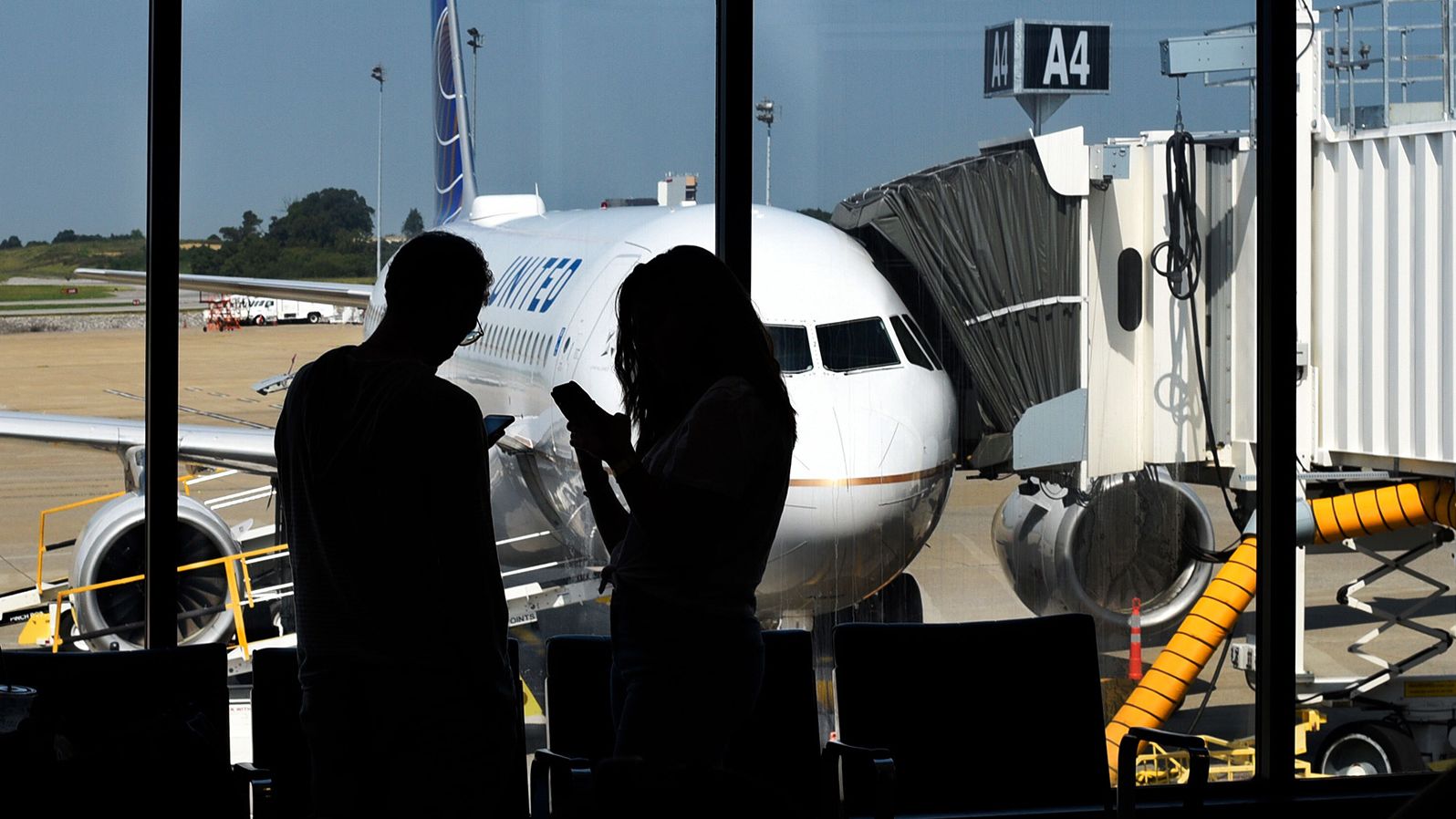
While these waves are not strong, the cumulative effect of having a large number of mobile devices not switched to airplane mode, especially during takeoff and landing, is still a significant concern today. Tamara Vallois, head of communications at Wizz Air, agrees with this concern.
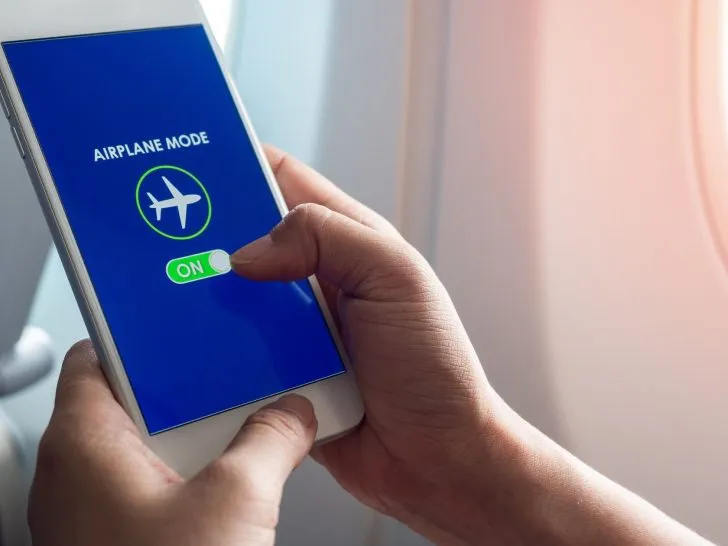
She recommends passengers switch their devices to airplane mode, as these devices will continue sending out electrical signals to search for a connection despite being far away from telephone towers. By switching to airplane mode, interference with radio waves is significantly reduced.
Getting back to safety concerns, Vallois asserts that forgetting to turn your mobile device to airplane mode will not necessarily impose any dangers. She claims that flight attendants and other staff would be able to tell if that happens due to feedback noise sent from mobile devices.
Future
Despite most passengers having no issue switching their mobile devices to airplane mode, fast technology advancement means that this rule could be less integral in minimizing aircraft operation risks.
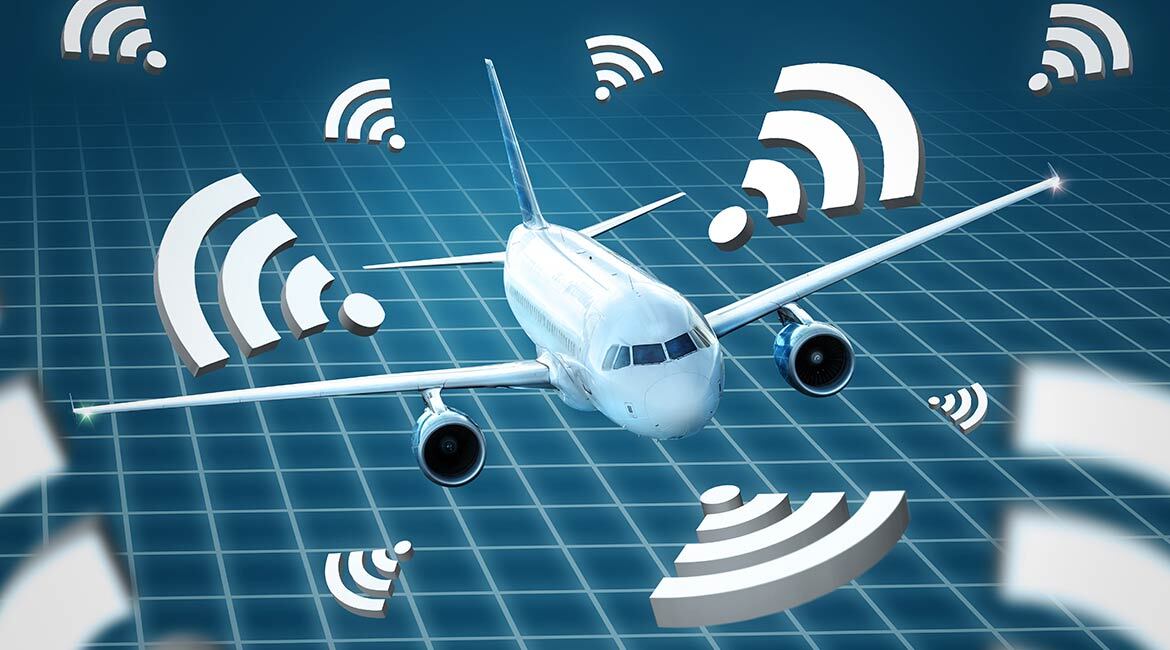
Currently, an increasing number of modern commercial jets have systems that allow us to connect to WiFi. Tests are being completed to demonstrate aircraft capability with transmitting devices, therefore allowing for the possibility of no longer needing to restrict mobile device use in flight.
Since tests are still being analyzed, it is still imperative for passengers to comply with current restrictions until regulations change. This means they should assume that on most flights, they will not be able to text or call unless informed otherwise or if there is strong WiFi onboard.
US State Department Warns of Threats to Airlines and Airports in Saudi Arabia Following Deadly Houthi Attacks » The $30 Billion Question: Why America's Air Traffic Control Overhaul Keeps Getting More Expensive » How Does a B-2 Spirit Fly Without a Tail? »

Comments (0)
Add Your Comment
TAGS
INFORMATIONAL Flight Safety Airplane WIfi Crash Flight emergency Airlines mobileRECENTLY PUBLISHED
 Southwest Airlines Considers Boeing 787 Order for Long-Haul International Expansion
Southwest Airlines is evaluating the Boeing 787 Dreamliner as it explores a shift into long-haul international flying, sources tell Reuters.
NEWS
READ MORE »
Southwest Airlines Considers Boeing 787 Order for Long-Haul International Expansion
Southwest Airlines is evaluating the Boeing 787 Dreamliner as it explores a shift into long-haul international flying, sources tell Reuters.
NEWS
READ MORE »
 Delta Passenger Arrested After Allegedly Stealing Airport Tug
A Delta Air Lines passenger faces charges after allegedly stealing a ground service tug at a California airport and driving it onto a runway.
NEWS
READ MORE »
Delta Passenger Arrested After Allegedly Stealing Airport Tug
A Delta Air Lines passenger faces charges after allegedly stealing a ground service tug at a California airport and driving it onto a runway.
NEWS
READ MORE »
 Frontier Airlines Flight Attendant Restrains Passenger Who Lunged for Cabin Door During Atlanta Jet Bridge Delay
A Frontier Airlines flight attendant physically restrained a passenger who lunged for the cabin door after a broken jet bridge trapped travelers aboard a sweltering A321.
NEWS
READ MORE »
Frontier Airlines Flight Attendant Restrains Passenger Who Lunged for Cabin Door During Atlanta Jet Bridge Delay
A Frontier Airlines flight attendant physically restrained a passenger who lunged for the cabin door after a broken jet bridge trapped travelers aboard a sweltering A321.
NEWS
READ MORE »
More than just headlines.
Get unlimited ad-free access to in-depth aviation news, premium stories, and exclusive insights other sites don't cover.
- Ad-free browsing on AeroXplorer
- Unlimited access to premium and exclusive articles
- Higher photo upload limits & commissions on sales
- Free access to Jetstream Magazine on higher tiers
- Ad-free browsing
- Sell aviation photos with 60% commission
- First week free!
- Everything in Basic+
- Unlimited premium articles
- Sell aviation photos with 70% commission
- Free Digital subscription to Jetstream Magazine
- First week free!
- Everything in Basic+ and Pro
- Sell aviaiton photos with 80% commission
- Early access to exclusive stories
- Free Digital+Print subscription to Jetstream Magazine