

The US State Department has issued a security alert warning of potential threats to airlines and airports across Saudi Arabia following a wave of Houthi air attacks that left three people dead and dozens injured. The advisory urges American citizens and carriers operating in the region to exercise heightened caution amid growing concerns over regional stability.
The alert, released by the US Embassy in Riyadh, warns of credible threats targeting civil aviation infrastructure in the kingdom. Travelers have been advised to monitor local media, maintain situational awareness, and follow guidance issued by local authorities when transiting through Saudi airports.
Deadly Attacks Prompt Immediate Response
The warning follows recent Houthi strikes that have raised alarm across the Gulf region. According to reports, the attacks killed three people and injured dozens more, prompting Saudi authorities and international partners to reassess the security posture around key aviation hubs.
The Yemen-based Houthi movement has carried out numerous cross-border attacks on Saudi Arabia over the past several years, often targeting oil facilities, military installations, and civilian infrastructure. The latest incidents mark an escalation that has drawn immediate concern from Washington.
In its security alert, the State Department advised US citizens to remain vigilant and reminded travelers that commercial aviation and airport facilities could be subject to attacks with little or no warning. The agency recommended that Americans in Saudi Arabia review their personal security plans and be prepared to shelter in place if necessary.
Impact on Commercial Aviation
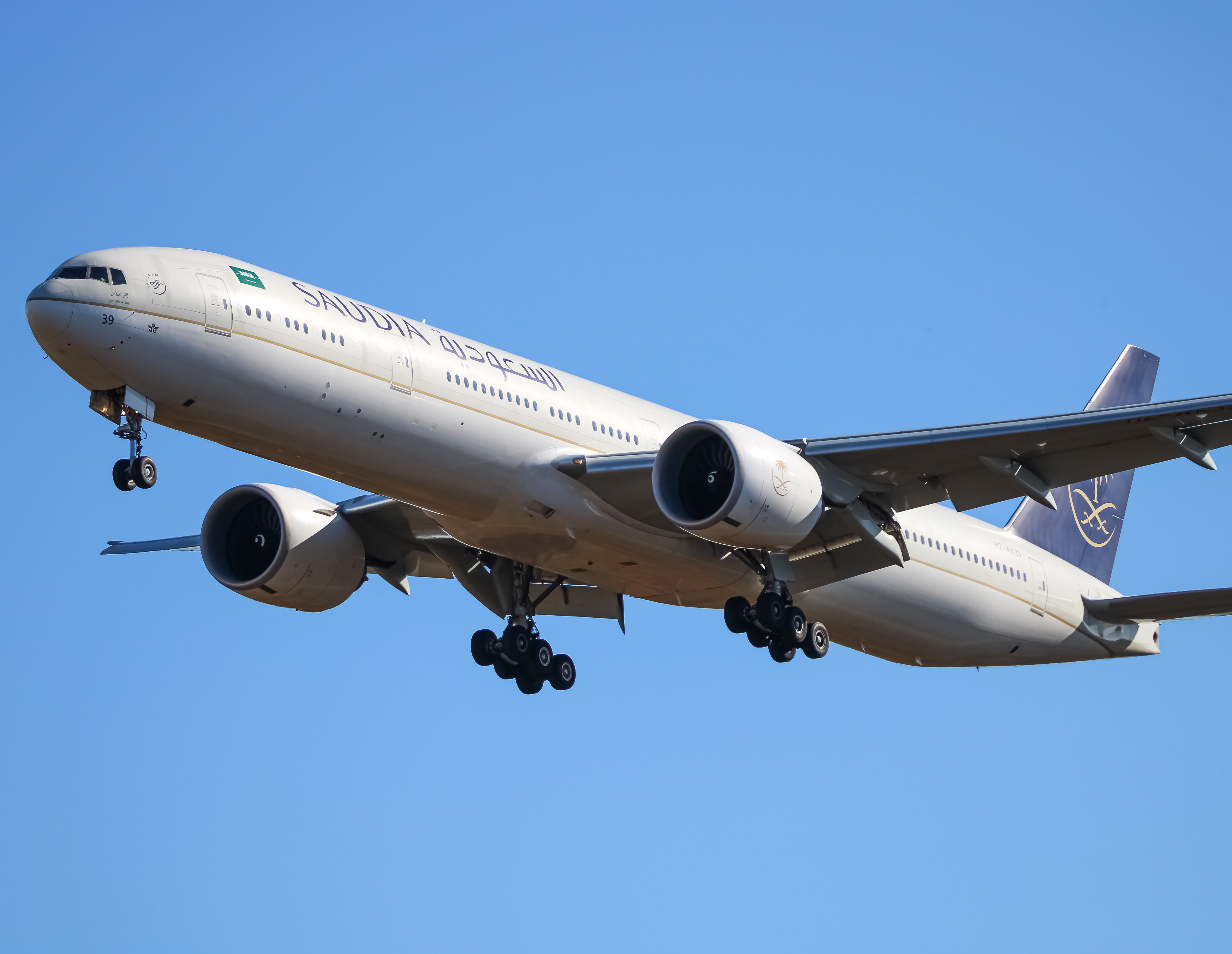
The warning carries significant implications for airlines operating routes to and from Saudi Arabia. Several major international carriers maintain regular service to Riyadh, Jeddah, and other Saudi cities, and the kingdom has invested heavily in expanding its aviation sector as part of its Vision 2030 economic diversification plan.
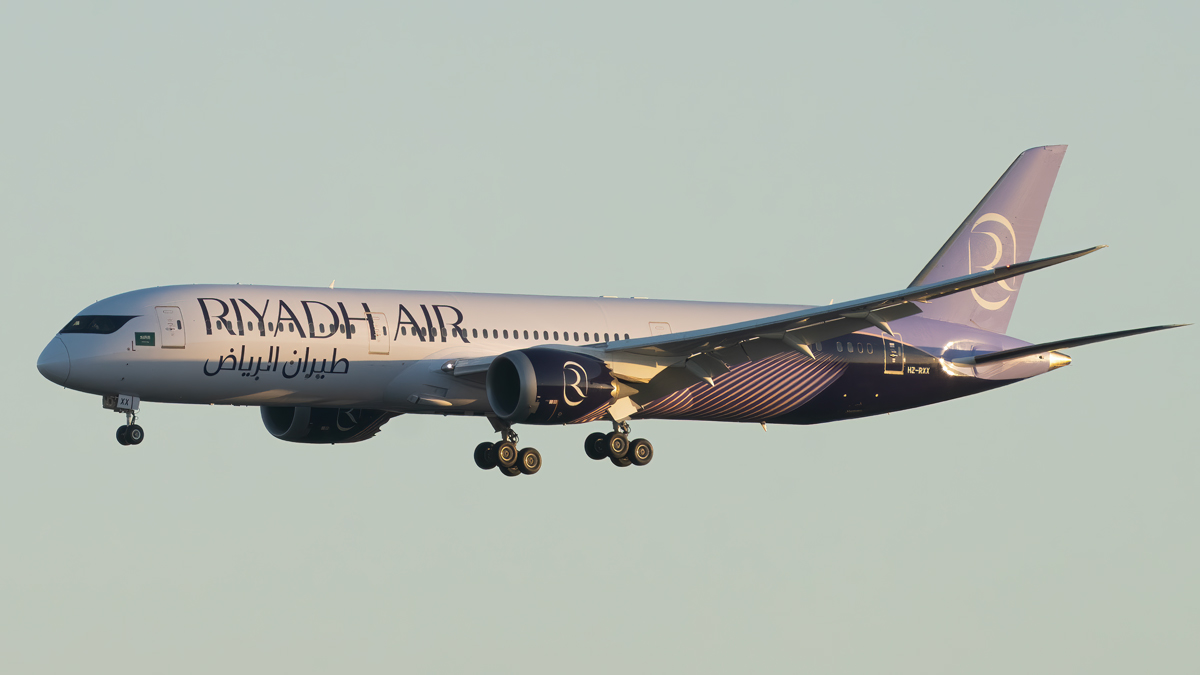
Saudi Arabia has been positioning itself as a global aviation hub, with the launch of its new national carrier Riyadh Air and ambitious expansion plans at King Salman International Airport. The current security environment presents a challenge to these ambitions, as airlines may need to review their risk assessments and operational procedures.
Airlines flying to the region typically coordinate with government authorities and intelligence agencies to assess risks before adjusting flight paths or suspending service. In previous instances of heightened tensions in the Gulf, carriers have rerouted flights to avoid airspace considered high risk.
The Shape of Disaster: The Plane That Kept Falling Apart Mid-Air
Pattern of Houthi Attacks
The Houthi movement, which controls large portions of Yemen including the capital Sanaa, has repeatedly targeted Saudi Arabia with drones and missiles. The group has also attacked commercial shipping in the Red Sea, forcing many vessels to divert around the Cape of Good Hope and disrupting global supply chains.
Previous Houthi attacks on Saudi territory have included strikes on the Abqaiq oil processing facility in 2019, which temporarily knocked out roughly half of Saudi oil production, as well as attempted attacks on airports in Abha, Jizan, and other locations in the kingdom's south.
Saudi Arabia leads a military coalition that has been fighting the Houthis in Yemen since 2015. Although a United Nations-mediated truce brought a reduction in cross-border attacks for a period, tensions have periodically flared, particularly amid broader regional conflicts.
Guidance for Travelers
Americans currently in Saudi Arabia or planning travel to the kingdom have been encouraged to enroll in the Smart Traveler Enrollment Program (STEP) to receive real-time updates from the US Embassy. The program allows the State Department to contact citizens in emergencies and provide them with the latest security information.
The State Department also recommended that travelers identify safe locations such as reinforced structures that could provide shelter in the event of an attack. Those near aviation facilities have been urged to be particularly cautious given the specific nature of the threat.
Travelers have also been reminded to keep travel documents up to date, maintain regular communication with family members, and have contingency plans in place in case of flight disruptions or airport closures.
Regional Implications
The warning comes at a time of broader instability across the Middle East, with ongoing conflicts affecting multiple countries in the region. The security situation has placed pressure on airlines, insurers, and regional governments to adapt to a rapidly changing threat landscape.
Insurance costs for airlines operating in high-risk areas have risen in recent years, and some carriers have been forced to pay significantly higher premiums or secure additional war-risk coverage to continue serving affected destinations.
For Saudi Arabia, maintaining the security of its aviation sector is central to its economic ambitions. The kingdom has committed billions of dollars to tourism and infrastructure development, with aviation playing a key role in attracting international visitors and investment.
Industry analysts note that any sustained threat to Saudi airports or airspace could have ripple effects across the Gulf, potentially affecting carriers based in neighboring countries such as the United Arab Emirates, Qatar, and Bahrain, all of which operate major international hubs.
The State Department has indicated that it will continue to monitor the situation closely and update its guidance as circumstances evolve. Americans in Saudi Arabia have been urged to check the embassy's website regularly for the most current information and to contact consular services if they require assistance.
As the situation develops, airlines, governments, and travelers alike will be watching for signs of either further escalation or a return to calm. For now, the warning stands as a reminder that the aviation sector remains deeply affected by the political and security dynamics of the regions it serves.
AirBaltic to Cut Up to 700 Jobs in Restructuring » This Week in Aviation: The 10 Stories That Mattered Most » Southwest Airlines Becomes First US Carrier to Integrate Flight Booking Into ChatGPT »

Comments (0)
Add Your Comment
TAGS
NEWS US State Department Saudi Arabia Houthi Attacks Aviation Security Threat Travel Advisory Middle East Aviation Airport Security Airline Safety Aviation News Regional ConflictRECENTLY PUBLISHED
 4th vs 5th Generation Fighter Jets: How Fighter Jets Have Evolved
A look at what separates fourth- and fifth-generation fighter jets, from stealth and sensor fusion to combat capability and cost.
INFORMATIONAL
READ MORE »
4th vs 5th Generation Fighter Jets: How Fighter Jets Have Evolved
A look at what separates fourth- and fifth-generation fighter jets, from stealth and sensor fusion to combat capability and cost.
INFORMATIONAL
READ MORE »
 United 777 Diverts to Dublin After Cockpit Windscreen Cracks Over the Atlantic
A United Airlines Boeing 777 bound for Milan made a steep descent and diverted to Dublin after its cockpit windscreen cracked mid-flight.
NEWS
READ MORE »
United 777 Diverts to Dublin After Cockpit Windscreen Cracks Over the Atlantic
A United Airlines Boeing 777 bound for Milan made a steep descent and diverted to Dublin after its cockpit windscreen cracked mid-flight.
NEWS
READ MORE »
 Boeing's Touchscreen Flight Controls for 737 Draw Sharp Criticism from Pilots
Boeing's plan to introduce Touchscreen Control Display Units on the 737 has sparked backlash from pilots who warn of safety and usability concerns.
NEWS
READ MORE »
Boeing's Touchscreen Flight Controls for 737 Draw Sharp Criticism from Pilots
Boeing's plan to introduce Touchscreen Control Display Units on the 737 has sparked backlash from pilots who warn of safety and usability concerns.
NEWS
READ MORE »
More than just headlines.
Get unlimited ad-free access to in-depth aviation news, premium stories, and exclusive insights other sites don't cover.
- Ad-free browsing on AeroXplorer
- Unlimited access to premium and exclusive articles
- Higher photo upload limits & commissions on sales
- Free access to Jetstream Magazine on higher tiers
- Ad-free browsing
- Sell aviation photos with 60% commission
- First week free!
- Everything in Basic+
- Unlimited premium articles
- Sell aviation photos with 70% commission
- Free Digital subscription to Jetstream Magazine
- First week free!
- Everything in Basic+ and Pro
- Sell aviaiton photos with 80% commission
- Early access to exclusive stories
- Free Digital+Print subscription to Jetstream Magazine