
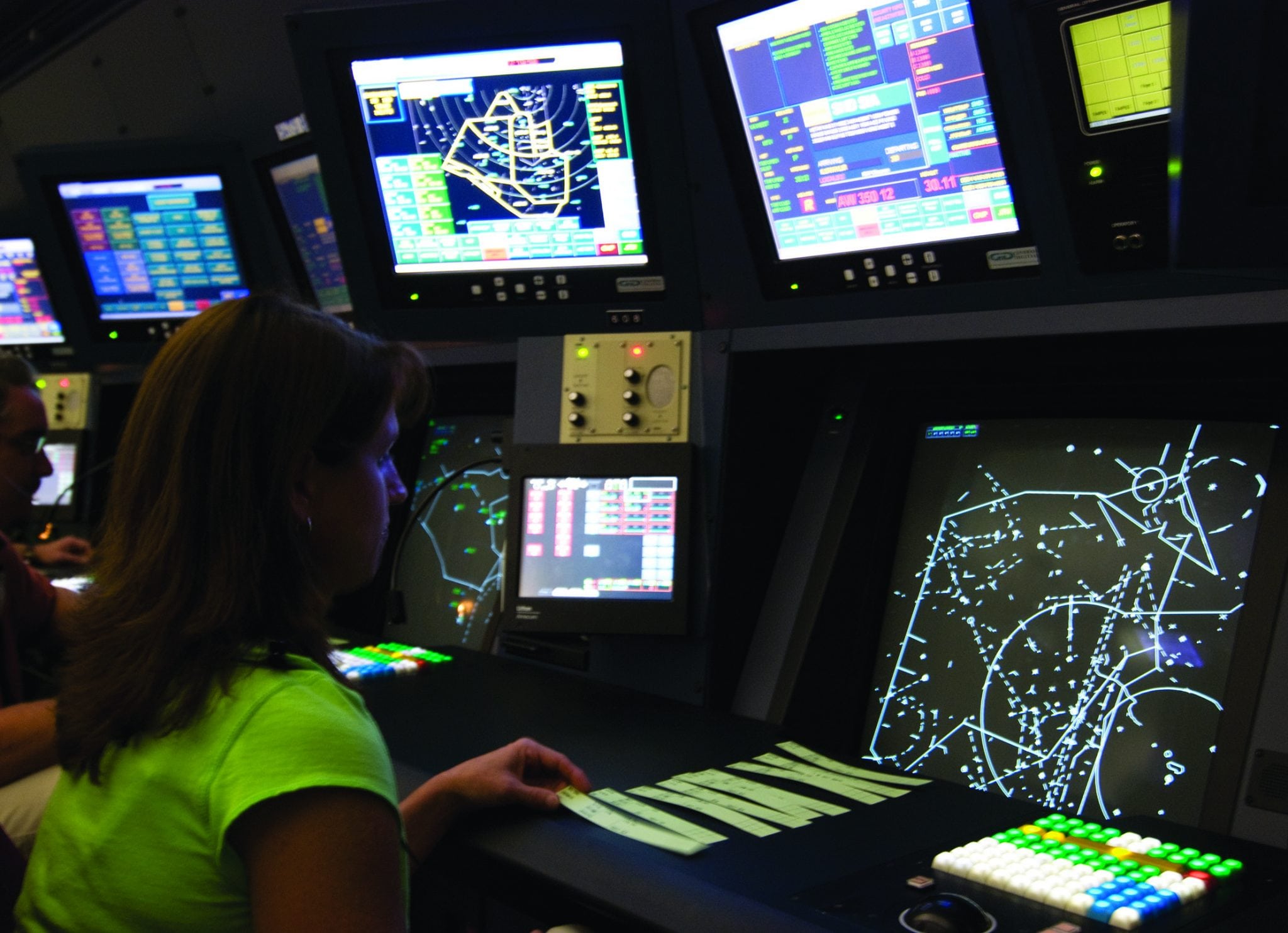
Congress approved $12.5 billion last year to fix America's aging air traffic control system. Fourteen months later, the government says it needs $30 billion more, nearly tripling the total price tag to $42.5 billion before the system is even half finished. The real story isn't just the size of the new ask. It's what a government watchdog found when it looked at how the first batch of money was actually being managed.
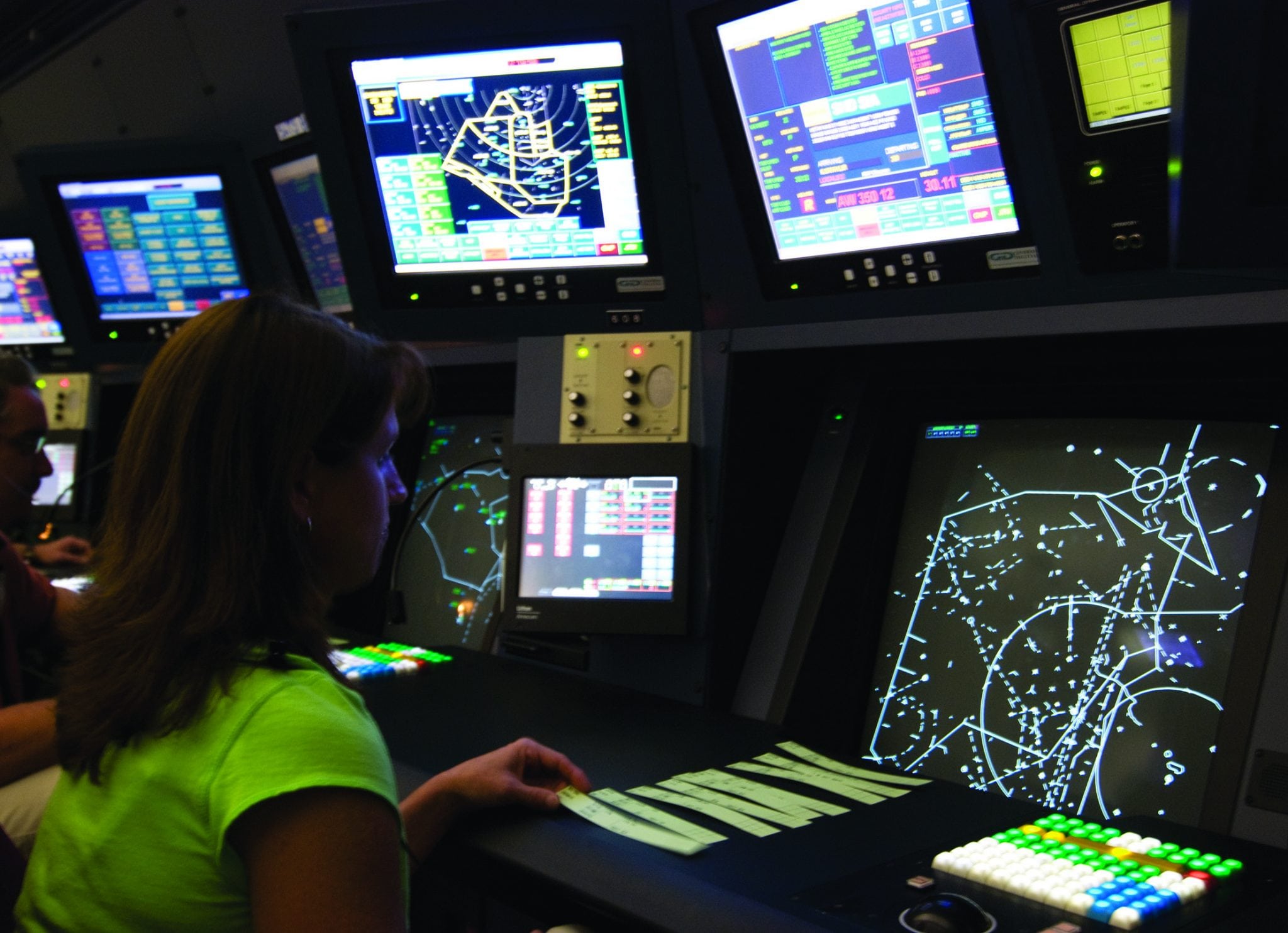
How a $12.5 Billion Down Payment Became a $42.5 Billion Project
The numbers have moved fast, and in one direction. Transportation Secretary Sean Duffy confirmed the administration will request an additional $30 billion for the Brand New Air Traffic Control System, on top of the $12.5 billion Congress already approved through last year's budget legislation, bringing the total projected cost to $42.5 billion, more than $10 billion above the government's own initial estimates.
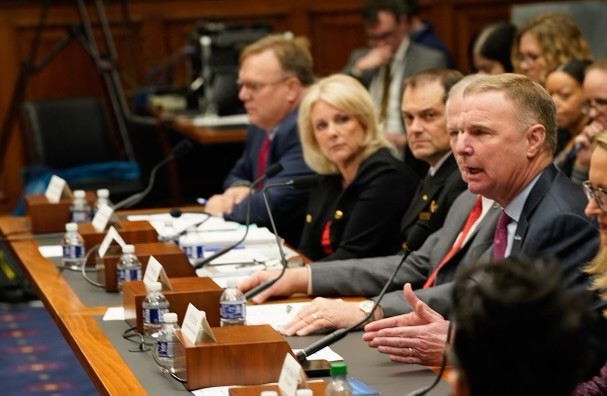
The escalation shows up even within just the project's first phase. FAA Administrator Bryan Bedford testified to a House Appropriations subcommittee that the cost of completing phase one alone has already climbed to $16 billion, a figure that keeps growing even as officials insist the original $12.5 billion tranche remains on schedule and under budget.
What a Federal Watchdog Found When It Looked Under the Hood
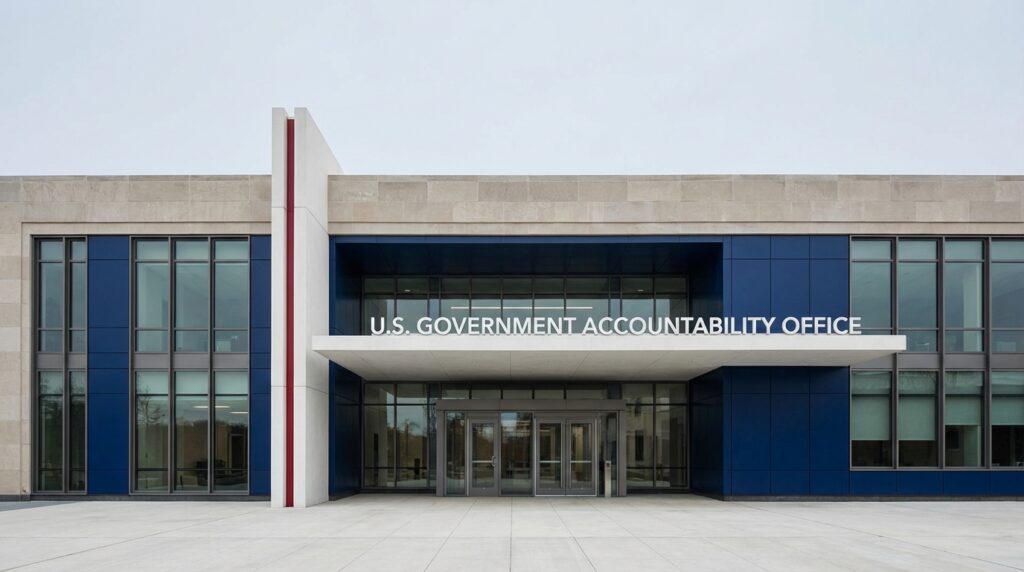
Here's where this stops being a routine funding request and becomes a genuine oversight question. The Government Accountability Office found that the FAA has not developed a comprehensive and well-documented lifecycle cost for the entire modernization overhaul, meaning the agency asking for tens of billions of taxpayer dollars still can't fully account for what the total project will ultimately cost from start to finish.
The scheduling picture is just as concerning. The same GAO review found there is no integrated scheduling across the overhaul's 11,389 individual projects, a staggering number of discrete workstreams that, without coordinated scheduling, make it genuinely difficult for anyone, Congress included, to verify whether the program is being managed efficiently or simply growing in cost as problems surface along the way.
Where the New $30 Billion Would Actually Go
Despite the oversight concerns, the spending plan itself is specific. Duffy has proposed splitting the new funding three ways, roughly $10 billion each for new ATC architecture and software, physical infrastructure including towers, runways, and taxiways, and upgrades for mid-sized airports that typically struggle to secure private capital on their own.
Administrator Bedford has argued the investment case runs the other direction financially, claiming the full modernization could save $300 billion over the next two decades compared to continuing to patch aging systems.
Bipartisan Support, but the Scrutiny Isn't Going Away
What makes this funding push notable is the breadth of support behind it. Senator Eric Schmitt introduced the Modern Skies Act to authorize the $30 billion, backed by groups spanning Airlines for America, the National Air Traffic Controllers Association, the American Association of Airport Executives, and general aviation advocates like AOPA and NBAA. That's a rare coalition of commercial airlines, controllers' unions, and private aviation groups all pulling in the same direction.
But broad support doesn't erase the fundamental tension the GAO flagged: a program that's already grown by $10 billion beyond its original estimate, with no fully documented lifecycle cost and no integrated project schedule, is now asking for its third major funding injection in under two years. Industry groups are framing recent equipment outages that have disrupted the national airspace system as proof the money is urgently needed. Fiscal watchdogs would reasonably ask whether more funding without better cost accounting just sets up the same conversation again in another 18 months.

Analysis: How Spirit Airlines Changed Airline Pricing, then Paid the Price
The Bottom Line
Nobody seriously disputes that America's air traffic control infrastructure needs replacing, some of it dating back to the 1960s. The real question Congress now faces isn't whether to modernize; it's whether to write another large check to a program the government's own watchdog says still can't fully account for its total costs or coordinate its own 11,389 moving parts. Lawmakers approving this next $30 billion will be betting that oversight catches up to the spending, rather than the other way around, which is exactly the bet the first $12.5 billion already represented.
Caribbean Airlines Expands Network With New Toronto and Caracas Routes » American Airlines Reportedly Planning to Bring Starlink Wi-Fi to Its Entire Mainline Fleet » US State Department Warns of Threats to Airlines and Airports in Saudi Arabia Following Deadly Houthi Attacks »

Comments (0)
Add Your Comment
TAGS
INFORMATIONAL FAA Air Traffic Control ATC Modernization U.S. Aviation Air Traffic Control System FAA Funding $30 Billion ATC Air Traffic Infrastructure Aviation Infrastructure GAO Airspace Modernization Aviation Technology U.S. Airports Air Traffic Controllers Aviation PolicyRECENTLY PUBLISHED
 Frontier Airlines Flight Attendant Restrains Passenger Who Lunged for Cabin Door During Atlanta Jet Bridge Delay
A Frontier Airlines flight attendant physically restrained a passenger who lunged for the cabin door after a broken jet bridge trapped travelers aboard a sweltering A321.
NEWS
READ MORE »
Frontier Airlines Flight Attendant Restrains Passenger Who Lunged for Cabin Door During Atlanta Jet Bridge Delay
A Frontier Airlines flight attendant physically restrained a passenger who lunged for the cabin door after a broken jet bridge trapped travelers aboard a sweltering A321.
NEWS
READ MORE »
 Riyadh Airport Closed After Reported Ballistic Missile Strike on Saudia Airbus Jet
King Khalid International Airport halted operations after a reported Houthi missile strike damaged a Saudia Airbus and sent smoke rising over the airfield.
NEWS
READ MORE »
Riyadh Airport Closed After Reported Ballistic Missile Strike on Saudia Airbus Jet
King Khalid International Airport halted operations after a reported Houthi missile strike damaged a Saudia Airbus and sent smoke rising over the airfield.
NEWS
READ MORE »
 KLM Brings Starlink Internet to Long-Haul Flights
KLM Royal Dutch Airlines will roll out free high-speed Starlink Wi-Fi on long-haul flights starting in 2027, but short-haul routes miss out.
NEWS
READ MORE »
KLM Brings Starlink Internet to Long-Haul Flights
KLM Royal Dutch Airlines will roll out free high-speed Starlink Wi-Fi on long-haul flights starting in 2027, but short-haul routes miss out.
NEWS
READ MORE »
More than just headlines.
Get unlimited ad-free access to in-depth aviation news, premium stories, and exclusive insights other sites don't cover.
- Ad-free browsing on AeroXplorer
- Unlimited access to premium and exclusive articles
- Higher photo upload limits & commissions on sales
- Free access to Jetstream Magazine on higher tiers
- Ad-free browsing
- Sell aviation photos with 60% commission
- First week free!
- Everything in Basic+
- Unlimited premium articles
- Sell aviation photos with 70% commission
- Free Digital subscription to Jetstream Magazine
- First week free!
- Everything in Basic+ and Pro
- Sell aviaiton photos with 80% commission
- Early access to exclusive stories
- Free Digital+Print subscription to Jetstream Magazine