
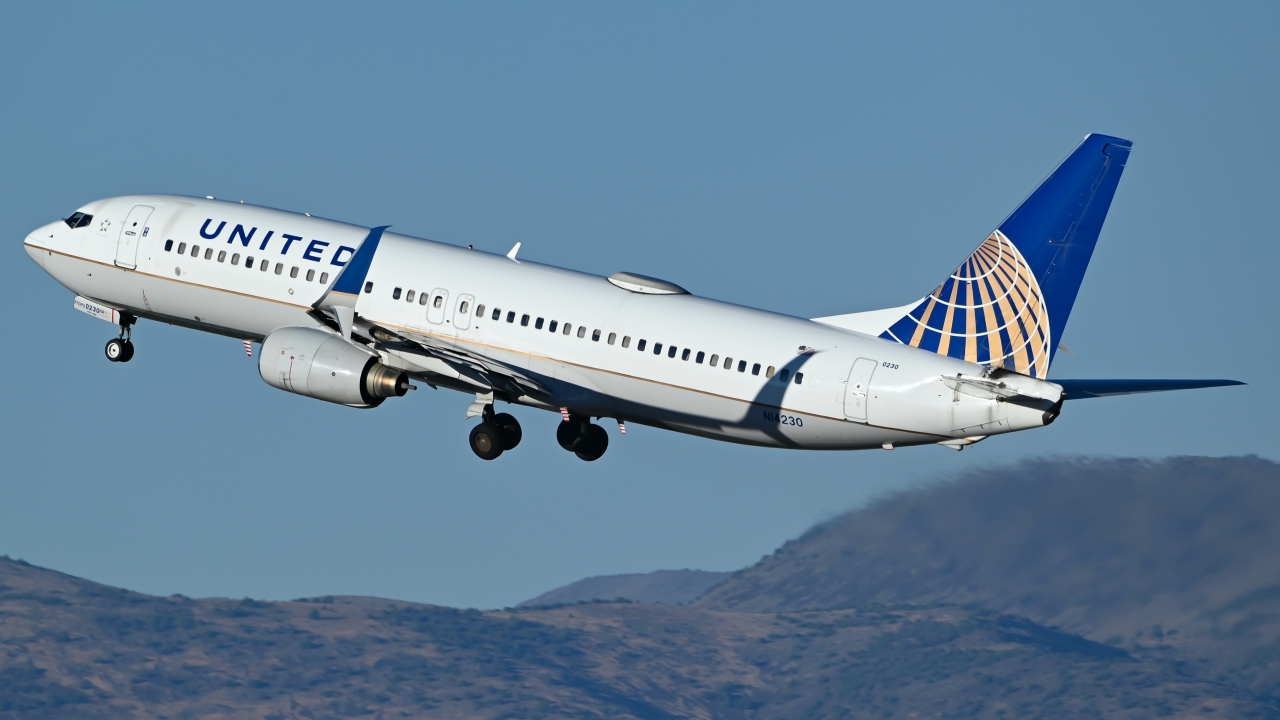

United Airlines Chief Executive Scott Kirby has drawn attention to a persistent problem reshaping global aviation. Speaking publicly about the state of the industry, Kirby claimed that roughly 900 aircraft sit grounded worldwide because airlines cannot secure the engines or parts needed to keep them flying. He warned that the shortage will likely continue for years.
Kirby said roughly 900 aircraft are currently grounded worldwide because of engine-related shortages and maintenance backlogs. For context, that number rivals the size of several major carriers combined. The grounded jets are not retired or damaged. They are otherwise airworthy aircraft sitting on tarmacs and in maintenance hangars, waiting for engines that manufacturers cannot deliver fast enough.

What Is Driving the Shortage
The bottleneck traces back to a mix of supply chain disruptions, labor shortages, and quality control issues that have plagued engine manufacturers since the pandemic. Pratt and Whitney's troubles with its geared turbofan engine, used on the Airbus A320neo family, have hit airlines particularly hard. The manufacturer disclosed a powder metal contamination issue that forced carriers to pull aircraft from service for inspections and repairs that can take months.
CFM International, the joint venture between GE Aerospace and Safran that produces engines for the Boeing 737 MAX and Airbus A320neo, has also struggled to meet demand. Lead times for new engines and spare parts have stretched well beyond historical norms. Maintenance shops face backlogs that show no signs of clearing soon.
Kirby has been candid about the consequences. United, like other major carriers, has been forced to adjust its growth plans because it cannot count on receiving the aircraft it ordered on schedule. Boeing's own production problems with the 737 MAX and 787 have compounded the issue, leaving airlines with fewer new jets to absorb capacity gaps.
What This Means for Travelers
The grounded fleet has real consequences for passengers. Fewer available aircraft means tighter capacity across the industry. Tighter capacity typically translates to higher fares, fuller cabins, and less flexibility when flights get canceled or delayed. Airlines have been forced to keep older, less fuel-efficient aircraft in service longer than planned, which raises operating costs that often get passed along to ticket buyers.
Routes have also been affected. Some carriers have trimmed service to smaller markets or delayed launching new routes because they lack the aircraft to support them. International expansion plans at several airlines have been pushed back by months or years.

A Long Road Ahead
There are not enough engines and they're not going to be for many, many years
said Kirby.
Kirby's warning that the shortage will last for years aligns with statements from engine manufacturers themselves. Both Pratt and Whitney and CFM have publicly acknowledged that ramping up production and clearing maintenance backlogs cannot happen overnight. Specialized parts, skilled technicians, and certified facilities all take time to scale up.
For United specifically, the situation has prompted strategic shifts. The airline has leaned more heavily on its existing fleet, accelerated some retirements while delaying others, and continued to push manufacturers for clearer delivery timelines. Kirby has not been shy about voicing frustration with Boeing in particular, and his comments about the engine shortage extend that pattern of public pressure on suppliers.
Industry analysts have noted that the engine problem is not unique to any single airline or region. Carriers in Europe, Asia, and the Middle East face similar constraints. Some have leased older aircraft as stopgap measures. Others have negotiated compensation from manufacturers for the lost flying time.

Analysis: How Spirit Airlines Changed Airline Pricing, then Paid the Price
The Bigger Picture
The grounding of roughly 900 aircraft highlights how fragile the modern aviation supply chain has become. Decades of consolidation among engine makers and parts suppliers left the industry with limited backup options when something goes wrong. The pandemic exposed those weaknesses, and the recovery has revealed just how difficult they are to fix.
For now, travelers should expect the constraints to continue. The aircraft shortage is expected to continue limiting capacity growth at some airlines. Airlines will keep juggling schedules to make the most of the aircraft they have. And executives like Kirby will keep pressing manufacturers to deliver on commitments, even as they prepare their own businesses for a reality where new planes and engines arrive slower than anyone planned.
How Delivery Delays Are Reshaping Aviation Sourcing » British Airways Finishes Starlink Wi-Fi Rollout Across Its A350 Fleet » Archer's Midnight eVTOL Completes Piloted Flights Across San Francisco Bay Area »

Comments (0)
Add Your Comment
TAGS
NEWS United United Airlines Parts Shortage Pratt & Whitney CFM Leap Rolls-Royce Trent Supply ChainRECENTLY PUBLISHED
 British Airways Finishes Starlink Wi-Fi Rollout Across Its A350 Fleet
British Airways has installed SpaceX's Starlink Wi-Fi on every Airbus A350 in its fleet, offering passengers free high-speed internet on long-haul flights.
NEWS
READ MORE »
British Airways Finishes Starlink Wi-Fi Rollout Across Its A350 Fleet
British Airways has installed SpaceX's Starlink Wi-Fi on every Airbus A350 in its fleet, offering passengers free high-speed internet on long-haul flights.
NEWS
READ MORE »
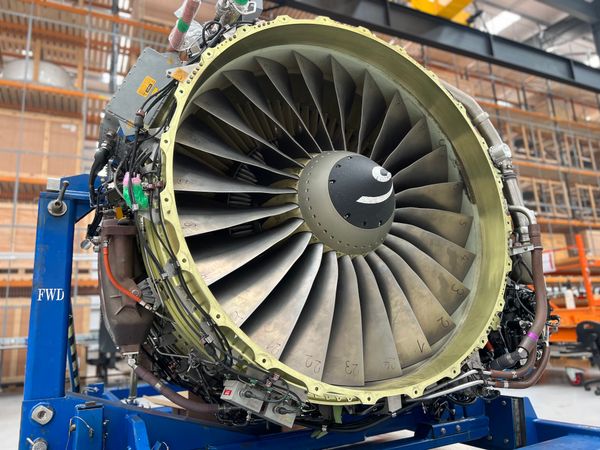 How Delivery Delays Are Reshaping Aviation Sourcing
When Boeing and Airbus can't deliver new aircraft fast enough, someone has to keep the old ones flying. That reality, playing out across airline fleets and MRO shops worldwide, is fueling what industry insiders are now calling a defining moment for the aviation aftermarket.
STORIES
READ MORE »
How Delivery Delays Are Reshaping Aviation Sourcing
When Boeing and Airbus can't deliver new aircraft fast enough, someone has to keep the old ones flying. That reality, playing out across airline fleets and MRO shops worldwide, is fueling what industry insiders are now calling a defining moment for the aviation aftermarket.
STORIES
READ MORE »
 Phillips 66 Aviation Donates $23,928 to CAN in Support of Cancer Patient Flights
Phillips 66 Aviation presented a $23,928 check to Corporate Angel Network at NBAA-BACE 2026, supporting free flights for cancer patients on corporate aircraft.
NEWS
READ MORE »
Phillips 66 Aviation Donates $23,928 to CAN in Support of Cancer Patient Flights
Phillips 66 Aviation presented a $23,928 check to Corporate Angel Network at NBAA-BACE 2026, supporting free flights for cancer patients on corporate aircraft.
NEWS
READ MORE »
More than just headlines.
Get unlimited ad-free access to in-depth aviation news, premium stories, and exclusive insights other sites don't cover.
- Ad-free browsing on AeroXplorer
- Unlimited access to premium and exclusive articles
- Higher photo upload limits & commissions on sales
- Free access to Jetstream Magazine on higher tiers
- Ad-free browsing
- Sell aviation photos with 60% commission
- First week free!
- Everything in Basic+
- Unlimited premium articles
- Sell aviation photos with 70% commission
- Free Digital subscription to Jetstream Magazine
- First week free!
- Everything in Basic+ and Pro
- Sell aviaiton photos with 80% commission
- Early access to exclusive stories
- Free Digital+Print subscription to Jetstream Magazine