
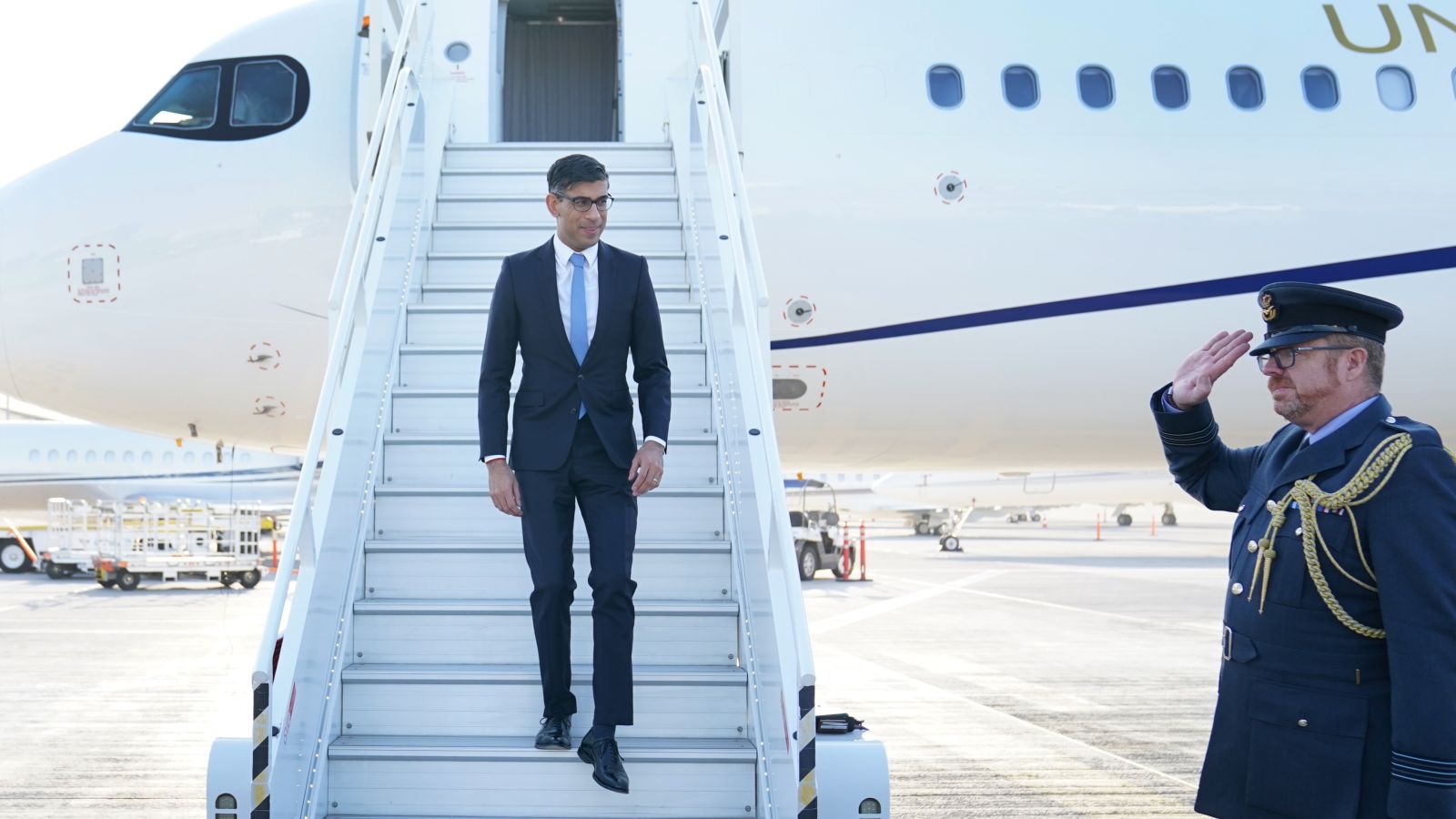

UK Prime Minister Rishi Sunak's flagship policy to send asylum seekers to Rwanda is facing further turbulence, with airlines refusing to fly the controversial flights and the estimated costs rising. This latest setback adds to a growing list of obstacles threatening to derail the plan entirely.

The Pecking Order
Commercial airlines are wary of their reputation. The majority have declined to sign contracts for the Rwanda deportation flights. This leaves the government scrambling for alternatives. The most promising ones are the Ministry of Defense and even the Royal Air Force (RAF) as carriers for these controversial flights.
However, defense officials seem just as reluctant, citing security concerns and potential disruption at their airbases. Meanwhile, commercial airports will not handle flights due to the risk of protests. One government official said, "We have robust plans in place to fly people to Rwanda, including established commercial relationships."

The designated airport, Boscombe Down, an RAF Base and military aircraft testing site, requires a costly upgrade of up to £20 million in security to withstand anticipated protests. This adds to the already hefty price tag of the program, raising questions about its financial viability.
The Policy On Principles
The policy has been plagued by legal challenges from the outset. Last month, the Supreme Court deemed Rwanda unsafe for asylum seekers, forcing the government to rush emergency legislation through Parliament. Despite overcoming this hurdle, the program remains mired in controversy and practical difficulties.

Human rights groups and legal experts continue to denounce the policy as inhumane and a violation of international law. Public opinion is also divided, with concerns about the ethical implications and effectiveness of the scheme. Adding to Sunak's woes, Tory critics believe the legislation doesn't go far enough and are threatening to rebel against the policy. This internal dissent further destabilizes the government's already shaky position.
What or Who are the "Tory Critics/Rebels"
"Tory rebels/critics" refers to Conservative Party Members of Parliament (MPs) in the UK who publicly disagree with or vote against the government's position on certain issues. Identifying specific rebels can be tricky, as it depends on the exact issue in question and the nuances of their stance.

More recently, Tory rebels have emerged over issues such as Rishi Sunak's Rwanda deportation plan and cost-of-living measures. It's important to note that the specific composition of these groups can change over time, and not all Conservative MPs who rebel on a particular issue will necessarily identify with a specific label.
The Summary
The fate of the Rwanda deportation plan will be determined by the government's ability to overcome logistical and legal hurdles and its willingness to address the ethical and philosophical concerns it raises. This saga is far from over, and its outcome will have far-reaching implications for the UK's domestic and international standing.

As airlines refuse to participate and costs spiral, the question hangs heavy: Can the UK's Rwanda deportation plan take off at all?
Southwest Airlines Considers Boeing 787 Order for Long-Haul International Expansion » Boeing's Touchscreen Flight Controls for 737 Draw Sharp Criticism from Pilots » United 777 Diverts to Dublin After Cockpit Windscreen Cracks Over the Atlantic »

Comments (0)
Add Your Comment
TAGS
NEWS Rwanda UK United Kingdom Politics Controversy Deportation ImmigrationRECENTLY PUBLISHED
 FlyUSA Opens 50,000-Square-Foot Owner-Exclusive Hangar and Lounge at Tampa International Airport
FlyUSA has opened a 50,000-square-foot private hangar and lounge at Tampa International Airport, serving aircraft owners and charter clients.
NEWS
READ MORE »
FlyUSA Opens 50,000-Square-Foot Owner-Exclusive Hangar and Lounge at Tampa International Airport
FlyUSA has opened a 50,000-square-foot private hangar and lounge at Tampa International Airport, serving aircraft owners and charter clients.
NEWS
READ MORE »
 Federal Grand Jury Indicts Passenger Duct-Taped to Seat on American Airlines Flight
A passenger restrained with duct tape after a violent outburst on an American Airlines flight to Newark faces federal charges and up to 20 years in prison.
NEWS
READ MORE »
Federal Grand Jury Indicts Passenger Duct-Taped to Seat on American Airlines Flight
A passenger restrained with duct tape after a violent outburst on an American Airlines flight to Newark faces federal charges and up to 20 years in prison.
NEWS
READ MORE »
 JetBlue Opens Sales for BlueFirst, Its First Domestic First Class Cabin
JetBlue begins selling seats in its new BlueFirst domestic first class cabin, with service starting in 2026 on select transcontinental routes.
NEWS
READ MORE »
JetBlue Opens Sales for BlueFirst, Its First Domestic First Class Cabin
JetBlue begins selling seats in its new BlueFirst domestic first class cabin, with service starting in 2026 on select transcontinental routes.
NEWS
READ MORE »
More than just headlines.
Get unlimited ad-free access to in-depth aviation news, premium stories, and exclusive insights other sites don't cover.
- Ad-free browsing on AeroXplorer
- Unlimited access to premium and exclusive articles
- Higher photo upload limits & commissions on sales
- Free access to Jetstream Magazine on higher tiers
- Ad-free browsing
- Sell aviation photos with 60% commission
- First week free!
- Everything in Basic+
- Unlimited premium articles
- Sell aviation photos with 70% commission
- Free Digital subscription to Jetstream Magazine
- First week free!
- Everything in Basic+ and Pro
- Sell aviaiton photos with 80% commission
- Early access to exclusive stories
- Free Digital+Print subscription to Jetstream Magazine