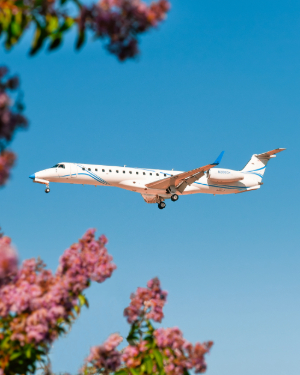


Three Gulf carriers are chasing the same prize: global connecting traffic through their hubs, but each is betting on a completely different combination of fleet, product, and partnerships to win it. Emirates is doubling down on scale from a single mega-hub. Qatar is leaning on premium product to defend pricing power while it waits out delivery delays. Etihad, still in the middle of a turnaround, is rebuilding almost everything from scratch.
Old Jets, New Cabins
Emirates remains the world's largest Boeing 777X customer with 270 aircraft on order, but the jet's delivery has slipped again, with Boeing now targeting spring 2027 for the first 777-9. Rather than sit and wait, Emirates has taken the expensive route: pouring roughly $5 billion into retrofitting its existing A380s and 777-300ERs, fitting new cabins so the fleet feels current even as it flies years longer than planned. Chairman Tim Clark has said the airline now intends to keep the A380 flying into the next decade, treating the superjumbo less as a stopgap and more as a permanent fixture of the Dubai hub strategy.
That hub-and-spoke model is the whole point. Emirates runs an all-widebody fleet built entirely around funneling long-haul passengers through Dubai, and it has largely stayed out of the equity-partnership game that defines its rivals, betting instead that sheer frequency and network density on established routes is a moat competitors can't easily cross.

Betting on Adaptability
Qatar Airways is facing the same 777X delays as Emirates, but it's using the wait differently. Rather than retrofit old aircraft, Qatar is launching its next-generation Qsuite business class, originally designed for the 777-9, on the Airbus A350-1000 instead, getting the new premium cabin into the sky years ahead of the jet it was built for. Group CEO Mohammed al-Meer framed it plainly to Bloomberg: every airline is dealing with delays, and what separates carriers is how they adapt rather than simply wait.
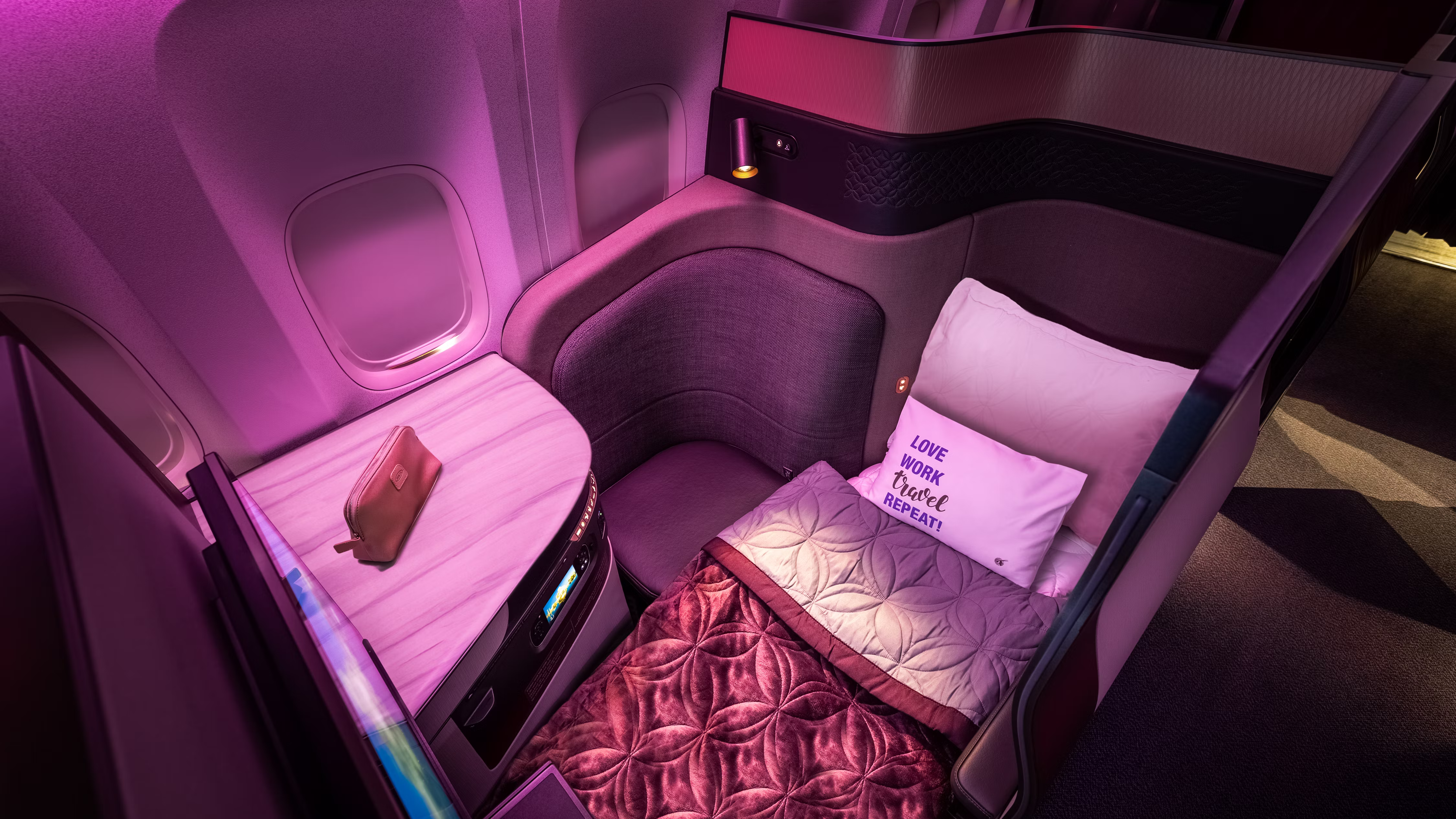
The ambition behind that move is substantial. Qatar is targeting 80 million passengers a year by 2030, nearly double its current volume, the largest widebody-driven growth target of any Middle East carrier. Alongside the Qsuite rollout, Qatar has introduced A321neo narrow-bodies on a high-density configuration into secondary cities like Multan and Peshawar, a small but telling signal that its network strategy isn't just about long-haul premium travel; it's also about feeding connecting traffic in from markets its rivals have largely ignored. Unlike Emirates, Qatar has stayed inside the Oneworld alliance, using codeshare partnerships to extend its reach without owning every route outright.
From Reset to Rebound
Etihad's story is the most dramatic of the three. After years of losses under a costly equity-stakes strategy in the 2010s, the airline reset entirely, shifting from equity partnerships to a leaner codeshare-based model and consolidating operations at the new Zayed International Airport's Terminal A. The turnaround has been sharp: Etihad's "Journey 2030" plan now targets 38 million passengers and roughly 200–220 aircraft by 2030, nearly doubling both figures from where the airline stood just a few years ago.

That growth is already visible in the order book. A November 2025 widebody order for 32 Airbus aircraft, 6 A330-900s and 7 A350-1000s, anchors the next phase of expansion into Africa, China, India, and North America, while reactivated A380s have returned to routes like London, carrying the airline's signature Residence suite. On the partnership side, Etihad has replaced its old equity-stake approach with lighter-touch codeshares, including expanded ties with Air France-KLM and EL AL, extending its network reach without repeating the balance-sheet damage of a decade ago.
The Shape of Disaster: The Plane That Kept Falling Apart Mid-Air
Gulf Endgame
Despite their different starting points, all three carriers are converging on the same underlying contest: who controls the most attractive slice of global connecting traffic. Emirates is defending its position through raw scale and hub density. Qatar is defending pricing power through premium product, even ahead of the aircraft it was designed for. Etihad is simply trying to get back into the fight, rebuilding fleet, network, and partnerships largely from scratch after a painful reset.
Where they diverge is in risk tolerance. Emirates is betting on patience, extending the life of aging aircraft rather than compromising its hub model. Qatar is betting on adaptability, decoupling product innovation from delivery timelines it can't control. Etihad is betting on speed, trying to compress a decade of rebuilding into a few aggressive years. None of these bets are guaranteed to pay off, but with Boeing's delivery delays now affecting every major Gulf carrier at once, how each airline manages that shared constraint may end up defining the region's next decade of competition more than any single route launch or aircraft order.
FlyUSA Opens 50,000-Square-Foot Owner-Exclusive Hangar and Lounge at Tampa International Airport » Heathrow Cites Airline Demand for Slots as Third Runway Review Continues » Southwest Overhauls Rapid Rewards and How it Affects You »

Comments (0)
Add Your Comment
TAGS
INFORMATIONAL Emirates Qatar Airways Etihad Gulf carriers Boeing 777X Qsuite hub strategy connecting traffic Middle East aviation fleet renewal airline partnershipsRECENTLY PUBLISHED
 FAA Nears Final Approval of Boeing 737 MAX 10 as Certification Review Concludes
The FAA has completed its final review of the Boeing 737 MAX 10, with certification expected as soon as next week after years of delays.
NEWS
READ MORE »
FAA Nears Final Approval of Boeing 737 MAX 10 as Certification Review Concludes
The FAA has completed its final review of the Boeing 737 MAX 10, with certification expected as soon as next week after years of delays.
NEWS
READ MORE »
 United and Air Canada Push to Expand Joint Venture Amid Cross-Border Travel Strains
United Airlines and Air Canada plan to add routes to their joint venture as political tensions dampen travel demand between the two countries.
NEWS
READ MORE »
United and Air Canada Push to Expand Joint Venture Amid Cross-Border Travel Strains
United Airlines and Air Canada plan to add routes to their joint venture as political tensions dampen travel demand between the two countries.
NEWS
READ MORE »
 Why the A-10 Warthog's Nose Gear Is Offset to the Right
Why the A-10 Warthog’s nose wheel sits off-center, and how its massive GAU-8 Avenger cannon dictated the aircraft’s design.
INFORMATIONAL
READ MORE »
Why the A-10 Warthog's Nose Gear Is Offset to the Right
Why the A-10 Warthog’s nose wheel sits off-center, and how its massive GAU-8 Avenger cannon dictated the aircraft’s design.
INFORMATIONAL
READ MORE »
More than just headlines.
Get unlimited ad-free access to in-depth aviation news, premium stories, and exclusive insights other sites don't cover.
- Ad-free browsing on AeroXplorer
- Unlimited access to premium and exclusive articles
- Higher photo upload limits & commissions on sales
- Free access to Jetstream Magazine on higher tiers
- Ad-free browsing
- Sell aviation photos with 60% commission
- First week free!
- Everything in Basic+
- Unlimited premium articles
- Sell aviation photos with 70% commission
- Free Digital subscription to Jetstream Magazine
- First week free!
- Everything in Basic+ and Pro
- Sell aviaiton photos with 80% commission
- Early access to exclusive stories
- Free Digital+Print subscription to Jetstream Magazine