
Portions of this article were created with assistance from AI tools to help with research, drafting, or copy editing. A human editor reviewed the work, verified key facts, and approved the final version.
AI-assisted content
The Civil Aeronautics Administration (CAA) in Taiwan has introduced notable amendments to the pilot certification regulations, particularly concerning age limits for both commercial and airline transport pilots. Specifically, the minimum age requirements for commercial pilot and multi-crew certification have been lowered from 20 to 18 years old, making the profession more accessible to younger candidates. Concurrently, the minimum age for airline transport pilot certification has been reduced from 23 to 21 years old.
The maximum age limit for airline transport pilots has also been raised from 60 to 65 years old, allowing experienced aviators to continue contributing to the industry longer.

This dual approach is representative of a broader trend observed in international aviation practices, where many countries have adjusted their own regulations to create a more flexible and accommodating environment for pilot training. By lowering the entry age and raising the retirement threshold, Taiwan aims to welcome a diverse range of new pilots while also valuing the experience of older professionals. The regulatory shifts are poised to rejuvenate a workforce that has been affected by recent difficulties.
These changes in age requirements are significant, considering that many nations already employ similar policies, which have proven effective in attracting younger individuals into aviation careers. With these new rules, Taiwan is not only addressing immediate pilot shortages but is also opening doors for future generations of aviators.

Cliffs, Clouds, and Courage: Lukla Airport Nepal, The World's Most Dangerous Airport
The Rationale Behind the Age Policy Revision
The decision to revise age limits for pilot certification in Taiwan stems from a pressing need to counteract alarming trends in pilot shortages. As global travel demand surges, the aviation sector is facing a stark reality: a significant shortfall in trained pilots. Reports highlight that major airlines around the world are grappling with retention and recruitment challenges, partly triggered by the pandemic's impact on training programs.

Enrollment in flight training schools plummeted during the COVID-19 pandemic, creating a backlog of aspiring aviators ready to enter the workforce. With the urgency to replenish the dwindling numbers of pilots, Taiwan's CAA recognized the need for both immediate and sustainable interventions. By creating more opportunities for younger trainees to enter the field and extending the careers of seasoned pilots, the nation aims to alleviate these staffing crises.

Comfort at a Cost: The Silent Death of the Airbus A340
Additionally, the selection of age as a focal point for policy change aligns with global efforts to prompt greater diversity and vitality in the aviation industry. With earlier entry into the profession, new pilots can start accumulating valuable flight hours sooner, which is essential for meeting the escalating demand for flight services.
Global Perspective: Aligning with International Standards
The harmonization of pilot certification age across countries is a pivotal issue within the aviation industry that affects safety, operational efficiency, and career progression for pilots. As countries like Taiwan revise their regulations to align with global practices, it not only simplifies the career pathways for pilots but also enhances international cooperation in aviation safety and training standards.

This standardization is crucial, particularly in a time when pilot mobility is increasingly emphasized. Aspiring pilots who undergo training in Taiwan will benefit from programs that mirror the quality and expectations found in other leading aviation nations. As a result, the talent pool expands, facilitating cross-border career opportunities for pilots looking to work in various regions around the world.
Safety and Regulatory Considerations
With the new age regulations for pilot certification, it is vital to address the safety measures and medical requirements that accompany these changes. While the goal is to foster a greater influx of pilots, maintaining stringent safety standards remains paramount, as the aviation industry prioritizes the well-being of passengers and crew alike.
The CAA has emphasized that even with lowered entry ages, aspiring pilots will still be required to meet rigorous medical and psychological standards before being licensed. This ensures that all pilots possess not only the necessary technical skills but also the physical and mental readiness required to operate aircraft safely.

Turbulence at the Top: How Four Airlines Came to Dominate the U.S. Air Travel Market

For older pilots, continuous assessments will also be mandatory as part of the updated regulations. By establishing a framework that monitors the health and fitness of seasoned aviators, Taiwan can assure stakeholders that safety will not be compromised as the workforce evolves to meet changing demands.
A Bright Future for Taiwanese Aviation
Taiwan's pilot certification changes signify a proactive and transformative step toward addressing ongoing pilot shortages while positioning the nation within the global aviation sector. By revising age requirements, the CAA has opened new pathways for aspiring aviators, setting the stage for the revitalization of Taiwan's aviation industry.


Terminal Trouble: One of Japan's Busiest Airports is Slowly Sinking
These regulatory changes are likely to resonate beyond Taiwan’s borders, potentially serving as a precedent for other regions grappling with similar workforce challenges in aviation. The enthusiasm surrounding these new policies reflects a commitment to ensuring a sustainable and qualified workforce for the future, benefiting entire ecosystems centered around air travel.
The anticipated outcomes from these changes will influence personal and professional trajectories for countless individuals aspiring to take to the skies, ultimately establishing a bright future for Taiwanese aviation and contributing positively to the industry worldwide.
British Airways Unveils World's Largest Business Class Cabin With 106 Seats Aboard Refurbished A380 Fleet » 4th vs 5th Generation Fighter Jets: How Fighter Jets Have Evolved » FAA Clears JetBlue's $58.5M Purchase of Spirit's LaGuardia Slots »

Comments (0)
Add Your Comment
TAGS
NEWS AI aviation pilot certification Taiwan airlines global standardsRECENTLY PUBLISHED
 This Week in Aviation: The 10 Stories That Mattered Most
From major airline developments to aircraft updates and industry shifts, this weekly recap highlights the ten most-read aviation stories from the week of October 04.
INFORMATIONAL
READ MORE »
This Week in Aviation: The 10 Stories That Mattered Most
From major airline developments to aircraft updates and industry shifts, this weekly recap highlights the ten most-read aviation stories from the week of October 04.
INFORMATIONAL
READ MORE »
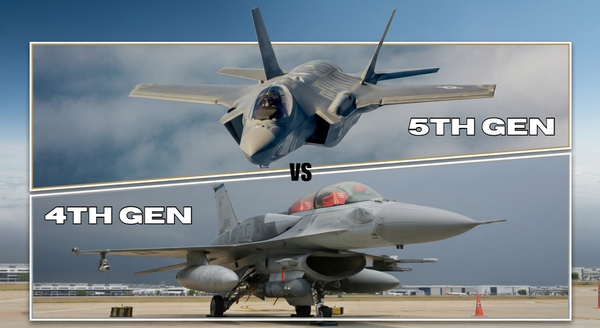 4th vs 5th Generation Fighter Jets: How Fighter Jets Have Evolved
A look at what separates fourth- and fifth-generation fighter jets, from stealth and sensor fusion to combat capability and cost.
INFORMATIONAL
READ MORE »
4th vs 5th Generation Fighter Jets: How Fighter Jets Have Evolved
A look at what separates fourth- and fifth-generation fighter jets, from stealth and sensor fusion to combat capability and cost.
INFORMATIONAL
READ MORE »
 United 777 Diverts to Dublin After Cockpit Windscreen Cracks Over the Atlantic
A United Airlines Boeing 777 bound for Milan made a steep descent and diverted to Dublin after its cockpit windscreen cracked mid-flight.
NEWS
READ MORE »
United 777 Diverts to Dublin After Cockpit Windscreen Cracks Over the Atlantic
A United Airlines Boeing 777 bound for Milan made a steep descent and diverted to Dublin after its cockpit windscreen cracked mid-flight.
NEWS
READ MORE »
More than just headlines.
Get unlimited ad-free access to in-depth aviation news, premium stories, and exclusive insights other sites don't cover.
- Ad-free browsing on AeroXplorer
- Unlimited access to premium and exclusive articles
- Higher photo upload limits & commissions on sales
- Free access to Jetstream Magazine on higher tiers
- Ad-free browsing
- Sell aviation photos with 60% commission
- First week free!
- Everything in Basic+
- Unlimited premium articles
- Sell aviation photos with 70% commission
- Free Digital subscription to Jetstream Magazine
- First week free!
- Everything in Basic+ and Pro
- Sell aviaiton photos with 80% commission
- Early access to exclusive stories
- Free Digital+Print subscription to Jetstream Magazine