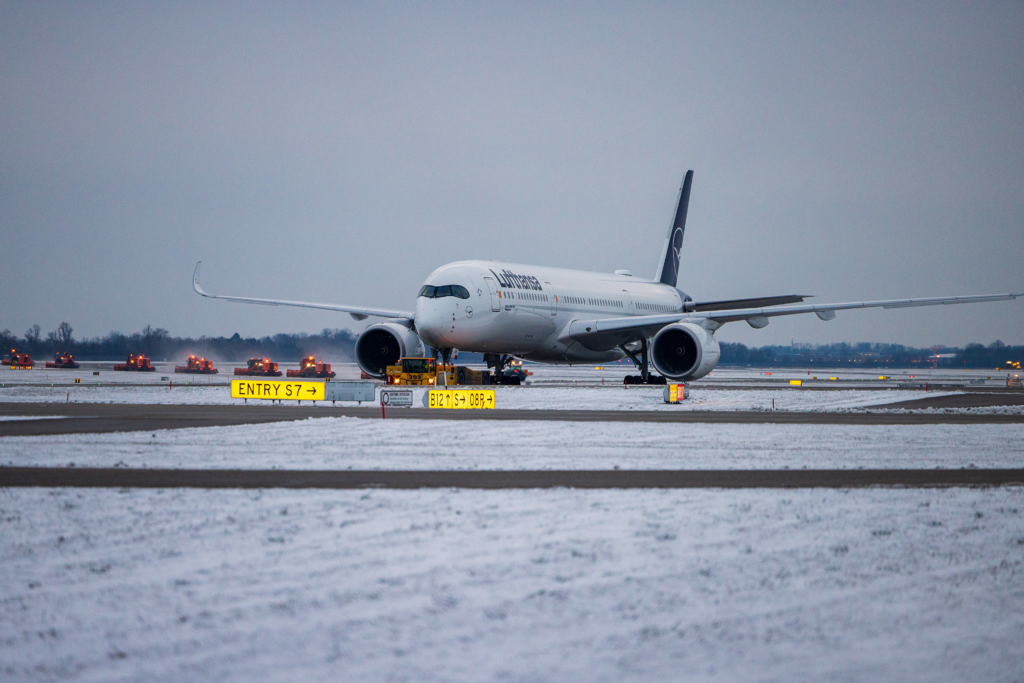

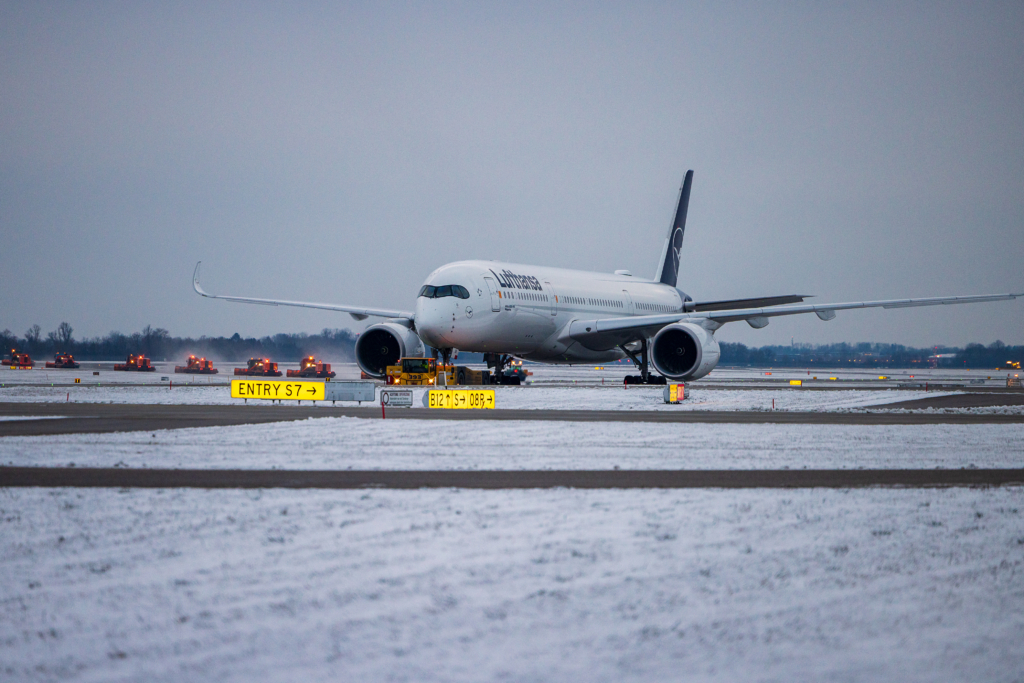
MUNICH, Germany - Heavy winter weather coupled with an unprecedented collapse in ground handling logistics left approximately 600 passengers stranded inside aircraft at Munich Airport (MUC) overnight this week, sparking a massive outcry over passenger rights and airport management. The Bavarian hub, typically praised for its efficiency, is now facing a formal investigation after ground crews reportedly reached the end of their shifts and went home, leaving several fully loaded planes in a state of operational limbo.
The crisis began during a sudden, intense snowstorm that swept through Southern Germany. While the airport’s snow-clearing teams managed to keep the runways functional, the "soft infrastructure" of the airport, specifically the ground handling and de-icing teams, failed to keep pace. As the night progressed and delays mounted, a critical shortage of personnel resulted in aircraft being stuck on the taxiways, unable to receive de-icing treatment for departure and, more critically, unable to find available crews to guide them back to gates for deplaning.
A Night of "No-Man's Land"
Passengers on several long-haul and medium-haul flights, primarily operated by Lufthansa, reported being held on board for upwards of ten hours. Travelers described scenes of growing frustration as food and water supplies dwindled, and cabin crews were forced to explain that they were physically unable to let anyone off the aircraft because no ground staff were available to attach jet bridges or provide staircases.
Reports indicate that at the height of the chaos, ground handling staff, many of whom are employed by third-party contractors, simply clocked out at the end of their scheduled shifts. Without relief crews to take their place, the airport's "turnaround" capability vanished.
The Cockpit’s Next Revolution: When the Co-Pilot Is a Computer
Airport Leadership Admits Failure
In a sobering statement issued today, February 27, 2026, Munich Airport management admitted that the communication breakdown was catastrophic. An airport spokesperson addressed the media, stating:
“The coordination between the airport, the airlines, and the ground handling services did not work as it should have.”
The airport operator acknowledged the severity of the ordeal faced by the 600 travelers, many of whom were forced to sleep in their seats while the aircraft sat stationary just a few hundred yards from the terminal. Looking toward the future, the airport issued a terse but clear apology:
“Munich Airport says it will do better next time.”
The Industry Reaction
Aviation analysts are pointing to this incident as a symptom of a larger, systemic issue within European aviation: the thinning of ground handling resources. While airlines and airports have invested heavily in digital interfaces and new aircraft, the manual labor required to de-ice a wing or drive a tug remains the "Achilles' heel" of the industry.
"When you have 600 people trapped in metal tubes within sight of the terminal, that isn't just a weather delay; it's a management failure," said one industry consultant. "The fact that crews 'went home' suggests a total lack of contingency planning for irregular operations (IROPS)."
Lufthansa, the primary carrier affected, is expected to face significant compensation claims under EU261 regulations. While weather is often considered an "extraordinary circumstance" that exempts airlines from paying compensation, the inability to deplane passengers due to staffing shortages may not fall under that protection.
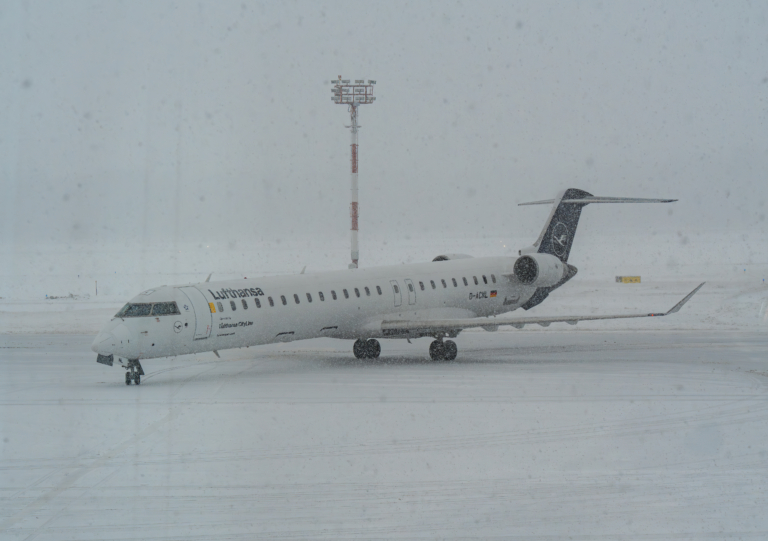
Impacted Air Operations
The incident impacted a diverse range of operations, from flagship long-haul routes to critical regional feeders. Passengers on Lufthansa Flight LH768 to Singapore faced one of the most grueling waits, as the widebody Airbus A350-900 sat stationary while ground handling capacity vanished. Similar scenes unfolded on short-haul routes to Copenhagen and Gdansk, where narrowbody crews were left without de-icing support.
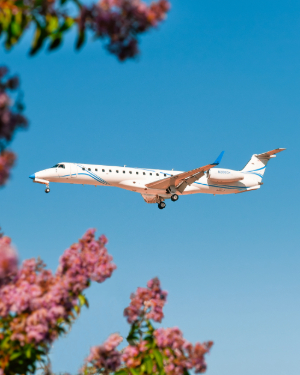
The regional sector was equally paralyzed. Air Dolomiti, operating under the Lufthansa brand, saw two of its Embraer ERJ-195 aircraft stuck on the taxiways, unable to return to the terminal because there were no workers available to operate the jet bridges.
The Munich Tarmac Logjam:
| Flight No. | Route | Aircraft Type | Operator | Scheduled Departure | Status |
|---|---|---|---|---|---|
| LH768 | Munich – Singapore | Airbus A350-900 | Lufthansa | 22:20 | Overnight Delay |
| LH2446 | Munich – Copenhagen | Airbus A320neo | Lufthansa | 21:30 | Overnight Delay |
| LH1646 | Munich – Gdansk | Airbus A320ceo | Lufthansa | 21:05 | Overnight Delay |
| EN8016 | Munich – Graz | Embraer ERJ-195 | Air Dolomiti | 21:45 | Overnight Delay |
| EN8206 | Munich – Venice | Embraer ERJ-195 | Air Dolomiti | 21:45 | Overnight Delay |
As the Bavarian snow settles, the heat is just beginning for Munich’s operational leadership. This incident has punctured the reputation of an airport that consistently ranks among the world’s best, proving that five-star terminal amenities mean very little when the basic machinery of ground handling ceases to function.
For the 600 passengers who spent their night in a cramped "no-man’s land," a promise to "do better" is merely the first step on a long road to rebuilding traveler trust. Whether this breakdown leads to stricter labor mandates for third-party contractors or a total overhaul of emergency staffing protocols remains to be seen. However, as the aviation industry continues to grapple with post-pandemic labor shortages and increasingly volatile weather, Munich’s "night on the tarmac" serves as a stark warning: technology and infrastructure are only as reliable as the people required to run them.
Frontier Airlines Flight Attendant Restrains Passenger Who Lunged for Cabin Door During Atlanta Jet Bridge Delay » Riyadh Airport Closed After Reported Ballistic Missile Strike on Saudia Airbus Jet » KLM Brings Starlink Internet to Long-Haul Flights »

Comments (0)
Add Your Comment
TAGS
NEWS Munich Airport Lufthansa Aviation News Ground Handling Airport Management Flights Travel DisruptionsRECENTLY PUBLISHED
 4th vs 5th Generation Fighter Jets: How Fighter Jets Have Evolved
A look at what separates fourth- and fifth-generation fighter jets, from stealth and sensor fusion to combat capability and cost.
INFORMATIONAL
READ MORE »
4th vs 5th Generation Fighter Jets: How Fighter Jets Have Evolved
A look at what separates fourth- and fifth-generation fighter jets, from stealth and sensor fusion to combat capability and cost.
INFORMATIONAL
READ MORE »
 United 777 Diverts to Dublin After Cockpit Windscreen Cracks Over the Atlantic
A United Airlines Boeing 777 bound for Milan made a steep descent and diverted to Dublin after its cockpit windscreen cracked mid-flight.
NEWS
READ MORE »
United 777 Diverts to Dublin After Cockpit Windscreen Cracks Over the Atlantic
A United Airlines Boeing 777 bound for Milan made a steep descent and diverted to Dublin after its cockpit windscreen cracked mid-flight.
NEWS
READ MORE »
 Boeing's Touchscreen Flight Controls for 737 Draw Sharp Criticism from Pilots
Boeing's plan to introduce Touchscreen Control Display Units on the 737 has sparked backlash from pilots who warn of safety and usability concerns.
NEWS
READ MORE »
Boeing's Touchscreen Flight Controls for 737 Draw Sharp Criticism from Pilots
Boeing's plan to introduce Touchscreen Control Display Units on the 737 has sparked backlash from pilots who warn of safety and usability concerns.
NEWS
READ MORE »
More than just headlines.
Get unlimited ad-free access to in-depth aviation news, premium stories, and exclusive insights other sites don't cover.
- Ad-free browsing on AeroXplorer
- Unlimited access to premium and exclusive articles
- Higher photo upload limits & commissions on sales
- Free access to Jetstream Magazine on higher tiers
- Ad-free browsing
- Sell aviation photos with 60% commission
- First week free!
- Everything in Basic+
- Unlimited premium articles
- Sell aviation photos with 70% commission
- Free Digital subscription to Jetstream Magazine
- First week free!
- Everything in Basic+ and Pro
- Sell aviaiton photos with 80% commission
- Early access to exclusive stories
- Free Digital+Print subscription to Jetstream Magazine