

Flying is known to be the safest method of transportation. Airplanes are equipped with multiple backup systems and top-notch technology to mitigate the impacts of any potential failures to the best abilities possible. Since the aviation industry's key focus is safety, your chances of experiencing a plane crash are one in 1.2 million (0.0000833%), while dying from one is one in 11 million (0.00000909%).
That is significantly lower than your chances of dying in a car accident, which is one in 5000 (0.02%). However, some airlines are substantially less safe than others, which you may want to remember when booking your next flight.

How Safety Rankings Work From Airline Ratings
When determining each airline's safety, several factors are ranked in the ranking of 385 different airlines. The analysis includes data from crashes, pilot-related incidents, pilot training, and audits for fleet age and performance from the International Civil Aviation Organization (ICAO) and the International Air Transport Association (IATA).
Airline Ratings also acknowledges factors outside of an airline's control when analyzing its safety record. Therefore, those factors are not considered in the rankings. Editor-in-Chief Geoffrey Thomas explained that "[a]ll airlines have incidents every day, and many are aircraft or engine manufacture issues, not airline operational problems. It is the way the flight crew handles these incidents that determines a good airline from an unsafe one." Lumping incidents together can be misleading.
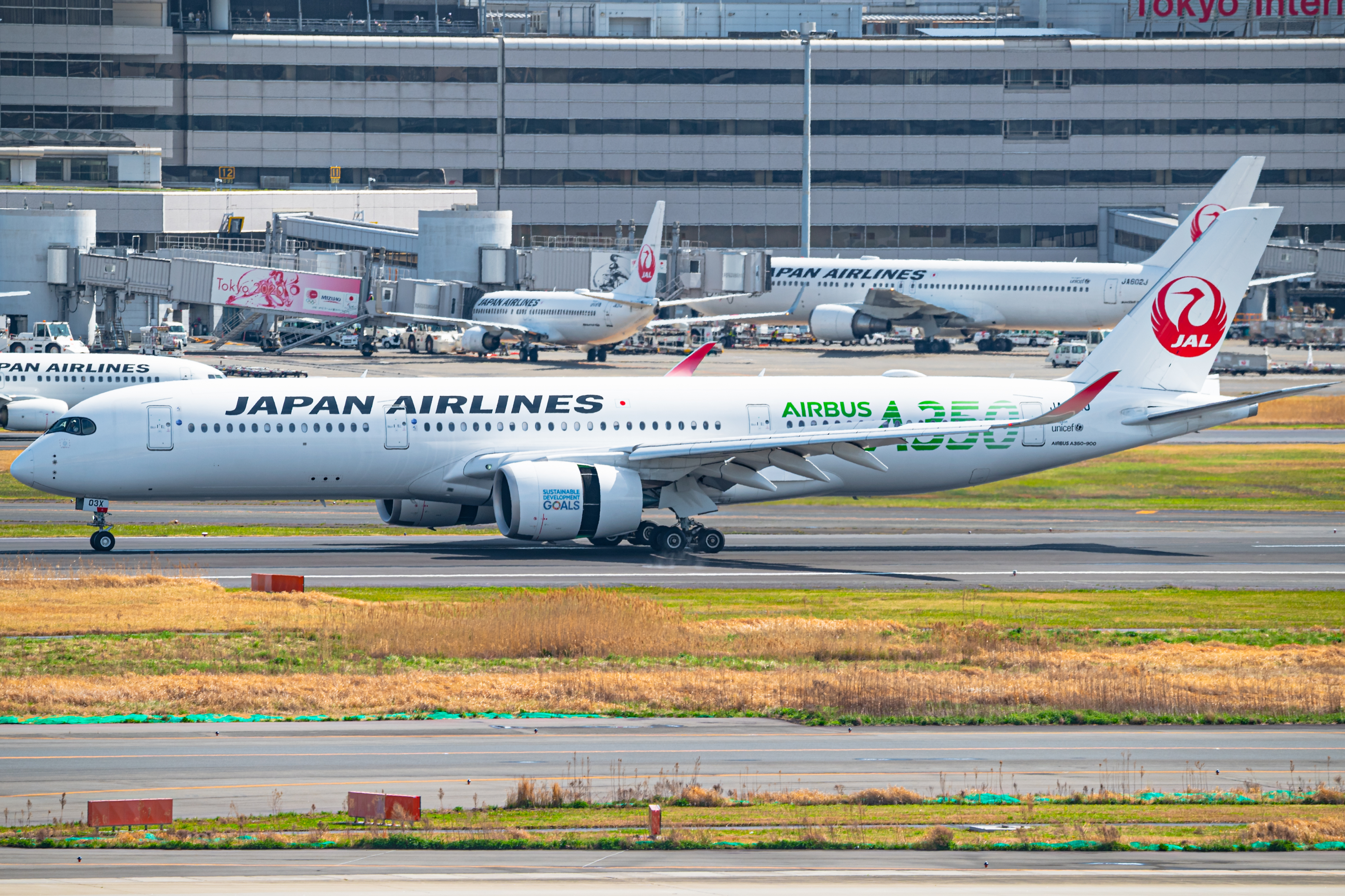
Based on Thomas's explanation, an accident such as JAL516 would not be factored into Japan Airlines' safety rank. The Airbus A350-900 collided with a smaller plane on the runway at Tokyo-Haneda (HND) and caught on fire. However, since the flight crew and passengers handled the incident well, there were zero casualties on the Japan Airlines flight. Geoffrey Thomas would most likely say that Japan Airlines separates itself as a good airline due to the flight crew's praise after handling the situation.

Top 20 Safest Airlines
In 2023, Airline Ratings ranked the following as the safest airlines. Geoffrey Thomas believes that these airlines stand out in the industry, as safety is prioritized. They continued investing in pilot training and pouring resources to ensure stored aircraft were ready to fly after COVID-19. In fact, "the safety margins between these top 20 airlines are very small - they are all outstanding airlines." Keep in mind that this list only includes major airlines. Budget airlines such as Ryan Air, Spirit Airlines, and Fly Dubai ranked at the top for safety as well.
- Qantas
- Air New Zealand
- Etihad
- Qatar Airways
- Singapore Airlines
- TAP Air Portugal
- Emirates
- Alaska Airlines
- EVA Air
- Virgin Australia
- Cathay Pacific
- Hawaiian Airlines
- Scandinavian Airlines (SAS)
- United Airlines
- Lufthansa (plus Swiss Group)
- Finnair
- British Airways
- KLM
- American Airlines
- Delta Air Lines

The Most Dangerous Airlines
Although Airline Ratings does not officially release a ranking or list for the most dangerous airlines, several have received one-star ratings. These airlines have also failed safety audits. Below is a ranking (not in order) of some of these airlines, which you may want to avoid, especially if you are afraid of flying.
- Nepal Airlines
- Lion Air
- Air Blue
- Blue Wing
- Pakistan International Airlines (PIA)
- Air Algerie
- Yeti Airlines
- PNG Air
- SCAT Airlines
- Sriwijaya Air
- Air Koryo
- Smartavia Airlines
- Ural Airlines
- UT Air
- Sudan Airways
- NOK Air Thailand
- Cubana Airlines
- Iran Aseman Airlines
- Buddha Air
- Afghan Ariana Airlines
Joby Aviation to Pay $116.9 Million in Trade Secrets Case » American Airlines Reportedly Planning to Bring Starlink Wi-Fi to Its Entire Mainline Fleet » Why Airliners Pump Nitrogen Into Their Fuel Tanks »
Comments (2)
 http://Boyarka-Inform.com/
[hidden]
[hidden]
http://Boyarka-Inform.com/
[hidden]
[hidden]
Add Your Comment
TAGS
INFORMATIONAL Safety Rankings Dangerous Japan AirlinesRECENTLY PUBLISHED
 US State Department Warns of Threats to Airlines and Airports in Saudi Arabia Following Deadly Houthi Attacks
The US State Department has issued a security alert for Saudi Arabia after Houthi air attacks on the kingdom killed three people and injured dozens more.
NEWS
READ MORE »
US State Department Warns of Threats to Airlines and Airports in Saudi Arabia Following Deadly Houthi Attacks
The US State Department has issued a security alert for Saudi Arabia after Houthi air attacks on the kingdom killed three people and injured dozens more.
NEWS
READ MORE »
 Southwest Airlines Becomes First US Carrier to Integrate Flight Booking Into ChatGPT
Southwest Airlines launches a first-of-its-kind ChatGPT plugin, allowing travelers to search and book flights directly through the AI platform.
NEWS
READ MORE »
Southwest Airlines Becomes First US Carrier to Integrate Flight Booking Into ChatGPT
Southwest Airlines launches a first-of-its-kind ChatGPT plugin, allowing travelers to search and book flights directly through the AI platform.
NEWS
READ MORE »
 Joby Aviation to Pay $116.9 Million in Trade Secrets Case
A federal jury found air taxi maker Joby Aviation liable for misappropriating trade secrets, awarding $116.9 million in damages to the plaintiff.
NEWS
READ MORE »
Joby Aviation to Pay $116.9 Million in Trade Secrets Case
A federal jury found air taxi maker Joby Aviation liable for misappropriating trade secrets, awarding $116.9 million in damages to the plaintiff.
NEWS
READ MORE »
More than just headlines.
Get unlimited ad-free access to in-depth aviation news, premium stories, and exclusive insights other sites don't cover.
- Ad-free browsing on AeroXplorer
- Unlimited access to premium and exclusive articles
- Higher photo upload limits & commissions on sales
- Free access to Jetstream Magazine on higher tiers
- Ad-free browsing
- Sell aviation photos with 60% commission
- First week free!
- Everything in Basic+
- Unlimited premium articles
- Sell aviation photos with 70% commission
- Free Digital subscription to Jetstream Magazine
- First week free!
- Everything in Basic+ and Pro
- Sell aviaiton photos with 80% commission
- Early access to exclusive stories
- Free Digital+Print subscription to Jetstream Magazine