
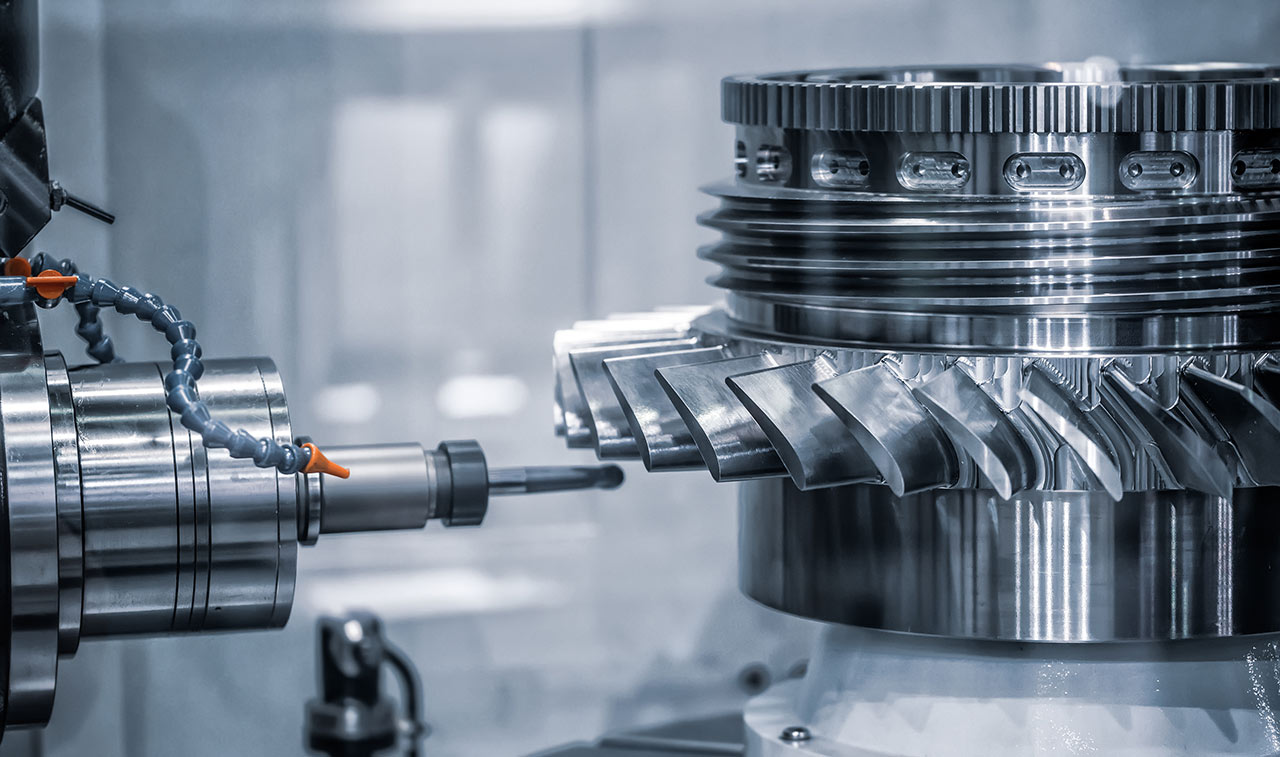
Aerospace CNC machining is essential to aircraft manufacturing because every component must meet exact dimensional requirements before it reaches final assembly. Aircraft are built from tens of thousands of parts, and a gap of even half a millimeter in a wing spar, engine mount, or structural bracket can change how stress travels through the airframe. CNC machining provides manufacturers with the repeatability needed to produce these components to extremely tight tolerances, helping them perform reliably during takeoff, cruise altitude, turbulence, and landing.
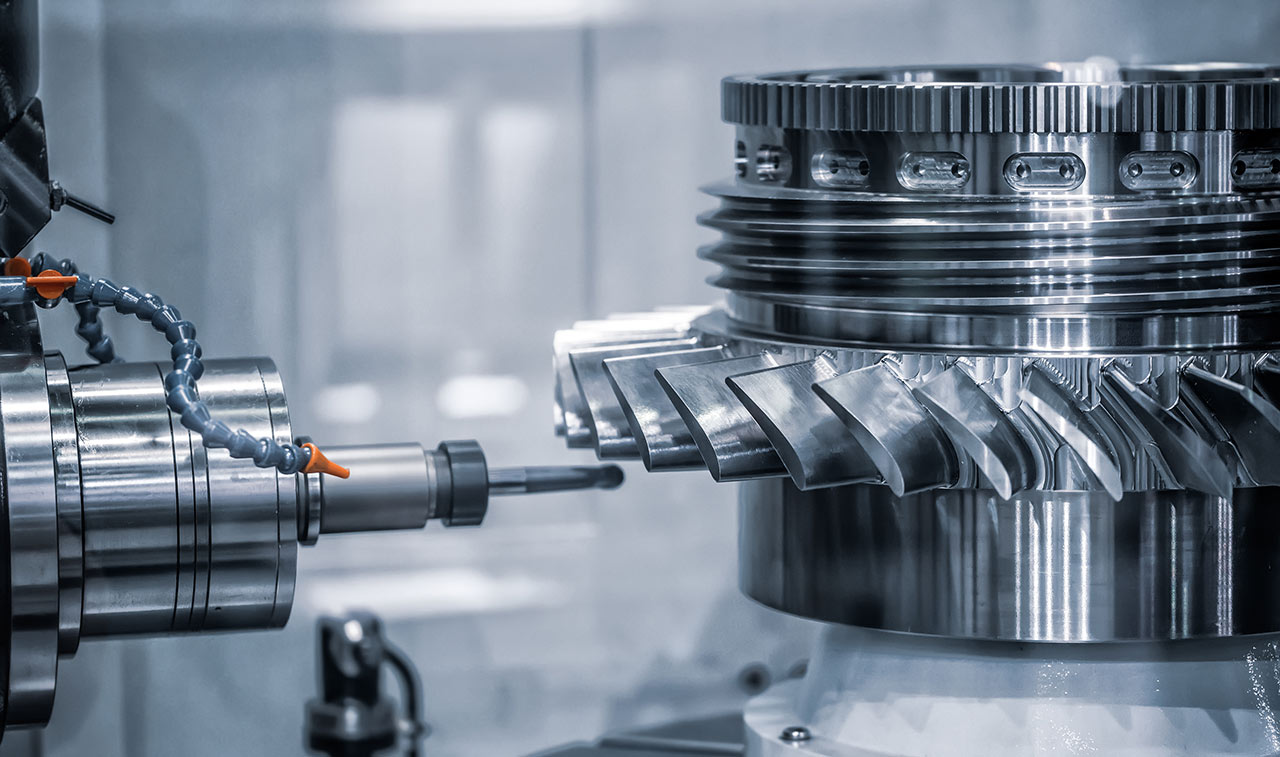
Precision machining is not about perfectionism for its own sake. It responds directly to the physical forces aircraft experience throughout their service life. Metal expands and contracts with temperature, vibrates under engine load, and fatigues after thousands of flight cycles. From the earliest design stages, aerospace machining processes must account for these conditions and reproduce exact specifications consistently across thousands of identical parts.
The Physics Behind Tight Tolerances In Flight
An aircraft in flight is subjected to constantly shifting loads. Wings flex upward during lift, the fuselage compresses and expands with cabin pressurization, and the landing gear absorbs sudden impact forces on touchdown. Every component has to handle these stresses without deforming beyond a predictable range, and that predictability depends on parts being manufactured to their intended dimensions.

When a part is even slightly out of specification, the way it distributes stress changes. A bolt hole drilled a fraction of a millimeter off center can create an uneven load path, concentrating stress in one spot rather than spreading it evenly. Over thousands of flight hours, that concentrated stress becomes a starting point for metal fatigue cracks, which is a primary concern in aviation safety. This is why manufacturers increasingly turn to specialists in aerospace CNC machining, since computer-controlled cutting tools can hold tolerances that manual machining simply cannot match consistently.
The repeatability of automated CNC machining means the tenth part off the production line matches the first one just as closely as engineering drawings require. This consistency becomes especially critical when a single aircraft model requires the same part produced by the thousands across its production run, each one needing to perform identically under load.
Materials That Demand Exacting Machining Standards
Aircraft are built from materials chosen for their strength-to-weight ratio, and many of these materials are notoriously difficult to machine precisely. Titanium alloys, for example, are prized for their durability but generate significant heat during cutting, which can warp a part if not managed carefully. Titanium CNC machining requires slower cutting speeds and specialized tool coatings to manage that heat buildup, since the metal conducts heat poorly and tends to harden the surface it contacts if a tool lingers too long in one spot. Aluminum alloys machine more easily but are softer, meaning fixtures must hold them firmly without introducing distortion.
Composite materials add another layer of complexity. Carbon fiber structures are built up in layers and cured under heat and pressure, and any subsequent machining, such as drilling holes for fasteners, has to avoid delaminating those layers. A drill bit moving at the wrong speed or angle can separate the composite layers invisibly, weakening the part without any obvious external sign of damage.
The Cockpit’s Next Revolution: When the Co-Pilot Is a Computer
Because of these material challenges, machinists often adjust cutting speeds, tool coatings, and cooling methods for each material type rather than using a single universal process. High precision CNC machining facilities typically dedicate separate tooling setups to each material family so a shift from aluminum to titanium does not compromise accuracy on either job. This customization is part of why aerospace parts take longer and cost more to produce than equivalent components in other industries, but it is also what allows the finished part to perform reliably under extreme conditions.
Why Geometry Pushes Manufacturing Beyond Simple Cutting
Many aircraft components are not simple blocks or flat plates. Turbine blades curve in three dimensions, brackets have angled mounting faces, and structural ribs often combine pockets, slots, and contoured edges on a single part. Producing shapes like these calls for complex CNC machining, where a single setup must account for varying wall thicknesses and non-uniform surfaces without letting the part shift out of position mid-cut.
This is where 5 axis CNC machining becomes valuable. Instead of a part being repositioned and reclamped for each new angle, a 5 axis machine tilts and rotates the cutting tool around the workpiece, reaching complex geometry in a single continuous operation. That reduces the number of times a part has to be removed and reset, and every reset introduces a small chance of misalignment, so fewer repositioning steps generally means tighter overall accuracy.
Reducing repositioning also cuts down on production time for parts with intricate geometry, which matters when a single aircraft can require hundreds of uniquely shaped brackets and housings. Fewer setups mean fewer opportunities for measurement drift between operations, which keeps the finished part closer to its original design intent.
How Assembly Tolerances Affect The Whole Airframe
Individual parts machined to precise dimensions still need to fit together correctly during assembly, and this is where tolerances compound. If ten parts are each slightly off in the same direction, those small deviations can add up into a noticeable misalignment across a wing or fuselage section. Engineers account for this by defining tolerance stacks, which map out how much variation an entire assembly can absorb before performance is affected.
Modern aircraft assembly relies on jigs and fixtures that hold parts in exact positions while they are joined, whether through riveting, bonding, or welding. These fixtures themselves must be manufactured and calibrated with precision, since a warped fixture will misalign every part built using it. Regular calibration checks are standard practice at aerospace production facilities for this reason.
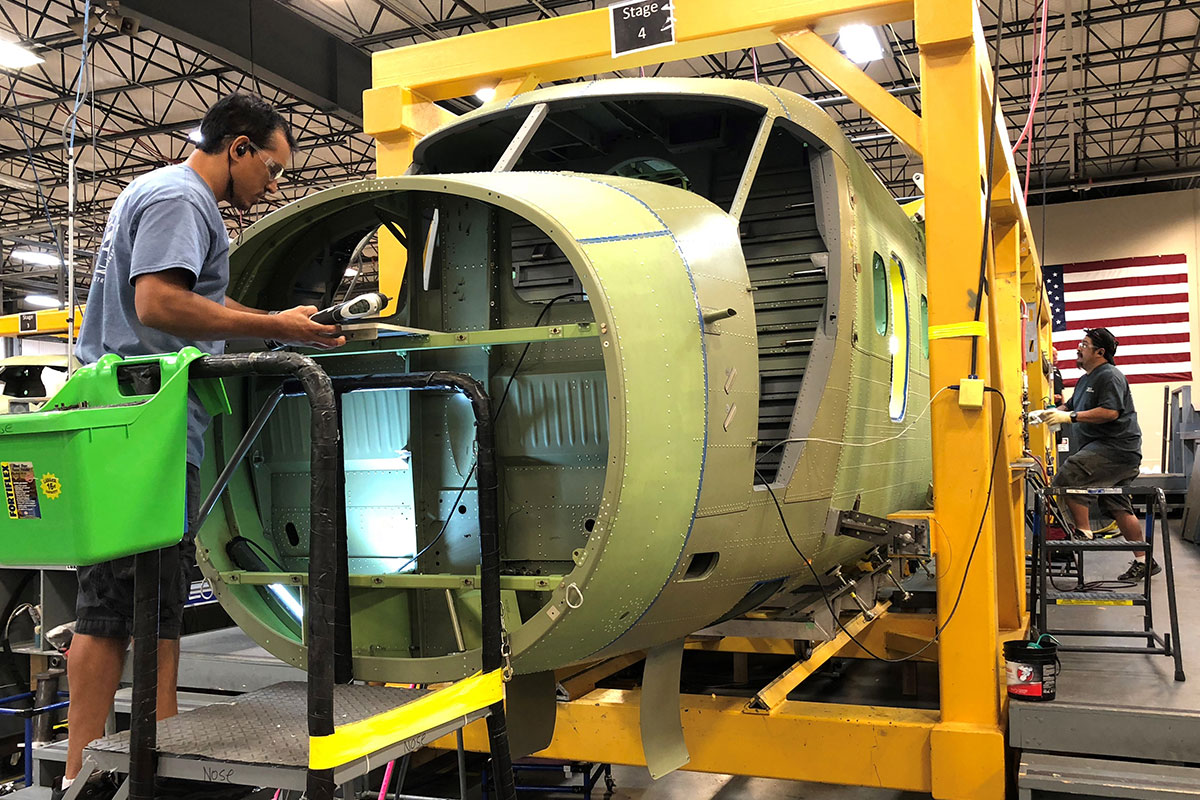
Digital measurement tools, including laser scanning and coordinate measuring machines, verify that assembled sections match design specifications before final approval. These checks catch discrepancies that would be invisible to the naked eye but could still affect how the aircraft handles stress once it is in service.
CNC Machining As A Controlled Foundation For Flight Safety
The exacting standards behind aircraft manufacturing exist because there is no room for guesswork when hundreds of lives depend on a structure performing exactly as designed, flight after flight. CNC machining provides the repeatable process control needed to manufacture complex components from titanium, aluminum, and composite materials within the specified tolerances.
Inspection and traceability reinforce that control throughout production. Measurements confirm that each finished part matches its design requirements, while documented machining and inspection processes make it possible to follow components through manufacturing and assembly. From cutting the first feature to verifying the completed airframe section, high-precision CNC machining helps turn millimeter-level accuracy into reliable aviation performance at thirty thousand feet.
Halon Was Supposed to Disappear. This Company Kept It Flying. » Southwest Airlines Becomes First US Carrier to Integrate Flight Booking Into ChatGPT » NetJets Expands US Footprint With Three New Private Terminals and Larger Palm Beach Facility »

Comments (0)
Add Your Comment
TAGS
INFORMATIONAL CNC Manufacturing Machining Engineering Flight TolerancesRECENTLY PUBLISHED
 NetJets Expands US Footprint With Three New Private Terminals and Larger Palm Beach Facility
NetJets announces exclusive-use terminals in Dallas, Washington, and Palm Beach, expanding private aviation infrastructure across key US markets.
NEWS
READ MORE »
NetJets Expands US Footprint With Three New Private Terminals and Larger Palm Beach Facility
NetJets announces exclusive-use terminals in Dallas, Washington, and Palm Beach, expanding private aviation infrastructure across key US markets.
NEWS
READ MORE »
 Army Report Points to Systemic Failures in Deadly Black Hawk Collision Near Reagan National
A new Army report identifies systemic failures behind the January collision between a UH-60L Black Hawk and American Airlines Flight 5342 near Washington.
NEWS
READ MORE »
Army Report Points to Systemic Failures in Deadly Black Hawk Collision Near Reagan National
A new Army report identifies systemic failures behind the January collision between a UH-60L Black Hawk and American Airlines Flight 5342 near Washington.
NEWS
READ MORE »
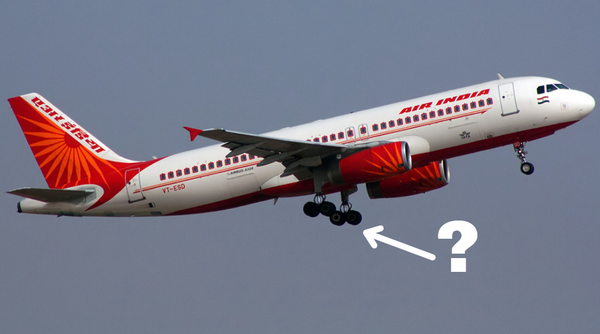 Why Did Some Air India A320s Have Extra Wheels? Bogie Gear Explained
Why Air India operated select Airbus A320s with an unusual bogie landing gear.
INFORMATIONAL
READ MORE »
Why Did Some Air India A320s Have Extra Wheels? Bogie Gear Explained
Why Air India operated select Airbus A320s with an unusual bogie landing gear.
INFORMATIONAL
READ MORE »
More than just headlines.
Get unlimited ad-free access to in-depth aviation news, premium stories, and exclusive insights other sites don't cover.
- Ad-free browsing on AeroXplorer
- Unlimited access to premium and exclusive articles
- Higher photo upload limits & commissions on sales
- Free access to Jetstream Magazine on higher tiers
- Ad-free browsing
- Sell aviation photos with 60% commission
- First week free!
- Everything in Basic+
- Unlimited premium articles
- Sell aviation photos with 70% commission
- Free Digital subscription to Jetstream Magazine
- First week free!
- Everything in Basic+ and Pro
- Sell aviaiton photos with 80% commission
- Early access to exclusive stories
- Free Digital+Print subscription to Jetstream Magazine