Search and rescue (SAR) operations, as the first line of defence in emergencies, have undergone a profound transformation with the integration of aircraft. This evolution is marked by a synthesis of precision, adaptability, and cutting-edge technology, shaping intricate procedures that enhance efficiency and increase the likelihood of successful outcomes.
Aerial Reconnaissance: The Eyes in the Skies
A cornerstone of SAR operations lies in the domain of aerial reconnaissance. Aircraft with state-of-the-art imaging systems, such as infrared and thermal cameras, are critical in searching for missing persons or distressed vessels. The 1972 Andes flight disaster is a historical testament to the pivotal nature of aerial surveillance, where fixed-wing aircraft and helicopters provided real-time data to locate survivors in remote landscapes.
Fixed-wing aircraft and helicopters conduct systematic scans over vast terrains, surmounting geographical challenges and providing real-time data to SAR teams. The Andes incident remains a poignant example of how aerial reconnaissance becomes the linchpin in pinpointing the location of survivors in remote and treacherous areas.

Moreover, advancements in satellite technology have augmented the aerial reconnaissance process. Satellite-based imagery provides a broader perspective, aiding in identifying potential search areas and streamlining aircraft deployment for more targeted efforts. This collaboration between aerial and satellite-based reconnaissance exemplifies the synergy achieved through technological integration.
Rotary-Wing Aircraft: Dynamic Assets in Complex Terrains
Rotary-wing aircraft, particularly helicopters, emerge as dynamic assets in SAR, offering unparalleled agility to access inaccessible or challenging terrains. The 2018 Tham Luang cave rescue in Thailand provides a poignant illustration of the intricacies involved in this process.

Helicopters, supported by divers and international rescue teams, navigated intricate cave systems, transporting personnel and equipment while providing indispensable aerial support. The success of this operation underscores the pivotal role helicopters play in accessing locations where traditional ground operations prove arduous.
The technological evolution of helicopters is noteworthy. Modern search and rescue helicopters are equipped with advanced avionics, night-vision capabilities, and rescue hoists, enhancing their ability to operate in diverse environments and challenging conditions. These enhancements extend the operational envelope of helicopters, making them versatile assets in SAR scenarios ranging from mountainous terrains to urban environments.

Logistical Lifelines: Swift Deployment and Resource Transport
Moving beyond reconnaissance, aircraft function as logistical lifelines in SAR missions. Historical examples, such as the 2010 Haiti earthquake response, spotlight the swift deployment of helicopters, cargo planes, and diverse aircraft types to transport rescue teams, medical supplies, and aid to affected areas. The logistical prowess of aircraft ensures the prompt arrival of SAR teams and essential resources, optimizing on-ground operations and bolstering the chances of successful outcomes in critical situations.
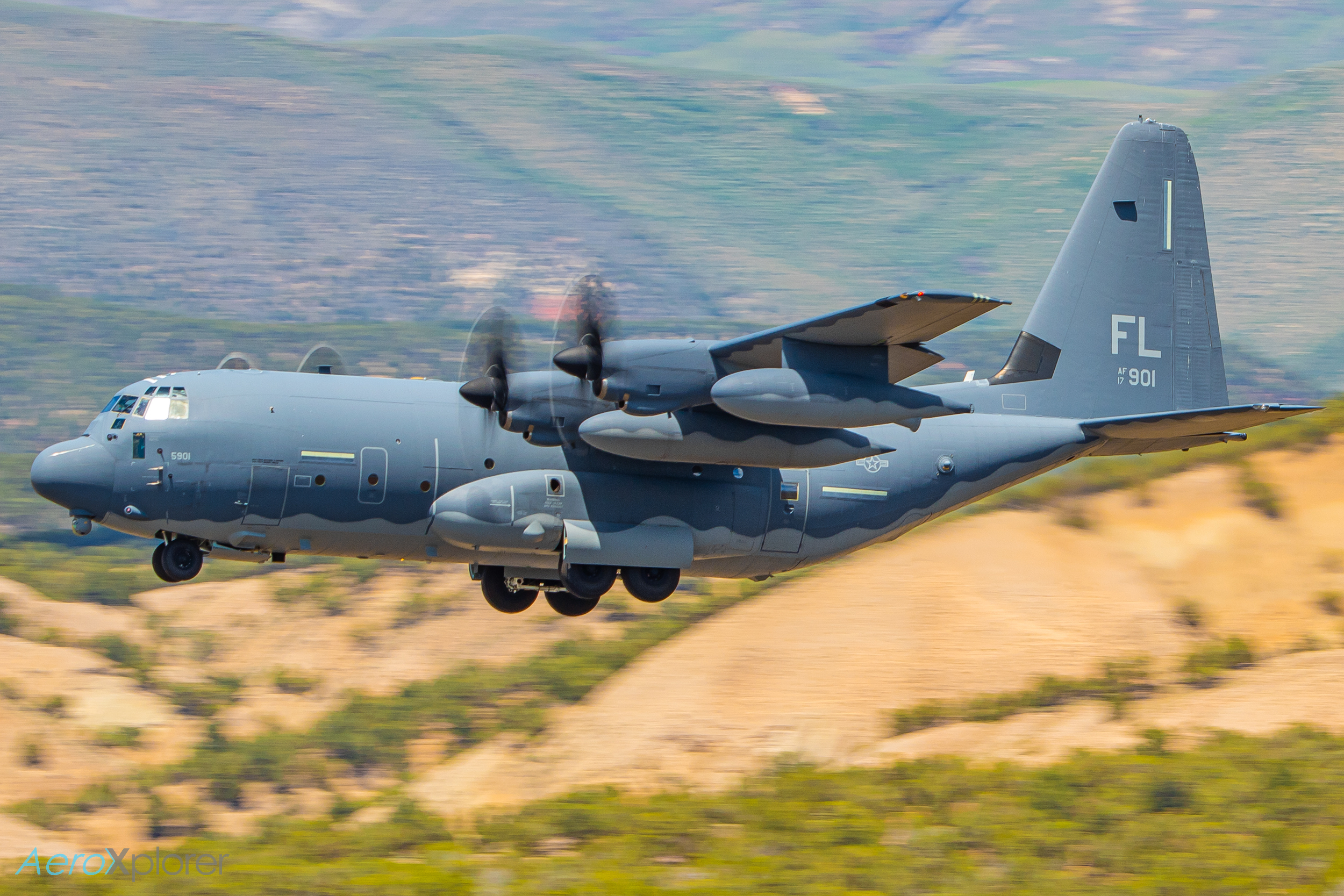
The evolution of cargo planes, such as the Lockheed C-130 Hercules, has enhanced SAR logistics. These aircraft have specialized airdrop systems, allowing them to deliver essential supplies to remote or inaccessible locations, including food, water, and medical equipment. In water-based emergencies, that same airdrop capability is often used to deploy a life raft to survivors before a rescue helicopter or vessel can reach them. Additionally, advancements in aeromedical evacuation capabilities enable these aircraft to serve as flying hospitals, facilitating the rapid evacuation of injured individuals from the scene of an incident to medical facilities.

Unmanned Aerial Vehicles (UAVs): Technological Frontiers in SAR
Unmanned Aerial Vehicles (UAVs) or drones emerge as technological frontrunners, introducing an additional layer of precision and safety to SAR processes. Drones with high-resolution cameras and sensors provide real-time data and operate in hazardous conditions without risking human lives. In scenarios like wildfires, drones can identify hotspots, locate missing individuals, and assess the extent of the blaze, offering invaluable support to traditional aerial and ground efforts.
The versatility of drones extends beyond reconnaissance. UAVs with payload delivery systems can transport emergency supplies, such as medical kits or communication devices, to isolated or inaccessible areas. This capability enhances the effectiveness of SAR missions, especially when immediate access is crucial.

Technological Advancements: A SAR Force Multiplier
Technological advancements, from satellite communication systems to GPS technology and sophisticated sensors, have revolutionized SAR coordination and execution. These tools facilitate more precise search patterns and enhance overall operational efficiency. Modern military aircraft, epitomized by the Lockheed C-130 Hercules, showcase adaptability for various SAR tasks, including medical evacuations, cargo drops, and personnel deployment, amplifying the multifaceted capabilities of aircraft in diverse scenarios.
Satellite communication systems enable real-time coordination between SAR teams on the ground and aircraft in the air. This seamless connectivity enhances situational awareness, allowing rapid adjustments to search patterns based on evolving information. GPS technology provides precise navigation, ensuring that aircraft can navigate complex terrains accurately, optimizing search efforts and reducing response times.

Sophisticated sensors empower aircraft with enhanced detection capabilities, including synthetic aperture radar (SAR) and electro-optical/infrared (EO/IR) systems. SAR systems can penetrate through vegetation and adverse weather conditions, revealing details that traditional visual methods might obscure. EO/IR systems provide high-resolution imagery, enabling SAR teams to identify and assess situations more effectively.
In medical evacuations, technological advancements in aeromedical systems have redefined the speed and efficiency with which injured individuals can be transported to medical facilities. Aeromedical evacuation platforms, equipped with advanced life support systems, enable in-flight medical care, expanding the golden hour—the critical window for successful medical intervention.

The Synergy of Human Ingenuity and Technological Prowess
The comprehensive role of aircraft in SAR operations unfolds through meticulous processes, technological advancements, and historical examples. Aerial reconnaissance, logistical support, and the integration of cutting-edge technologies position aircraft as indispensable assets in emergency response. As technology advances, aircraft stand poised to continue their vital role as aerial guardians, navigating challenges and saving lives through their unparalleled capabilities and precision processes.
The evolution of SAR operations, facilitated by aircraft, epitomizes the synergy between human ingenuity and technological prowess in preserving and protecting life. The intricate dance between the human factor—bravery, expertise, and resilience—and the technical dimension—innovations, advancements, and adaptability—creates a powerful continuum that ensures SAR operations are not only effective but are conducted with a human-centric approach, embodying the commitment to safeguarding lives in times of crisis.

As we look to the future, the trajectory of SAR operations intertwines with the ever-advancing tapestry of aviation technology, promising continued advancements that will further refine and amplify the capabilities of aerial guardians in the quest for human safety and well-being.
FAA Clears JetBlue's $58.5M Purchase of Spirit's LaGuardia Slots » Boeing's Touchscreen Flight Controls for 737 Draw Sharp Criticism from Pilots » The $30 Billion Question: Why America's Air Traffic Control Overhaul Keeps Getting More Expensive »

Comments (0)
Add Your Comment
TAGS
INFORMATIONAL Humanitarian Military C-130 Drones Air Force Natural Disaster War Helicopters TechnologyRECENTLY PUBLISHED
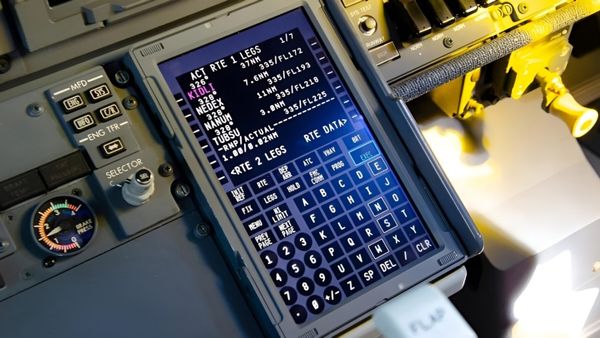 Boeing's Touchscreen Flight Controls for 737 Draw Sharp Criticism from Pilots
Boeing's plan to introduce Touchscreen Control Display Units on the 737 has sparked backlash from pilots who warn of safety and usability concerns.
NEWS
READ MORE »
Boeing's Touchscreen Flight Controls for 737 Draw Sharp Criticism from Pilots
Boeing's plan to introduce Touchscreen Control Display Units on the 737 has sparked backlash from pilots who warn of safety and usability concerns.
NEWS
READ MORE »
 Southwest Airlines Blames Brief System Outage for Boarding Delays and Checked Bag Disruptions
Southwest Airlines confirms a brief technology outage disrupted boarding and checked bag operations, forcing gate agents to process travelers manually.
NEWS
READ MORE »
Southwest Airlines Blames Brief System Outage for Boarding Delays and Checked Bag Disruptions
Southwest Airlines confirms a brief technology outage disrupted boarding and checked bag operations, forcing gate agents to process travelers manually.
NEWS
READ MORE »
 Southwest Airlines Considers Boeing 787 Order for Long-Haul International Expansion
Southwest Airlines is evaluating the Boeing 787 Dreamliner as it explores a shift into long-haul international flying, sources tell Reuters.
NEWS
READ MORE »
Southwest Airlines Considers Boeing 787 Order for Long-Haul International Expansion
Southwest Airlines is evaluating the Boeing 787 Dreamliner as it explores a shift into long-haul international flying, sources tell Reuters.
NEWS
READ MORE »
More than just headlines.
Get unlimited ad-free access to in-depth aviation news, premium stories, and exclusive insights other sites don't cover.
- Ad-free browsing on AeroXplorer
- Unlimited access to premium and exclusive articles
- Higher photo upload limits & commissions on sales
- Free access to Jetstream Magazine on higher tiers
- Ad-free browsing
- Sell aviation photos with 60% commission
- First week free!
- Everything in Basic+
- Unlimited premium articles
- Sell aviation photos with 70% commission
- Free Digital subscription to Jetstream Magazine
- First week free!
- Everything in Basic+ and Pro
- Sell aviaiton photos with 80% commission
- Early access to exclusive stories
- Free Digital+Print subscription to Jetstream Magazine