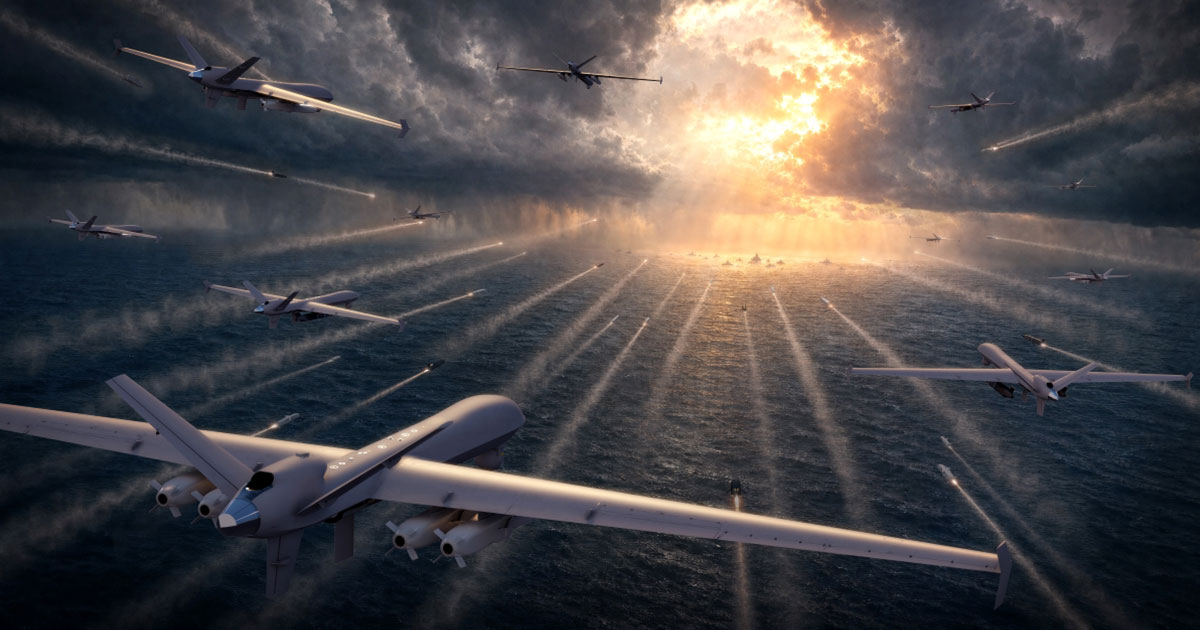
General Atomics Aeronautical Systems, Inc. has introduced a new unmanned aircraft system built specifically for wildfire response, marking a shift in how aerial firefighting could be conducted across military, civil, and commercial operations. The company revealed the platform this week, positioning it as a dedicated tool for a mission set that has grown more urgent as fire seasons lengthen and intensify worldwide.
The announcement identifies the aircraft as a purpose-built solution capable of supporting sustained aerial operations over active fire zones. For enthusiasts who have tracked GA-ASI's decades of work on platforms like the Predator and Reaper families, the move represents a notable pivot toward disaster response applications rather than pure defense missions.
A Platform Designed Around the Mission
According to GA-ASI, the new UAS carries the designation of a wildfire-specific aircraft, engineered to address the operational demands that firefighting agencies have long struggled to meet with manned assets alone. Wildfires present a hostile environment for aircrews. Thick smoke, unpredictable thermals, and the need for round-the-clock coverage make unmanned systems a logical fit.
The company frames the aircraft as suitable for a broad customer base. Military units tasked with domestic response, civil agencies such as forestry departments and emergency management organizations, and commercial operators contracted to support firefighting efforts all fall within the intended user set.
David R. Alexander, president of GA-ASI, addressed the reasoning behind the launch in the company's official statement. "We recognize the growing global threat of wildfires and the urgent need for advanced solutions to combat them," Alexander said.
"Our tailor-designed, attrition-tolerant Wildfire balances the high capability our aircraft are known for with huge flexibility and great scalability. There’s never been anything like it before."
What the Aircraft Brings to the Fight
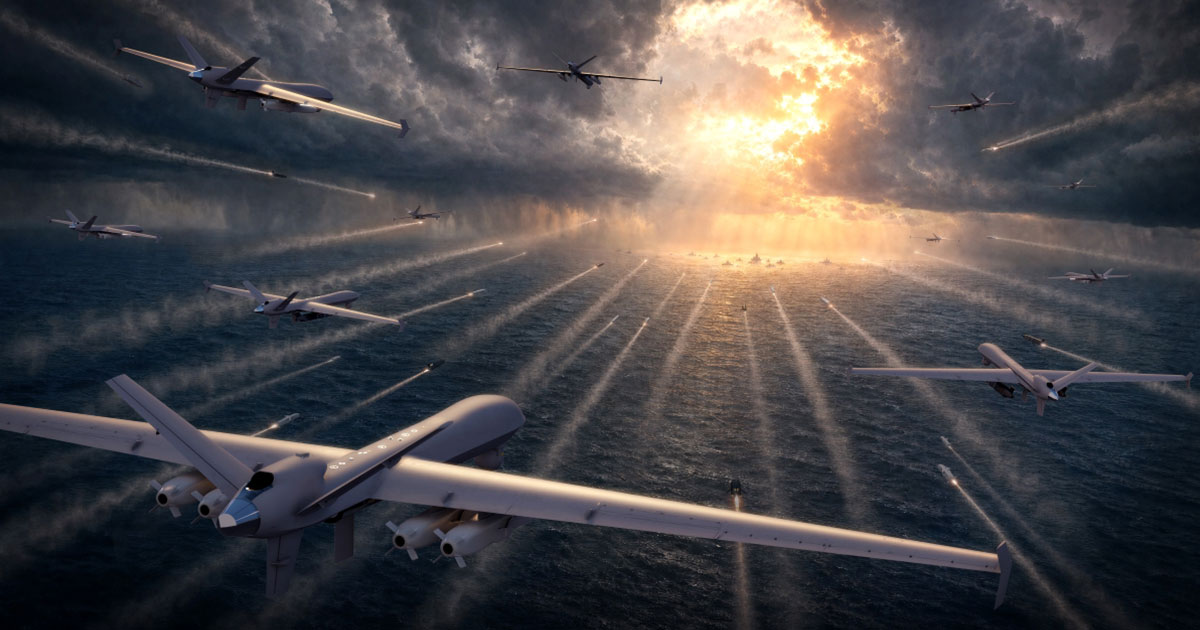
The Wildfire UAS is designed to deliver persistent surveillance over fire zones, giving incident commanders continuous situational awareness that manned aircraft cannot sustain across long shifts. This capability matters because wildfire behavior can shift rapidly. A flare-up in a canyon or a wind change along a ridgeline can turn a contained perimeter into a threat within minutes.
GA-ASI emphasizes that the platform supports real-time data collection and transmission. Sensor payloads relay information directly to ground teams, allowing crews on the fire line to make decisions based on current conditions rather than reports that may already be hours old. For agencies coordinating multiple resources across large incidents, this feed can shape everything from evacuation timing to retardant drop planning.
The aircraft is also intended to operate in conditions that would ground manned assets. Night operations, smoke-obscured airspace, and prolonged loiter requirements all fall within its design envelope. These are the exact conditions in which fires often gain ground uncontested because traditional air tankers and helicopters must return to base.
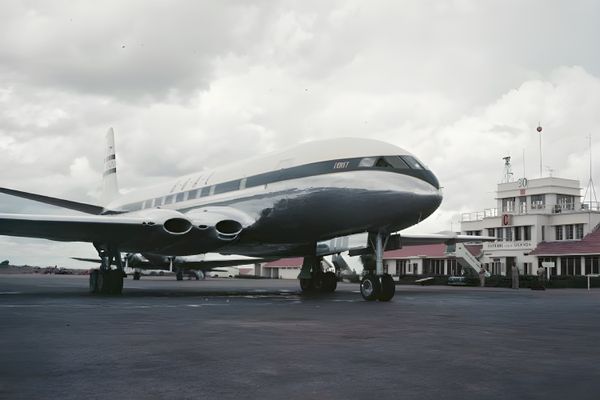
The Shape of Disaster: The Plane That Kept Falling Apart Mid-Air
Bridging Military Heritage and Civilian Need
GA-ASI has spent years adapting its unmanned platforms for missions beyond conventional strike and reconnaissance roles. The company's MQ-9 has been used to support wildfire monitoring in California through partnerships with the National Guard and the California Department of Forestry and Fire Protection. Those deployments demonstrated the value of long-endurance unmanned aircraft in fire operations but also revealed the constraints of using systems built primarily for military missions.
The Wildfire UAS appears to address those constraints directly. By designing an aircraft around the specific requirements of fire response, GA-ASI can optimize endurance profiles, sensor integration, and communications architecture for the mission rather than adapting hardware built for other purposes.
Alexander's statement continued with a broader framing of the company's intent. "We are committed to leveraging our expertise in unmanned aircraft systems to make a meaningful impact in the fight against wildfires," he said. “By providing our customers with the most advanced and reliable UAS technology, we aim to help them save lives and protect communities from the devastating effects of these disasters.”
Market Timing and Operational Reality
The timing of the launch reflects conditions on the ground across multiple continents. Fire seasons in the western United States, southern Europe, Australia, and parts of South America have produced record acreage losses and mounting property damage over the past several years. Agencies at every level have called for expanded aerial capacity, and unmanned systems have moved from experimental use to operational demand.
Commercial operators represent a segment worth watching. Private contractors already provide much of the aerial support that state and federal agencies rely on during peak fire activity. A purpose-built unmanned platform gives those operators a way to expand service offerings without the crew costs and flight-hour limitations that manned aircraft impose.
Civil agencies face different pressures. Budget constraints, pilot shortages, and aging fleets have created gaps in coverage that unmanned aircraft could fill. A platform certified for civil airspace operations and priced within reach of state forestry budgets could reshape how those agencies plan their aerial resources.
What Comes Next
GA-ASI has not disclosed a full timeline for fielding the Wildfire UAS or named specific launch customers. The company's announcement focused on the aircraft's introduction and its intended mission profile rather than production schedules or pricing. Enthusiasts and industry observers can expect additional details as GA-ASI moves the platform through demonstration and certification phases.
The introduction signals a broader trend. Unmanned aircraft are moving beyond their military origins into roles where their endurance, sensor capacity, and operational flexibility address problems that manned aviation cannot solve alone. Wildfire response may prove to be one of the clearest examples of that transition.
Rolls-Royce Launches Serial Production of Pearl 10X Engine for Dassault's Falcon 10X » Ambulances Meet Eurowings Jet From Rhodes After Passengers Feel Unwell in Flight » Why Does the Boeing 777-300ER Have Black Lines on Its Wings? »

Comments (0)
Add Your Comment
TAGS
NEWS GA-ASI Wildfire UAS Aerial Firefighting Unmanned Aircraft Drone Technology Firefighting Innovation Emergency Response Aviation News Public Safety Defense TechnologyRECENTLY PUBLISHED
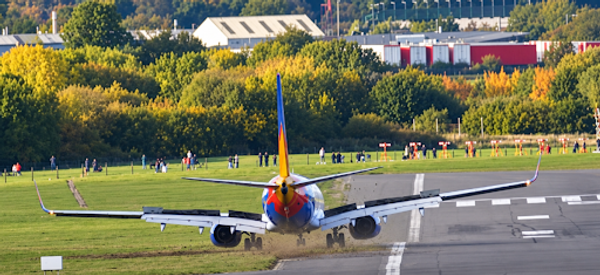 Jet2 Boeing 737 Veers Off Birmingham Airport Runway During Landing
A Jet2 Boeing 737-800 veered off the left side of the runway at Birmingham Airport after landing on Sunday, October 25, as Storm Boelo brought strong winds to the UK.
NEWS
READ MORE »
Jet2 Boeing 737 Veers Off Birmingham Airport Runway During Landing
A Jet2 Boeing 737-800 veered off the left side of the runway at Birmingham Airport after landing on Sunday, October 25, as Storm Boelo brought strong winds to the UK.
NEWS
READ MORE »
 This Week in Aviation: The 10 Stories That Mattered Most
From major airline developments to aircraft updates and industry shifts, this weekly recap highlights the ten most-read aviation stories from the week of October 18.
INFORMATIONAL
READ MORE »
This Week in Aviation: The 10 Stories That Mattered Most
From major airline developments to aircraft updates and industry shifts, this weekly recap highlights the ten most-read aviation stories from the week of October 18.
INFORMATIONAL
READ MORE »
 Jet2 Boeing 737 Veers Off Birmingham Airport Runway During Landing
A Jet2 Boeing 737-800 veered off the runway at Birmingham Airport during landing, prompting emergency crews to respond.
NEWS
READ MORE »
Jet2 Boeing 737 Veers Off Birmingham Airport Runway During Landing
A Jet2 Boeing 737-800 veered off the runway at Birmingham Airport during landing, prompting emergency crews to respond.
NEWS
READ MORE »
More than just headlines.
Get unlimited ad-free access to in-depth aviation news, premium stories, and exclusive insights other sites don't cover.
- Ad-free browsing on AeroXplorer
- Unlimited access to premium and exclusive articles
- Higher photo upload limits & commissions on sales
- Free access to Jetstream Magazine on higher tiers
- Ad-free browsing
- Sell aviation photos with 60% commission
- First week free!
- Everything in Basic+
- Unlimited premium articles
- Sell aviation photos with 70% commission
- Free Digital subscription to Jetstream Magazine
- First week free!
- Everything in Basic+ and Pro
- Sell aviaiton photos with 80% commission
- Early access to exclusive stories
- Free Digital+Print subscription to Jetstream Magazine