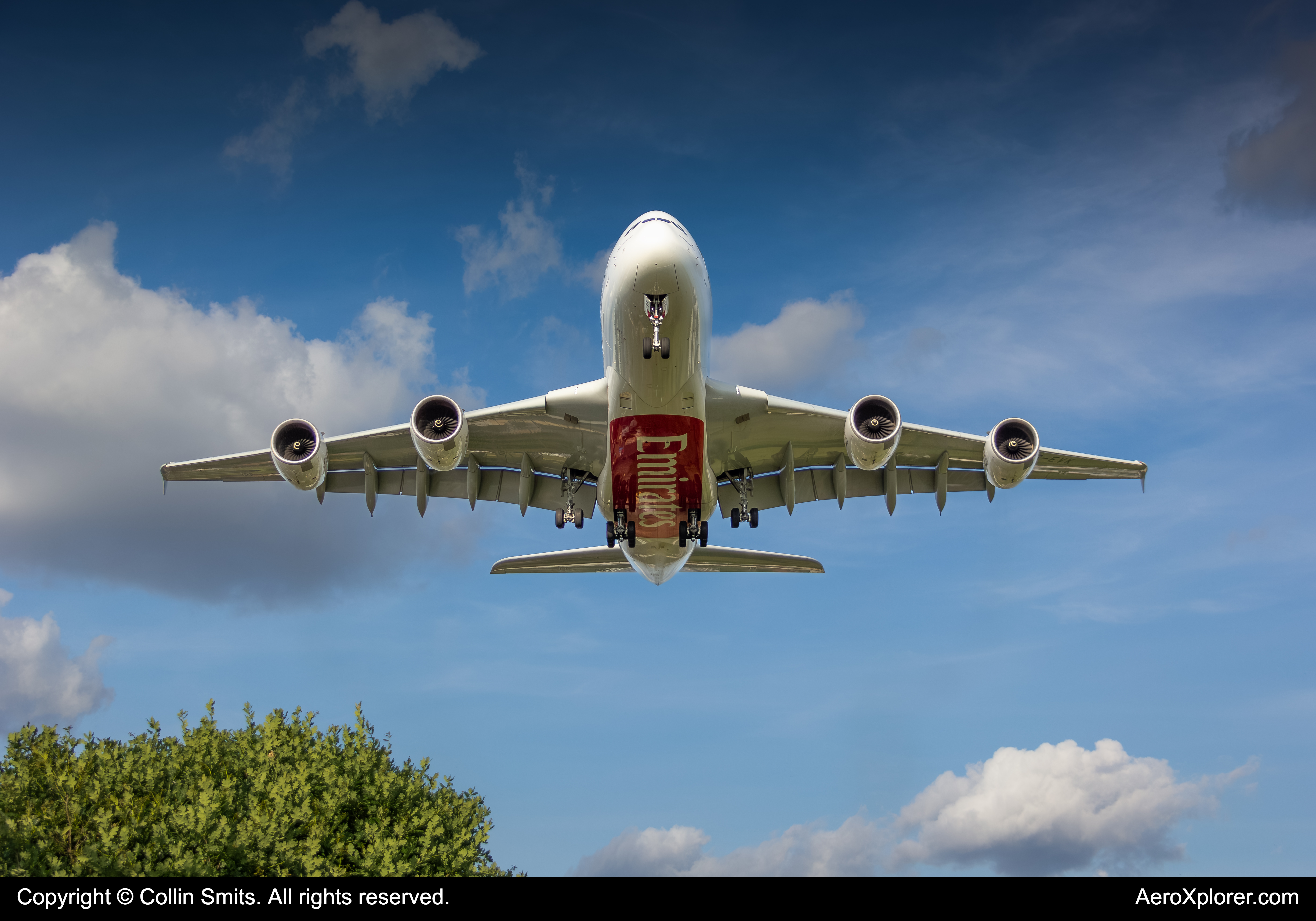

What began as a routine weather diversion turned into a nearly 24-hour ordeal for 373 passengers aboard an Emirates Airbus A380, after a cascade of compounding problems – an expiring crew, a technical fault, international border procedures, and a failing air conditioning system – left travelers trapped inside the aircraft on a sweltering Chinese tarmac for more than ten hours overnight.

The Diversion to Hangzhou
Emirates flight EK302 departed Dubai International Airport at 2:50 AM on July 22, 2026 – already five hours late – and was operating as a scheduled service to Shanghai Pudong International Airport. As the A380, registered A6-EDV, approached Shanghai in the evening hours, severe thunderstorms closed in on Pudong, forcing the crew to hold near Nanjing before eventually diverting to Hangzhou Xiaoshan International Airport, approximately 177 kilometers southwest of Shanghai.
The plan was straightforward: wait for the Shanghai weather to clear, then complete the short hop to Pudong. It did not work out that way.
One Problem After Another
As the delay stretched on, the weather over Shanghai took longer to improve than Emirates' meteorologists had anticipated. The longer the aircraft sat on the ground in Hangzhou, the more the crew's legally permitted duty hours eroded. By the time Shanghai conditions improved sufficiently, the flight crew that had operated the service from Dubai had timed out and could no longer legally fly the aircraft.
Emirates arranged for a replacement crew to travel from Shanghai to Hangzhou – but that took time, and by the time they arrived and completed pre-departure preparations, the A380 was ready to depart again.
Then a technical fault was discovered. The replacement crew found a problem with the aircraft that made departure impossible. Only at this point did Emirates abandon its plan to complete the flight to Shanghai. Local authorities, who had until then declined to allow passengers to disembark due to Chinese immigration and border control procedures, finally relented. The first passengers stepped off the aircraft after approximatey ten hours after landing in Hangzhou. The last passengers disembarked at around 9:00 AM – marking nearly 24 hours since the flight had departed Dubai.

Heat, Fainting, and Fear in the Cabin
The physical conditions inside the aircraft deteriorated significantly during the overnight delay. Passengers reported that the air conditioning ceased to function effectively in the early hours of the morning – a claim Emirates has not formally confirmed, with the airline attributing the extended disruption to a technical fault without specifying which system was affected.
Regardless, cabin temperatures rose to uncomfortable levels. Videos and photographs shared on Chinese social media showed passengers fanning themselves with magazines and gathering near open cabin areas. Local emergency services were seen attending the aircraft at multiple points during the delay. At least two passengers fainted during the ordeal and required assistance.
Throughout the night, passengers described receiving little communication from Emirates about when they would be allowed to leave, with the departure timeline shifting repeatedly as each successive plan fell through.
How International Border Rules Made It Worse
A complicating factor throughout the delay was the immigration status of passengers on an international arrival that no airport had prepared to receive. Chinese border authorities require international passengers to pass through immigration before entering the country, a process that requires staffing, facilities, and documentation that Hangzhou was not immediately equipped to provide for 373 unexpected international arrivals in the middle of the night.
A domestic Chinese flight that diverted to Hangzhou fifteen minutes before the Emirates jet was allowed to disembark passengers immediately – a stark contrast that underscores how the international status of EK302 compounded the delay.

Only Way Out: Private Aviation in a Region at War
Emirates' Response
Emirates apologized on the evening of July 23 and confirmed it had arranged meals, hotel accommodation, and coach transportation to Shanghai for all affected passengers. Those who wished to proceed immediately were offered a two-and-a-half-hour bus transfer to Shanghai at the airline's expense.
The aircraft itself remained grounded in Hangzhou until July 24 before returning empty to Dubai, resuming service on July 25.
The incident has renewed debate about passenger protection rules for international diversions, and whether airlines have a duty – beyond local regulations – to ensure passengers can disembark within a reasonable timeframe regardless of which country the aircraft finds itself in.
US State Department Warns of Threats to Airlines and Airports in Saudi Arabia Following Deadly Houthi Attacks » Southwest Airlines Becomes First US Carrier to Integrate Flight Booking Into ChatGPT » Why Did Some Air India A320s Have Extra Wheels? Bogie Gear Explained »
Comments (0)
Add Your Comment
TAGS
NEWS Emirates Emirates A380 Diversion Weather DiversionRECENTLY PUBLISHED
 NetJets Expands US Footprint With Three New Private Terminals and Larger Palm Beach Facility
NetJets announces exclusive-use terminals in Dallas, Washington, and Palm Beach, expanding private aviation infrastructure across key US markets.
NEWS
READ MORE »
NetJets Expands US Footprint With Three New Private Terminals and Larger Palm Beach Facility
NetJets announces exclusive-use terminals in Dallas, Washington, and Palm Beach, expanding private aviation infrastructure across key US markets.
NEWS
READ MORE »
 Army Report Points to Systemic Failures in Deadly Black Hawk Collision Near Reagan National
A new Army report identifies systemic failures behind the January collision between a UH-60L Black Hawk and American Airlines Flight 5342 near Washington.
NEWS
READ MORE »
Army Report Points to Systemic Failures in Deadly Black Hawk Collision Near Reagan National
A new Army report identifies systemic failures behind the January collision between a UH-60L Black Hawk and American Airlines Flight 5342 near Washington.
NEWS
READ MORE »
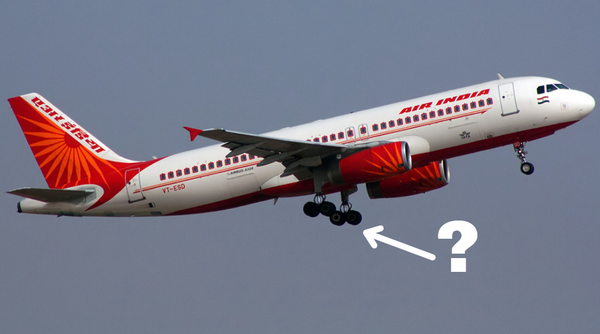 Why Did Some Air India A320s Have Extra Wheels? Bogie Gear Explained
Why Air India operated select Airbus A320s with an unusual bogie landing gear.
INFORMATIONAL
READ MORE »
Why Did Some Air India A320s Have Extra Wheels? Bogie Gear Explained
Why Air India operated select Airbus A320s with an unusual bogie landing gear.
INFORMATIONAL
READ MORE »
More than just headlines.
Get unlimited ad-free access to in-depth aviation news, premium stories, and exclusive insights other sites don't cover.
- Ad-free browsing on AeroXplorer
- Unlimited access to premium and exclusive articles
- Higher photo upload limits & commissions on sales
- Free access to Jetstream Magazine on higher tiers
- Ad-free browsing
- Sell aviation photos with 60% commission
- First week free!
- Everything in Basic+
- Unlimited premium articles
- Sell aviation photos with 70% commission
- Free Digital subscription to Jetstream Magazine
- First week free!
- Everything in Basic+ and Pro
- Sell aviaiton photos with 80% commission
- Early access to exclusive stories
- Free Digital+Print subscription to Jetstream Magazine