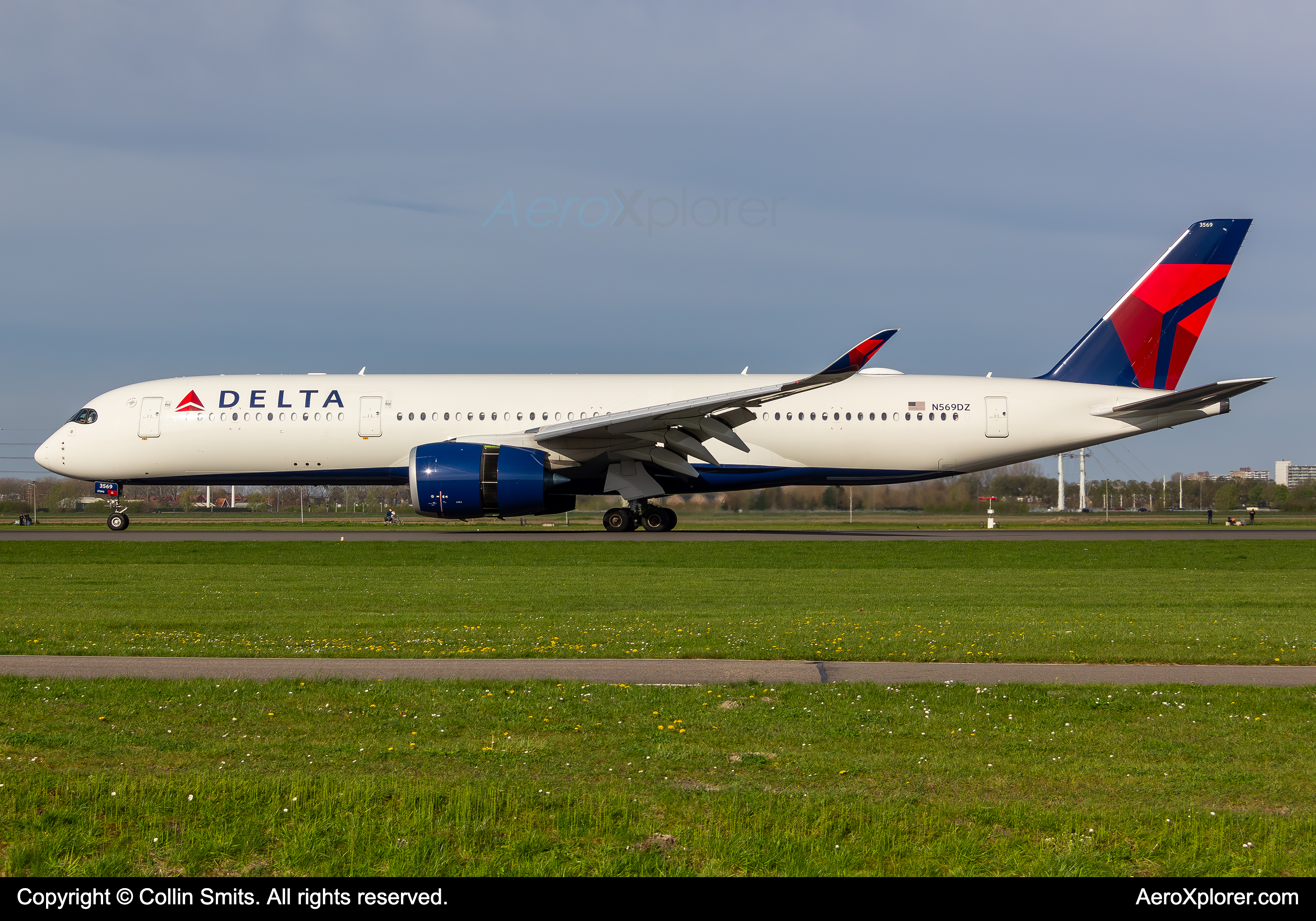

Delta Air Lines Chief Executive Officer Ed Bastian has attributed persistent high domestic airfares partly to congestion within the United States air traffic control system, arguing that structural limitations at the Federal Aviation Administration have forced carriers to cap capacity and kept ticket prices elevated.

What Bastian Said
Speaking to Fox Business, Bastian framed ATC congestion as a key structural barrier to lower fares.
"People ask me all the time, what's happening with prices? Prices will come down when we can fly more, when there's more supply, it's a supply and demand. Right now we're kind of logjammed. There's not a lot of supply we can bring in because the air traffic control system is congested. As you open up the skies, and you bring more flow, that's going to help bring pricing down and enable us to bring more people to more places."
However, Bastian was clear that the primary driver of the recent fare spike was the Iran conflict. Following the war in Iran and the closure of the Strait of Hormuz, oil prices surged, forcing airlines to raise ticket prices. "I think the initial shock, you know, prices went up about 10 to 15%, not just [at] Delta, across the airline industry. And I think that was probably the right level,"
Bastian said.
Delta itself absorbed nearly $2 billion in additional energy costs during that period. Industry-wide, fares are up approximately 20% compared to the same point last year, with fuel costs accounting for the majority of that increase.
The Air Traffic Control Bottleneck
The FAA has faced documented staffing shortfalls at its air traffic control facilities for years. Training pipelines slowed during the pandemic, and the agency has struggled to replace retiring controllers. Key facilities, including those handling traffic in the New York metropolitan area, have operated below recommended staffing levels, and the shortfalls were further exacerbated during federal government shutdowns.
Those shortfalls have translated into ground delay programs, reduced arrival rates at major hubs, and slot restrictions. Bastian's argument is that these constraints have become a fixed structural feature of the operating environment, compounding the fare pressure already created by high fuel costs.
What This Means for Travelers
If you have noticed that flights cost more than they did a year ago, you are not imagining it. Industry-wide fares are up approximately 20% year-on-year, driven primarily by the Iran conflict and elevated fuel costs, with ATC constraints adding further pressure on domestic capacity. Fewer available seats on constrained routes mean that demand-driven fare algorithms push prices higher.
The implications extend beyond Delta. American Airlines, United Airlines, and other major carriers operate within the same airspace system and face the same FAA-imposed limits. If Bastian's analysis is correct, fare pressure is likely to persist across the industry until controller staffing and system modernization catch up with demand, and until oil prices stabilize at lower levels.

The Road Ahead
Resolving air traffic control congestion will not happen quickly. Training a fully certified controller takes years, and modernizing the underlying technology requires sustained federal investment. Congress has appropriated funds for FAA hiring and equipment upgrades, but the benefits will take time to filter through to operational capacity.
For now, the supply and demand imbalance Bastian describes is likely to remain a fixture of the domestic market. Whether the FAA can rebuild capacity quickly enough to ease the pressure – and whether the Iran peace deal holds and fuel costs continue to fall, remains an open question that will shape the cost of air travel in the United States for years to come.
Delta Passenger Arrested After Allegedly Stealing Airport Tug » KLM Brings Starlink Internet to Long-Haul Flights » Southwest Airlines Becomes First US Carrier to Integrate Flight Booking Into ChatGPT »
Comments (0)
Add Your Comment
TAGS
NEWS Delta Ed Bastian Congested Air Traffic Control ATC ShortageRECENTLY PUBLISHED
 NetJets Expands US Footprint With Three New Private Terminals and Larger Palm Beach Facility
NetJets announces exclusive-use terminals in Dallas, Washington, and Palm Beach, expanding private aviation infrastructure across key US markets.
NEWS
READ MORE »
NetJets Expands US Footprint With Three New Private Terminals and Larger Palm Beach Facility
NetJets announces exclusive-use terminals in Dallas, Washington, and Palm Beach, expanding private aviation infrastructure across key US markets.
NEWS
READ MORE »
 Army Report Points to Systemic Failures in Deadly Black Hawk Collision Near Reagan National
A new Army report identifies systemic failures behind the January collision between a UH-60L Black Hawk and American Airlines Flight 5342 near Washington.
NEWS
READ MORE »
Army Report Points to Systemic Failures in Deadly Black Hawk Collision Near Reagan National
A new Army report identifies systemic failures behind the January collision between a UH-60L Black Hawk and American Airlines Flight 5342 near Washington.
NEWS
READ MORE »
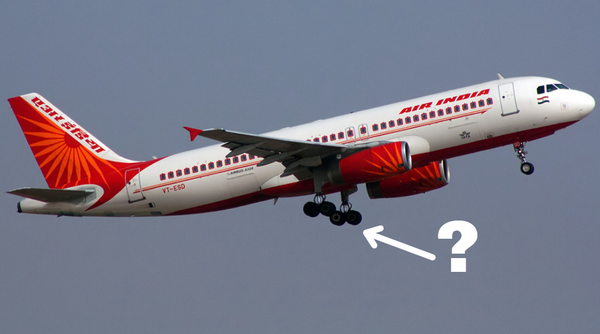 Why Did Some Air India A320s Have Extra Wheels? Bogie Gear Explained
Why Air India operated select Airbus A320s with an unusual bogie landing gear.
INFORMATIONAL
READ MORE »
Why Did Some Air India A320s Have Extra Wheels? Bogie Gear Explained
Why Air India operated select Airbus A320s with an unusual bogie landing gear.
INFORMATIONAL
READ MORE »
More than just headlines.
Get unlimited ad-free access to in-depth aviation news, premium stories, and exclusive insights other sites don't cover.
- Ad-free browsing on AeroXplorer
- Unlimited access to premium and exclusive articles
- Higher photo upload limits & commissions on sales
- Free access to Jetstream Magazine on higher tiers
- Ad-free browsing
- Sell aviation photos with 60% commission
- First week free!
- Everything in Basic+
- Unlimited premium articles
- Sell aviation photos with 70% commission
- Free Digital subscription to Jetstream Magazine
- First week free!
- Everything in Basic+ and Pro
- Sell aviaiton photos with 80% commission
- Early access to exclusive stories
- Free Digital+Print subscription to Jetstream Magazine