

Gulf carriers are working to rebuild schedules and restore traveler confidence after the recent conflict involving Iran forced widespread airspace closures across the Middle East. Airlines including Emirates, Qatar Airways, and Etihad Airways have begun adding capacity back into their networks as conditions stabilize, though the recovery is uneven across routes.
If you are planning to travel through Dubai, Doha, or Abu Dhabi in the coming weeks, you can expect most long-haul services to operate close to normal. Some regional flights remain subject to rerouting, longer block times, and occasional last-minute changes.
What happened during the downturn
Middle East carriers absorbed a sharp drop in bookings during the height of the conflict, when missile exchanges and retaliatory strikes prompted temporary closures of airspace over Iran, Iraq, Syria, Jordan, and parts of the Gulf. Flights were diverted, canceled, or rerouted over longer paths, pushing up fuel burn and crew costs. Insurance premiums for operations in the region also climbed.
According to industry reporting, the three largest Gulf carriers saw passenger numbers fall during the peak disruption period, with traffic on routes connecting Europe, South Asia, and East Asia hit hardest. Transit hubs in the Gulf depend heavily on sixth-freedom traffic, and any disruption to airspace access affects connection times and onward bookings.

How the recovery is taking shape
Airlines have restored most of the schedules that were trimmed during the worst of the disruption. Emirates has reinstated frequencies on key European and Asian routes, while Qatar Airways resumed operations to destinations that had been suspended when Iranian airspace was closed. Etihad has continued its expansion plan, adding new routes despite the broader regional turbulence.
Carriers are also pursuing targeted promotions to draw back leisure travelers who delayed or rerouted trips. Corporate traffic, which tends to recover more slowly after security events, is returning at a steadier pace, particularly on business-heavy routes between the Gulf and Europe.
Operationally, airlines are still navigating around restricted airspace in some corridors. That means flight times on certain routes remain longer than pre-conflict norms, with some westbound services adding extra minutes due to detours around affected zones.
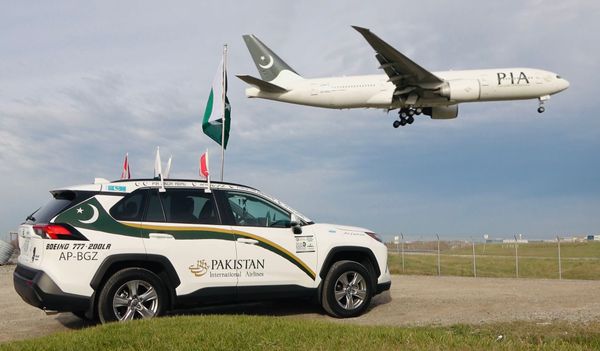
A 777 on Four Wheels? Inside One Superfan’s Mission to Celebrate His Favorite Airline
What travelers should know
If you hold a ticket on a Gulf carrier, check your flight status before heading to the airport. Schedules have been adjusted multiple times in recent months, and departure times may differ from what was originally booked. Most carriers are offering flexible rebooking policies for tickets affected by ongoing changes.
For connecting passengers, allow extra time at hub airports. Longer flight times on some segments have compressed connection windows, particularly for travelers transiting between Asia and Europe through Dubai or Doha.
Travel insurance policies vary in how they treat disruptions tied to regional conflict. Review your coverage before departure, and confirm whether your policy includes provisions for missed connections or canceled flights resulting from airspace restrictions.

Gulf carrier operations
The table below shows a snapshot of representative flights operated by major Gulf carriers as part of their restored schedules. Times and operating days are subject to change, so confirm directly with the airline before travel.
| Flight No. | Operator | Route | Departure Time | Arrival Time | Duration | Operating Days |
|---|---|---|---|---|---|---|
| EK 201 | Emirates | Dubai (DXB) to New York (JFK) | 08:30 | 14:25 | 13h 55m | Daily |
| EK 215 | Emirates | Dubai (DXB) to Los Angeles (LAX) | 08:45 | 13:15 | 16h 30m | Daily |
| QR 701 | Qatar | Doha (DOH) to New York (JFK) | 08:20 | 15:05 | 13h 45m | Daily |
| QR 003 | Qatar | Doha (DOH) to London Heathrow (LHR) | 07:45 | 13:00 | 7h 15m | Daily |
| EY 101 | Etihad | Abu Dhabi (AUH) to New York (JFK) | 09:35 | 15:55 | 14h 20m | Daily |
| EY 19 | Etihad | Abu Dhabi (AUH) to London Heathrow (LHR) | 02:35 | 06:55 | 7h 20m | Daily |
| EK 412 | Emirates | Dubai (DXB) to Sydney (SYD) | 21:00 | 17:55 (+1) | 13h 55m | Daily |
| QR 838 | Qatar | Doha (DOH) to Singapore (SIN) | 02:10 | 15:30 | 8h 20m | Daily |
Cost pressures linger
While capacity is returning, Gulf carriers continue to face elevated operating costs tied to the regional security picture. Longer routings consume more fuel, and war risk insurance premiums remain above pre-conflict levels. Some of those costs flow through to fares, particularly on routes where airspace constraints add significant time.
Cargo operations, a major revenue stream for both Emirates SkyCargo and Qatar Airways Cargo, were similarly affected. Freight networks have largely recovered, though shippers continue to monitor security developments closely.
Looking ahead
The Gulf carriers are betting on the strength of their hub model and the resilience of long-haul demand to drive a full recovery. Bookings for the upcoming travel season have picked up, and airlines are emphasizing fleet renewal and product upgrades as part of efforts to win back travelers.
For now, the picture for travelers is one of cautious normalization. Flights are running, schedules are stabilizing, and the Gulf hubs remain central to global aviation. If you are flying through the region, build in flexibility, check your itinerary frequently, and confirm any connections before departure.
The next several months will indicate whether the recovery holds. Much depends on the regional security environment and whether airspace access remains open across the affected corridors. For travelers, the practical takeaway is straightforward. Plan ahead, stay informed, and expect occasional adjustments as the Gulf carriers complete their comeback.
Avelo Airlines Expands McKinney Operations With Third Aircraft and Four New Nonstop Routes » Airbus Uncovers Coating Flaw on A321neo Fuselage Stringers, Threatening September Delivery Targets » Why Airlines Are Facing New Legal Pressure Over AI-Driven Overbooking Decisions »

Comments (0)
Add Your Comment
TAGS
ROUTES Gulf Carriers Emirates Qatar Airways Etihad Airways Iran Conflict Middle East Aviation Airspace Disruption Route Suspensions Flight Operations Regional Connectivity Recovery Strategy Aviation Safety Network Planning International Routes Geopolitical Impact Flight Resumption Operational Challenges Regional Stability Passenger Connectivity Routes Flights TravelRECENTLY PUBLISHED
 IATA's New Passenger Data Shows Global Air Travel Demand Shrinking for the First Time This Year
Global air travel just hit a reverse that has not been seen in months -- the numbers point to something more interesting than a simple slowdown.
INFORMATIONAL
READ MORE »
IATA's New Passenger Data Shows Global Air Travel Demand Shrinking for the First Time This Year
Global air travel just hit a reverse that has not been seen in months -- the numbers point to something more interesting than a simple slowdown.
INFORMATIONAL
READ MORE »
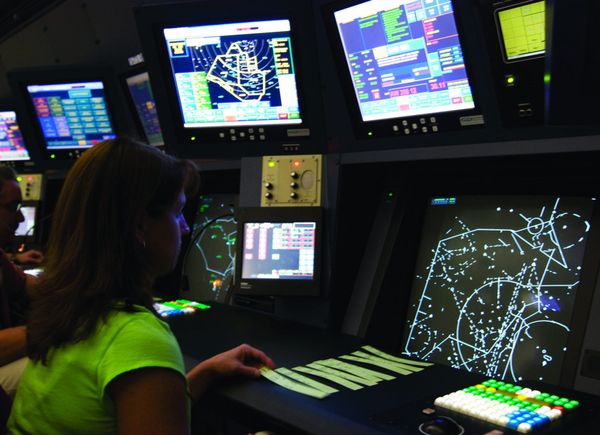 The $30 Billion Question: Why America's Air Traffic Control Overhaul Keeps Getting More Expensive
The U.S. government is seeking $30 billion more to modernize America’s aging air traffic control system. Explore the rising $42.5 billion price tag, GAO oversight concerns, and where the new funding would go.
INFORMATIONAL
READ MORE »
The $30 Billion Question: Why America's Air Traffic Control Overhaul Keeps Getting More Expensive
The U.S. government is seeking $30 billion more to modernize America’s aging air traffic control system. Explore the rising $42.5 billion price tag, GAO oversight concerns, and where the new funding would go.
INFORMATIONAL
READ MORE »
 Embraer Posts Record 66 Aircraft Deliveries in Q3 2026 as Commercial Jets Climb 10%
Embraer delivered 66 aircraft in Q3 2026, its strongest third quarter on record, with commercial jets up 10% and business jets rising 41%.
NEWS
READ MORE »
Embraer Posts Record 66 Aircraft Deliveries in Q3 2026 as Commercial Jets Climb 10%
Embraer delivered 66 aircraft in Q3 2026, its strongest third quarter on record, with commercial jets up 10% and business jets rising 41%.
NEWS
READ MORE »
More than just headlines.
Get unlimited ad-free access to in-depth aviation news, premium stories, and exclusive insights other sites don't cover.
- Ad-free browsing on AeroXplorer
- Unlimited access to premium and exclusive articles
- Higher photo upload limits & commissions on sales
- Free access to Jetstream Magazine on higher tiers
- Ad-free browsing
- Sell aviation photos with 60% commission
- First week free!
- Everything in Basic+
- Unlimited premium articles
- Sell aviation photos with 70% commission
- Free Digital subscription to Jetstream Magazine
- First week free!
- Everything in Basic+ and Pro
- Sell aviaiton photos with 80% commission
- Early access to exclusive stories
- Free Digital+Print subscription to Jetstream Magazine