The Federal Aviation Administration wants to overhaul how it certifies new commercial aircraft, a process manufacturers have long criticized as slow and unpredictable. The agency announced a proposed rulemaking effort aimed at shortening approval timelines while keeping safety standards intact.
The move comes as Boeing, Airbus, and a growing field of new entrants push for faster pathways to bring new designs into service. For an industry where certification delays can cost billions and reshape competitive positions, the proposal could mark a meaningful shift in how aircraft reach the market.
What the FAA Is Proposing
According to Reuters, the FAA on June 25, 2026, announced it would begin a rulemaking process to modernize and streamline the certification of new commercial airplanes. The agency framed the effort as a response to industry concerns that the existing framework has not kept pace with new technologies, manufacturing methods, and design approaches.
The proposal would update Part 25 of the federal aviation regulations, which governs airworthiness standards for transport category airplanes. Those rules form the backbone of how the FAA evaluates commercial aircraft, from structural integrity to flight controls and cabin safety.
FAA officials said the update would reduce the need for special conditions and exemptions, which manufacturers currently must request when designs fall outside existing rules. Those one-off approvals have become more frequent as aircraft incorporate composite materials, fly-by-wire systems, and other features the original regulations did not anticipate.
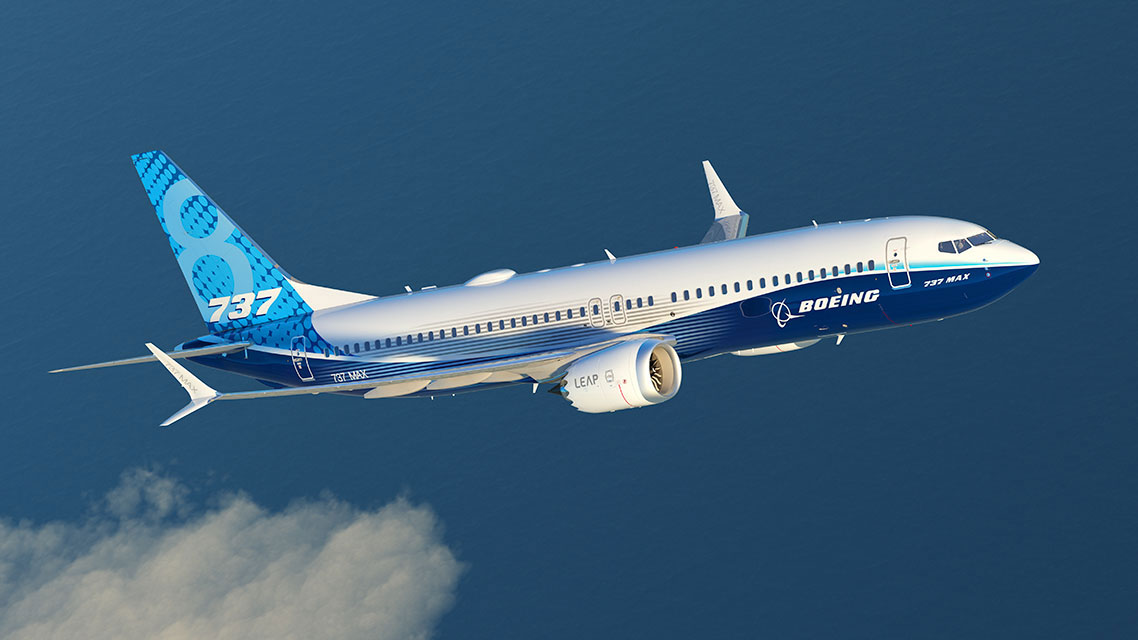
Photo: Boeing
Why This Matters Now
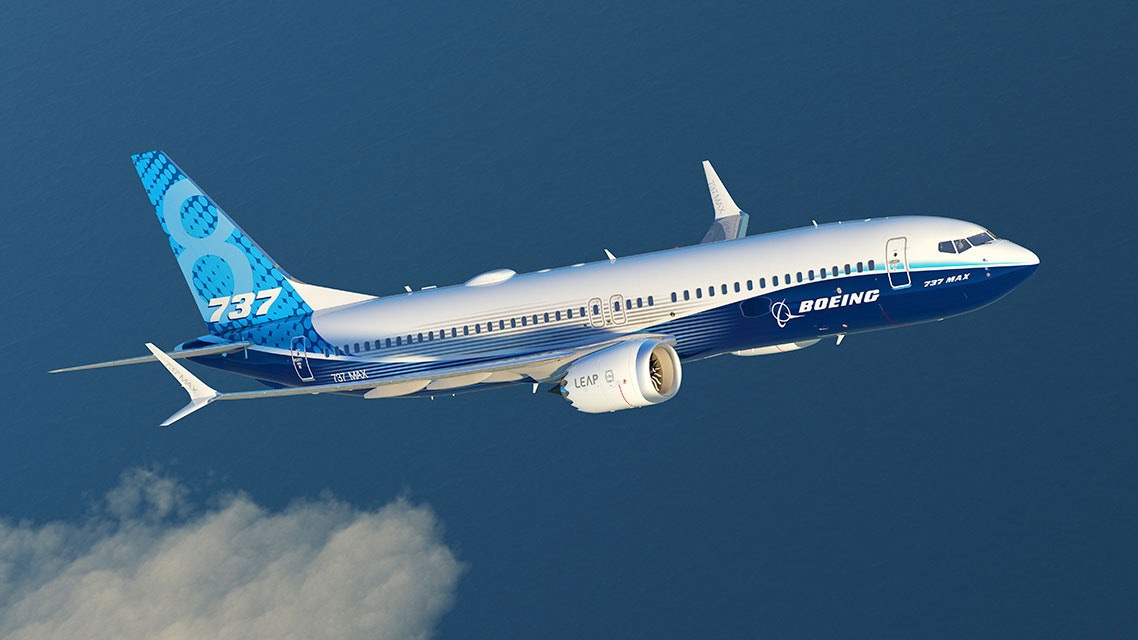
Certification timelines have stretched in recent years. The Boeing 737 MAX returned to service after a 20-month grounding following two fatal crashes, and the agency faced sharp criticism from Congress and federal investigators over how it had originally certified the aircraft. Lawmakers passed the Aircraft Certification, Safety, and Accountability Act in 2020, which tightened oversight of the FAA's delegation practices.
Since then, the agency has worked under heightened scrutiny. New aircraft programs, including the Boeing 777X and several variants of the 737 MAX family, have faced extended reviews. Industry executives have argued that the regulatory environment, while justified after the MAX accidents, now risks slowing innovation and ceding ground to international competitors.
The FAA's proposal attempts to address both sides of that tension. Officials emphasized that the rule changes would not lower safety thresholds. Instead, they would codify lessons learned from recent certification programs and align the rules with current engineering practices.

How Jet Access Is Building a New Model for Private Aircraft Maintenance
The Industry Response
Manufacturers have generally welcomed efforts to modernize the rules. Boeing, Airbus, and smaller players such as Embraer have all pushed for clearer, more predictable pathways. New entrants developing electric aircraft, hybrid propulsion systems, and advanced air mobility vehicles have made similar arguments, though many of those designs fall under different regulatory categories.
Suppliers also stand to benefit. Engine makers, avionics firms, and structural component manufacturers often wait years for parent aircraft programs to clear certification before their products generate revenue. A faster process could compress development cycles across the supply chain.
Safety advocates and some former regulators have raised concerns. They argue that the FAA's certification problems with the 737 MAX stemmed not from the rules themselves but from how the agency delegated oversight to Boeing employees. Streamlining the rulebook, they say, does not address those underlying governance questions.

Photo: Boeing
What Changes Could Look Like
The proposed rulemaking is still in early stages. The FAA will issue a notice of proposed rulemaking, collect public comments, and then finalize the rules, a process that typically takes years. Industry observers expect the agency to focus on several areas.
First, the rules could establish clearer standards for systems that rely on software and automation, which currently require extensive special conditions. Second, the agency may codify how it evaluates derivative aircraft, designs based on existing certified models, which has been a contentious topic since the MAX investigations. Third, the FAA could update its approach to human factors, including how pilots interact with new cockpit systems.
The agency has also signaled interest in better aligning its rules with those of the European Union Aviation Safety Agency. Differences between the two regulators have forced manufacturers to navigate parallel certification tracks, adding cost and complexity. Closer harmonization would simplify approvals for aircraft sold in both markets.
The Broader Context
The certification debate is unfolding against a backdrop of strong demand for commercial aircraft. Airlines have placed record orders, and both Boeing and Airbus carry backlogs stretching well into the next decade. Production constraints, not demand, currently limit deliveries.
New aircraft programs are essential to meeting that demand and to industry efforts to reduce aviation emissions. More fuel-efficient designs, sustainable aviation fuel compatibility, and eventually hydrogen or electric propulsion all depend on a certification system that can evaluate new technologies in reasonable timeframes.
For professionals in aviation, aerospace finance, and adjacent sectors, the FAA's proposal is worth watching. The final rules will shape how quickly new aircraft enter service, how much manufacturers spend on compliance, and how competitive U.S. aerospace firms remain against international rivals.
The agency has not provided a specific timeline for issuing the proposed rule text, and finalizing any changes will likely take several years. Public comments, congressional input, and coordination with international regulators will all factor into the outcome.
UAE Suspends Iranian Airline Flights to Comply With US Sanctions, Triggering Retaliatory Airspace Ban From Tehran » British Airways Restarts Starlink Installation on Airbus A350 Fleet With Free High-Speed Wi-Fi for Passengers » Why a $70 Million Private Jet Can Feel Outdated in Five Years »

Comments (1)
 Shana
References:
Slot auszahlungsquote vergleich online spielhallen
Shana
References:
Slot auszahlungsquote vergleich online spielhallen
Add Your Comment
TAGS
INFORMATIONAL FAA Aircraft Certification Rule Proposal Regulatory Framework Certification Process Aviation Safety Aircraft Development Manufacturer Requirements Testing Standards Approval Timeline Safety Standards Aviation Regulations Regulatory ChangesRECENTLY PUBLISHED
 British Airways Restarts Starlink Installation on Airbus A350 Fleet With Free High-Speed Wi-Fi for Passengers
British Airways has resumed its Starlink Wi-Fi rollout, fitting Airbus A350 aircraft with free ultra-fast in-flight internet for all passengers.
NEWS
READ MORE »
British Airways Restarts Starlink Installation on Airbus A350 Fleet With Free High-Speed Wi-Fi for Passengers
British Airways has resumed its Starlink Wi-Fi rollout, fitting Airbus A350 aircraft with free ultra-fast in-flight internet for all passengers.
NEWS
READ MORE »
 United Airlines Deploys Premium-Heavy Boeing 787-9 on Two New Holiday Routes
United Airlines will operate its high-premium Boeing 787-9 on routes to Houston and Sydney this holiday season, offering more business class seats.
ROUTES
READ MORE »
United Airlines Deploys Premium-Heavy Boeing 787-9 on Two New Holiday Routes
United Airlines will operate its high-premium Boeing 787-9 on routes to Houston and Sydney this holiday season, offering more business class seats.
ROUTES
READ MORE »
 Pilot Tried to Crash Flight Bound for Israel After Stabbing Co-Pilot
A FlyDubai pilot allegedly stabbed a colleague and attempted to crash a Tel Aviv-bound flight, forcing an emergency diversion, passengers say.
NEWS
READ MORE »
Pilot Tried to Crash Flight Bound for Israel After Stabbing Co-Pilot
A FlyDubai pilot allegedly stabbed a colleague and attempted to crash a Tel Aviv-bound flight, forcing an emergency diversion, passengers say.
NEWS
READ MORE »
More than just headlines.
Get unlimited ad-free access to in-depth aviation news, premium stories, and exclusive insights other sites don't cover.
- Ad-free browsing on AeroXplorer
- Unlimited access to premium and exclusive articles
- Higher photo upload limits & commissions on sales
- Free access to Jetstream Magazine on higher tiers
- Ad-free browsing
- Sell aviation photos with 60% commission
- First week free!
- Everything in Basic+
- Unlimited premium articles
- Sell aviation photos with 70% commission
- Free Digital subscription to Jetstream Magazine
- First week free!
- Everything in Basic+ and Pro
- Sell aviaiton photos with 80% commission
- Early access to exclusive stories
- Free Digital+Print subscription to Jetstream Magazine