
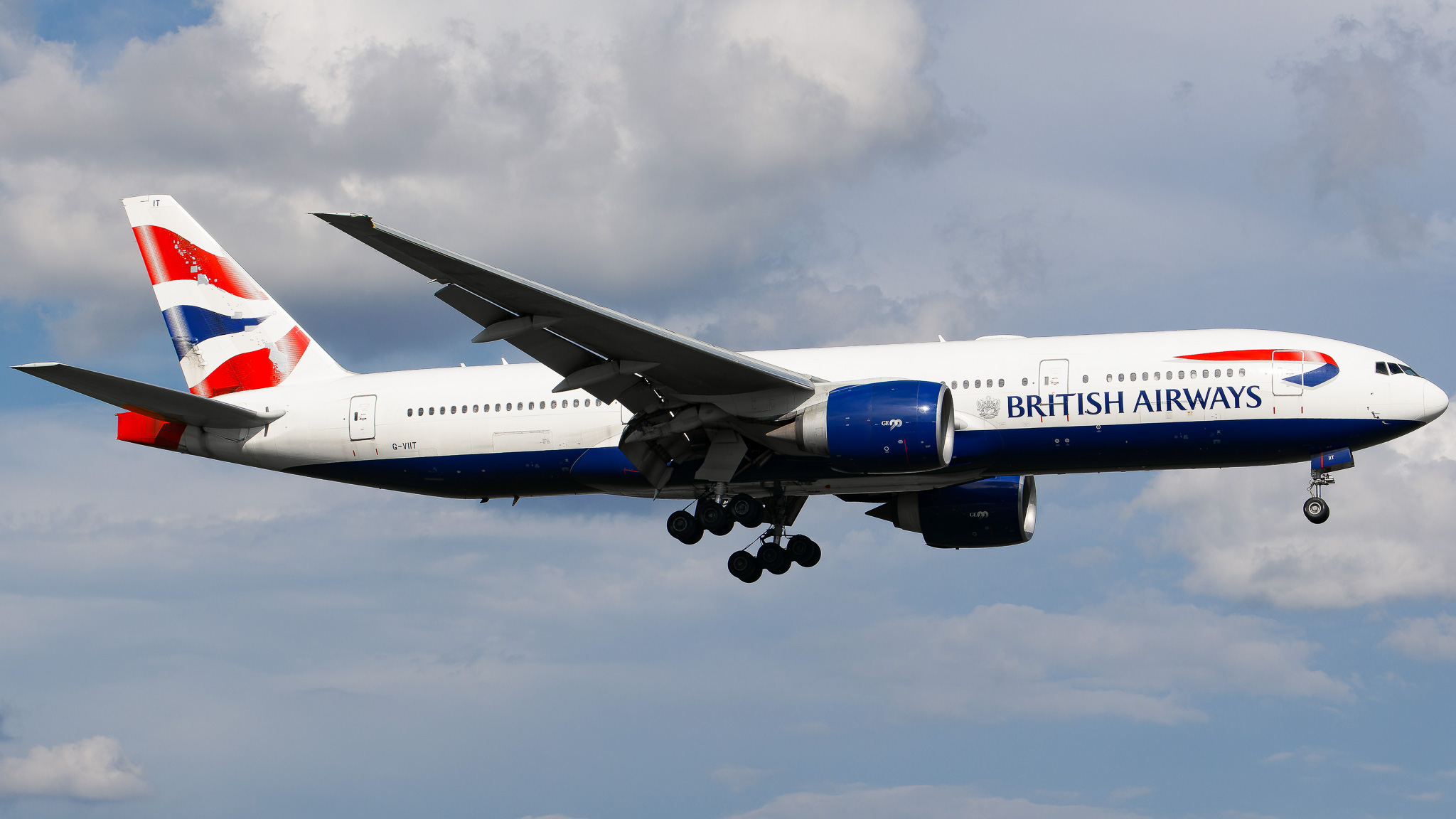

British Airways has updated its crew rest policy, allowing cabin crew members to sleep in unoccupied First Class seats during long-haul flights. The change marks a notable shift from previous rules, which restricted crew rest to designated bunk areas located in the aircraft's dedicated compartments.

What the Policy Change Involves
The updated rules permit cabin crew to occupy empty First Class and Business Class seats during their scheduled in-flight rest periods, provided no passengers are asked to move. Previously, crew on the affected aircraft, namely British Airways' Boeing 787-10 Dreamliners and certain Boeing 777-200ERs, were restricted to so-called "high-comfort attendant seats" during rest breaks: fold-down jumpseats in the galley area, separated from the passenger cabin by a curtain.
These seats have long drawn complaints from crew members who describe them as uncomfortable and wholly inadequate for genuine sleep, particularly on overnight flights crossing multiple time zones. By contrast, First Class suites on the affected aircraft offer significantly more space, controlled lighting, and full recline.
Why British Airways Made the Change
British Airways has updated its crew rest policy for cabin crew operating on long-haul flights aboard its Boeing 787-10 Dreamliners and certain Boeing 777-200ERs – aircraft that were never fitted with dedicated crew rest bunk facilities.
The change follows years of criticism directed at the airline for its original decision to purchase these aircraft without crew bunks. Strikingly, the decision to forgo bunk facilities on the existing 787-10 fleet allowed British Airways to install three additional Economy Class seats on each aircraft, a trade-off that has long been considered a significant misstep. The policy change follows talks between British Airways management and cabin crew union BASSA.
On the affected aircraft, cabin crew are expected to rest in so-called “high-comfort attendant seats” – essentially fold-down jumpseats in the galley area separated from the passenger cabin by a curtain.
The new policy allows crew to use any vacant passenger seat on the aircraft, including in First Class and Business Class, provided they do not ask other passengers to move to facilitate this. It is worth noting that new Boeing 787-10 Dreamliners, expected to be delivered to British Airways from later this year, will have crew bunk facilities installed, meaning the current policy change is a temporary fix for the existing fleet rather than a permanent long-term solution.
Impact on Passengers
For paying passengers, the policy carries minimal visible impact. Crew will only use seats that remain unsold after the cabin closes following departure. Travelers booked in premium cabins will retain full access to their suites, meals, and onboard service throughout the flight.
British Airways has instructed crew to maintain discretion, requiring them to remove or cover uniform items and to use the bedding provided for that cabin. Looking ahead, the airline is also considering soft blocking certain rows of economy class seats on the affected aircraft for crew rest use, though IT systems have not yet been updated to allow this.

Crew Response
The response from cabin crew has generally been positive. Crew members have long argued that the existing galley jumpseats do not provide adequate conditions for genuine sleep, particularly on flights that operate through the night across multiple time zones. Quality of rest directly affects crew alertness and passenger safety, with several studies in commercial aviation linking fatigue to reduced performance during critical phases of flight.
The shift also represents a recognition by British Airways that crew welfare directly affects service quality and safety performance. Improvements to rest conditions could influence retention and recruitment at a time when carriers across Europe continue to compete for experienced staff.
How Jet Access Is Building a New Model for Private Aircraft Maintenance
Wider Industry Context
British Airways joins a growing list of carriers reassessing how cabin crew rest is handled on long flights. United Airlines, for example, hard blocks certain economy class rows on its non-bunked long-haul aircraft for flight attendant rest.
The Civil Aviation Authority in the United Kingdom sets minimum standards for crew rest facilities, but airlines retain flexibility in how they allocate space beyond those requirements. Under European aviation regulations, bunk facilities are only legally required on longer-range flights where crew must be given the opportunity for lie-flat rest in a private space.
The affected BA aircraft operate on shorter-range long-haul routes where bunk rest is not legally mandated, meaning this policy change represents a voluntary upgrade to crew welfare rather than a regulatory requirement. By permitting use of First Class and Business Class seats on the affected aircraft, British Airways effectively upgrades the standard of rest available without modifying its existing fleet.
Why a $70 Million Private Jet Can Feel Outdated in Five Years » British Airways Restarts Starlink Installation on Airbus A350 Fleet With Free High-Speed Wi-Fi for Passengers » Ryanair Pilot Sent Hijack Code Before Turning Flight FR7073 Back to Porto »

Comments (0)
Add Your Comment
TAGS
NEWS British Airways Crew Rest Compartments Crew Rest First Class Business Class BA Boeing 777-20ER Boeing 787-10RECENTLY PUBLISHED
 Norwegian Air Taken to Court Over Trademark Dispute by Erling Haaland
Erling Haaland is suing Norwegian Air Shuttle for allegedly using his trademarked ponytail celebration without permission.
NEWS
READ MORE »
Norwegian Air Taken to Court Over Trademark Dispute by Erling Haaland
Erling Haaland is suing Norwegian Air Shuttle for allegedly using his trademarked ponytail celebration without permission.
NEWS
READ MORE »
 British Airways Restarts Starlink Installation on Airbus A350 Fleet With Free High-Speed Wi-Fi for Passengers
British Airways has resumed its Starlink Wi-Fi rollout, fitting Airbus A350 aircraft with free ultra-fast in-flight internet for all passengers.
NEWS
READ MORE »
British Airways Restarts Starlink Installation on Airbus A350 Fleet With Free High-Speed Wi-Fi for Passengers
British Airways has resumed its Starlink Wi-Fi rollout, fitting Airbus A350 aircraft with free ultra-fast in-flight internet for all passengers.
NEWS
READ MORE »
 United Airlines Deploys Premium-Heavy Boeing 787-9 on Two New Holiday Routes
United Airlines will operate its high-premium Boeing 787-9 on routes to Houston and Sydney this holiday season, offering more business class seats.
ROUTES
READ MORE »
United Airlines Deploys Premium-Heavy Boeing 787-9 on Two New Holiday Routes
United Airlines will operate its high-premium Boeing 787-9 on routes to Houston and Sydney this holiday season, offering more business class seats.
ROUTES
READ MORE »
More than just headlines.
Get unlimited ad-free access to in-depth aviation news, premium stories, and exclusive insights other sites don't cover.
- Ad-free browsing on AeroXplorer
- Unlimited access to premium and exclusive articles
- Higher photo upload limits & commissions on sales
- Free access to Jetstream Magazine on higher tiers
- Ad-free browsing
- Sell aviation photos with 60% commission
- First week free!
- Everything in Basic+
- Unlimited premium articles
- Sell aviation photos with 70% commission
- Free Digital subscription to Jetstream Magazine
- First week free!
- Everything in Basic+ and Pro
- Sell aviaiton photos with 80% commission
- Early access to exclusive stories
- Free Digital+Print subscription to Jetstream Magazine