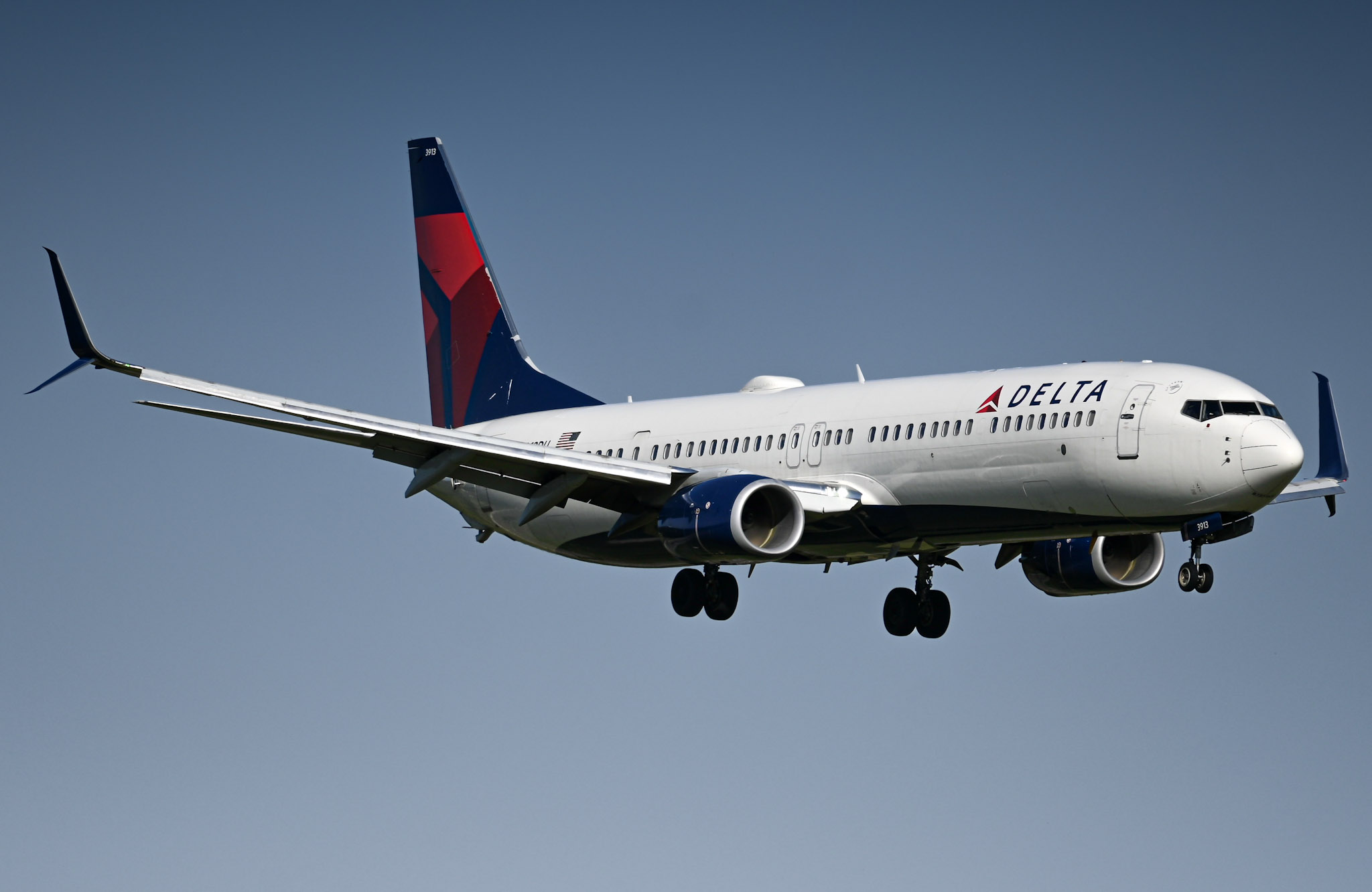

A Delta Air Lines flight bound for Salt Lake City Airport (SLC) executed a rapid descent to 9,000 feet on Sunday after the aircraft experienced a cabin pressurization failure, forcing oxygen masks to deploy and prompting the crew to divert back to Las Vegas. Passengers described the ordeal as terrifying, with several reporting physical discomfort and emotional distress following the incident.
What Happened Aboard Flight
Delta Flight 2311, operated by a Boeing 737-900ER, departed Los Angeles International Airport (LAX) on its scheduled route to Salt Lake City Airport (SLC). Shortly after reaching cruising altitude, the flight crew detected a problem with the aircraft's pressurization system.
Following standard emergency procedures, the pilots initiated a controlled but rapid descent to 9,000 feet, an altitude at which passengers and crew can breathe safely without supplemental oxygen. Oxygen masks dropped from the overhead panels during the descent, a standard automated safety response designed to protect occupants from hypoxia at higher altitudes.
The crew turned the aircraft around and returned to Las Vegas, where it landed without further incident. No injuries requiring hospitalization were reported at the scene, though several passengers noted lingering effects from the sudden altitude change.

Passenger Accounts of the Descent
Travelers aboard the flight described a chaotic scene as the masks deployed and the aircraft began its steep descent. One passenger characterized the experience as "pretty traumatic," a description that has become the defining phrase associated with the incident.
Some passengers reported ear pain, headaches, and disorientation, symptoms commonly associated with rapid pressure changes. Others described the confusion of trying to secure their oxygen masks while the aircraft descended, a moment many said felt far longer than it actually lasted.
Flight attendants worked to keep passengers calm throughout the descent, providing instructions and reassurance as the situation unfolded. Cabin crew members are trained extensively for depressurization events, and their response reportedly helped prevent the situation from escalating into panic.
Delta's Response
Delta Air Lines acknowledged the incident and confirmed the aircraft returned to Las Vegas due to what the carrier described as a pressurization irregularity. The airline arranged alternate transportation for affected passengers, rebooking them on subsequent flights to Portland.
In a statement, Delta expressed appreciation for the professionalism of its flight crew and apologized to customers for the disruption. The airline emphasized that the safety of passengers and crew remains its top priority and confirmed that the aircraft involved would undergo thorough inspection and maintenance before returning to service.

Analysis: How Spirit Airlines Changed Airline Pricing, then Paid the Price
Understanding Rapid Descents and Oxygen Mask Deployment
When commercial aircraft experience a loss of cabin pressure at cruising altitude, pilots follow a well-established emergency protocol. The first priority involves descending quickly to an altitude where the ambient air contains sufficient oxygen for normal breathing, typically around 10,000 feet or lower.
Oxygen masks in the passenger cabin deploy automatically when cabin altitude reaches approximately 14,000 feet, providing roughly 12 to 20 minutes of breathable oxygen. This window gives pilots enough time to bring the aircraft to a safer altitude.
Although the descent can feel dramatic to passengers, these maneuvers are practiced regularly by flight crews in simulator training. The rapid loss of altitude that feels alarming from a passenger seat represents a carefully controlled response designed to protect everyone on board.
Boeing 737 Under Continued Scrutiny
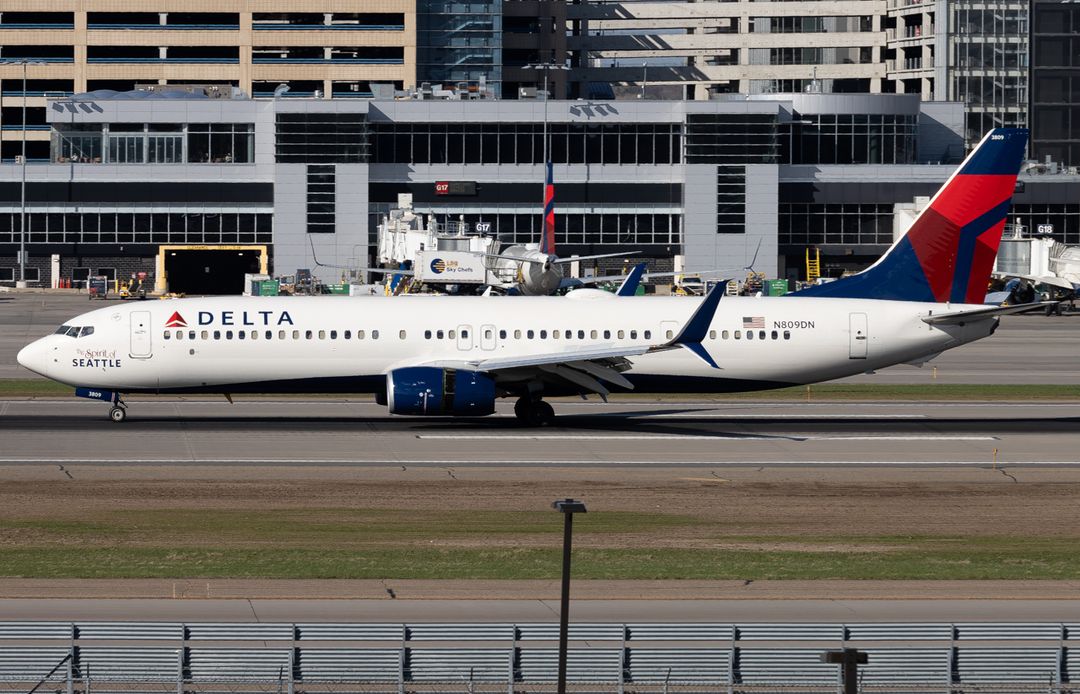
The incident adds to a growing list of operational issues involving Boeing aircraft that have drawn public attention over the past two years. While the Boeing 737-900ER belongs to the Next Generation family and predates the troubled 737 MAX line, any incident involving a Boeing jet now attracts heightened scrutiny from regulators, media, and the traveling public.
The Boeing 737-900ER has maintained a strong safety record over decades of commercial service, with thousands of units flying worldwide. Pressurization issues, while not common, do occur across all aircraft types and manufacturers, and modern jets are engineered with multiple redundancies to handle such failures safely.
Federal aviation authorities typically review incidents of this nature, particularly when oxygen masks deploy and passengers report distress. Investigators will likely examine the aircraft's maintenance history, pressurization components, and crew response to determine what caused the failure and whether any broader concerns need addressing.
What Comes Next
Delta is expected to cooperate fully with any regulatory review of the incident. The affected aircraft will remain out of service until technicians complete inspections and repairs. Passengers who experienced discomfort or distress may pursue medical evaluations, and the airline typically offers compensation and support to travelers involved in significant disruptions.
For the traveling public, the incident serves as a reminder that commercial aviation, while remarkably safe, is not without risk. Emergency protocols exist precisely because unexpected situations arise, and the safe conclusion of this flight demonstrates that those protocols work as intended.
Passengers on Flight 2311 eventually reached their destinations, though the memory of a Boeing 737 dropping thousands of feet with masks dangling from the ceiling will likely stay with them for some time. For now, Delta and Boeing face renewed questions about aircraft reliability, even as investigators work to determine exactly what went wrong high above the Nevada desert.
The End of Lufthansa's Four-Engine Era as Its Last Airbus A340-600 Lands in Frankfurt for the Final Time After 23 Years » American Airlines Boeing 787 Makes Emergency Landing at O'Hare After Brake Issue, One Hospitalized » Chicago Midway Loses One of Its Four Runways for a Month After Jet Blast Damages a Key Safety System »

Comments (0)
Add Your Comment
TAGS
NEWS Delta Air Lines Boeing 737 Cabin Pressure Failure Emergency Descent Aviation Incident Aviation Safety Nevada Airspace Flight Emergency Aviation News Aircraft MalfunctionRECENTLY PUBLISHED
 American Airlines Boeing 787 Makes Emergency Landing at O'Hare After Brake Issue, One Hospitalized
An American Airlines Boeing 787 makes an emergency landing to Chicago O'Hare after a brake problem.
NEWS
READ MORE »
American Airlines Boeing 787 Makes Emergency Landing at O'Hare After Brake Issue, One Hospitalized
An American Airlines Boeing 787 makes an emergency landing to Chicago O'Hare after a brake problem.
NEWS
READ MORE »
 Why Aircraft Towing May Be One of the Last Frontiers of Autonomous Ground Operations
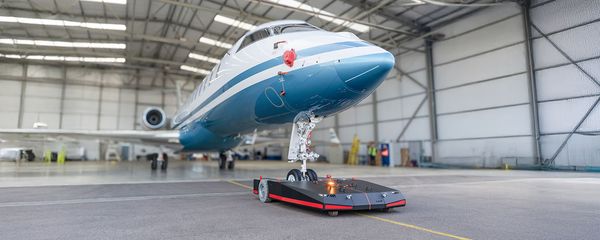
Ground support equipment has advanced steadily toward autonomy: baggage carts and pushback tractors, among others, are being designed to operate with minimal human intervention. Yet the aircraft itself – the single most valuable and structurally sensitive asset on the ramp – is still almost universally towed under direct human control.
STORIES
READ MORE »
Why Aircraft Towing May Be One of the Last Frontiers of Autonomous Ground Operations
Ground support equipment has advanced steadily toward autonomy: baggage carts and pushback tractors, among others, are being designed to operate with minimal human intervention. Yet the aircraft itself – the single most valuable and structurally sensitive asset on the ramp – is still almost universally towed under direct human control.
STORIES
READ MORE »
 British Airways Finishes Starlink Wi-Fi Rollout Across Its A350 Fleet
British Airways has installed SpaceX's Starlink Wi-Fi on every Airbus A350 in its fleet, offering passengers free high-speed internet on long-haul flights.
NEWS
READ MORE »
British Airways Finishes Starlink Wi-Fi Rollout Across Its A350 Fleet
British Airways has installed SpaceX's Starlink Wi-Fi on every Airbus A350 in its fleet, offering passengers free high-speed internet on long-haul flights.
NEWS
READ MORE »
More than just headlines.
Get unlimited ad-free access to in-depth aviation news, premium stories, and exclusive insights other sites don't cover.
- Ad-free browsing on AeroXplorer
- Unlimited access to premium and exclusive articles
- Higher photo upload limits & commissions on sales
- Free access to Jetstream Magazine on higher tiers
- Ad-free browsing
- Sell aviation photos with 60% commission
- First week free!
- Everything in Basic+
- Unlimited premium articles
- Sell aviation photos with 70% commission
- Free Digital subscription to Jetstream Magazine
- First week free!
- Everything in Basic+ and Pro
- Sell aviaiton photos with 80% commission
- Early access to exclusive stories
- Free Digital+Print subscription to Jetstream Magazine