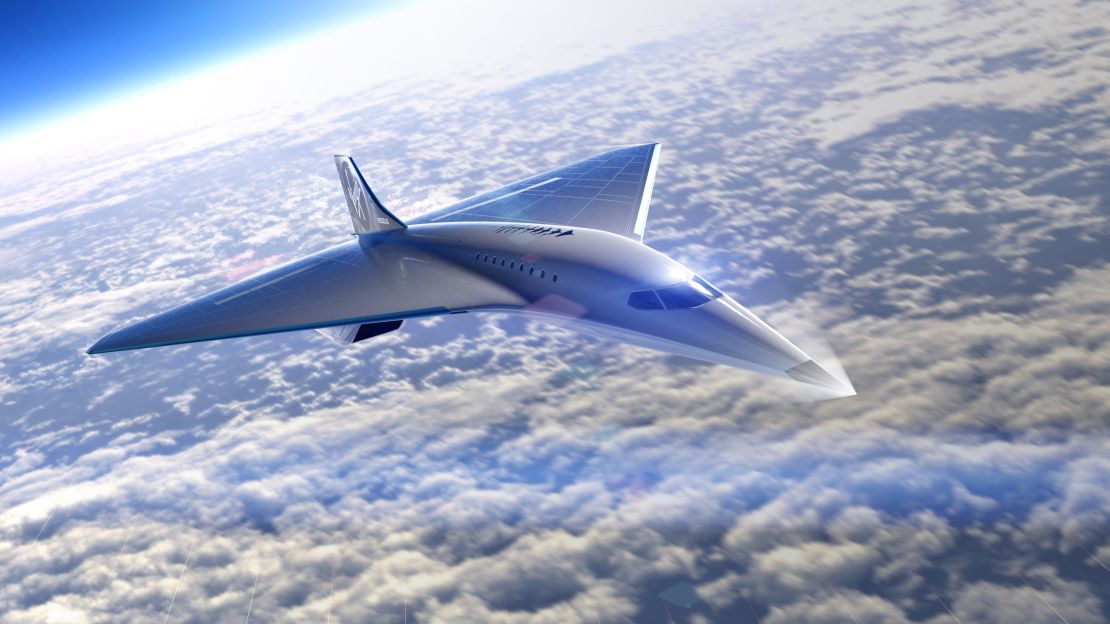
Passengers are likely to think of the idea of speed when supersonic is mentioned. By definition, supersonic speeds are anything that moves faster than the speed of sound. However, at least for regular commercial airliners, a plane or aircraft at this speed has always appeared lofty. The Concorde was the first of its kind, moving at quick speeds between 1969 and 2003, predominantly in France and the UK.

Only twenty aircraft were ever made, and each could hold less than one hundred passengers. However, over twenty years after the last flight, new aerospace companies are developing instruments and researching ways to achieve supersonic speeds at both a suitable price and a sustainable device.
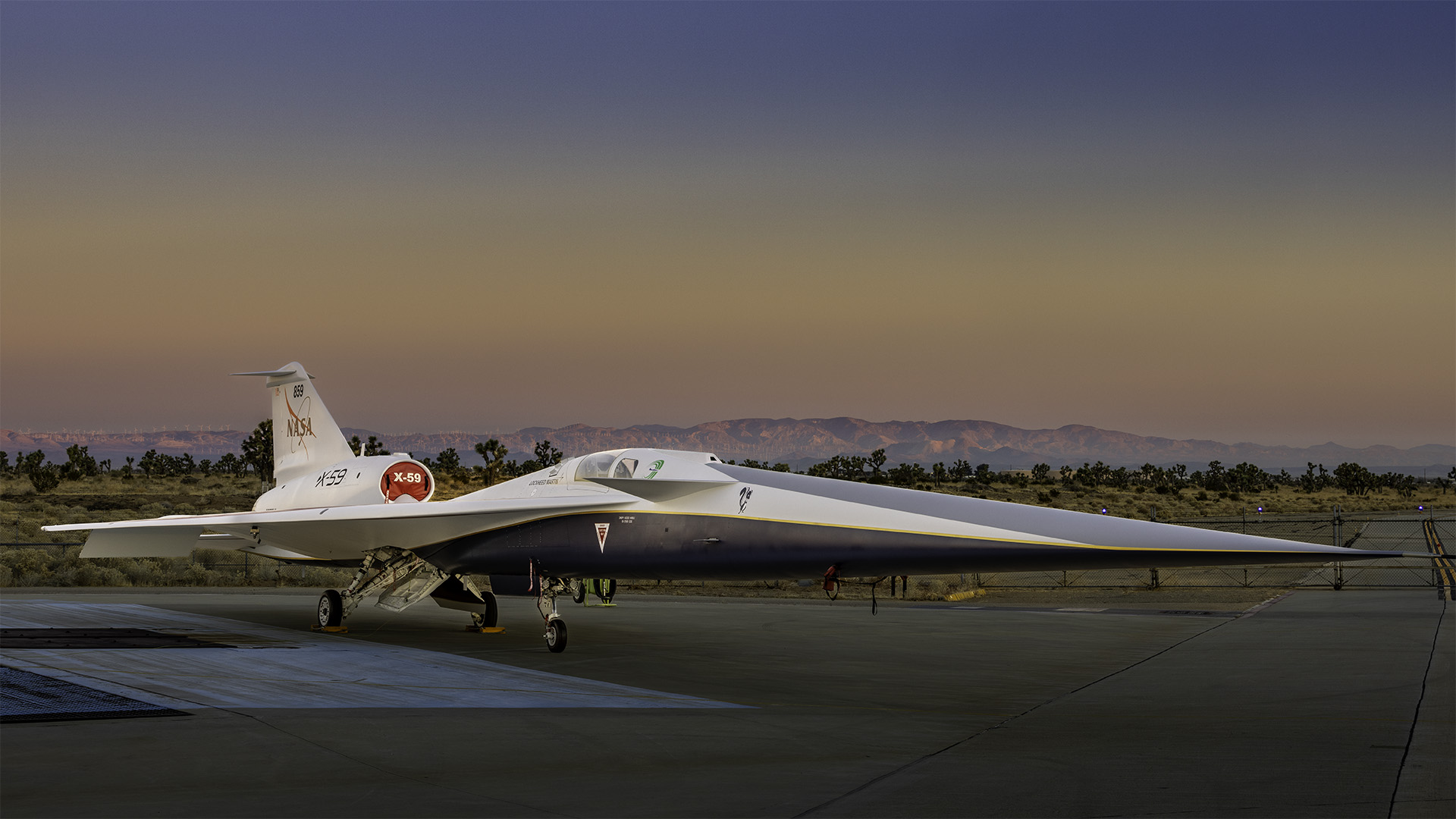
In January 2024, NASA released the X-59 demonstrator jet, an aircraft capable of reaching supersonic speeds, rekindling interest in the subject. Most supersonic aircraft and innovations in the space are currently for military use. Defense companies have invested billions in supersonic research between light aircraft and missile development, pushing the latter towards hypersonic speeds. Although defense contractors hold many government engineering contracts in this space, research and design labs also do similar work.
The simple answer to why supersonic aircraft have suddenly returned to industry discussions is time. Companies project that flight times will reduce dramatically if science and engineering develop correctly. Hermeus, a Georgia-based aerospace company, estimates they can get a flight between New York and London in as little as 90 minutes. Although scaling is important with these ambitious projects, the company is testing its first combined turbojet-ramjet engine for now.
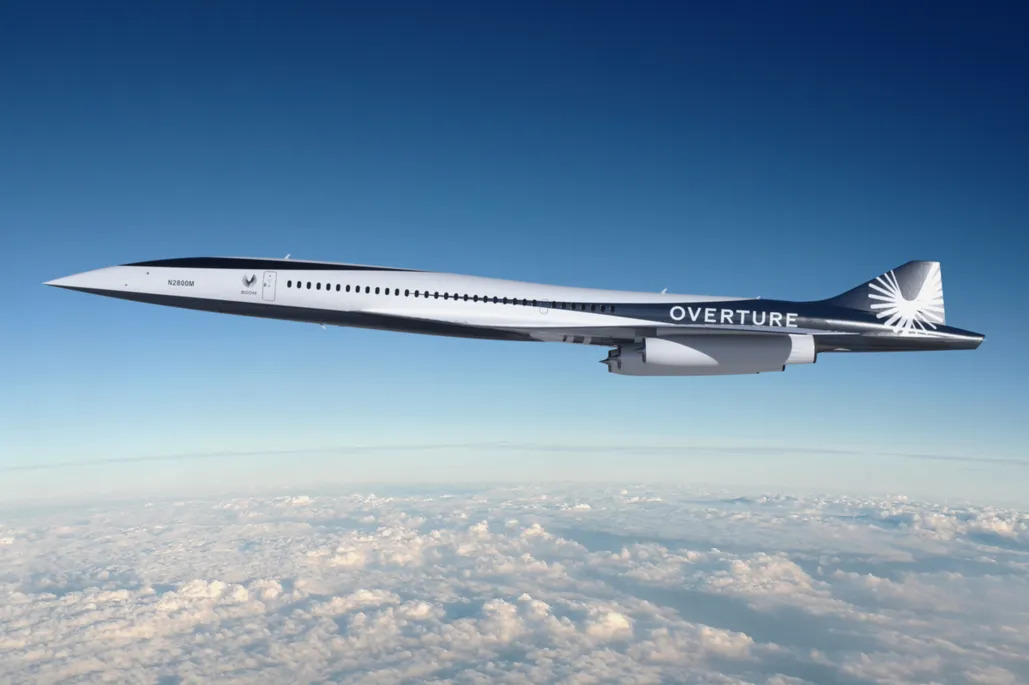
Other companies in the market, such as Boom Technologies (Supersonic), have already held pre-orders and purchase agreements to develop Boom Overture, a supersonic passenger airliner. American Airlines and United Airlines have expressed interest in the development, pledging to buy a collective 35 aircraft. The Colorado-based company plans to use tri-turbofan engines on the Overture, which would hold 60 to 80 individuals, similar to the Concorde.
Exosonic, a California-based company, is jointly researching supersonic technologies for a man-powered jet and unmanned aerial vehicles (UAV). The company believes that the UAV research can help push the capabilities of a supersonic and quiet plane, as they state, "UAVs serve as a steppingstone towards the company's vision of going supersonic everywhere."
Although the development of supersonic jets for commercial use reduces transit times, these projects are extremely expensive. Building these devices at reasonable price points will be crucial to their expansion. Additionally, sustainability watchdog groups will be keen to monitor fuel consumption on these vessels.
The fastest cars use the most fuel, emphasizing the need for more sustainable fuel sources across the transportation industry. High-speed trains are also growing in popularity, and although sources suggest that China is attempting to get a train to supersonic speeds, engineering has not yet been done. Rail transit currently remains subsonic.
British Airways Flight to Chicago Forces Emergency Descent After Cabin Pressure Failure » Halon Was Supposed to Disappear. This Company Kept It Flying. » AirBaltic to Cut Up to 700 Jobs in Restructuring »

Comments (0)
Add Your Comment
TAGS
INFORMATIONAL Innovation Supersonic Hypersonic Boom Technologies Hermeus Exosonic Future Startup Technology GovernmentRECENTLY PUBLISHED
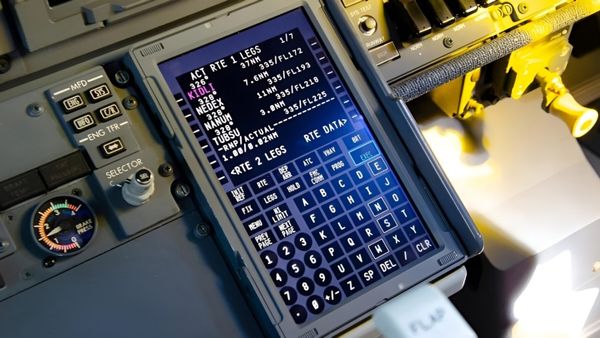 Boeing's Touchscreen Flight Controls for 737 Draw Sharp Criticism from Pilots
Boeing's plan to introduce Touchscreen Control Display Units on the 737 has sparked backlash from pilots who warn of safety and usability concerns.
NEWS
READ MORE »
Boeing's Touchscreen Flight Controls for 737 Draw Sharp Criticism from Pilots
Boeing's plan to introduce Touchscreen Control Display Units on the 737 has sparked backlash from pilots who warn of safety and usability concerns.
NEWS
READ MORE »
 Southwest Airlines Blames Brief System Outage for Boarding Delays and Checked Bag Disruptions
Southwest Airlines confirms a brief technology outage disrupted boarding and checked bag operations, forcing gate agents to process travelers manually.
NEWS
READ MORE »
Southwest Airlines Blames Brief System Outage for Boarding Delays and Checked Bag Disruptions
Southwest Airlines confirms a brief technology outage disrupted boarding and checked bag operations, forcing gate agents to process travelers manually.
NEWS
READ MORE »
 Southwest Airlines Considers Boeing 787 Order for Long-Haul International Expansion
Southwest Airlines is evaluating the Boeing 787 Dreamliner as it explores a shift into long-haul international flying, sources tell Reuters.
NEWS
READ MORE »
Southwest Airlines Considers Boeing 787 Order for Long-Haul International Expansion
Southwest Airlines is evaluating the Boeing 787 Dreamliner as it explores a shift into long-haul international flying, sources tell Reuters.
NEWS
READ MORE »
More than just headlines.
Get unlimited ad-free access to in-depth aviation news, premium stories, and exclusive insights other sites don't cover.
- Ad-free browsing on AeroXplorer
- Unlimited access to premium and exclusive articles
- Higher photo upload limits & commissions on sales
- Free access to Jetstream Magazine on higher tiers
- Ad-free browsing
- Sell aviation photos with 60% commission
- First week free!
- Everything in Basic+
- Unlimited premium articles
- Sell aviation photos with 70% commission
- Free Digital subscription to Jetstream Magazine
- First week free!
- Everything in Basic+ and Pro
- Sell aviaiton photos with 80% commission
- Early access to exclusive stories
- Free Digital+Print subscription to Jetstream Magazine