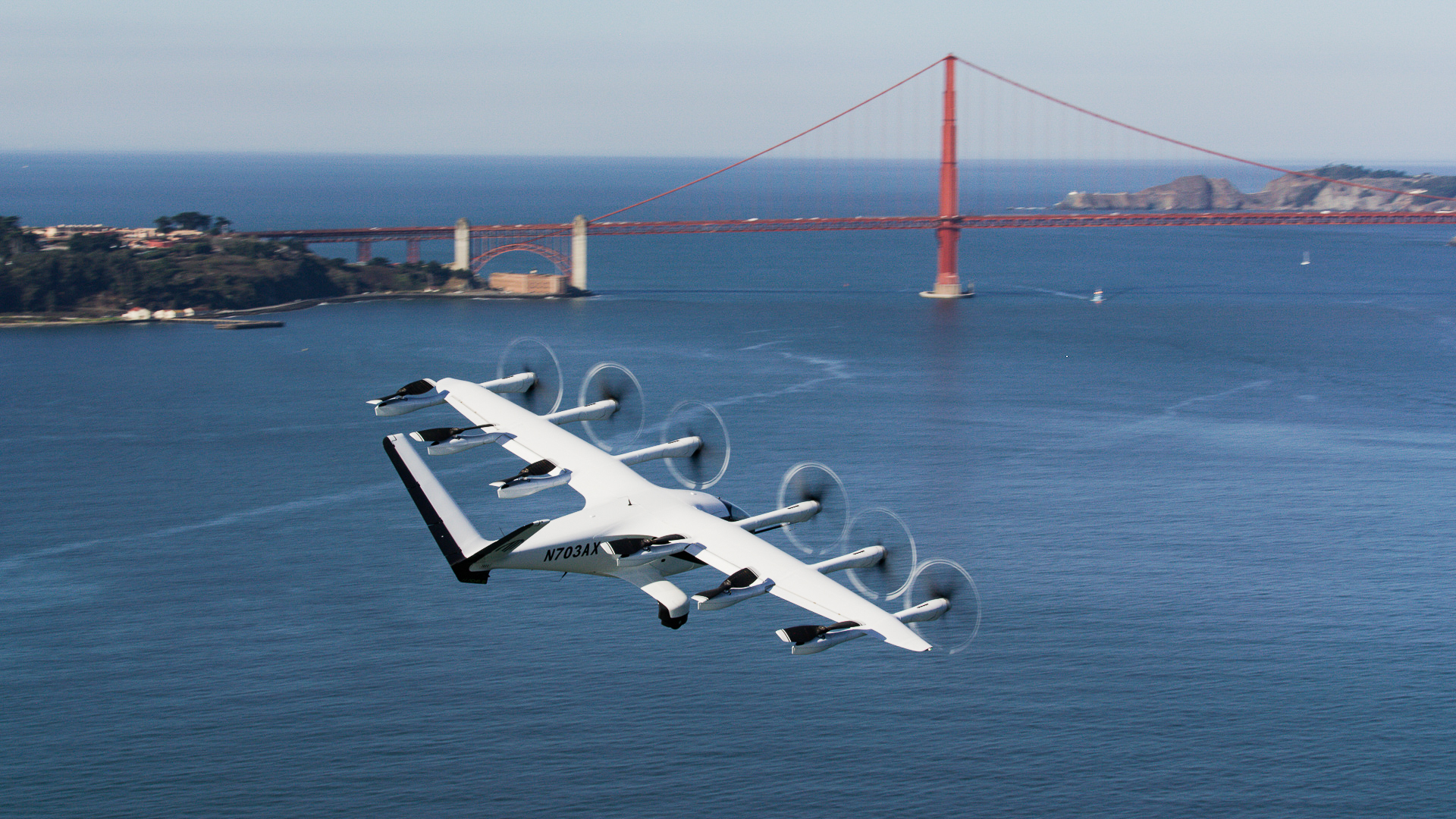
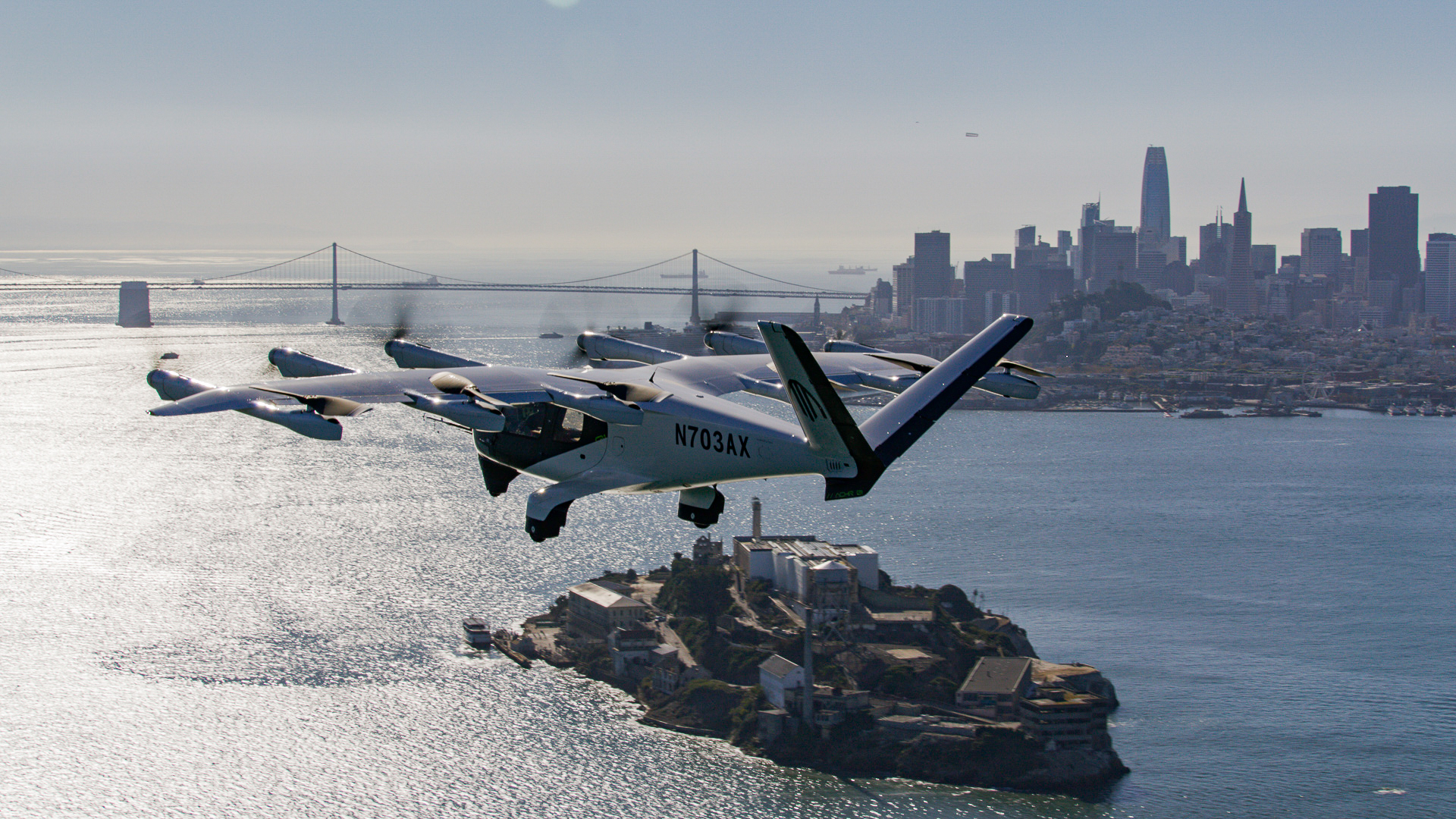
Archer Aviation's all-electric Midnight air taxi has completed a week of piloted flights across Northern California, marking a significant step forward for commercial electric vertical takeoff and landing (eVTOL) operations in one of the country's most congested airspace regions. The flights included multiple trips around the San Francisco Bay that took off and landed at Oakland International Airport.
The multi-city journey began in Salinas and worked its way through progressively larger cities with increasingly complex airspace. Midnight made stops in Hollister, San Martin, San Jose, Mountain View, and Hayward before arriving in Oakland to complete several piloted flights over the San Francisco Bay. In total, the aircraft covered more than 300 miles during the tour.
Demonstrating readiness in complex airspace
The Northern California leg of Archer's "No Roads" tour had a specific purpose. Company officials wanted to show that Midnight could operate seamlessly in the complex urban airspace surrounding the Bay Area's three international airports: San Francisco, Oakland, and San Jose. Together, these airports form one of the busiest flight corridors in the country.
Operating safely in that environment requires close coordination with air traffic controllers, careful route planning, and reliable aircraft performance. By flying Midnight through the region without incident, Archer aimed to prove that electric air taxis can integrate into existing commercial aviation operations rather than requiring separate infrastructure or restricted zones.
The flights were made possible through close coordination with the Federal Aviation Administration along with state and local partners. That groundwork, according to the company, has opened the door for Midnight to continue demonstrating its readiness to operate alongside commercial air traffic in the world's largest cities.
What communities saw and heard
Beyond the technical demonstration, the tour gave residents across the Bay Area a chance to see the benefits of electric air taxis in person. Archer highlighted three qualities that distinguish Midnight from traditional helicopters and other short-range aircraft: low noise, zero operating emissions, and the ability to bypass congested highways.
Trips that currently take an hour or more by car could be reduced to 10 to 20 minutes by air, according to the company. For a region known for its traffic bottlenecks and limited road capacity, that kind of time savings could reshape how residents and business travelers move between cities.
Noise has long been one of the main objections to urban air mobility. Helicopters produce distinct rotor sounds that carry over long distances and often prompt complaints from residents below flight paths. Electric aircraft like Midnight use multiple smaller rotors and electric motors, which generate a lower acoustic footprint. The Bay Area flights allowed communities to hear that difference directly.

Only Way Out: Private Aviation in a Region at War
Progression from smaller cities to major airports
The careful sequencing of the tour reflects how Archer approached the challenge of operating in dense airspace. Beginning in Salinas, where air traffic is relatively light, the company could test routine operations before moving to busier environments. Each subsequent stop added layers of complexity, from controlled airspace at regional airports to the overlapping zones surrounding major commercial hubs.
Hollister, San Martin, and San Jose offered opportunities to work with varying levels of air traffic control coordination. Mountain View and Hayward introduced additional challenges tied to proximity to residential areas and busier flight corridors. The final stops in Oakland and over the San Francisco Bay brought the aircraft into some of the most heavily regulated airspace on the West Coast.
Next stop: Los Angeles
Archer has indicated that Los Angeles is the next planned destination for Midnight's piloted flight demonstrations. The move comes as the company prepares to operate under the White House's eVTOL Integration Pilot Program, commonly known as eIPP. That federal initiative is designed to accelerate the integration of electric air taxis into the national airspace system by selecting specific projects for coordinated testing and regulatory review.
Los Angeles presents a different set of challenges from the Bay Area. The region has its own cluster of major airports, including Los Angeles International, Burbank, Long Beach, and Van Nuys, along with dense urban geography and long commute distances that make air taxi service potentially attractive to residents and visitors.
Industry context
Archer is one of several companies working to bring electric air taxis to commercial service in the United States. The sector has faced delays as manufacturers work through certification processes with the FAA, build out production facilities, and secure partnerships with airlines, airports, and transportation networks.
Piloted flight testing in real-world conditions represents an important milestone because it moves eVTOL operations beyond controlled test environments. Flying through actual commercial airspace, with real air traffic controllers managing the aircraft alongside conventional traffic, provides data and experience that cannot be replicated on a test range.
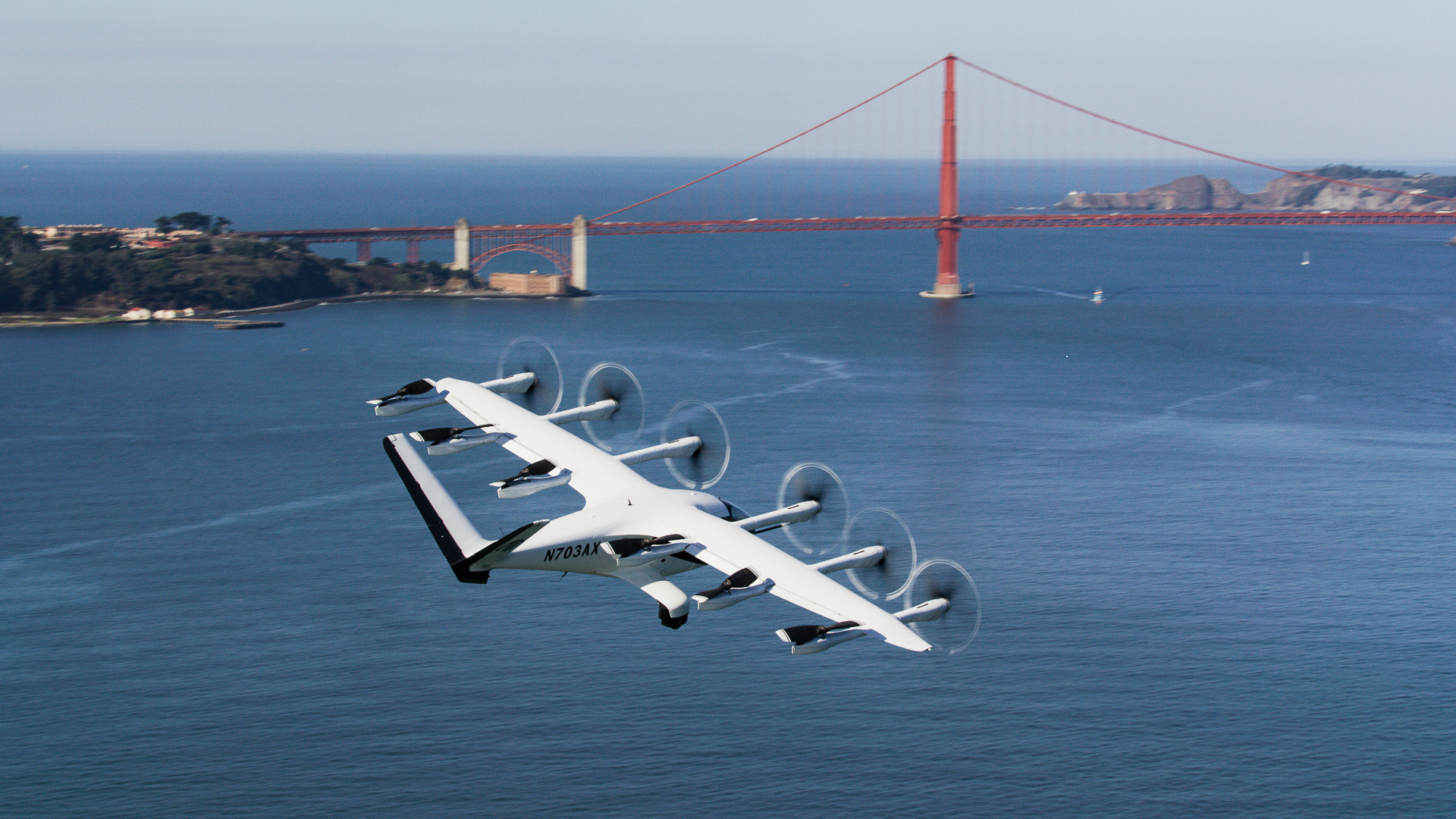
For Archer, the Northern California tour serves as both a technical proof point and a public introduction. The company wants regulators, partners, and prospective passengers to see that Midnight can perform the kinds of routes it will eventually operate commercially. The flights over San Francisco Bay, with the Oakland airport as a base of operations, offered a preview of what everyday service might look like.
As Archer prepares for its Los Angeles demonstrations and continued work under the federal pilot program, the Bay Area flights set a benchmark for what piloted eVTOL operations in major metropolitan areas can achieve. The next phase will test whether the company can repeat that performance in an even larger and more complex urban environment.
FAA Nears Final Approval of Boeing 737 MAX 10 as Certification Review Concludes » Lawmakers Press FAA to Suspend AI Air Traffic Control Tool at Washington-Area Airports » Why the A-10 Warthog's Nose Gear Is Offset to the Right »

Comments (0)
Add Your Comment
TAGS
NEWS Archer Aviation Midnight eVTOL San Francisco Bay Area Piloted Flight Electric Aviation Urban Air Mobility Advanced Air Mobility Aviation Innovation Flight TestingRECENTLY PUBLISHED
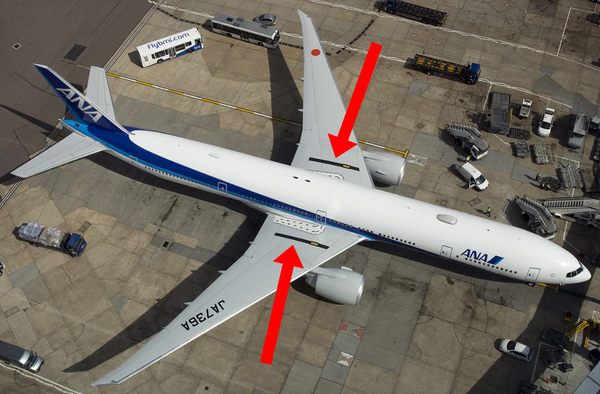 Why Does the Boeing 777-300ER Have Black Lines on Its Wings?
Why the Boeing 777 has black wing stripes to help pilots monitor landing gear position and navigate tight taxiways safely.
INFORMATIONAL
READ MORE »
 This Week in Aviation: The 10 Stories That Mattered Most
From major airline developments to aircraft updates and industry shifts, this weekly recap highlights the ten most-read aviation stories from the week of October 11.
INFORMATIONAL
READ MORE »
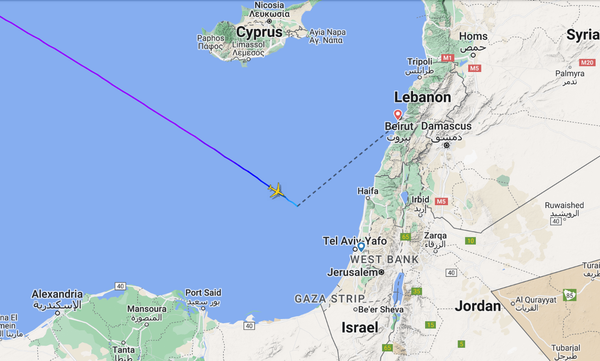 GPS Jamming Is Now a Daily Airline Problem. Here Is How Bad It Has Gotten
GPS jamming and spoofing are disrupting airline navigation across Europe, the Middle East and South Asia. Explore how widespread GNSS interference threatens flight safety, affects airline operations, and what pilots and regulators are doing to manage the growing risk.
INFORMATIONAL
READ MORE »
More than just headlines.
Get unlimited ad-free access to in-depth aviation news, premium stories, and exclusive insights other sites don't cover.
- Ad-free browsing on AeroXplorer
- Unlimited access to premium and exclusive articles
- Higher photo upload limits & commissions on sales
- Free access to Jetstream Magazine on higher tiers
- Ad-free browsing
- Sell aviation photos with 60% commission
- First week free!
- Everything in Basic+
- Unlimited premium articles
- Sell aviation photos with 70% commission
- Free Digital subscription to Jetstream Magazine
- First week free!
- Everything in Basic+ and Pro
- Sell aviaiton photos with 80% commission
- Early access to exclusive stories
- Free Digital+Print subscription to Jetstream Magazine