
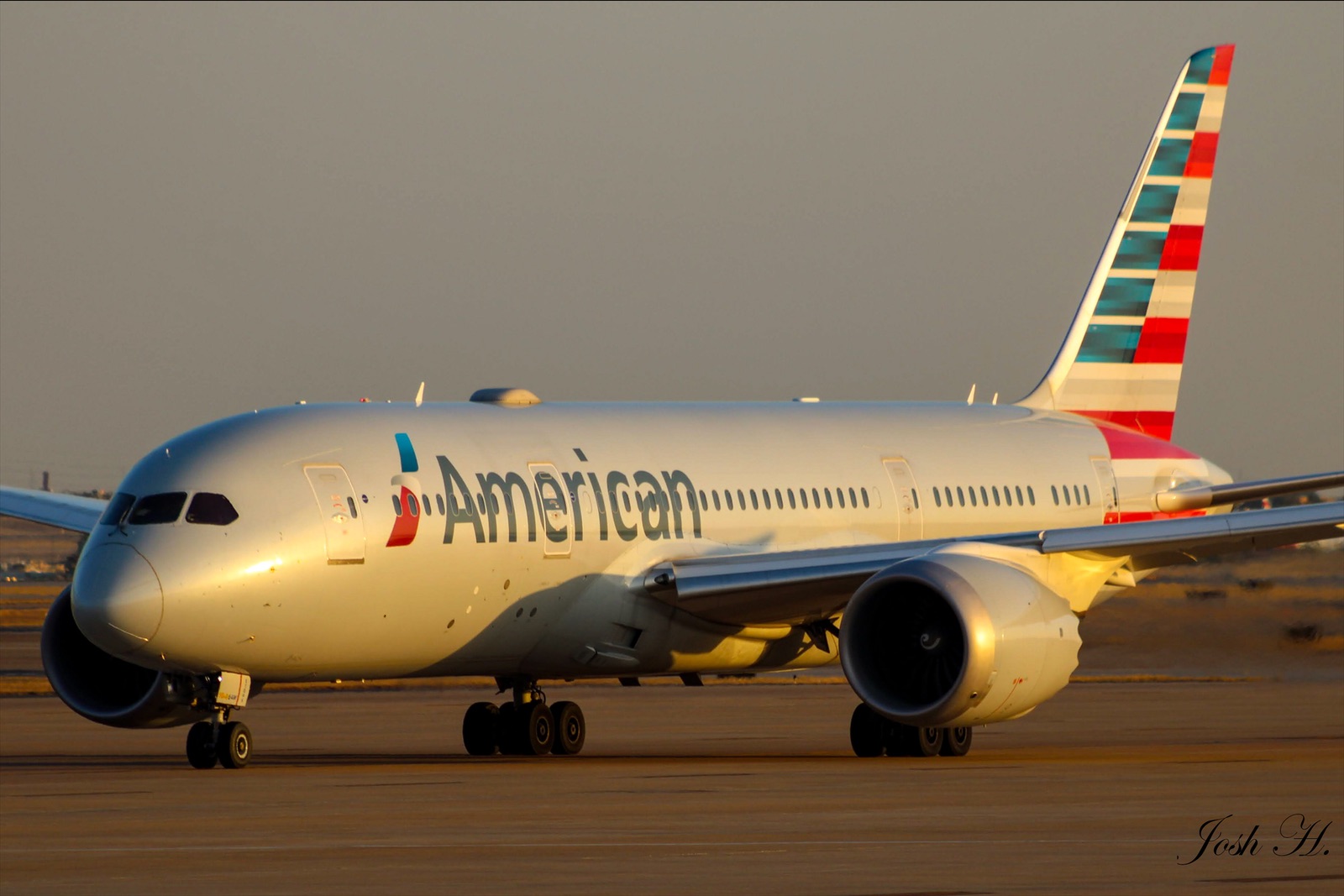

American Airlines flight attendants have a complaint that anyone who has sat through mandatory corporate e-learning can probably relate to. The computer-based training (CBT) modules they must complete are, in their words, excruciatingly long. And their union wants the airline to do something about it.
The Association of Professional Flight Attendants, which represents roughly 28,000 cabin crew at American Airlines, has raised concerns about the length and structure of the recurrent training modules that crew members are required to finish on a rolling basis. The union argues that the modules have grown bloated over time, packing in more material than can reasonably be absorbed in one sitting and pushing well past the time the airline actually pays attendants to complete them.
If you fly often, you probably take it for granted that the cabin crew has been drilled on everything from evacuation procedures to medical emergencies, security threats, and customer service standards. That training has to happen somewhere, and increasingly it happens on a laptop at the kitchen table rather than in a classroom. The question raised by APFA is not whether the training matters. It is whether the current delivery method respects the people taking it.

What the union is asking for
APFA has formally pressed American Airlines to break the modules into smaller, more digestible chunks. The union wants the carrier to reexamine how content is structured, how long each segment runs, and how flight attendants are compensated for the time they spend clicking through slides and answering quiz questions at home.
The core complaint is straightforward. Flight attendants say the modules can stretch on for hours, often longer than the paid time allotment American provides for finishing them. When the clock runs out before the training does, the remaining work effectively comes out of the crew member's own time.
That gap between scheduled pay and actual workload is the friction point. It is also a familiar argument across the industry, where unions at multiple carriers have pushed for clearer compensation rules around any work performed off the aircraft.

How AI Quietly Became the Backbone of Today’s Aviation Industry
Why this matters beyond the cabin
For aviation enthusiasts who follow labor issues at the major U.S. carriers, this dispute fits into a larger pattern. Flight attendants have spent the past several years pushing for boarding pay, better duty rigs, and recognition of the unpaid labor that surrounds the flying itself. Training time is the latest front.
American Airlines flight attendants ratified a new contract in 2024 that included boarding pay and significant raises. But contracts cannot anticipate every operational change, and the rollout of longer, more complex training modules has tested the boundaries of what crews believed they had agreed to. The union's position is that if the company wants to add content, it should also add time and pay to match.
From a safety standpoint, there is a practical argument as well. Training that runs too long in one block tends to produce diminishing returns. You retain less, you skim more, and the entire point of recurrent training, which is to keep procedures sharp, gets undermined. Splitting modules into shorter sessions spread across days or weeks is a well-established approach in adult learning. It is also how many other industries handle compliance education.

The airline's position
American Airlines has not publicly committed to restructuring the modules. The carrier maintains that its training program meets regulatory requirements set by the Federal Aviation Administration and covers the material crews need to perform their jobs safely. Both of those things can be true while the delivery method still frustrates the people sitting through it.
The FAA sets minimums for what must be covered in recurrent training, but it does not dictate how airlines package that content for crew consumption. That leaves considerable room for the carrier and the union to negotiate format, pacing, and compensation without running afoul of federal rules.
What to watch next
If you are tracking this story, a few things are worth keeping an eye on. The first is whether APFA escalates the dispute through the grievance process laid out in the current contract. Unions rarely take a public complaint this far without internal pressure from members, and that pressure tends to keep building until something visible changes.
The second is whether other carriers face similar pushback. Delta, United, and Southwest all rely on comparable computer-based training systems for their cabin crews. If American agrees to shorten or restructure its modules, expect flight attendant groups elsewhere to point at that as a template.
The third is the broader conversation about unpaid work in aviation. Boarding pay was the headline win of the last bargaining cycle. Training time may be the next category of off-aircraft work that unions try to formalize.
For passengers, none of this should change the experience of flying American in any direct way. The crews will still complete their training, the planes will still depart, and the safety briefings will still play before pushback. But the way that training gets built and paid for is shifting, and the people doing the clicking are no longer willing to absorb the cost in silence.
Why Aircraft Towing May Be One of the Last Frontiers of Autonomous Ground Operations » British Airways Finishes Starlink Wi-Fi Rollout Across Its A350 Fleet » How Delivery Delays Are Reshaping Aviation Sourcing »

Comments (0)
Add Your Comment
TAGS
NEWS American Airlines Flight Attendants Training Modules Crew Training Labor Relations Training Requirements Crew Welfare Training Programs Training Standards Airline Operations Labor Rights Industry StandardsRECENTLY PUBLISHED
 Catering to the Aircraft: What Crews Should Consider Before Ordering
Successful private jet catering starts with clear communication between flight crews and catering providers. SkyDine, a private jet catering company, explains how galley limitations, refrigeration, packaging and service expectations should influence choices, and why establishing clear expectations from the beginning is essential to a smooth onboard experience.
INFORMATIONAL
READ MORE »
Catering to the Aircraft: What Crews Should Consider Before Ordering
Successful private jet catering starts with clear communication between flight crews and catering providers. SkyDine, a private jet catering company, explains how galley limitations, refrigeration, packaging and service expectations should influence choices, and why establishing clear expectations from the beginning is essential to a smooth onboard experience.
INFORMATIONAL
READ MORE »
 So Long, A340: One Last Flight on Lufthansa’s Airbus A340-600
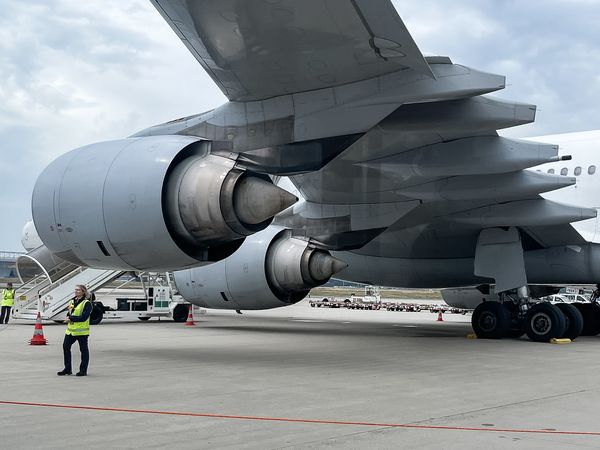
When the bus doors opened on the Frankfurt apron, two four-engine Airbuses were waiting in the gray morning light. On the left was D-AIFF, the last A340-300 delivered new to Lufthansa. On the right was D-AIHZ, Lufthansa’s final A340-600, and the aircraft that would carry me to New York.
TRIP REPORTS
READ MORE »
So Long, A340: One Last Flight on Lufthansa’s Airbus A340-600
When the bus doors opened on the Frankfurt apron, two four-engine Airbuses were waiting in the gray morning light. On the left was D-AIFF, the last A340-300 delivered new to Lufthansa. On the right was D-AIHZ, Lufthansa’s final A340-600, and the aircraft that would carry me to New York.
TRIP REPORTS
READ MORE »
 Why Airbus Needs 323 Deliveries in Three Months to Hit Its 2026 Target
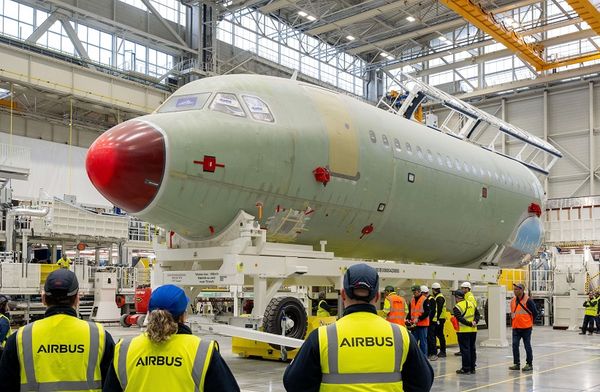
Airbus needs 323 aircraft deliveries in the final quarter of 2026 to hit its annual target of 870 jets. With supply chain shortages, A321neo quality issues, and a demanding year-end production schedule, can Airbus meet its delivery target while keeping airlines on track?
INFORMATIONAL
READ MORE »
Why Airbus Needs 323 Deliveries in Three Months to Hit Its 2026 Target
Airbus needs 323 aircraft deliveries in the final quarter of 2026 to hit its annual target of 870 jets. With supply chain shortages, A321neo quality issues, and a demanding year-end production schedule, can Airbus meet its delivery target while keeping airlines on track?
INFORMATIONAL
READ MORE »
More than just headlines.
Get unlimited ad-free access to in-depth aviation news, premium stories, and exclusive insights other sites don't cover.
- Ad-free browsing on AeroXplorer
- Unlimited access to premium and exclusive articles
- Higher photo upload limits & commissions on sales
- Free access to Jetstream Magazine on higher tiers
- Ad-free browsing
- Sell aviation photos with 60% commission
- First week free!
- Everything in Basic+
- Unlimited premium articles
- Sell aviation photos with 70% commission
- Free Digital subscription to Jetstream Magazine
- First week free!
- Everything in Basic+ and Pro
- Sell aviaiton photos with 80% commission
- Early access to exclusive stories
- Free Digital+Print subscription to Jetstream Magazine