
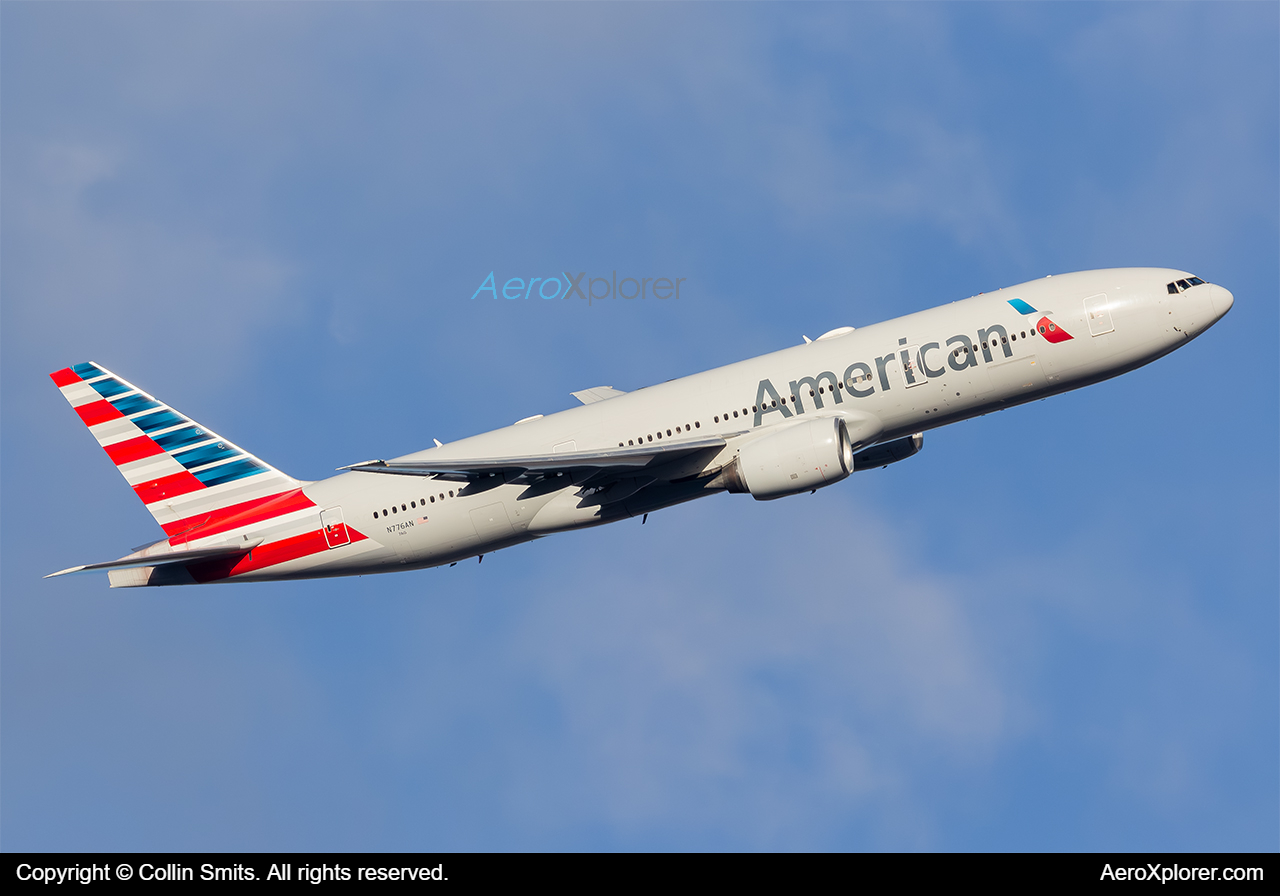
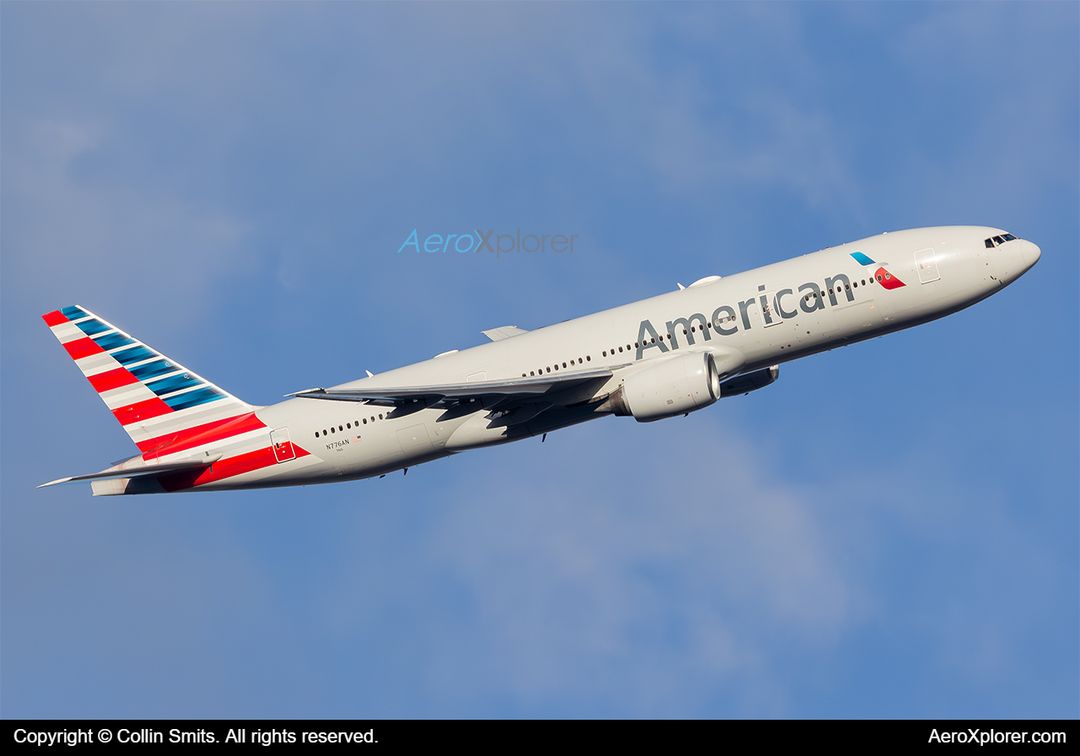
American Airlines and Google announced a sustainable aviation fuel agreement that the companies describe as the largest of its kind ever signed between an airline and a corporate customer. The deal marks a significant step in the aviation industry's effort to reduce carbon emissions tied to business travel.
Under the agreement, Google will fund the replacement of conventional jet fuel with sustainable aviation fuel, commonly known as SAF, on flights operated by American Airlines. The physical fuel will be delivered and blended through existing infrastructure at Chicago O'Hare International Airport. The arrangement covers the emissions associated with Google employee travel on the carrier, allowing the technology company to address a portion of its Scope 3 emissions, the indirect emissions generated across its value chain.
The agreement covers approximately 35 million gallons (132 million litres) of sustainable aviation fuel over three years, according to the companies, resulting in nearly 300,000 metric tons of carbon dioxide equivalent emissions reductions. That volume makes it the largest corporate SAF commitment American Airlines has secured to date.
Why the Deal Matters
Aviation accounts for roughly 2 to 3 percent of global carbon dioxide emissions, and the sector has faced mounting pressure from regulators, investors, and customers to find cleaner alternatives to traditional jet fuel. Sustainable aviation fuel, produced from sources such as used cooking oil, agricultural waste, and other renewable feedstocks, can reduce lifecycle greenhouse gas emissions by up to 80 percent compared with conventional jet fuel, depending on the feedstock and production method.
The challenge has been supply. SAF currently makes up less than 1 percent of global jet fuel consumption, and the cost typically runs two to five times higher than conventional fuel. That price gap has slowed adoption across the industry, even as airlines pledge to reach net zero emissions by 2050.
The American Airlines and Google agreement attempts to address that gap directly. By having a corporate customer help cover the premium cost of SAF, the deal creates a financial structure that can support broader adoption. Google receives credit for the emissions reductions, while American Airlines can scale up its use of cleaner fuel without absorbing the full cost premium alone.

Only Way Out: Private Aviation in a Region at War
A New Model for Corporate Travel
The arrangement reflects a growing trend among large corporations that want to reduce the environmental impact of employee travel. Rather than purchasing traditional carbon offsets, which have faced criticism over their effectiveness, companies are increasingly turning to what the industry calls book and claim systems. Under this approach, a corporate buyer pays for SAF to be used somewhere in the aviation system, even if that fuel is not physically loaded onto the specific flights its employees take. Google will receive its environmental credits through the SAFc Registry, which enables transparent and traceable tracking of sustainable aviation fuel certificates.
For Google, the deal represents one of the largest investments any technology company has made in sustainable aviation fuel. The company has set a goal of reaching net zero emissions across its operations and value chain by 2030, and business travel remains a significant contributor to its overall footprint.
American Airlines has set its own emissions targets, including a commitment to net zero greenhouse gas emissions by 2050 and an intermediate goal to replace 10 percent of its jet fuel with SAF by 2030. The Google agreement contributes meaningfully toward those targets.

Industry Implications
The deal carries weight beyond the two companies involved. Industry analysts have argued that SAF production will not scale without long-term purchase commitments that give producers the confidence to invest in new facilities. Agreements of this size send a signal to fuel producers, investors, and policymakers that demand for cleaner aviation fuel is real and growing.
Other major airlines, including United, Delta, and JetBlue, have signed similar corporate agreements in recent years, though typically at smaller volumes. The American Airlines and Google deal raises the bar for what corporate SAF commitments can look like.
Questions remain about how quickly the broader market can grow. SAF production capacity in the United States remains limited, and federal policy support, including tax credits established under the Inflation Reduction Act, continues to evolve. Producers have announced new facilities, but most are still in development or early operation phases.
For now, the agreement between American Airlines and Google stands as a notable benchmark in the airline industry's effort to decarbonize. Whether it serves as a one-off milestone or the start of a wave of similar deals will depend on how the SAF market develops in the coming years.
How Delivery Delays Are Reshaping Aviation Sourcing » Austrian Airlines Flight Diverts to Sofia Under Fighter Escort After Bomb Threat » Archer's Midnight eVTOL Completes Piloted Flights Across San Francisco Bay Area »

Comments (0)
Add Your Comment
TAGS
NEWS American Airlines Google SAF SAFc Sustainable Aviation Fuel DealRECENTLY PUBLISHED
 American Airlines Boeing 787 Makes Emergency Landing at O'Hare After Brake Issue, One Hospitalized
An American Airlines Boeing 787 makes an emergency landing to Chicago O'Hare after a brake problem.
NEWS
READ MORE »
American Airlines Boeing 787 Makes Emergency Landing at O'Hare After Brake Issue, One Hospitalized
An American Airlines Boeing 787 makes an emergency landing to Chicago O'Hare after a brake problem.
NEWS
READ MORE »
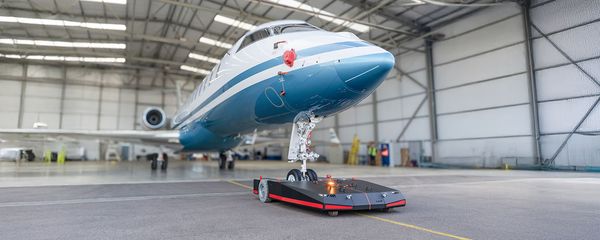 Why Aircraft Towing May Be One of the Last Frontiers of Autonomous Ground Operations
Ground support equipment has advanced steadily toward autonomy: baggage carts and pushback tractors, among others, are being designed to operate with minimal human intervention. Yet the aircraft itself – the single most valuable and structurally sensitive asset on the ramp – is still almost universally towed under direct human control.
STORIES
READ MORE »
Why Aircraft Towing May Be One of the Last Frontiers of Autonomous Ground Operations
Ground support equipment has advanced steadily toward autonomy: baggage carts and pushback tractors, among others, are being designed to operate with minimal human intervention. Yet the aircraft itself – the single most valuable and structurally sensitive asset on the ramp – is still almost universally towed under direct human control.
STORIES
READ MORE »
 British Airways Finishes Starlink Wi-Fi Rollout Across Its A350 Fleet
British Airways has installed SpaceX's Starlink Wi-Fi on every Airbus A350 in its fleet, offering passengers free high-speed internet on long-haul flights.
NEWS
READ MORE »
British Airways Finishes Starlink Wi-Fi Rollout Across Its A350 Fleet
British Airways has installed SpaceX's Starlink Wi-Fi on every Airbus A350 in its fleet, offering passengers free high-speed internet on long-haul flights.
NEWS
READ MORE »
More than just headlines.
Get unlimited ad-free access to in-depth aviation news, premium stories, and exclusive insights other sites don't cover.
- Ad-free browsing on AeroXplorer
- Unlimited access to premium and exclusive articles
- Higher photo upload limits & commissions on sales
- Free access to Jetstream Magazine on higher tiers
- Ad-free browsing
- Sell aviation photos with 60% commission
- First week free!
- Everything in Basic+
- Unlimited premium articles
- Sell aviation photos with 70% commission
- Free Digital subscription to Jetstream Magazine
- First week free!
- Everything in Basic+ and Pro
- Sell aviaiton photos with 80% commission
- Early access to exclusive stories
- Free Digital+Print subscription to Jetstream Magazine