
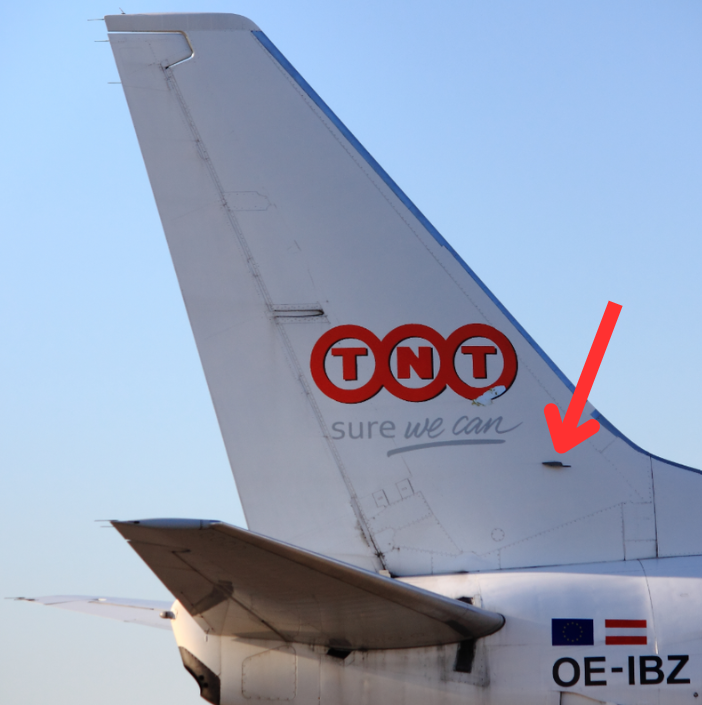
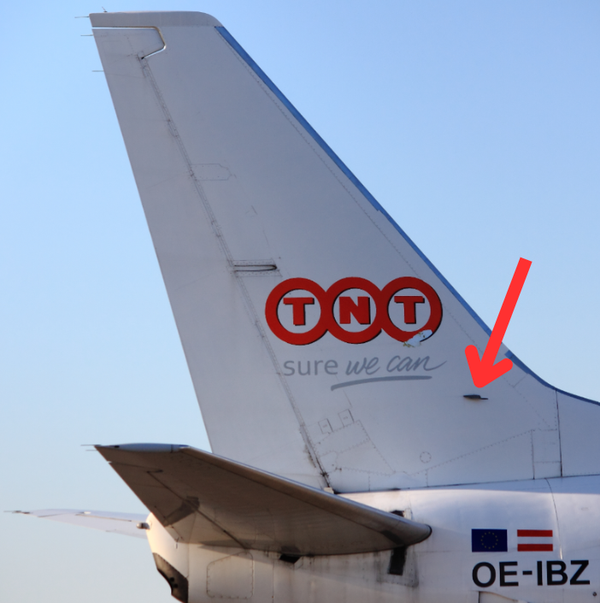
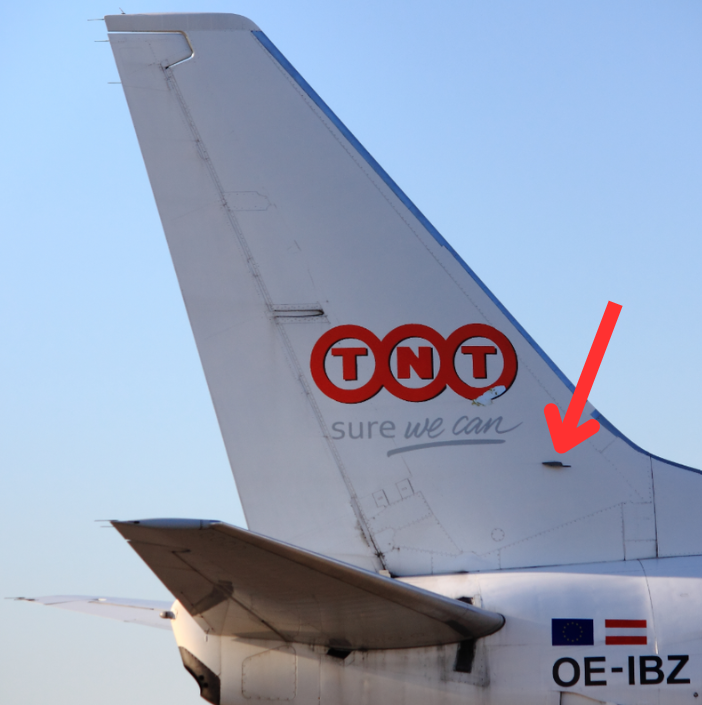
Most pitot tubes on an airliner sit near the nose, feeding the airspeed indicators pilots watch throughout the flight. The Boeing 737 carries two more, mounted on the dorsal fin at the base of the vertical stabilizer, and they are not there to tell the crew how fast the aircraft is flying.
A Pitot Tube with a Different Job
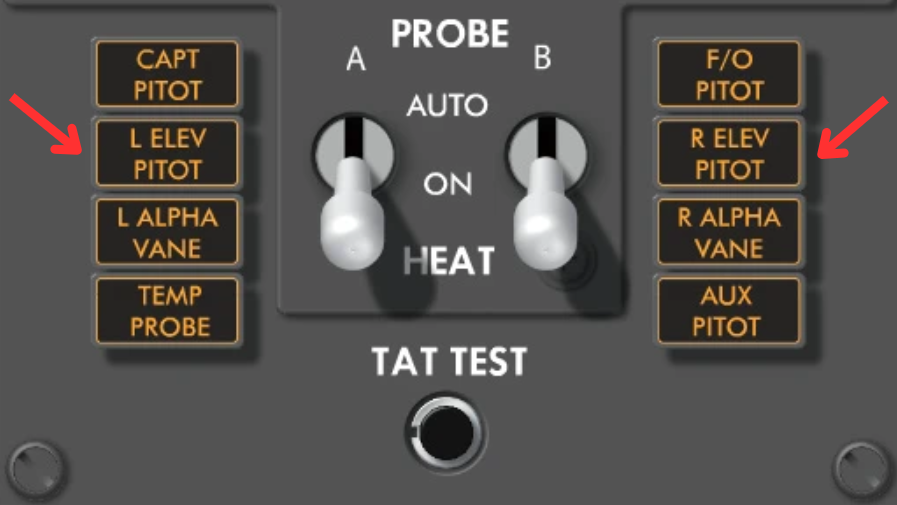
These tail-mounted probes exist purely to feed the elevator feel and centering unit, a system that has nothing to do with the airspeed shown on the cockpit displays. Instead, they measure dynamic pressure at the tail and pass that data straight into the mechanism that controls how much force a pilot feels through the control column. Like the pitot tubes near the nose, these probes are not immune to the cold at altitude either. They carry their own electrical anti-icing elements, rated to keep functioning in temperatures as low as -55 degrees, since a frozen sensor here would be just as much of a problem as one feeding the main airspeed indicator.
Why the 737 Needs Artificial Feel
The 737 uses fully manual, cable-and-pulley flight controls rather than a fly-by-wire system, which means the resistance a pilot feels in the yoke has to be manufactured artificially rather than occurring naturally through hydraulics or computer input. Without that artificial resistance, the control column would feel identical whether the aircraft was flying at 150 knots or 350 knots, and that consistency would actually work against safe handling. As airspeed increases, the elevator feel unit increases the force required to move the control column, and reduces it at lower speeds when more elevator authority is genuinely needed. This prevents a pilot from over-deflecting the elevator at high speed, an input that could otherwise cause a sudden pitch change or place damaging structural loads on the tail.
Why the Tail, Specifically
Boeing's own technical documentation refers to these as the elevator pitot probes, and every 737 series, from the original 100/200 through the NG and MAX, carries them in the same general location on the tail fin. That has stayed constant even as other parts of the pitot-static layout changed considerably across the aircraft's history. On the NG, for example, the static ports were relocated from the nose to the mid-fuselage, a change made partly to move sensitive equipment away from areas where airbridges and ground vehicles routinely operate close to the fuselage. The elevator pitot tubes on the tail fin, however, remained exactly where they had always been.
Not Every Variant Follows the Same Layout
There is one notable exception to that modernization. Freighter versions of the 737 retain the older, Classic-style pitot-static arrangement rather than adopting the NG's relocated static ports. The reason comes down to the side cargo door fitted to freighter aircraft, which would interfere with static ports positioned at the mid-fuselage location used on passenger NG variants. It is a small but practical reminder that even a standardized system like pitot-static instrumentation still bends around the physical realities of how a particular aircraft variant is built and operated.

How AI Quietly Became the Backbone of Today’s Aviation Industry
A Small Detail with a Real Purpose
It is easy to assume every probe on an airliner performs the same job, but the 737's tail-mounted pitot tubes are a reminder that airspeed data serves more than one system on the aircraft. On a jet that still relies on mechanical flight controls, tucking a dedicated, heated pressure sensor into the tail is what keeps the control feel consistent and safe across the aircraft's full speed range, decade after decade and variant after variant.
Ryanair Boeing 737 Aborts Takeoff at Alicante Airport, Civil Aviation Commission Launches Investigation » Pilot Tried to Crash Flight Bound for Israel After Stabbing Co-Pilot » US Moves to Accelerate Aircraft Certification Citing Competition from China's Aviation Industry »

Comments (0)
Add Your Comment
TAGS
INFORMATIONAL Boeing Pitot Probe Rudder Elevator Vertical Stabilizer B737 B737NGRECENTLY PUBLISHED
 American Airlines Swaps Landline Buses for CRJ-700 Flights on 84-Mile South Bend to Chicago Route
American Airlines replaces its South Bend to Chicago Landline bus service with CRJ-700 regional jet flights starting today, cutting travel to 84 miles by air.
ROUTES
READ MORE »
American Airlines Swaps Landline Buses for CRJ-700 Flights on 84-Mile South Bend to Chicago Route
American Airlines replaces its South Bend to Chicago Landline bus service with CRJ-700 regional jet flights starting today, cutting travel to 84 miles by air.
ROUTES
READ MORE »
 Aviation Fuel Prices Hit Six-Month High in September
Aviation fuel prices surged to their highest level in six months during September 2026, with jet-A and avgas posting notable gains.
NEWS
READ MORE »
Aviation Fuel Prices Hit Six-Month High in September
Aviation fuel prices surged to their highest level in six months during September 2026, with jet-A and avgas posting notable gains.
NEWS
READ MORE »
 British Airways Unveils World's Largest Business Class Cabin With 106 Seats Aboard Refurbished A380 Fleet
British Airways reveals a record-setting 106-seat Club Suite business class cabin as part of a multi-billion pound A380 refurbishment program.
NEWS
READ MORE »
British Airways Unveils World's Largest Business Class Cabin With 106 Seats Aboard Refurbished A380 Fleet
British Airways reveals a record-setting 106-seat Club Suite business class cabin as part of a multi-billion pound A380 refurbishment program.
NEWS
READ MORE »
More than just headlines.
Get unlimited ad-free access to in-depth aviation news, premium stories, and exclusive insights other sites don't cover.
- Ad-free browsing on AeroXplorer
- Unlimited access to premium and exclusive articles
- Higher photo upload limits & commissions on sales
- Free access to Jetstream Magazine on higher tiers
- Ad-free browsing
- Sell aviation photos with 60% commission
- First week free!
- Everything in Basic+
- Unlimited premium articles
- Sell aviation photos with 70% commission
- Free Digital subscription to Jetstream Magazine
- First week free!
- Everything in Basic+ and Pro
- Sell aviaiton photos with 80% commission
- Early access to exclusive stories
- Free Digital+Print subscription to Jetstream Magazine