
A Westjet 737MAX aircraft returned to the gate on Friday after suffering a potential fault. The flight was heading to Toronto from Calgary when the incident occurred. All of the 35 passengers on board were switched to another aircraft and made it to Toronto with just a minor delay.
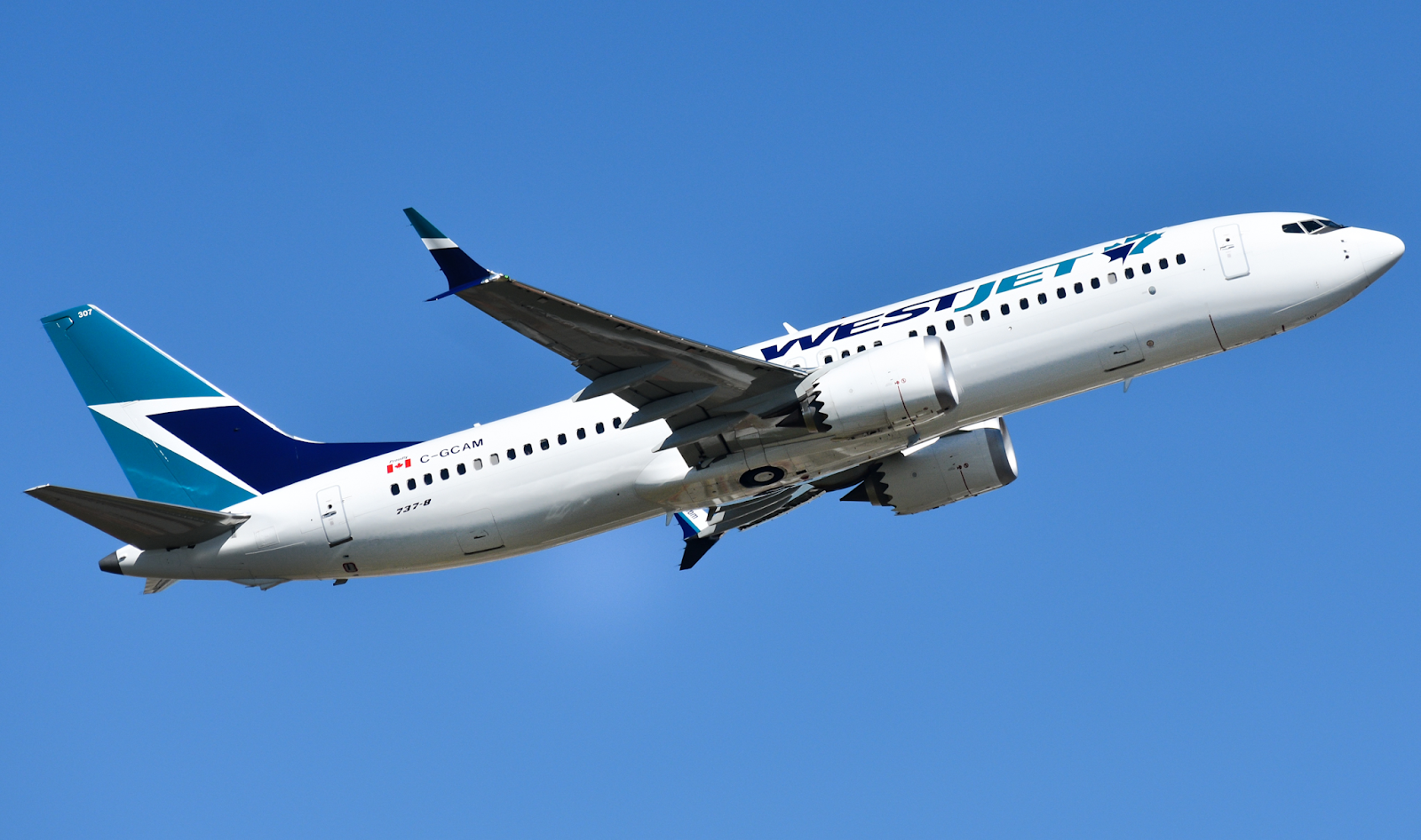
The reasoning behind the return to the gate was reportedly an issue regarding a "function of the health monitoring system" noticed just after starting the engines. In order for the flight to be operated safely, there had to be an engine run, which is when the engines are left to run/move for a period of time under an often light, but sometimes heavy or medium load, something the Canadian airline said they "do not perform with guests onboard". The issue occurred just one day after the airline brought the controversial 737MAX aircraft back into service. The airline was only the 5th worldwide to put the type back into service. This means that the plane was already under a microscope and was expected to perform flawlessly, so the issue was not at all a good look for WestJet or Boeing.
Many have taken to social media to criticize the MAX, with many saying this incident makes them even more likely to not fly the aircraft, and others simply saying that Westjet should have prepared and tested their aircraft more before putting passengers onboard. Nonetheless, this was an incident that was thankfully averted, yet will have a lasting impact on the reputation of WestJet because of all the attention given to this mishap.
Delta Aircraft Isolated at Ben Gurion Airport Following Bomb Threat » This Week in Aviation: The 10 Stories That Mattered Most » Boeing's Touchscreen Flight Controls for 737 Draw Sharp Criticism from Pilots »

Comments (0)
Add Your Comment
SHARE
TAGS
NEWS WestJet Delay MAX 737 737MAX Canada Aviation PlaneRECENTLY PUBLISHED
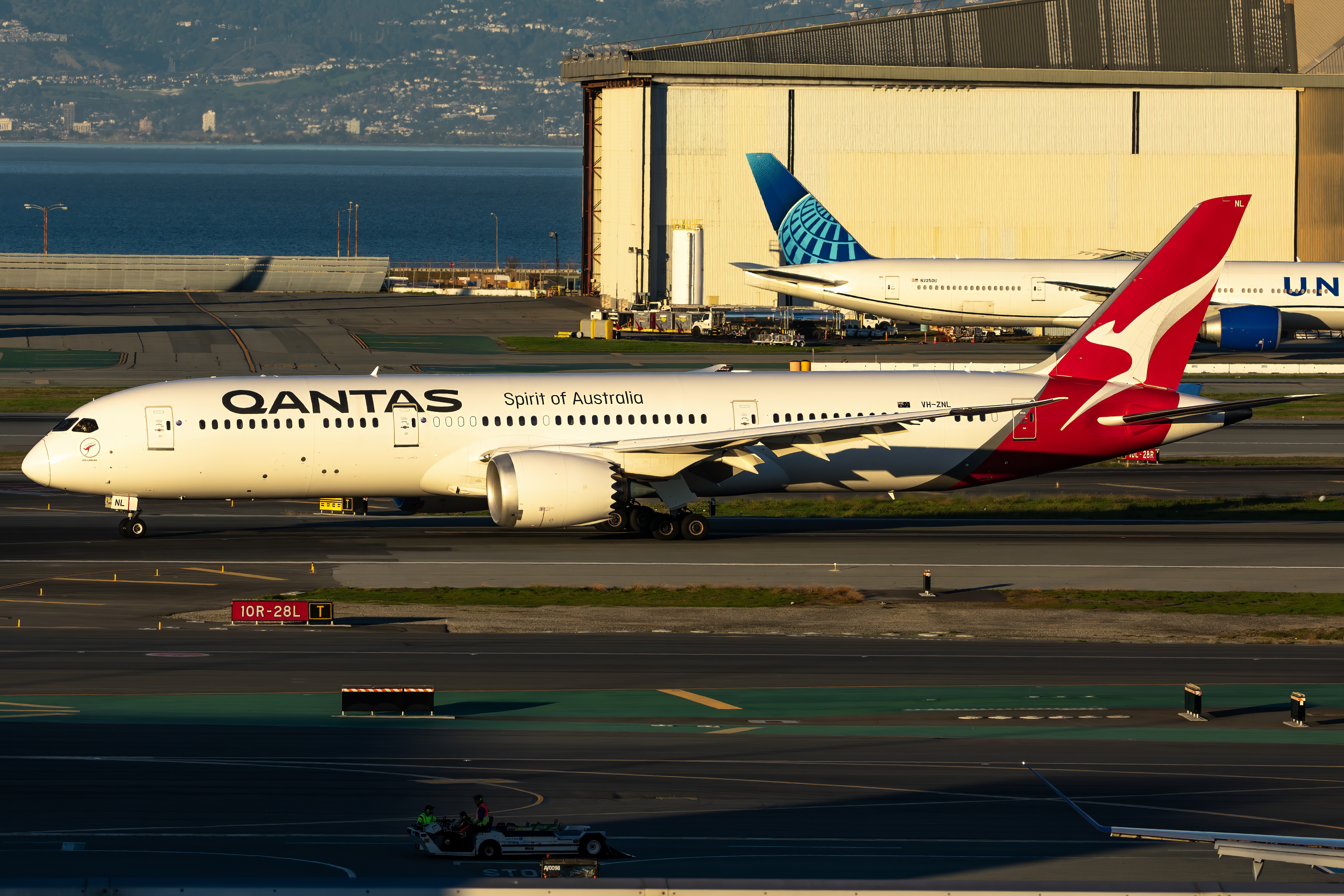 Qantas Grounds Plane After Passengers Report Bedbug Bites on Flight
Qantas pulled an aircraft from service after passengers reported bedbug bites during flight QF5.
NEWS
READ MORE »
Qantas Grounds Plane After Passengers Report Bedbug Bites on Flight
Qantas pulled an aircraft from service after passengers reported bedbug bites during flight QF5.
NEWS
READ MORE »
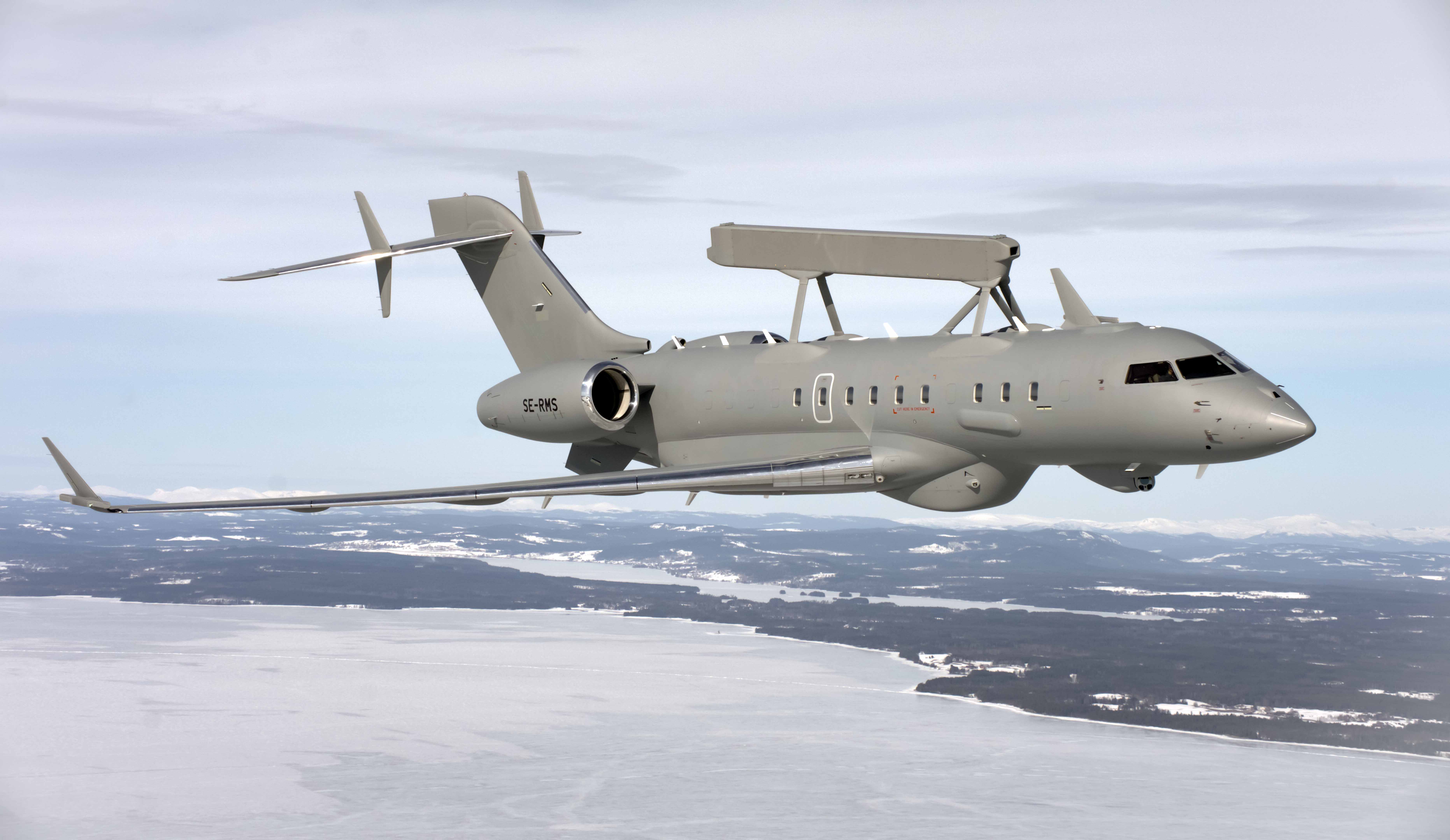 Saab Weighs Canadian GlobalEye Production Line to Match Growing Surveillance Aircraft Orders
Saab is considering establishing GlobalEye production in Canada as demand for the airborne early warning aircraft climbs across NATO nations.
NEWS
READ MORE »
Saab Weighs Canadian GlobalEye Production Line to Match Growing Surveillance Aircraft Orders
Saab is considering establishing GlobalEye production in Canada as demand for the airborne early warning aircraft climbs across NATO nations.
NEWS
READ MORE »
 Lawmakers Press FAA to Suspend AI Air Traffic Control Tool at Washington-Area Airports
Senators and union leaders urge the FAA to pause an AI-driven air traffic management tool at DC airports, citing safety concerns.
NEWS
READ MORE »
Lawmakers Press FAA to Suspend AI Air Traffic Control Tool at Washington-Area Airports
Senators and union leaders urge the FAA to pause an AI-driven air traffic management tool at DC airports, citing safety concerns.
NEWS
READ MORE »