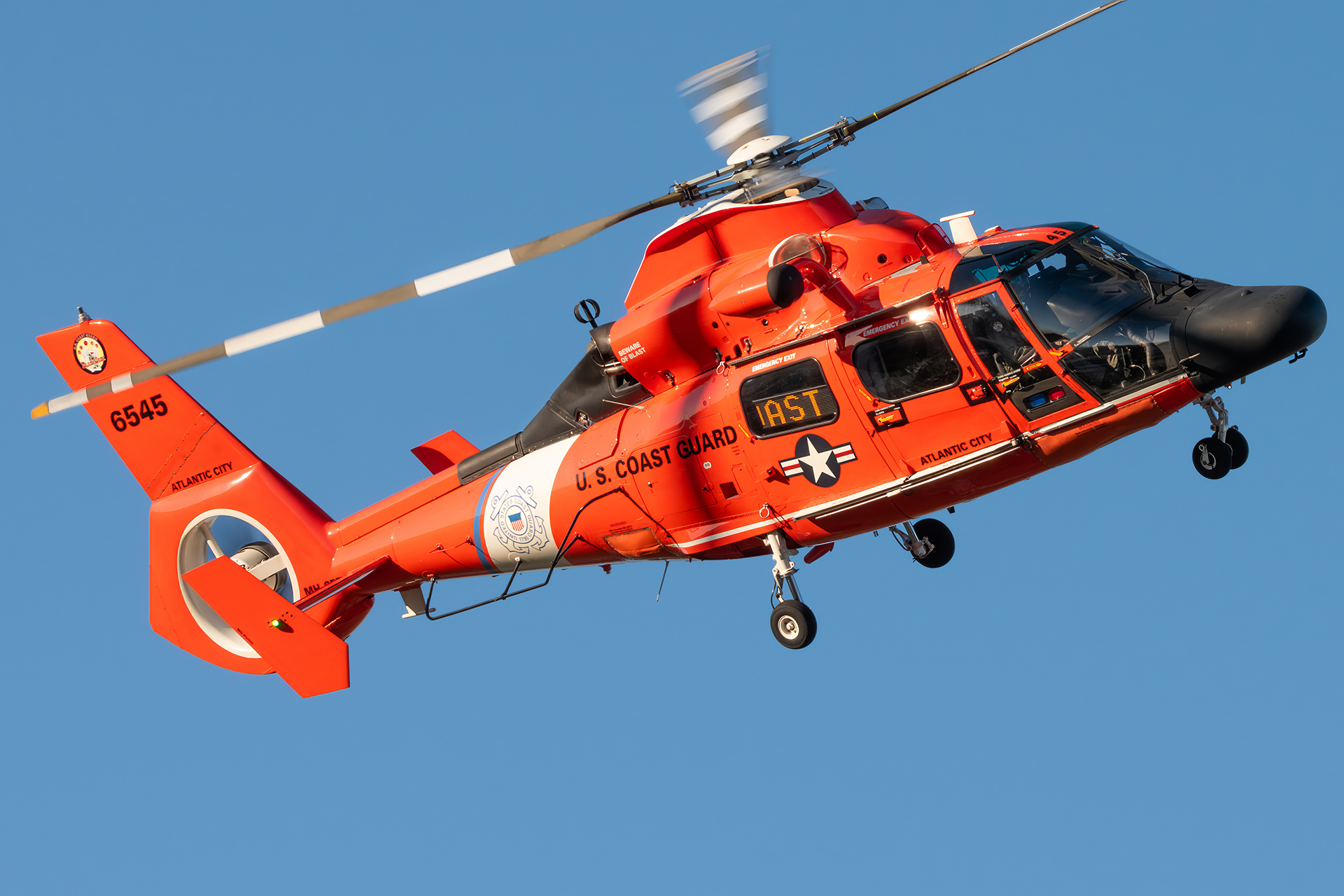

A United States Coast Guard helicopter crashed during a routine training flight, triggering an immediate emergency response and an investigation into the cause of the accident. The incident has raised fresh questions about training operations and aircraft safety within one of the nation's busiest maritime branches.
According to information published by Vertical Magazine, the aircraft involved was an MH-65 Dolphin helicopter assigned to Coast Guard operations. The crew was conducting a training exercise when the aircraft went down, prompting a swift response from nearby units and emergency personnel.
What We Know So Far
The crash occurred during a planned training mission, a type of flight the Coast Guard routinely conducts to maintain readiness for search and rescue, law enforcement, and maritime security operations. Training flights make up a significant portion of Coast Guard aviation hours, and crews regularly practice maneuvers ranging from hoist operations to low-altitude navigation.
Officials have confirmed that the helicopter went down during the exercise, but details surrounding the specific circumstances remain limited as investigators begin their work. The Coast Guard has not yet released a comprehensive account of the moments leading up to the crash, including altitude, flight pattern, or weather conditions at the time of the incident.
Emergency response teams reached the crash site shortly after the aircraft went down. Rescue crews focused on locating and recovering the personnel aboard, while securing the area for the subsequent investigation.

Photo: AeroXplorer/ Sam B
The Aircraft Involved
The MH-65 Dolphin serves as one of the Coast Guard's primary short-range recovery helicopters. The twin-engine aircraft operates from Coast Guard air stations and cutters across the country and abroad. Crews rely on the Dolphin for a wide range of missions, including search and rescue, drug interdiction, migrant interdiction, and homeland security patrols.
The Dolphin has served the Coast Guard for decades, becoming a familiar sight along American coastlines. Its compact size allows it to land on cutter flight decks, making it a versatile tool for offshore operations. The Coast Guard has continued to upgrade the airframe over the years to extend its service life and improve its capabilities.
Like any aircraft operating in demanding maritime environments, the Dolphin faces wear from saltwater exposure, frequent hoist operations, and the rigors of low-altitude flight. The Coast Guard maintains a rigorous inspection and maintenance regimen to keep the fleet flight-ready.

The Hidden Cost: Why Airlines Are Rethinking Fleet Simplification
Training Operations and Risk
Training flights, while essential to operational readiness, carry inherent risks. Coast Guard aviators routinely practice scenarios that simulate real-world rescues, often in challenging conditions designed to prepare crews for the worst situations they may encounter at sea. These exercises can involve low hovers, water rescues, night operations, and complex coordination between aircraft and surface vessels.
The Coast Guard tracks every flight hour, mishap, and near-miss to identify trends and improve safety protocols. Each incident, regardless of severity, typically triggers a formal review process that examines crew actions, aircraft systems, maintenance records, and environmental factors.
Aviation safety officials will likely examine flight data recorders, maintenance logs, and crew statements as they piece together what happened. Such investigations often take months to complete, and final reports detail not only the immediate cause but also any contributing factors that could inform future training and procedures.
Response and Recovery
Coast Guard officials have not yet released full details regarding the status of the crew members aboard the helicopter at the time of the crash. Family notifications, when required, typically take priority before the service releases names or detailed personal information.
Recovery operations at crash sites can prove complex, particularly when an aircraft goes down over water or in remote terrain. Salvage teams work to recover the wreckage for forensic examination, a process that helps investigators understand what failed and why.
The Coast Guard has a history of transparency in its investigations, often publishing findings to share lessons learned across the aviation community. These reports contribute to broader safety improvements that benefit not only the Coast Guard but also other military and civilian operators flying similar aircraft.

A Broader Pattern of Aviation Incidents
The crash adds to a series of military aviation incidents in recent years that have prompted scrutiny of training tempo, aircraft maintenance, and crew rest policies. While each incident has its own specific causes, aviation safety experts have raised broader concerns about the sustainability of current operational demands across the services.
The Coast Guard, which falls under the Department of Homeland Security rather than the Department of Defense, operates a smaller aviation fleet than its military counterparts but maintains a high operational tempo given its responsibilities for coastal security, search and rescue, and law enforcement.
What Comes Next
The Coast Guard will conduct a formal investigation into the crash, examining every aspect of the flight and the aircraft's condition. Officials will work to determine whether mechanical failure, pilot factors, environmental conditions, or some combination of factors contributed to the accident.
In the meantime, the service is expected to continue its operational and training missions, though commanders may implement temporary safety measures pending the outcome of the investigation. Such measures often include additional inspections, modified training protocols, or operational restrictions on specific aircraft types.
For the families of the crew members and the broader Coast Guard community, the incident serves as a sobering reminder of the risks aviators accept every time they take to the skies. The service has pledged to provide updates as new information becomes available and as the investigation progresses.
Ryanair Demands NATS Chief Resign After Second Air Traffic Control Failure in Two Weeks » Virgin Australia Cancels Flights After Cabin Crew Call In Sick, Citing Exhaustion » Super Puma Firefighting Helicopter Crashes at Yosemite, Killing Both Pilots »

Comments (0)
Add Your Comment
TAGS
NEWS U.S. Coast Guard Helicopter Crash Hawaii Training Flight Aviation Safety NTSB InvestigationRECENTLY PUBLISHED
 UAE Suspends Iranian Airline Flights to Comply With US Sanctions, Triggering Retaliatory Airspace Ban From Tehran
The UAE has halted all Iranian carrier operations to comply with reimposed US sanctions, prompting Iran to bar Emirati airlines from its airspace.
NEWS
READ MORE »
UAE Suspends Iranian Airline Flights to Comply With US Sanctions, Triggering Retaliatory Airspace Ban From Tehran
The UAE has halted all Iranian carrier operations to comply with reimposed US sanctions, prompting Iran to bar Emirati airlines from its airspace.
NEWS
READ MORE »
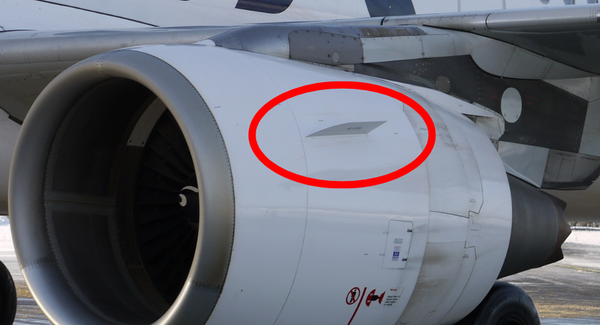 What Are Strakes? The Aerodynamic Fins Attached on an Aircraft's Fuselage
A look at how aircraft strakes quietly shape airflow, improve stability, and enhance aerodynamic performance.
INFORMATIONAL
READ MORE »
What Are Strakes? The Aerodynamic Fins Attached on an Aircraft's Fuselage
A look at how aircraft strakes quietly shape airflow, improve stability, and enhance aerodynamic performance.
INFORMATIONAL
READ MORE »
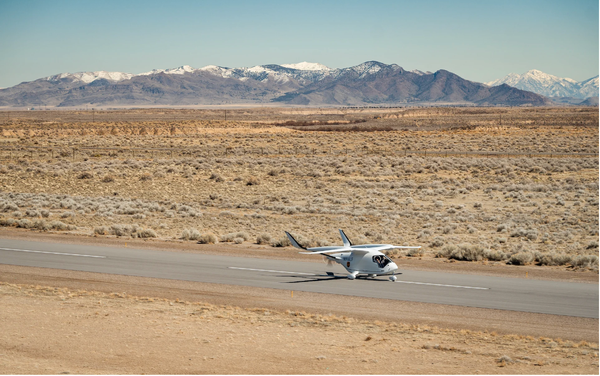 BETA Technologies Begins Electric Aircraft Operations in North Carolina to Support Rural Healthcare Access
BETA Technologies launches its ALIA CTOL electric aircraft in North Carolina under a FAA program aimed at improving rural healthcare logistics.
NEWS
READ MORE »
BETA Technologies Begins Electric Aircraft Operations in North Carolina to Support Rural Healthcare Access
BETA Technologies launches its ALIA CTOL electric aircraft in North Carolina under a FAA program aimed at improving rural healthcare logistics.
NEWS
READ MORE »
More than just headlines.
Get unlimited ad-free access to in-depth aviation news, premium stories, and exclusive insights other sites don't cover.
- Ad-free browsing on AeroXplorer
- Unlimited access to premium and exclusive articles
- Higher photo upload limits & commissions on sales
- Free access to Jetstream Magazine on higher tiers
- Ad-free browsing
- Sell aviation photos with 60% commission
- First week free!
- Everything in Basic+
- Unlimited premium articles
- Sell aviation photos with 70% commission
- Free Digital subscription to Jetstream Magazine
- First week free!
- Everything in Basic+ and Pro
- Sell aviaiton photos with 80% commission
- Early access to exclusive stories
- Free Digital+Print subscription to Jetstream Magazine