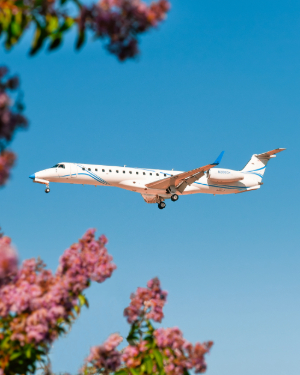
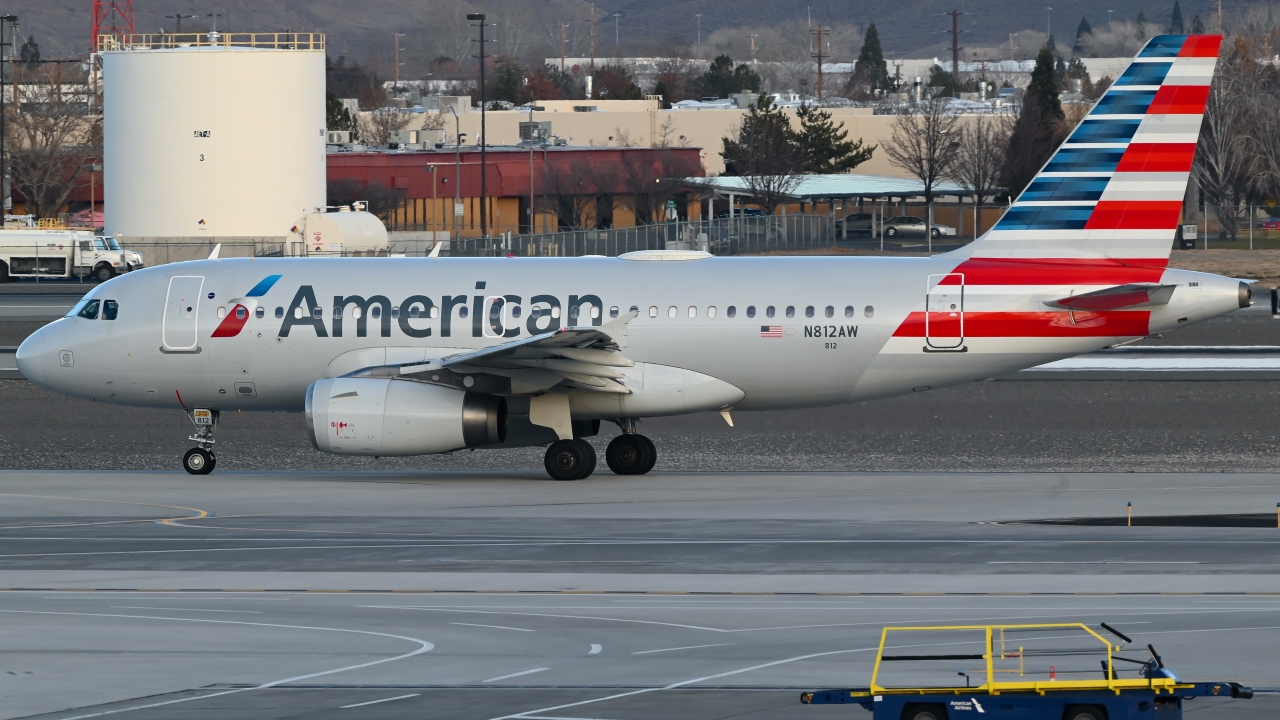

Major US airlines are pulling back on flight schedules as jet fuel prices continue to climb, forcing carriers to rethink capacity plans for the months ahead.
The decision comes as fuel costs, which represent one of the largest expenses for any airline, keep pressuring already thin profit margins. Several carriers have announced they will reduce the number of flights offered, particularly on routes where demand has softened or where operating costs no longer justify the service.
What is happening
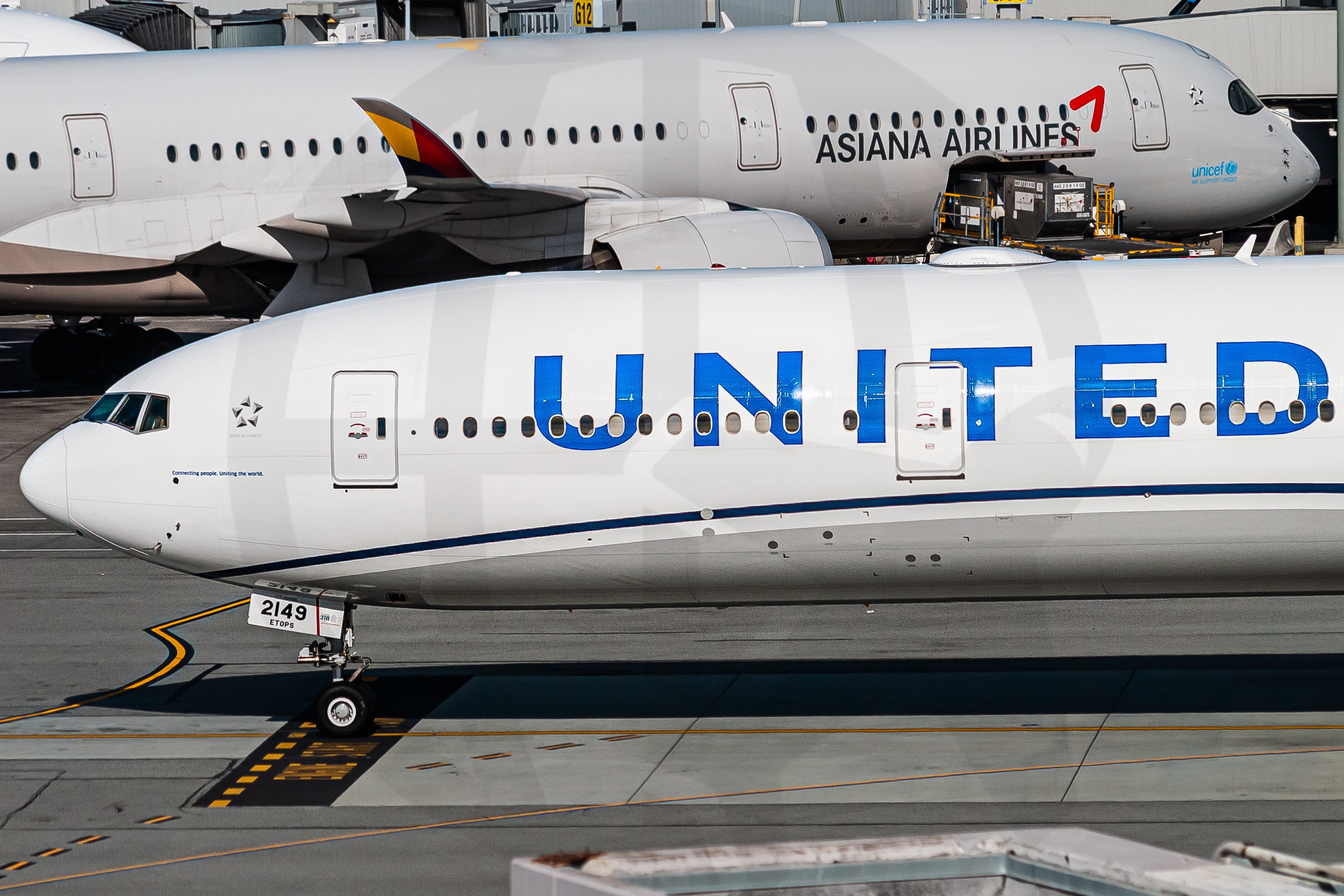
US airlines are trimming their flight schedules in response to two forces working against them at the same time. Jet fuel prices have moved higher in recent weeks, and passenger demand has cooled compared to the peaks seen earlier in the recovery from the pandemic.
Carriers including American Airlines, Southwest Airlines, Alaska Airlines, and JetBlue have signaled plans to cut capacity. The reductions are aimed at protecting margins rather than chasing growth in a market where costs are rising faster than ticket revenue.
The Cockpit’s Next Revolution: When the Co-Pilot Is a Computer
For travelers, the cuts could mean fewer options on certain routes, tighter availability during peak travel windows, and potentially higher fares as airlines work to match seat supply with the demand that remains.
Why fuel prices matter so much
Fuel typically ranks as the first or second largest cost for any airline, often trading places with labor depending on the year. When jet fuel prices rise sharply, the impact hits the bottom line almost immediately because carriers cannot easily pass every increase on to passengers without hurting bookings.
Airlines use a mix of hedging strategies, route adjustments, and fare changes to absorb fuel shocks. When those tools are not enough, the next step is usually capacity reduction. Cutting flights lowers total fuel burn and helps firm up pricing on the flights that remain in the schedule.

Demand is softening
Alongside higher fuel costs, US carriers are watching signs of weaker passenger demand. The travel boom that followed the reopening of borders and the lifting of pandemic restrictions has leveled off. Business travel has not fully returned to pre-pandemic levels on many corporate routes, and leisure travelers are showing more caution about discretionary spending.
The combination of rising costs and cooler demand puts airlines in a difficult position. Adding flights without enough passengers to fill them wastes fuel and crew hours. Keeping too many seats in the market pushes fares down at exactly the moment carriers need pricing power to offset higher expenses.
Which routes are affected
Airlines are focusing their cuts on routes where the math no longer works. That typically means shorter regional flights, off-peak departures, and markets where multiple carriers compete for a limited pool of passengers. Long haul international flying, which tends to generate higher revenue per seat, has so far been more insulated from the reductions.

How AI Quietly Became the Backbone of Today’s Aviation Industry
Some carriers are also delaying planned expansions or scaling back growth targets for the year. Fleet decisions, hiring plans, and route launches are being reviewed as executives try to align their networks with the new cost environment.
What this means for passengers
If you have travel booked in the coming months, expect airlines to communicate schedule changes as they adjust their networks. Some flights may be canceled outright, with passengers rebooked onto nearby departures. Others may be consolidated, meaning your flight time could shift by a few hours.
Fares are another concern. With fewer seats in the market and higher costs to cover, ticket prices could edge up on affected routes. Travelers who book early and remain flexible on dates and times will have the best chance of finding reasonable fares.
Loyalty program members may also notice fewer award seats available on popular routes, as airlines prioritize revenue passengers when capacity is tight.

The broader picture
The current pullback reflects a familiar cycle in the airline industry. When fuel prices rise and demand softens, carriers cut capacity to defend margins. When conditions improve, they add flights back. What makes this moment different is the speed at which fuel costs have moved and the uncertainty about how long the demand slowdown will last.
Analysts are watching quarterly earnings closely to see how deeply the fuel spike will cut into airline profits. Carriers with strong balance sheets and disciplined cost management are expected to weather the environment better than those already carrying heavy debt loads from the pandemic years.
For now, the message from US airlines is clear. Fewer flights, tighter capacity, and a focus on protecting profitability rather than chasing market share. Passengers should plan accordingly and keep an eye on schedule updates from their preferred carriers.
Amazon Suspends Cargo Carrier 21 Air After Deadly Miami Runway Crash » Congressman Tom Tiffany Survives Emergency Plane Landing in Lake Wausau » Emirates Wins Approval for Direct Berlin Flights After 22-Year Push »

Comments (0)
Add Your Comment
TAGS
NEWS Flight Cuts US Carriers United States Fuel Prices Southwest Alaska Airlines UnitedRECENTLY PUBLISHED
 Thousands of Flights Delayed or Canceled as Travel Disruptions Sweep Across the U.S.
More than 2,234 flights delayed and 237 canceled as widespread disruptions hit U.S. air travel. Here's what travelers need to know right now.
NEWS
READ MORE »
Thousands of Flights Delayed or Canceled as Travel Disruptions Sweep Across the U.S.
More than 2,234 flights delayed and 237 canceled as widespread disruptions hit U.S. air travel. Here's what travelers need to know right now.
NEWS
READ MORE »
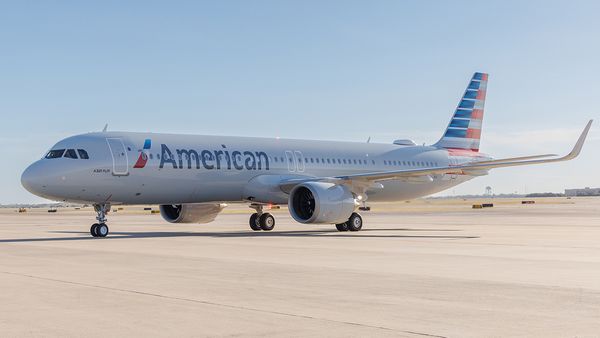 American Airlines Grapples With Faulty Business Class Seats on New Airbus A321XLR Fleet
American Airlines is blocking broken business class suites on its new Airbus A321XLR jets, disrupting premium travelers on transatlantic routes.
NEWS
READ MORE »
American Airlines Grapples With Faulty Business Class Seats on New Airbus A321XLR Fleet
American Airlines is blocking broken business class suites on its new Airbus A321XLR jets, disrupting premium travelers on transatlantic routes.
NEWS
READ MORE »
 NBC NewsChopper 4 Crash in Los Angeles Kills Three, Injures Two While Covering Fatal Bus Collision
An NBC News helicopter crashed in Chatsworth while covering a fatal LA bus collision, killing three and injuring two others in a devastating incident.
NEWS
READ MORE »
NBC NewsChopper 4 Crash in Los Angeles Kills Three, Injures Two While Covering Fatal Bus Collision
An NBC News helicopter crashed in Chatsworth while covering a fatal LA bus collision, killing three and injuring two others in a devastating incident.
NEWS
READ MORE »
More than just headlines.
Get unlimited ad-free access to in-depth aviation news, premium stories, and exclusive insights other sites don't cover.
- Ad-free browsing on AeroXplorer
- Unlimited access to premium and exclusive articles
- Higher photo upload limits & commissions on sales
- Free access to Jetstream Magazine on higher tiers
- Ad-free browsing
- Sell aviation photos with 60% commission
- First week free!
- Everything in Basic+
- Unlimited premium articles
- Sell aviation photos with 70% commission
- Free Digital subscription to Jetstream Magazine
- First week free!
- Everything in Basic+ and Pro
- Sell aviaiton photos with 80% commission
- Early access to exclusive stories
- Free Digital+Print subscription to Jetstream Magazine