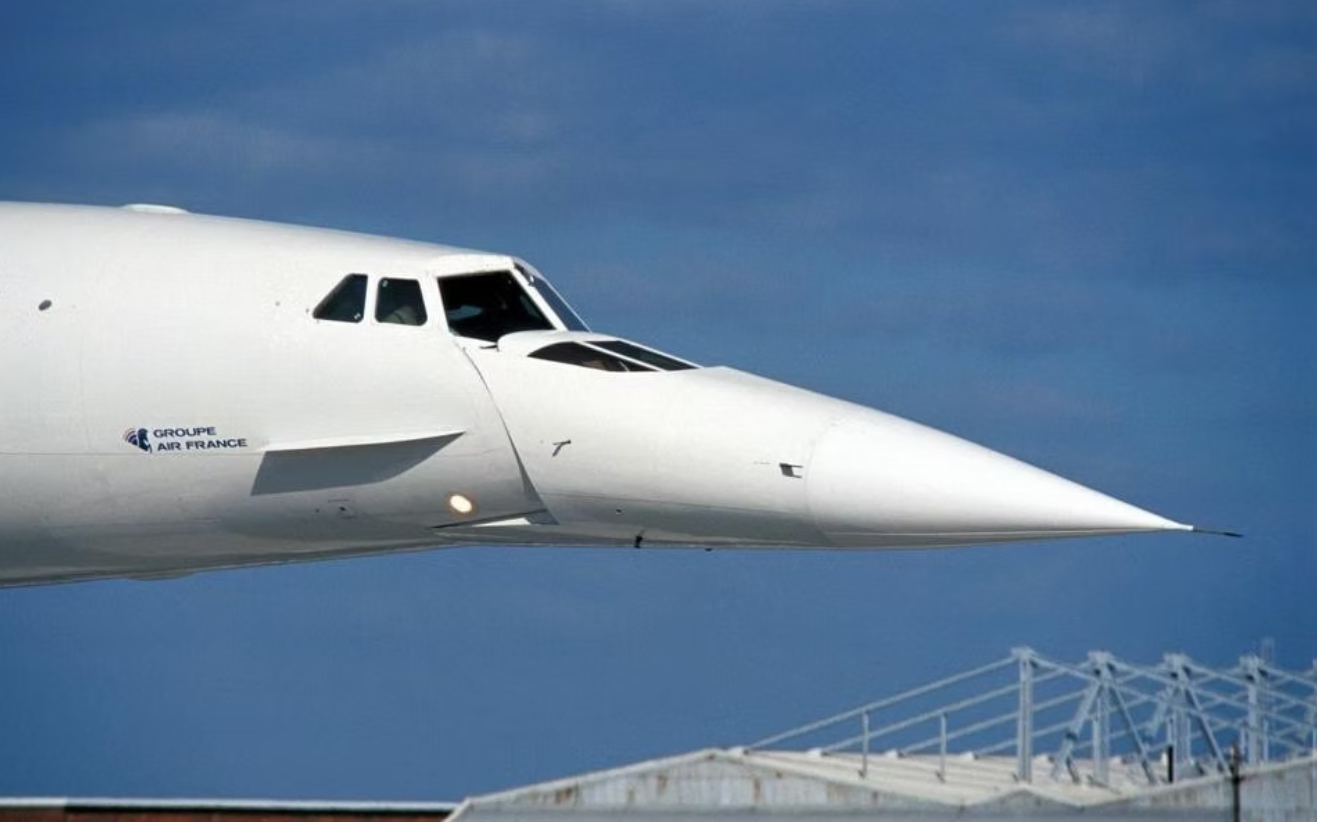
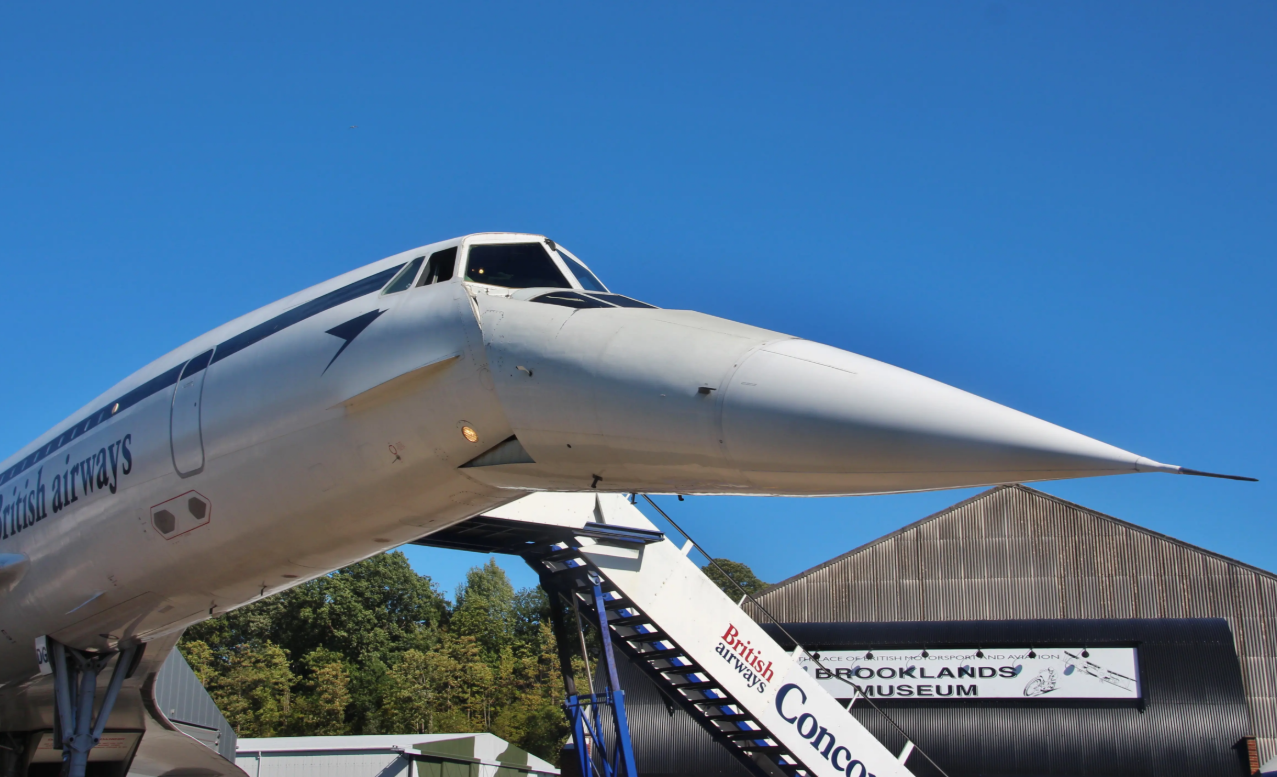
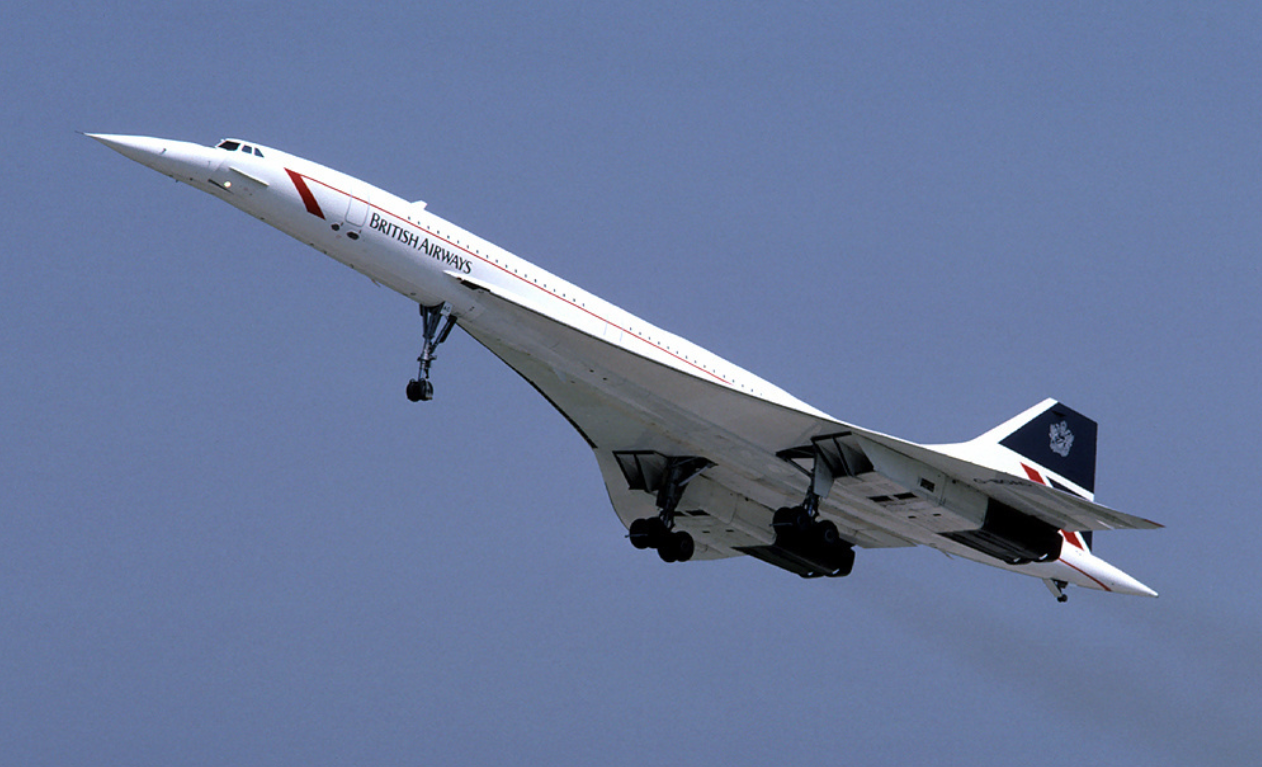
Nothing about Concorde photographed better than the moment its nose tipped downward on approach. People called it theatrical, some compared it to a bird tucking its head before landing, but none of that was the point. The droop nose wasn't for show; it was the bill that came due for the wing underneath it.
The Problem Created by a Supersonic Shape
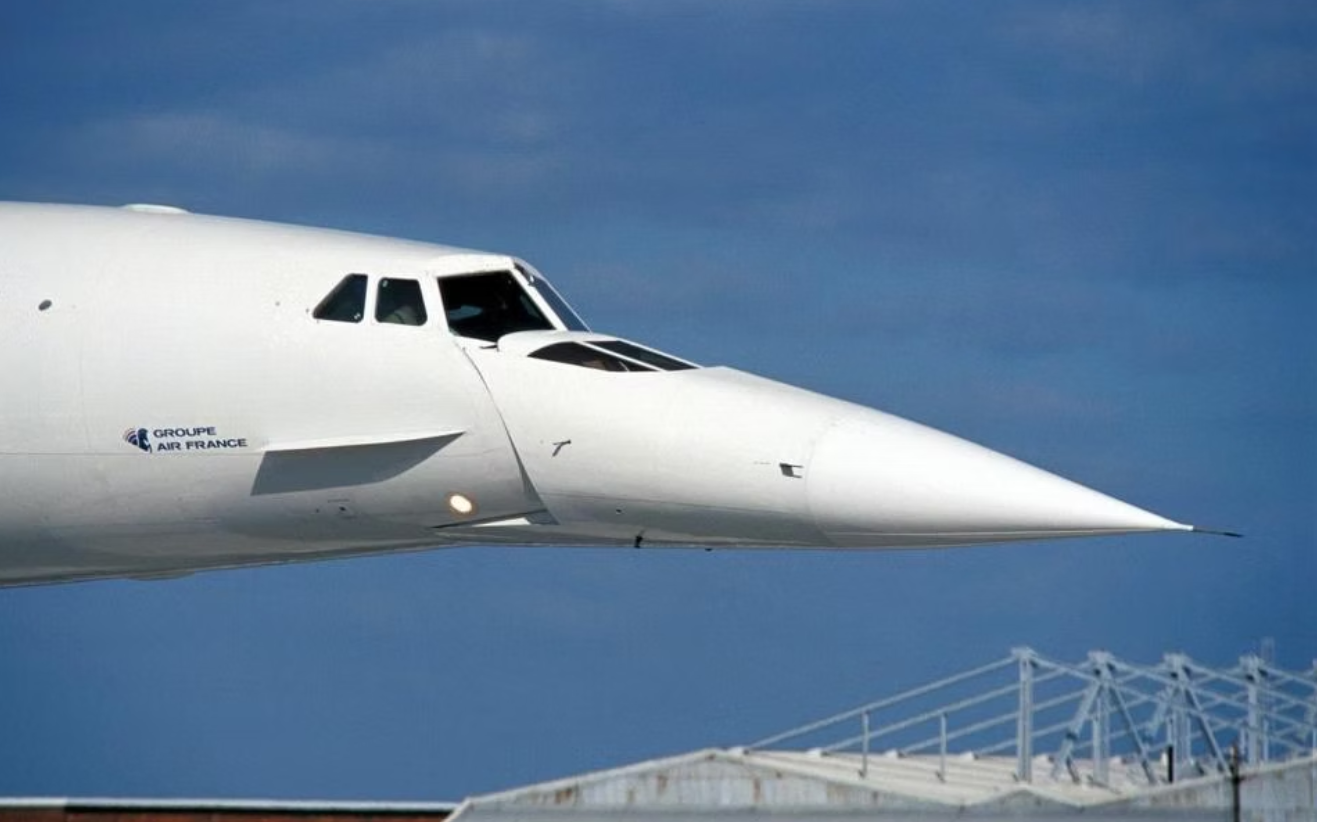
Concorde's nose was long and needle-thin for one reason, cutting wave drag at Mach 2. Its wing paid for that speed too. The delta shape generated lift from vortices spilling off its swept leading edges instead of the pressure differential a normal airliner wing relies on, and delta wings just aren't built for low speed. No flaps meant Concorde had to come in on final approach at a steep nose-up angle, somewhere between 13 and 18 degrees of pitch. Try landing at that pitch with a fixed streamlined nose and here's what you get, about 5 degrees of forward visibility. Not the runway, barely the horizon.
Solving It With Hinges Instead of Glass
British Aircraft Corporation's engineers weren't short on ideas. Periscopes came up, so did downward-canted windows, but what they landed on instead was more mechanical and more brute-force, hinge the whole forward fuselage, windscreen visor and all, and swing it down whenever the crew needed to see something. Marshall Aerospace in Cambridge built the mechanism under subcontract, with work on the first units starting back in February 1965.
Visor First, Then the Nose
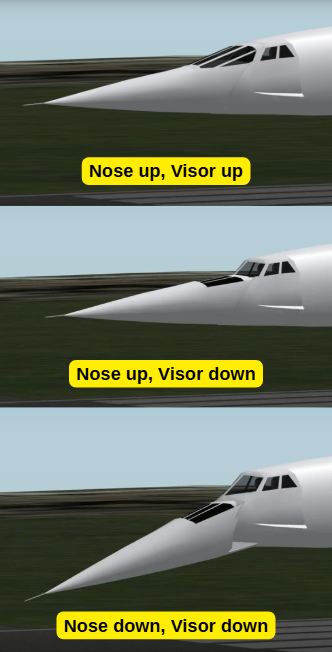
The order mattered, and it never changed. Selecting a lower position moved the visor first, sliding it down and forward into a recess in the nose to uncover the fixed cockpit windscreen underneath. Only after that did the hydraulics rotate the nose fairing itself downward on its hinge, the flight deck and pressure cabin didn't move an inch through any of it. The two prototypes actually flew with a crude version of that visor, a metal shroud fitted with small windows and a periscope, because nobody in the 1960s had glass that could survive Mach 2 heat and load. Production aircraft got something better, a single glazed panel giving pilots a direct, unobstructed view.
Three Positions for Three Jobs
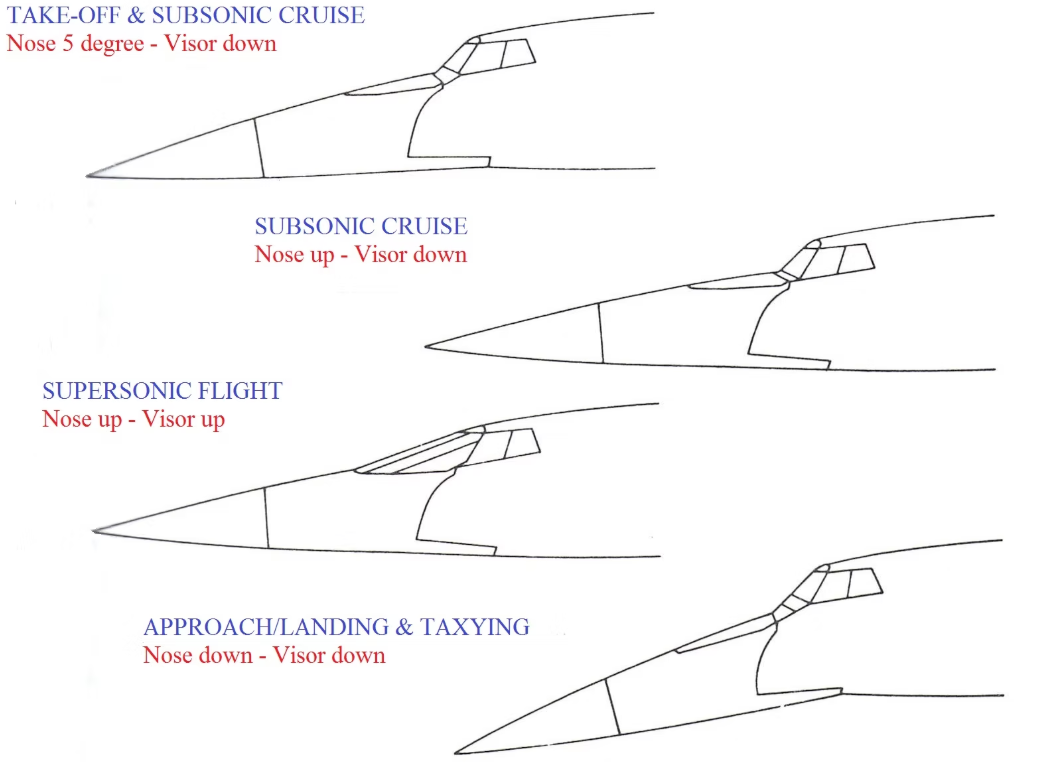
There were three settings on production aircraft, and each did a specific job. Fully up, zero degrees, visor raised, that was the clean aerodynamic shape for supersonic cruise. Five degrees down covered taxi, takeoff, and the early part of the approach. The full 12.5 degrees came out only for final approach and landing, which is where the famous drooping silhouette actually comes from. Worth a quick correction here, since it comes up a lot, early development aircraft were pushed to a steeper 17.5 degrees during testing, but that number never applied to the aircraft passengers actually flew.
The Hydraulics Behind the Movement
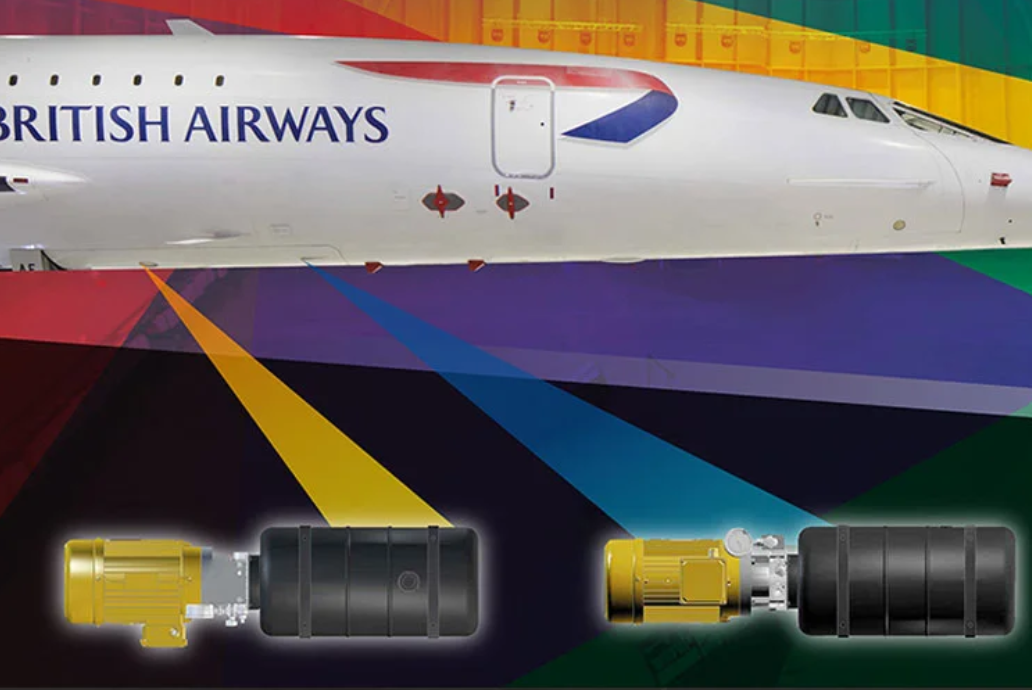
Moving that much structure took real hardware. Two hydraulic jacks ran in parallel to drive the nose, so if one failed there was still a second load path holding things up. A single jack handled the visor. Once raised, mechanical up-locks held both in place rather than relying on hydraulic pressure alone, letting the system depressurize safely during cruise. Lose the primary hydraulics and a standby system could still lower both. Lose everything, and the crew had one more option, pull a mechanical release and let the nose and visor free-fall into position under their own weight. The whole system ran at around 3,000 psi, a figure that mattered decades later when Aerospace Bristol's conservation team had to build a standalone power pack from scratch just to get a preserved Concorde's nose moving again for its 50th anniversary in 2019.

Only Way Out: Private Aviation in a Region at War
Built for Minutes, Not the Whole Flight
Here's the thing about all that engineering, the jacks, the visor rails, the added weight up front, the inspection cycles it demanded, none of it mattered for more than about four to six minutes of any given flight. The other six-plus hours of an Atlantic crossing were spent with the nose up and locked, flying clean. Concorde carried an enormous amount of hardware to solve a problem that only existed at the very beginning and very end of each journey. That's a strange trade to make on paper. It's also exactly why the droop nose is still one of the most memorable pieces of mechanical design commercial aviation has ever produced.
British Airways Flight Delayed After Emergency Slide Accidentally Deploys Onto Ground Truck in Montreal » Emirates Wins Approval for Direct Berlin Flights After 22-Year Push » This Startup is Bringing Auctions to Empty-Leg Flights »

Comments (0)
Add Your Comment
TAGS
INFORMATIONAL Concorde Delta wing Aircraft Supersonic Subsonic Droop-nose MachRECENTLY PUBLISHED
 This Startup Wants to Put a Doctor on Every Aircraft
Skali connects flight crews with emergency physicians in 90 seconds, helping manage medical emergencies and prevent costly aircraft diversions.
STORIES
READ MORE »
This Startup Wants to Put a Doctor on Every Aircraft
Skali connects flight crews with emergency physicians in 90 seconds, helping manage medical emergencies and prevent costly aircraft diversions.
STORIES
READ MORE »
 Emirates Wins Approval for Direct Berlin Flights After 22-Year Push
Emirates has secured approval to launch direct flights between Dubai and Berlin, ending a lobbying effort that stretched more than two decades.
ROUTES
READ MORE »
Emirates Wins Approval for Direct Berlin Flights After 22-Year Push
Emirates has secured approval to launch direct flights between Dubai and Berlin, ending a lobbying effort that stretched more than two decades.
ROUTES
READ MORE »
 25 Years After 9/11: How Airline Security Transformed and What Is Changing Once Again
A quarter century after the September 11 attacks, airline security has evolved dramatically. Here is what changed and what is shifting now.
NEWS
READ MORE »
25 Years After 9/11: How Airline Security Transformed and What Is Changing Once Again
A quarter century after the September 11 attacks, airline security has evolved dramatically. Here is what changed and what is shifting now.
NEWS
READ MORE »
More than just headlines.
Get unlimited ad-free access to in-depth aviation news, premium stories, and exclusive insights other sites don't cover.
- Ad-free browsing on AeroXplorer
- Unlimited access to premium and exclusive articles
- Higher photo upload limits & commissions on sales
- Free access to Jetstream Magazine on higher tiers
- Ad-free browsing
- Sell aviation photos with 60% commission
- First week free!
- Everything in Basic+
- Unlimited premium articles
- Sell aviation photos with 70% commission
- Free Digital subscription to Jetstream Magazine
- First week free!
- Everything in Basic+ and Pro
- Sell aviaiton photos with 80% commission
- Early access to exclusive stories
- Free Digital+Print subscription to Jetstream Magazine