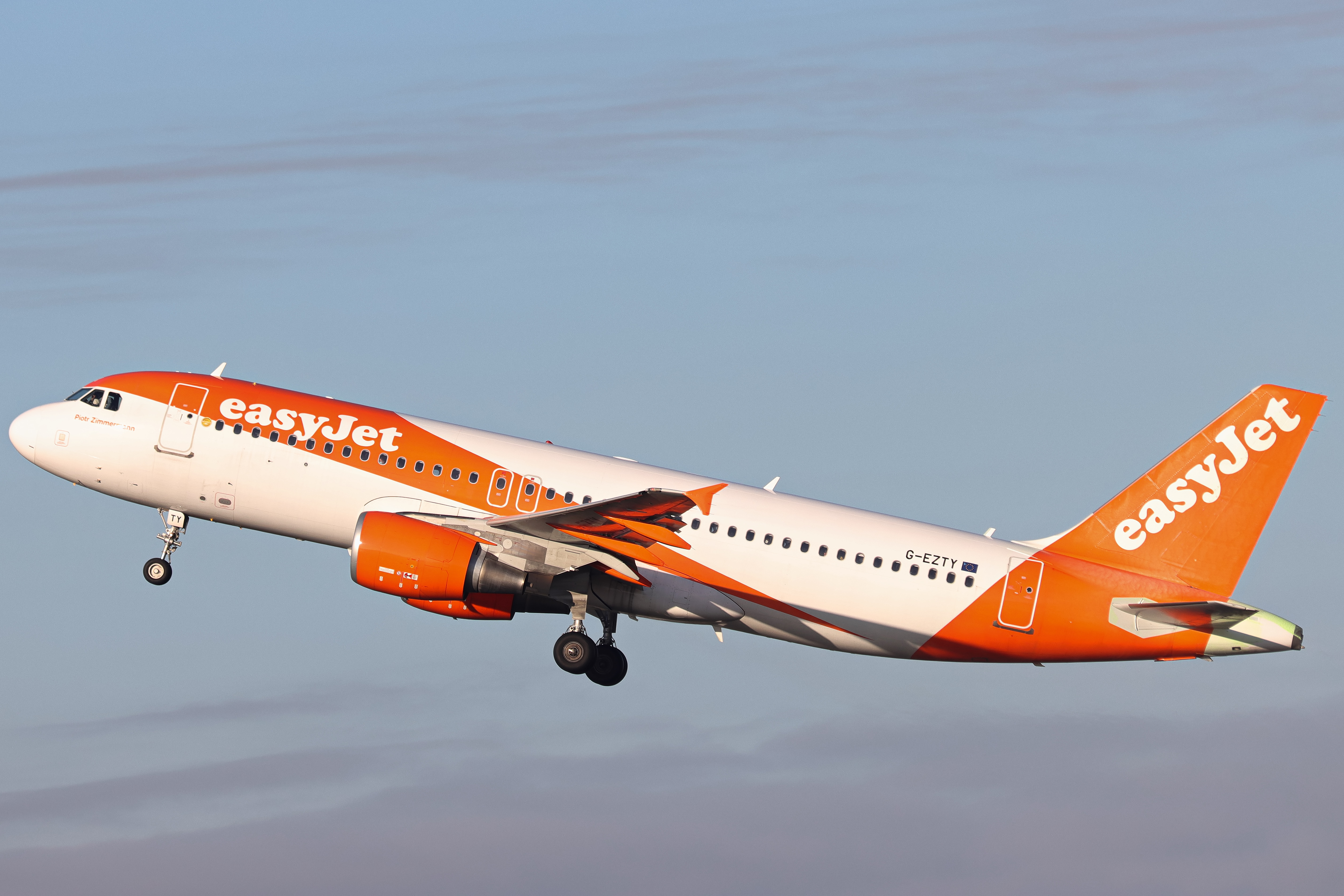

easyJet has canceled 1,700 flights from July to September after dealing with weeks of last-minute cancellations of flights to and from London Gatwick Airport (LGW). The UK's largest budget airline is trying to fix its schedule and reduce flight cancellations when passengers are already at the gate waiting for their flight.
Around 180,000 passengers will be affected by flight cancellations over the next three months.
The goal of flight cancellations, equivalent to 24 flights per day, is to fix severe congestion at air traffic control (ATC) centers across Europe.

Even though the majority of passengers have been notified about the cancellations and rebooked on other easyJet flights, around 9,000 passengers may have to take the same flight on a different airline.
Other airlines that offer low-cost flights to and from the UK include Ryanair, Wizz Air, and Vueling.
On July 9, easyJet revealed that difficulties with maintaining the original schedule were the reason why two flights were canceled late at night with passengers already at the gate. The two flights were from London-Gatwick to Belfast International Airport (BFS) and from Budapest Ferenc Liszt International Airport (BUD) to London-Gatwick.

Delays usually increase as the day passes, forcing crew to not fly on flights since the updated schedules are outside of their working hours. This scenario has occurred hundreds of times over the past few weeks on easyJet flights departing from and arriving at London-Gatwick.
easyJet claims that "unprecedented" air traffic delays that are three times longer than pre-pandemic levels are the reason behind the cancellations.
Meanwhile, Eurocontrol warned about slow service at multiple airports during the summer.

Challenges with air traffic control in Europe are happening for a variety of reasons. Since February 2022, many flight routes have become longer due to Russia's Ukraine invasion. The war forced many European countries to prevent their carriers from flying over Russian and Ukrainian airspace due to sanctions and safety issues. As a result, there was a major effect on routes to and from Greece, Turkey, and the Balkan countries.
Furthermore, some air traffic controllers have threatened to strike. Gatwick Airport is especially vulnerable to this since it's the world's busiest single-runway airport. High demand and low capacity mean arrival and departure delays can increase faster than at other airports.

easyJet is the only airline significantly affected by air traffic control issues at Gatwick Airport. The airline claims that it's more vulnerable to disruption since it occupies only half of the airport gates.
Cancellations are becoming more severe. On July 10, easyJet canceled 30 flights departing from and arriving at Gatwick by 7:00 a.m. alone. Delays later built up during the day. Other airlines don't face these issues, with rivals Ryanair and Jet2 only canceling when air traffic controllers are on strike.
easyJet has acknowledged a problem and is fixing it. The airline said: "[We have made] some pre-emptive adjustments to our programme consolidating a small number of flights at Gatwick, where we have multiple daily frequencies. [Our aim is] to help mitigate these external challenges on the day of travel for our customers."
Southwest Overhauls Rapid Rewards and How it Affects You » Power Bank Fire in Overhead Bin Forces IndiGo A321neo to Divert » NetJets Expands US Footprint With Three New Private Terminals and Larger Palm Beach Facility »

Comments (0)
Add Your Comment
TAGS
NEWS easyJet London London Gatwick Gatwick Airport LGW Europe Eurocontrol Delays CancellationsRECENTLY PUBLISHED
 FlyUSA Opens 50,000-Square-Foot Owner-Exclusive Hangar and Lounge at Tampa International Airport
FlyUSA has opened a 50,000-square-foot private hangar and lounge at Tampa International Airport, serving aircraft owners and charter clients.
NEWS
READ MORE »
FlyUSA Opens 50,000-Square-Foot Owner-Exclusive Hangar and Lounge at Tampa International Airport
FlyUSA has opened a 50,000-square-foot private hangar and lounge at Tampa International Airport, serving aircraft owners and charter clients.
NEWS
READ MORE »
 Federal Grand Jury Indicts Passenger Duct-Taped to Seat on American Airlines Flight
A passenger restrained with duct tape after a violent outburst on an American Airlines flight to Newark faces federal charges and up to 20 years in prison.
NEWS
READ MORE »
Federal Grand Jury Indicts Passenger Duct-Taped to Seat on American Airlines Flight
A passenger restrained with duct tape after a violent outburst on an American Airlines flight to Newark faces federal charges and up to 20 years in prison.
NEWS
READ MORE »
 JetBlue Opens Sales for BlueFirst, Its First Domestic First Class Cabin
JetBlue begins selling seats in its new BlueFirst domestic first class cabin, with service starting in 2026 on select transcontinental routes.
NEWS
READ MORE »
JetBlue Opens Sales for BlueFirst, Its First Domestic First Class Cabin
JetBlue begins selling seats in its new BlueFirst domestic first class cabin, with service starting in 2026 on select transcontinental routes.
NEWS
READ MORE »
More than just headlines.
Get unlimited ad-free access to in-depth aviation news, premium stories, and exclusive insights other sites don't cover.
- Ad-free browsing on AeroXplorer
- Unlimited access to premium and exclusive articles
- Higher photo upload limits & commissions on sales
- Free access to Jetstream Magazine on higher tiers
- Ad-free browsing
- Sell aviation photos with 60% commission
- First week free!
- Everything in Basic+
- Unlimited premium articles
- Sell aviation photos with 70% commission
- Free Digital subscription to Jetstream Magazine
- First week free!
- Everything in Basic+ and Pro
- Sell aviaiton photos with 80% commission
- Early access to exclusive stories
- Free Digital+Print subscription to Jetstream Magazine