

Catania Airport in the Italian island of Sicily is resuming regular operations from a recent volcanic eruption of Mount Etna, which caused the cancellation of various flights on the morning of August 15. The eruption led to various problems around the airport where many flights could not take off as planned.
About Etna's Impact On Catania Airport
The latest eruption of Mount Etna caused several problems for planes, with volcanic ash landing on the runway and ash clouds severely masking visibility.
All flights following the eruption have been canceled, and any flights on the way to Catania Airport had to be diverted to other airports within Sicily, such as Palermo and Comiso. Among the airlines affected by the eruption were easyJet, Ryanair, and British Airways.
This eruption couldn't have come at a worse time for travelers, as it coincides with major Italian holiday Ferragosto. Spanning August 15 to 18, Ferragosto was first introduced by Emperor Augustus in 18 BC to commemorate the conclusion of a long summer stretch of agricultural labor. The holiday also celebrates the Assumption of Mary for Catholics. Around 15 million tourists are expected to fly to Italy for this annual festive week.
Mount Etna is one of the most active volcanoes in Europe as well as its highest active volcano. It is said to have experienced the most eruptions since 1600. The Italian Institute for Geophysics and Volcanology (INGV) has actively been monitoring Etna over the past summer, anticipating an eruption as early as June, where it was reported ash in Catania reached nearly 3 miles in elevation.

When Flights Resumed
As Etna calmed down and ash and smoke clouds dispersed, the cancellations and delays weren't for long. Catania Airport announced takeoffs would later resume 6:00 p.m. late on Thursday evening, only accepting two arrivals per hour, with activity slowly easing back to normal for flights throughout the night.
The airport also had this warning for travelers on X:
“It is currently estimated that flight activities will resume at 18:00. Do not go to the airport without checking the status of your flight.”
Even if some travelers' flights occur outside the airport's downtime, that isn't to say that the flight has either been postponed or canceled. Customers were encouraged to check in with their airline to be certain if and when their flights are taking place.

As of Friday afternoon, Catania Airport hasn't experienced any further problems with arrivals or departures.
With Catania Airport being less than 50 miles away from Mount Etna, it's super-convenient for tourists, but is certainly not-so-convenient when the volcano gets active. Seeing that Catania is the busiest of the four international airports in Sicily, the rewards have certainly outweighed the risks, having just celebrated its 100th anniversary in May of this year.
Selma Blair Charged With Assault After Alleged Biting Incident on Delta Flight » Lufthansa Wins Bid for 44.9% Stake in TAP Air Portugal, Edging Out Air France-KLM » 4th vs 5th Generation Fighter Jets: How Fighter Jets Have Evolved »

Comments (0)
Add Your Comment
TAGS
NEWS british airways easyjet ryanair news sicily mount etna catania airportRECENTLY PUBLISHED
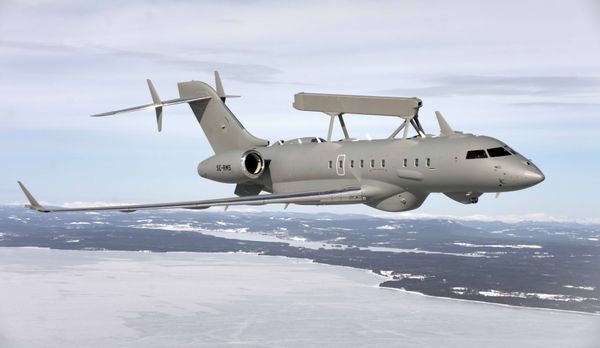 Saab Weighs Canadian GlobalEye Production Line to Match Growing Surveillance Aircraft Orders
Saab is considering establishing GlobalEye production in Canada as demand for the airborne early warning aircraft climbs across NATO nations.
NEWS
READ MORE »
Saab Weighs Canadian GlobalEye Production Line to Match Growing Surveillance Aircraft Orders
Saab is considering establishing GlobalEye production in Canada as demand for the airborne early warning aircraft climbs across NATO nations.
NEWS
READ MORE »
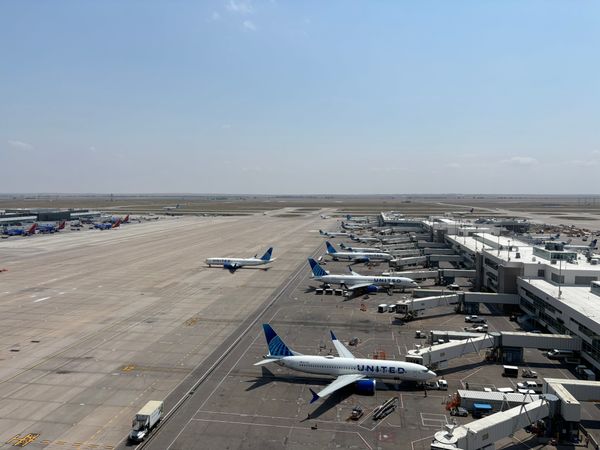 Lawmakers Press FAA to Suspend AI Air Traffic Control Tool at Washington-Area Airports
Senators and union leaders urge the FAA to pause an AI-driven air traffic management tool at DC airports, citing safety concerns.
NEWS
READ MORE »
Lawmakers Press FAA to Suspend AI Air Traffic Control Tool at Washington-Area Airports
Senators and union leaders urge the FAA to pause an AI-driven air traffic management tool at DC airports, citing safety concerns.
NEWS
READ MORE »
 Lufthansa Wins Bid for 44.9% Stake in TAP Air Portugal, Edging Out Air France-KLM
Portugal selects Lufthansa as preferred buyer for a 44.9% stake in TAP Air Portugal, beating competing offers from Air France-KLM and IAG.
NEWS
READ MORE »
Lufthansa Wins Bid for 44.9% Stake in TAP Air Portugal, Edging Out Air France-KLM
Portugal selects Lufthansa as preferred buyer for a 44.9% stake in TAP Air Portugal, beating competing offers from Air France-KLM and IAG.
NEWS
READ MORE »
More than just headlines.
Get unlimited ad-free access to in-depth aviation news, premium stories, and exclusive insights other sites don't cover.
- Ad-free browsing on AeroXplorer
- Unlimited access to premium and exclusive articles
- Higher photo upload limits & commissions on sales
- Free access to Jetstream Magazine on higher tiers
- Ad-free browsing
- Sell aviation photos with 60% commission
- First week free!
- Everything in Basic+
- Unlimited premium articles
- Sell aviation photos with 70% commission
- Free Digital subscription to Jetstream Magazine
- First week free!
- Everything in Basic+ and Pro
- Sell aviaiton photos with 80% commission
- Early access to exclusive stories
- Free Digital+Print subscription to Jetstream Magazine