

Homework sits at the center of a bigger fight about time. Kids and teens have school, activities, chores, family stuff, and their own need to decompress. When homework expands, something else shrinks. Sleep often goes first.
By the time students get home, the day has already asked a lot. Some start searching for writing services that do my homework because they feel boxed in by deadlines, not because they hate learning. That reaction tells you something about the system, not just the student.
The real question is not homework versus no homework. It is what after-school hours should protect, and what they should build.

Why After-School Time Feels So Pressured Now
After-school hours used to be a buffer. Now they are a second shift. School days are dense, and many students juggle sports, jobs, caregiving, or long commutes. Add phones and constant notifications, and focus gets harder to hold.
Homework becomes the place where stress stacks up. A single worksheet is not the problem. The pile is. When every class assigns something on the same night, students end up doing survival studying instead of real learning.
Does Homework Help Students Learn?
The answer depends on the design. Homework can strengthen memory when it is short, specific, and tied to what students just practiced. It can also build independence when students know what success looks like and can check themselves.
A lot of families still ask if homework helps students learn, because they see two opposite outcomes. Some kids gain confidence through repetition. Others grind for hours and keep the same confusion.
Homework supports learning best when it acts like a bridge. It should connect class time to the next lesson, not replace teaching that should have happened in school.
When Homework Turns Into Overload and Backfires
Too much homework changes the goal from learning to finishing. That is where you start seeing copying, rushing, and blank stares at midnight. How does homework affect students? Pay attention to what happens first: mood, sleep, or motivation. Those shifts show up before grades do.
Overload also amplifies inequality. Students with quiet spaces and help at home can push through. Students without those supports fall behind, even when they are working harder.
Here are common signs a workload has crossed the line:
- A student starts homework but cannot focus for more than a few minutes.
- Sleep gets shorter, and mornings feel foggy and tense.
- Weekend time turns into catch-up time, not recovery time.
- Small assignments trigger big emotional reactions.
When those patterns repeat, homework stops being practice and starts acting like chronic stress.
When Homework Is Genuinely Useful
There are good reasons schools keep homework on the table. Why is homework good for students in some cases? It can help them rehearse skills, prepare for discussions, and learn how to manage tasks without a teacher next to them.
The strongest homework tends to fit into one of these categories:
- Retrieval practice: short quizzes or prompts that force recall.
- Deliberate practice: a few problems that target one skill, not twenty mixed ones.
- Preparation: a small reading or video with a clear purpose for class.
- Reflection: a short response that connects ideas to real life.
This kind of work respects attention. It also respects time, which matters as much as academic ambition.
The Tradeoffs Schools Tend to Ignore
Most homework debates get stuck in slogans. A better way is to name the tradeoff clearly. The pros and cons of homework show up differently depending on age, subject, and home situation.
Pros often look like skill-building and routine. Cons often look like lost sleep, family conflict, and shallow learning. Both can be true in the same school, in the same week.
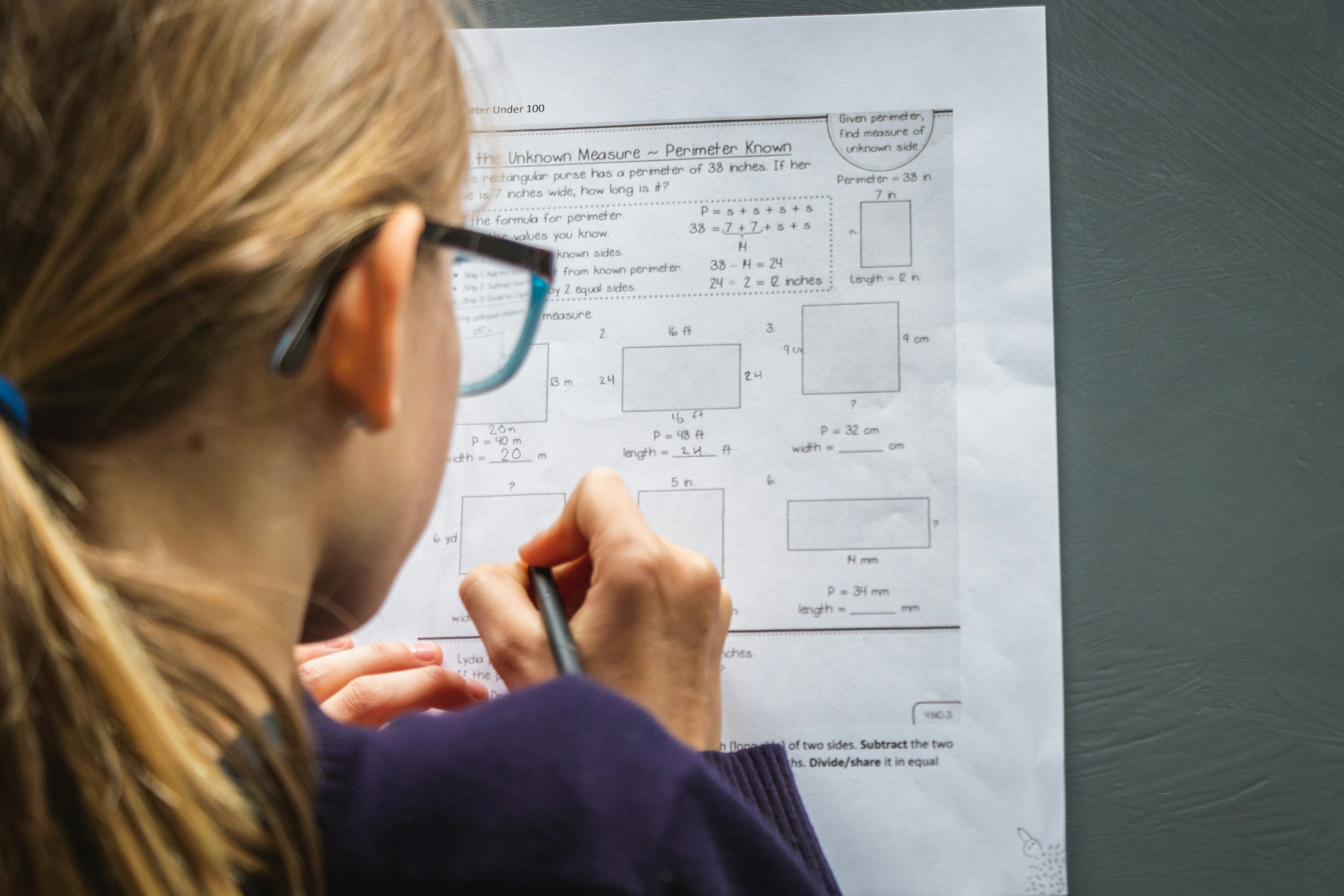
Look closely at the lived reality of students doing homework after a full day of instruction. They rarely start fresh. They start tired. That is why assignment length and clarity matter more than teachers sometimes assume.
If schools want homework to work, they need to design it around how brains actually function at the end of the day.
A Better Model for After-School Learning
After-school time should have variety. Some days need rest. Some days need movement. Some days need focused work. The goal is a routine that supports learning without turning evenings into a second school day.
Here is a practical approach schools and families can use:
- Pick a daily cap for homework time by grade level and stick to it.
- Prioritize the assignment that teaches the most, not the one that takes the longest.
- Build in a stop rule: when focus collapses, pause and return later.
- Protect sleep as a non-negotiable part of academic success.
Is homework beneficial to students? It can be if it respects limits. Otherwise, it becomes just another source of stress for students.
Closer to the end of the debate, a contributor from Studyfy, Daniel Walker, argues that the same pressure that pushes students toward an online essay writing service should push schools to simplify workloads and make each assignment earn its place.
The Verdict
Students should have homework sometimes, but it should be lighter, clearer, and tied to real learning goals. After-school hours need space for sleep, relationships, movement, and mental recovery. When homework crowds those out, the cost is too high.
The strongest compromise is simple: assign less, design it better, and coordinate across classes. That keeps practice in the routine without turning students' evenings into a constant sprint.
American Airlines Swaps Landline Buses for CRJ-700 Flights on 84-Mile South Bend to Chicago Route » US State Department Warns of Threats to Airlines and Airports in Saudi Arabia Following Deadly Houthi Attacks » Riyadh Airport Closed After Reported Ballistic Missile Strike on Saudia Airbus Jet »

Comments (0)
Add Your Comment
TAGS
STORIES Students Homework Studying EducationRECENTLY PUBLISHED
 Riyadh Airport Closed After Reported Ballistic Missile Strike on Saudia Airbus Jet
King Khalid International Airport halted operations after a reported Houthi missile strike damaged a Saudia Airbus and sent smoke rising over the airfield.
NEWS
READ MORE »
Riyadh Airport Closed After Reported Ballistic Missile Strike on Saudia Airbus Jet
King Khalid International Airport halted operations after a reported Houthi missile strike damaged a Saudia Airbus and sent smoke rising over the airfield.
NEWS
READ MORE »
 KLM Brings Starlink Internet to Long-Haul Flights
KLM Royal Dutch Airlines will roll out free high-speed Starlink Wi-Fi on long-haul flights starting in 2027, but short-haul routes miss out.
NEWS
READ MORE »
KLM Brings Starlink Internet to Long-Haul Flights
KLM Royal Dutch Airlines will roll out free high-speed Starlink Wi-Fi on long-haul flights starting in 2027, but short-haul routes miss out.
NEWS
READ MORE »
 US State Department Warns of Threats to Airlines and Airports in Saudi Arabia Following Deadly Houthi Attacks
The US State Department has issued a security alert for Saudi Arabia after Houthi air attacks on the kingdom killed three people and injured dozens more.
NEWS
READ MORE »
US State Department Warns of Threats to Airlines and Airports in Saudi Arabia Following Deadly Houthi Attacks
The US State Department has issued a security alert for Saudi Arabia after Houthi air attacks on the kingdom killed three people and injured dozens more.
NEWS
READ MORE »
More than just headlines.
Get unlimited ad-free access to in-depth aviation news, premium stories, and exclusive insights other sites don't cover.
- Ad-free browsing on AeroXplorer
- Unlimited access to premium and exclusive articles
- Higher photo upload limits & commissions on sales
- Free access to Jetstream Magazine on higher tiers
- Ad-free browsing
- Sell aviation photos with 60% commission
- First week free!
- Everything in Basic+
- Unlimited premium articles
- Sell aviation photos with 70% commission
- Free Digital subscription to Jetstream Magazine
- First week free!
- Everything in Basic+ and Pro
- Sell aviaiton photos with 80% commission
- Early access to exclusive stories
- Free Digital+Print subscription to Jetstream Magazine