Merlin Labs has cleared an early regulatory step in New Zealand, where the Civil Aviation Authority accepted the company's certification plan for its autonomous flight system. The decision moves the Boston-based startup closer to putting its technology on commercial cargo aircraft operating in the country.
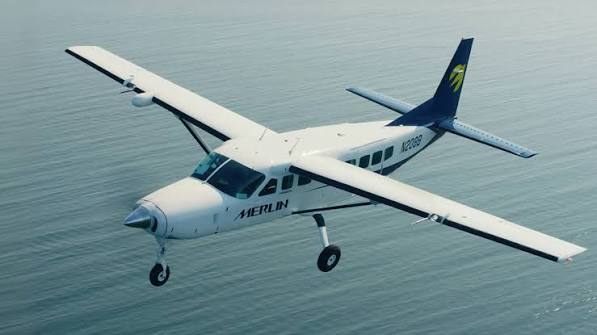
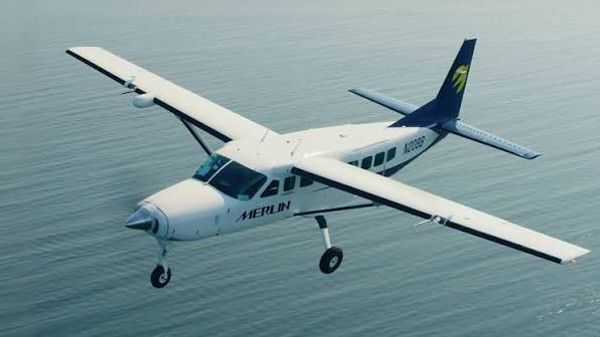
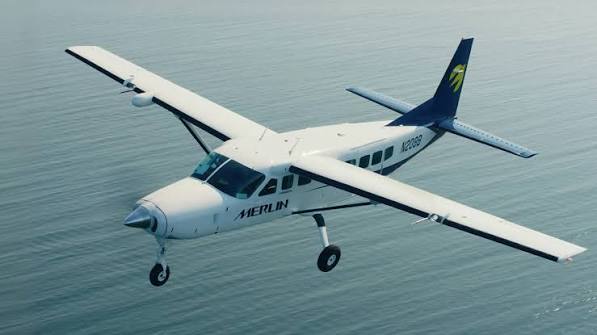
The approval covers the roadmap Merlin will follow to certify its system on the Cessna 208B Caravan, a single-engine turboprop widely used for regional cargo and passenger flights. Regulators did not certify the technology itself. Instead, they signed off on how Merlin plans to prove the system meets safety standards.
What the approval means
Certification of new aviation technology usually happens in stages. Companies first negotiate with regulators on the criteria and test methods they will use. Only after that do they run the actual tests, submit data, and receive approval to fly.
Merlin has now completed the first stage in New Zealand. The company can move ahead with flight testing and data collection, knowing what the CAA expects before granting final approval. That reduces the risk of costly rework later.
New Zealand has emerged as an active jurisdiction for testing advanced aviation systems. The country's regulator has worked with several operators on drone deliveries, electric aircraft trials, and reduced-crew concepts. Merlin has been operating in the country since 2024, when it partnered with cargo carrier Air New Zealand and other local operators to fly test aircraft.
How the Merlin system works
Merlin builds software and hardware that automates flight tasks normally handled by pilots. The company describes its product as a system that can eventually allow a single pilot, or no pilot at all, to operate an aircraft that today requires two people in the cockpit.
The near-term goal is more modest. Merlin wants to install its technology on Caravans that currently fly with one pilot, adding automation that handles routine tasks and provides backup during high-workload phases of flight. Over time, the company aims to expand the system's capabilities so it can take over more of the flying.
The Caravan is a logical starting point. Thousands of the aircraft are in service worldwide, many carrying packages for operators like FedEx. The plane is relatively simple compared to jets, and cargo flights tend to face fewer regulatory constraints than passenger operations.

Only Way Out: Private Aviation in a Region at War
Why New Zealand matters
The country offers Merlin a mix of factors that make it useful for testing. Its airspace is less congested than parts of the United States or Europe. Cargo operators fly regular routes between smaller airports, giving the company real-world flight data. And the CAA has shown willingness to engage with new technology on structured timelines.
Merlin has said it plans to use lessons from the New Zealand program to support certification efforts with the U.S. Federal Aviation Administration. The FAA has been cautious about automation that reduces flight crew size, and industry observers expect a long path before American regulators approve single-pilot or pilot-optional cargo flights.
Working through certification in a smaller jurisdiction first can help companies build a track record. It also gives regulators in other countries a reference point when they evaluate similar applications.
Broader industry context
Merlin is one of several companies working on reduced-crew and autonomous flight for commercial aviation. Reliable Robotics, Xwing, and Airbus have all pursued related technology, though each takes a somewhat different approach. Some focus on remote piloting from the ground. Others aim for onboard automation that can assist or replace a human crew member.
Airlines and cargo operators have shown interest for economic reasons. Pilot shortages have driven up costs, particularly for regional carriers. Automation could ease staffing pressure and, in some cases, allow flights that would otherwise not be economical.
Safety regulators have taken a more measured view. The FAA, European Union Aviation Safety Agency, and other authorities have signaled that any transition to reduced-crew operations will require extensive data on how the systems perform in normal and abnormal conditions. Public acceptance is also a factor, particularly for passenger flights.
What comes next
With its certification plan accepted, Merlin will now conduct the flight testing needed to gather data for the CAA. The company has not published a firm timeline for when it expects final approval, and certification programs of this kind typically take years rather than months.
If the New Zealand effort succeeds, Merlin would have a certified product it could market to Caravan operators in that country and use as a foundation for approvals elsewhere. The company has not disclosed which specific operators would be first to deploy the system commercially.
For now, the announcement marks progress on a regulatory path that few companies have completed. Whether Merlin can turn that progress into a working product on active cargo routes remains to be seen.
Flydubai Suspends All Tel Aviv Flights After Foiled Cockpit Attack on Israeli Pilot » Avelo Airlines Expands McKinney Operations With Third Aircraft and Four New Nonstop Routes » British Airways Restarts Starlink Installation on Airbus A350 Fleet With Free High-Speed Wi-Fi for Passengers »

Comments (0)
Add Your Comment
TAGS
NEWS Merlin Labs Cessna 208B Caravan Automation New Zealand AI Artificial IntelligenceRECENTLY PUBLISHED
 IATA's New Passenger Data Shows Global Air Travel Demand Shrinking for the First Time This Year
Global air travel just hit a reverse that has not been seen in months -- the numbers point to something more interesting than a simple slowdown.
INFORMATIONAL
READ MORE »
IATA's New Passenger Data Shows Global Air Travel Demand Shrinking for the First Time This Year
Global air travel just hit a reverse that has not been seen in months -- the numbers point to something more interesting than a simple slowdown.
INFORMATIONAL
READ MORE »
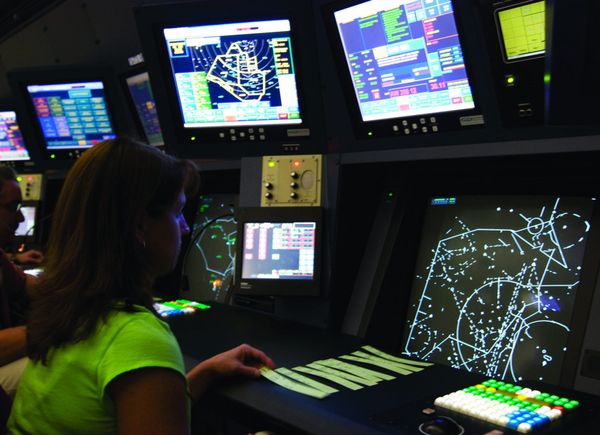 The $30 Billion Question: Why America's Air Traffic Control Overhaul Keeps Getting More Expensive
The U.S. government is seeking $30 billion more to modernize America’s aging air traffic control system. Explore the rising $42.5 billion price tag, GAO oversight concerns, and where the new funding would go.
INFORMATIONAL
READ MORE »
The $30 Billion Question: Why America's Air Traffic Control Overhaul Keeps Getting More Expensive
The U.S. government is seeking $30 billion more to modernize America’s aging air traffic control system. Explore the rising $42.5 billion price tag, GAO oversight concerns, and where the new funding would go.
INFORMATIONAL
READ MORE »
 Embraer Posts Record 66 Aircraft Deliveries in Q3 2026 as Commercial Jets Climb 10%
Embraer delivered 66 aircraft in Q3 2026, its strongest third quarter on record, with commercial jets up 10% and business jets rising 41%.
NEWS
READ MORE »
Embraer Posts Record 66 Aircraft Deliveries in Q3 2026 as Commercial Jets Climb 10%
Embraer delivered 66 aircraft in Q3 2026, its strongest third quarter on record, with commercial jets up 10% and business jets rising 41%.
NEWS
READ MORE »
More than just headlines.
Get unlimited ad-free access to in-depth aviation news, premium stories, and exclusive insights other sites don't cover.
- Ad-free browsing on AeroXplorer
- Unlimited access to premium and exclusive articles
- Higher photo upload limits & commissions on sales
- Free access to Jetstream Magazine on higher tiers
- Ad-free browsing
- Sell aviation photos with 60% commission
- First week free!
- Everything in Basic+
- Unlimited premium articles
- Sell aviation photos with 70% commission
- Free Digital subscription to Jetstream Magazine
- First week free!
- Everything in Basic+ and Pro
- Sell aviaiton photos with 80% commission
- Early access to exclusive stories
- Free Digital+Print subscription to Jetstream Magazine