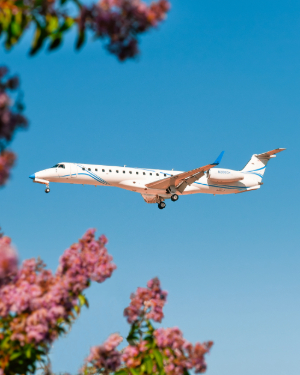


OMITAMA, JPN � The Japan Air Self-Defense Force (JASDF) ended their only reconnaissance squadron, the 501st Tactical Reconnaissance Squadron based at Hyakuri Air Base, couple miles northeast of Tokyo. Their end signals a new change in the structure of the JASDF as they transition into much more advanced and newer aircraft.
The 501st Squadron has a long history tracing back to its origins in 1961 and was the only two final squadrons to operate the remaining Mitsubishi F-4 Phantom II. Now, most of the Phantoms are operated by the 301st Tactical Fighter Squadron, making Japan along with four other countries, the last to operate this historic aircraft.

The 501st Squadron has played an important role in responding to natural disasters including the Great Hanshin earthquake and the 2011 Tohoku earthquake/tsunami. Though their replacement has not been announced, speculations surround the future of the JASDF, where potentially reconnaissance squadron may be activated and become drone squadrons for surveillance.

The 501st Tactical Reconnaissance Squadron ended all operation on March 9th, 2020.
FAA Orders Engine Repairs on Airbus A380 Fleet After Uncontained Failure » Lufthansa Wins Bid for 44.9% Stake in TAP Air Portugal, Edging Out Air France-KLM » This Week in Aviation: The 10 Stories That Mattered Most »

Comments (0)
Add Your Comment
SHARE
TAGS
NEWS JASDF Military Japan F-4 PhantomRECENTLY PUBLISHED
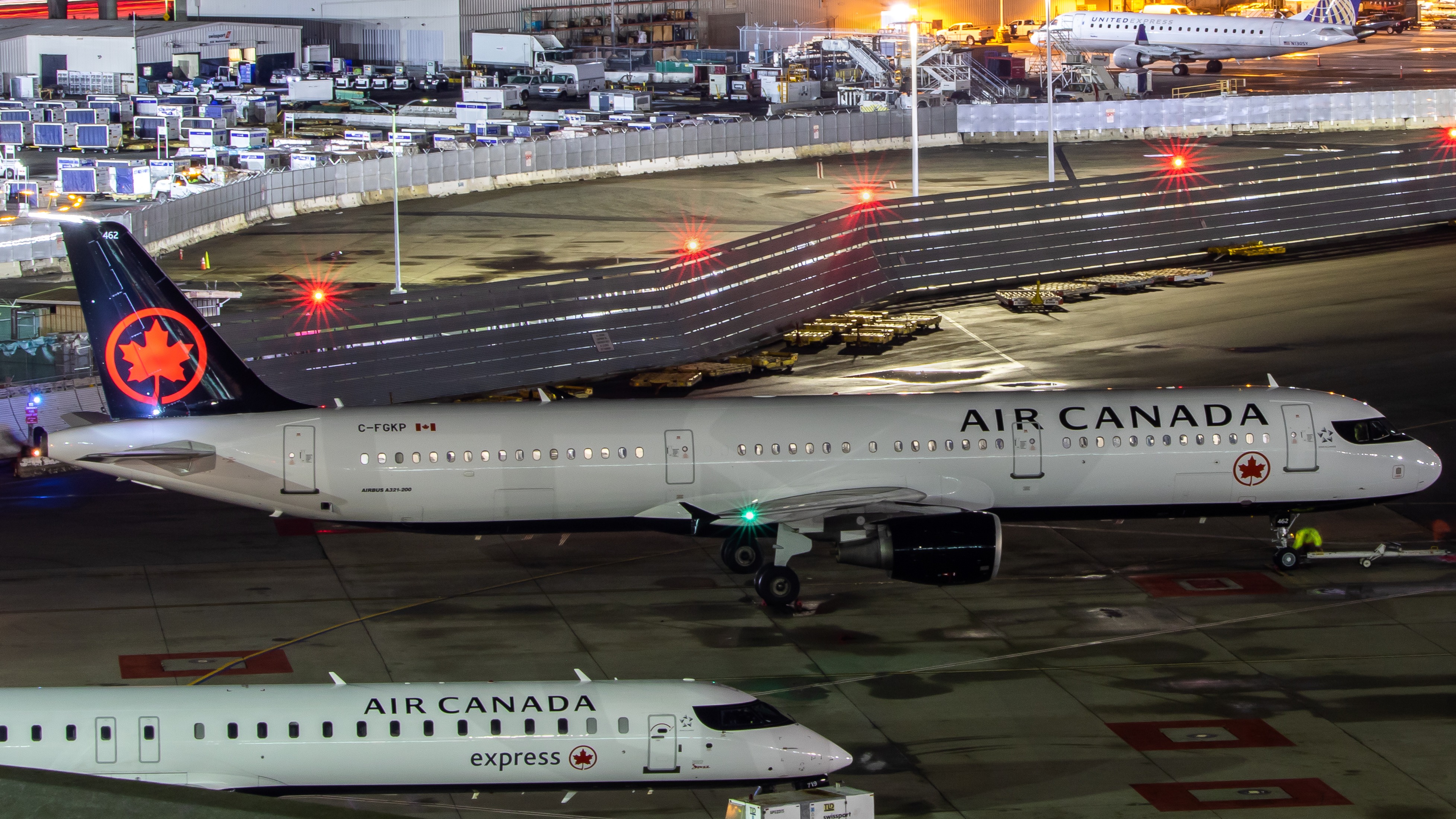 United and Air Canada Push to Expand Joint Venture Amid Cross-Border Travel Strains
United Airlines and Air Canada plan to add routes to their joint venture as political tensions dampen travel demand between the two countries.
NEWS
READ MORE »
United and Air Canada Push to Expand Joint Venture Amid Cross-Border Travel Strains
United Airlines and Air Canada plan to add routes to their joint venture as political tensions dampen travel demand between the two countries.
NEWS
READ MORE »
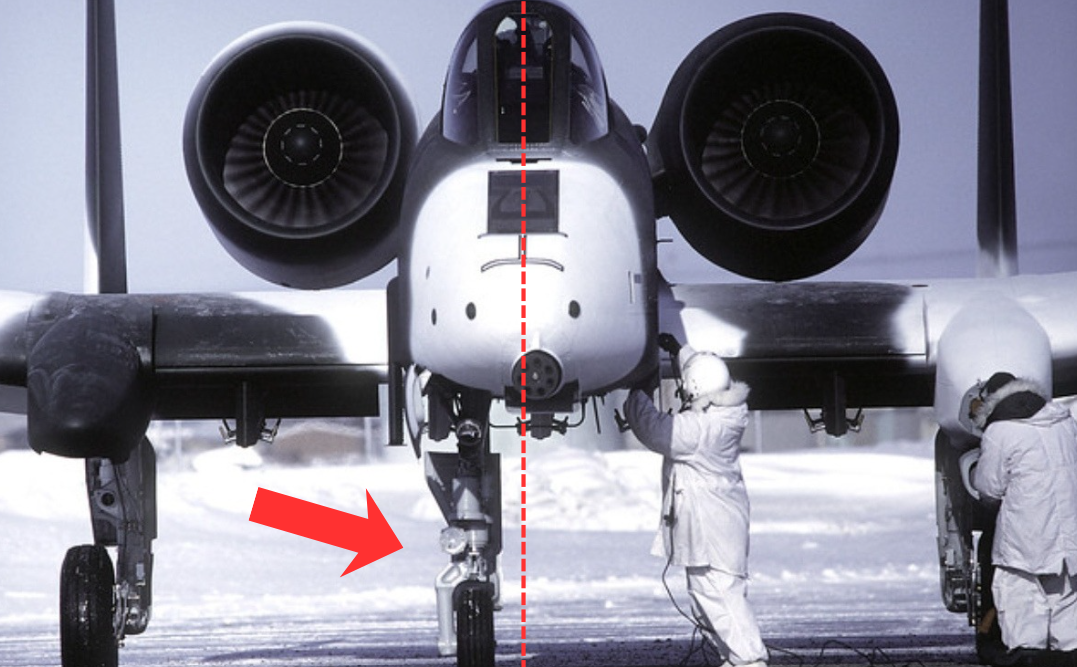 Why the A-10 Warthog's Nose Gear Is Offset to the Right
Why the A-10 Warthog’s nose wheel sits off-center, and how its massive GAU-8 Avenger cannon dictated the aircraft’s design.
INFORMATIONAL
READ MORE »
Why the A-10 Warthog's Nose Gear Is Offset to the Right
Why the A-10 Warthog’s nose wheel sits off-center, and how its massive GAU-8 Avenger cannon dictated the aircraft’s design.
INFORMATIONAL
READ MORE »
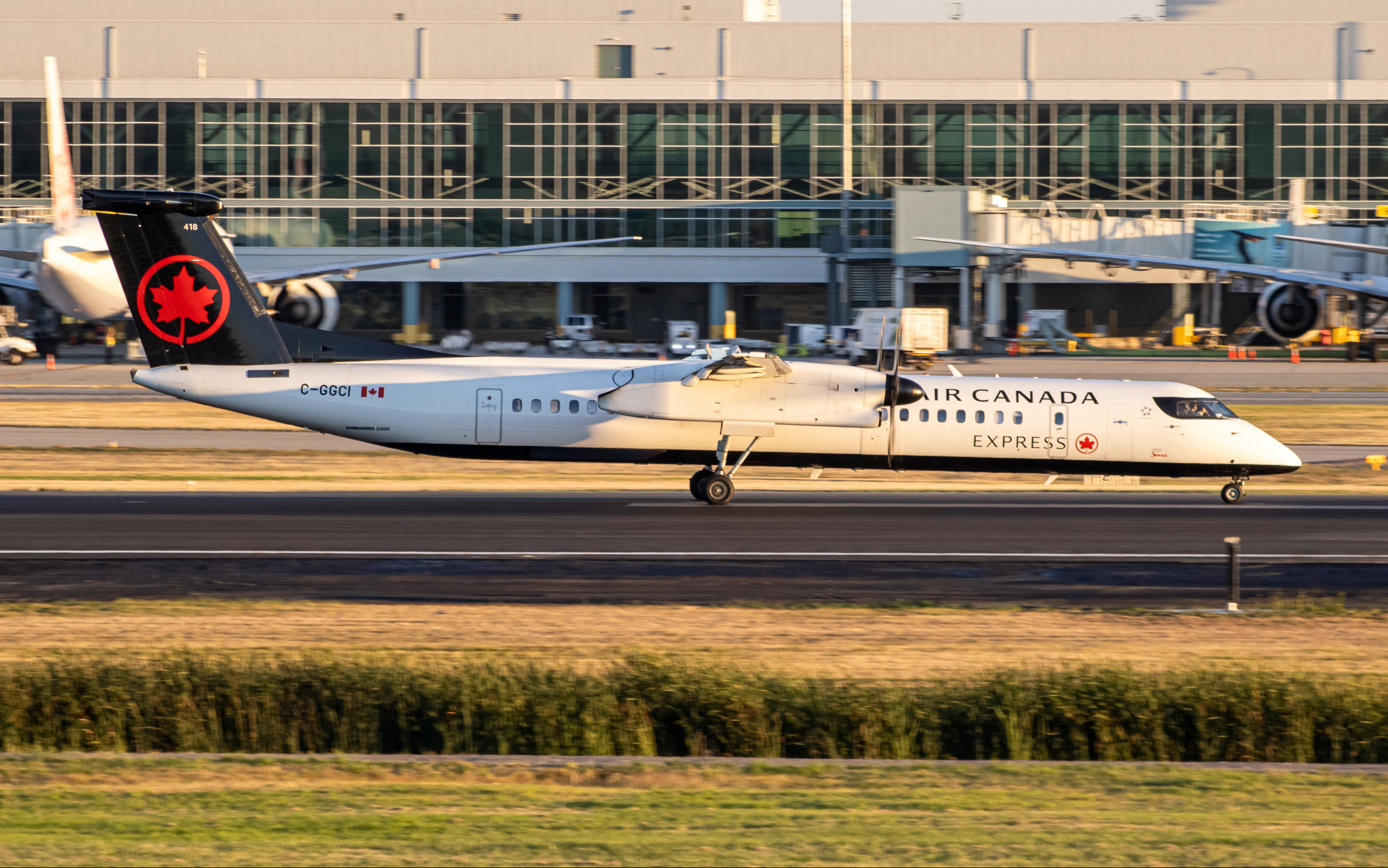 6 Key Rules for Claiming Citizenship Status Through Your Parents or Grandparents
If you want to know about ancestry rights in Canadian citizenship law, you need to understand what has changed in the rules lately.
INFORMATIONAL
READ MORE »
6 Key Rules for Claiming Citizenship Status Through Your Parents or Grandparents
If you want to know about ancestry rights in Canadian citizenship law, you need to understand what has changed in the rules lately.
INFORMATIONAL
READ MORE »