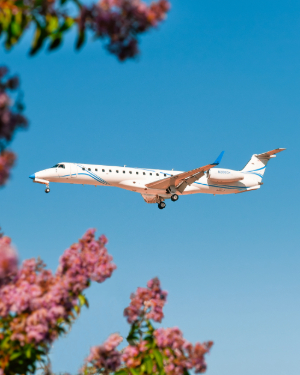


Most AI stories in aviation follow the same shape. A model predicts something, and a human decides what to do about it. Cathay Pacific's recent partnership with Google fits that mold exactly. AI flags where contrails are likely to form, and a flight dispatcher still reviews and adjusts the route before it ever reaches a pilot. Two other deals signed this year point in a different direction. Ryanair and Alaska Airlines are both handing AI systems the actual decision, not just the recommendation.

Ryanair's Google Cloud Deal Puts AI in Charge of Crew Scheduling
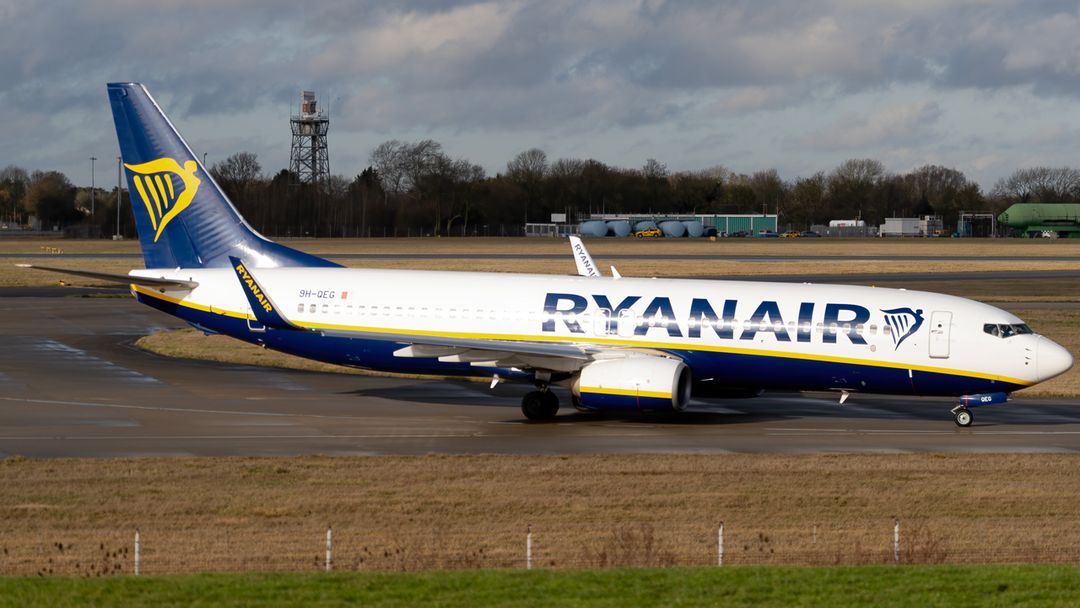
Ryanair signed a five-year partnership with Google Cloud in August 2026, rolling out Google Workspace and Gemini Enterprise, Google's agentic AI platform, to roughly 35,000 employees as the airline works toward a target of 300 million passengers a year by 2034.
The clearest example so far is crew logistics. Gemini Enterprise helps coordinate available crew against changing schedules and operational requirements, automating parts of a process that used to run through manual coordination. CEO Eddie Wilson framed the deal as core to keeping pace with Ryanair's growth. Google's VP for UK, Ireland, and Sub-Saharan Africa, Maureen Costello, described the partnership as a way to reduce operational costs while scaling securely.
One caveat worth flagging. Ryanair's own announcement and reporting on it name crew logistics and general workflow automation specifically. Broader claims about AI running fleet operations and maintenance decisions aren't explicitly confirmed in the primary sources. Maintenance shows up only as an example of the kind of disruption the system needs to react to, not as a function AI is directly deciding on.
Alaska Airlines Lets AI Decide Who Gets Bumped from Overbooked Flights
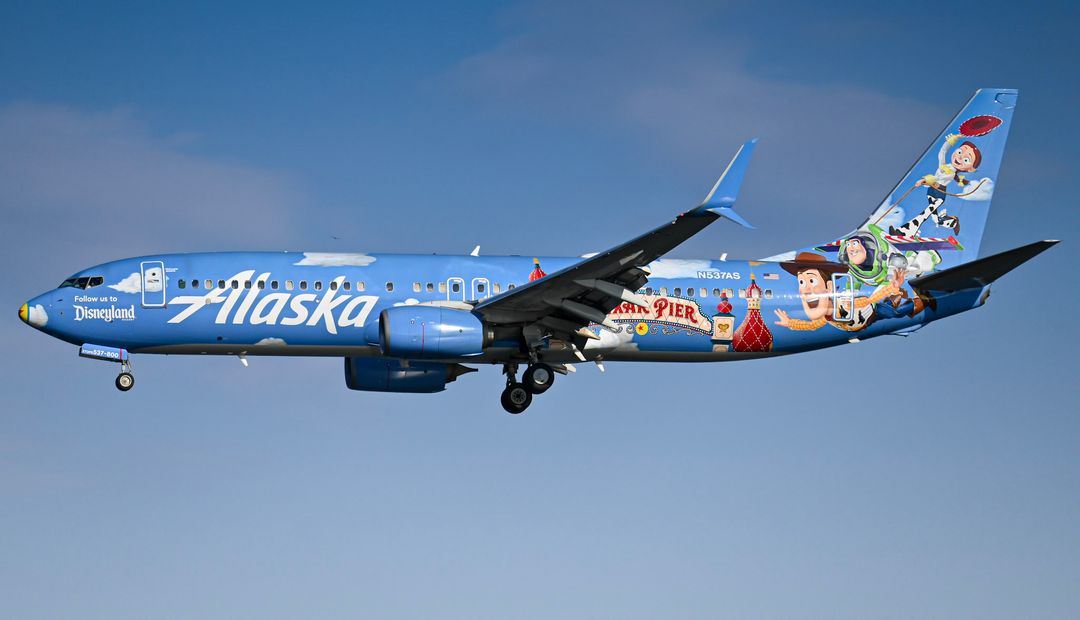
Alaska Airlines took a narrower but sharper swing. It handed a specific, high-stakes decision to an automated system: who gets rebooked off an oversold flight, and what they're offered. Alaska adopted Volantio's Re-Commerce platform to replace a legacy volunteer solicitation system that was manual, inflexible, and blind to alternative flight options for guests.
The results are concrete. Volunteer rates for giving up a seat on an overbooked flight have doubled since the system went live, letting Alaska overbook more aggressively while reducing costly spoilage of empty seats that fly for nothing. Former VP of Pricing and Revenue Management Kevin Ger described the airline's prior situation bluntly. Overbooking and involuntary denied boardings had both been problems at once. Alaska CFO Shane Tackett put the financial impact at well over $20 million a year, not counting the separate savings from fewer denied boardings and less manual work for gate staff.
Why AI Decision-Making Carries More Risk Than AI Predictions
Contrail avoidance and crew-and-revenue automation both use machine learning, but they carry very different risk profiles. If Cathay's contrail model gets a prediction wrong, a dispatcher catches it before it matters. The human stays the last checkpoint. If Alaska's system misjudges who to bump or what to offer them, the airline has already made a real commercial decision, with real cost and real customer impact, before anyone reviews it after the fact.
That's the actual shift happening here. AI didn't just get smarter at forecasting. Forecasting-based tools have existed in aviation for years. Airlines are now comfortable removing the human checkpoint on decisions that used to require one, at least for well-bounded problems like overbooking and crew assignment, where the cost of an occasional bad call stays manageable.
What This Means for the Future of AI in Airline Operations
None of this means AI is running the airline. Ryanair's crew logistics tool and Alaska's overbooking system both operate inside narrow, well-defined problems where the downside of an error is bounded and recoverable. Nobody's letting an algorithm decide flight routing or maintenance sign-off without a human in the loop. But the direction matters. As these systems prove themselves on constrained, high-volume decisions, the boundary of what counts as safe to automate keeps shifting. The distinction between an AI that predicts and one that decides used to be mostly academic. For airlines running the numbers on crew scheduling and overbooking, it's now a real budget line.
GA-ASI Introduces Purpose-Built Wildfire UAS for Aerial Firefighting Missions » Concorde's Droop-Nose Mechanism: Why It Existed and How It Worked » Ryanair CEO Rejects Report That Passenger Was Partially Sucked Through Broken 737 Window »

Comments (0)
Add Your Comment
TAGS
INFORMATIONAL AI in Aviation Aviation Artificial Intelligence Airline Technology Ryanair Alaska Airlines Cathay Pacific Google Cloud Gemini Enterprise AI Decision Making Crew Scheduling Airline Operations Overbooking Aviation Safety Machine Learning Future of AviationRECENTLY PUBLISHED
 Why Do Some Flights Take Longer Than Others on the Same Route?
Why do some flights take longer than others on the same route? From jet streams and seasonal winds to ATC congestion, great-circle routing, and airline schedule padding, several factors influence flight duration. Here's how flight paths, weather, and air traffic control affect your journey.
INFORMATIONAL
READ MORE »
Why Do Some Flights Take Longer Than Others on the Same Route?
Why do some flights take longer than others on the same route? From jet streams and seasonal winds to ATC congestion, great-circle routing, and airline schedule padding, several factors influence flight duration. Here's how flight paths, weather, and air traffic control affect your journey.
INFORMATIONAL
READ MORE »
 This Week in Aviation: The 10 Stories That Mattered Most
From major airline developments to aircraft updates and industry shifts, this weekly recap highlights the ten most-read aviation stories from the week of September 06.
INFORMATIONAL
READ MORE »
This Week in Aviation: The 10 Stories That Mattered Most
From major airline developments to aircraft updates and industry shifts, this weekly recap highlights the ten most-read aviation stories from the week of September 06.
INFORMATIONAL
READ MORE »
 Concorde's Droop-Nose Mechanism: Why It Existed and How It Worked
Concorde's iconic droop-nose mechanism explained.
INFORMATIONAL
READ MORE »
Concorde's Droop-Nose Mechanism: Why It Existed and How It Worked
Concorde's iconic droop-nose mechanism explained.
INFORMATIONAL
READ MORE »
More than just headlines.
Get unlimited ad-free access to in-depth aviation news, premium stories, and exclusive insights other sites don't cover.
- Ad-free browsing on AeroXplorer
- Unlimited access to premium and exclusive articles
- Higher photo upload limits & commissions on sales
- Free access to Jetstream Magazine on higher tiers
- Ad-free browsing
- Sell aviation photos with 60% commission
- First week free!
- Everything in Basic+
- Unlimited premium articles
- Sell aviation photos with 70% commission
- Free Digital subscription to Jetstream Magazine
- First week free!
- Everything in Basic+ and Pro
- Sell aviaiton photos with 80% commission
- Early access to exclusive stories
- Free Digital+Print subscription to Jetstream Magazine