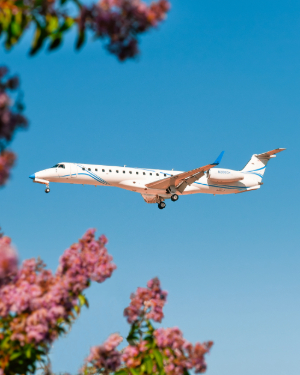
Most passengers crossing an ocean today never think twice about flying on two engines instead of four. That confidence exists because of a five-letter rulebook most of them have never heard of ETOPS, “Extended-range Twin-engine Operations Performance Standards” sound bureaucratic, but the story behind them explains why the skies over the Atlantic and Pacific look completely different than they did 50 years ago, long before the days of the modern Boeing 777’s and Airbus A350’s.
The Sixty-Minute Rule That Grounded Twins
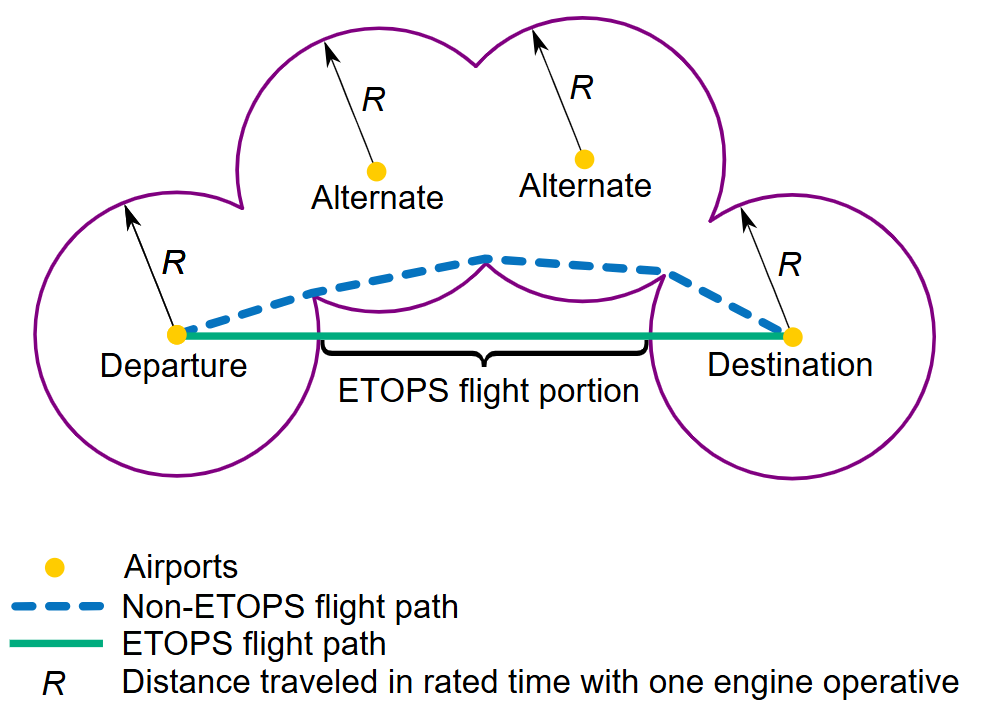
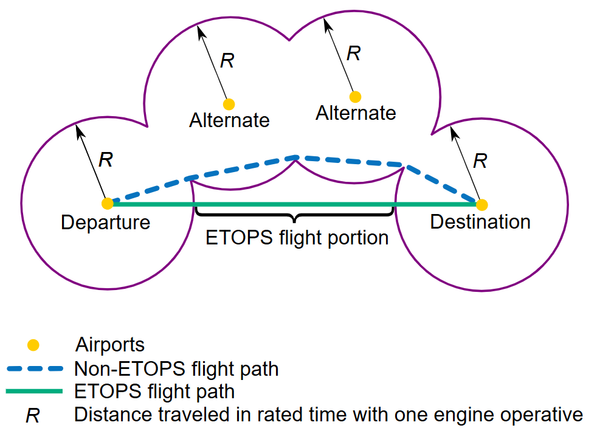
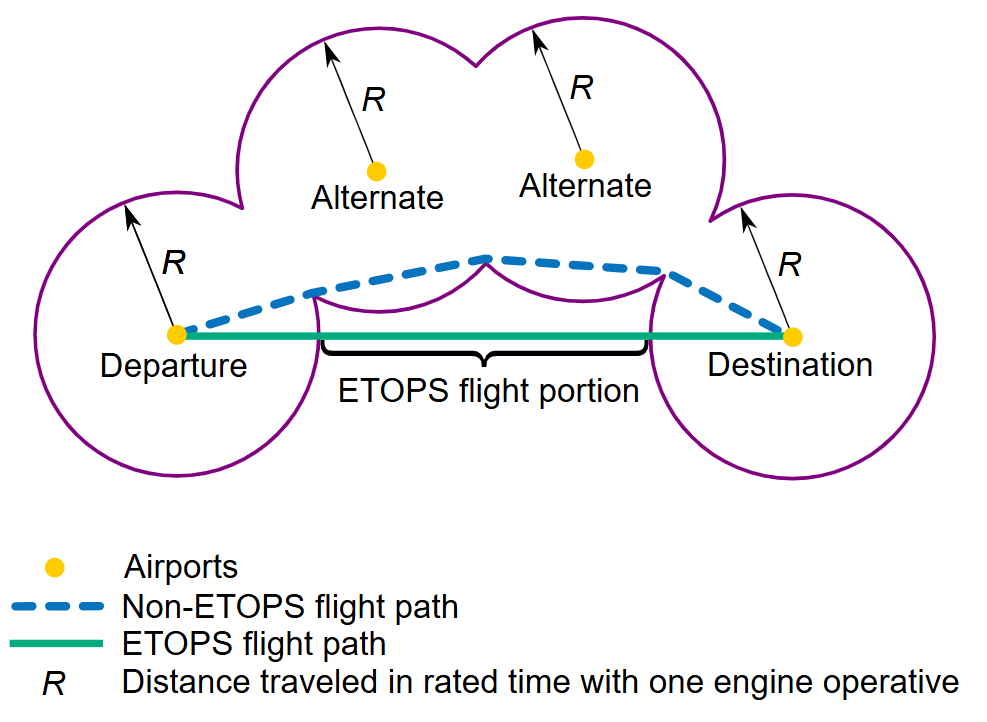
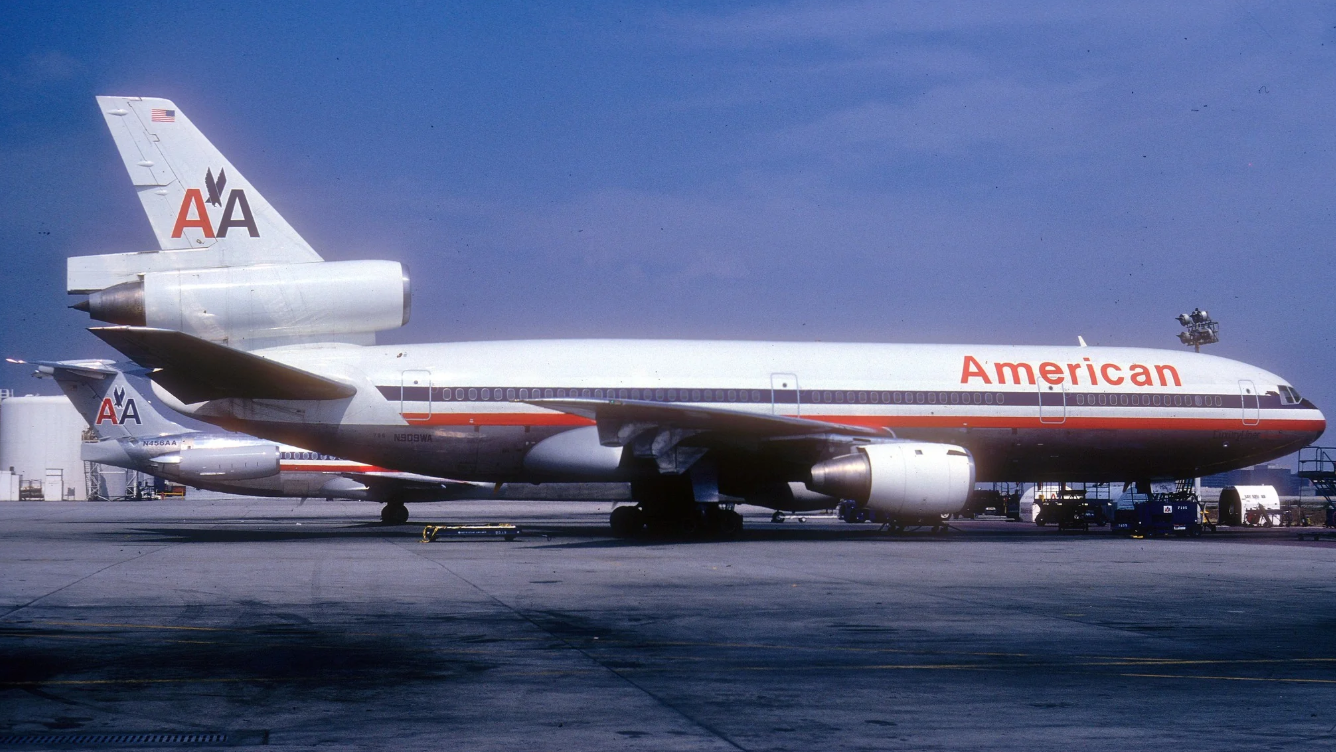
Long before ETOPS existed, regulators built the rulebook around piston engines that failed often enough to worry about. A 1936 US rule kept airliners within 100 miles of an airport, and by 1953 that had hardened into the famous 60-minute rule, a twin-engine aircraft could never fly more than an hour, at single-engine speed, from a place to land. Three- and four-engine aircraft were exempted from that limit on the logic that they carried spare engines, which is why oceans belonged almost entirely to the Boeing 707 and 747, the DC-8, and later the trijets, DC-10 and L-1011.
Boeing Pushes, the FAA Resists
By the late 1970s, new high-bypass turbofans were proving dramatically more reliable than the piston engines the rule had been written for. Boeing engineer Dick Taylor, later credited as the father of ETOPS, pressed the FAA to let the new twin-engine Boeing 767 fly extended overwater routes. FAA Administrator J. Lynn Helms was blunt about his answer, warning it would be "a cold day in hell before I let twins fly long haul, overwater routes".
The Gimli Glider Almost Ended the Debate
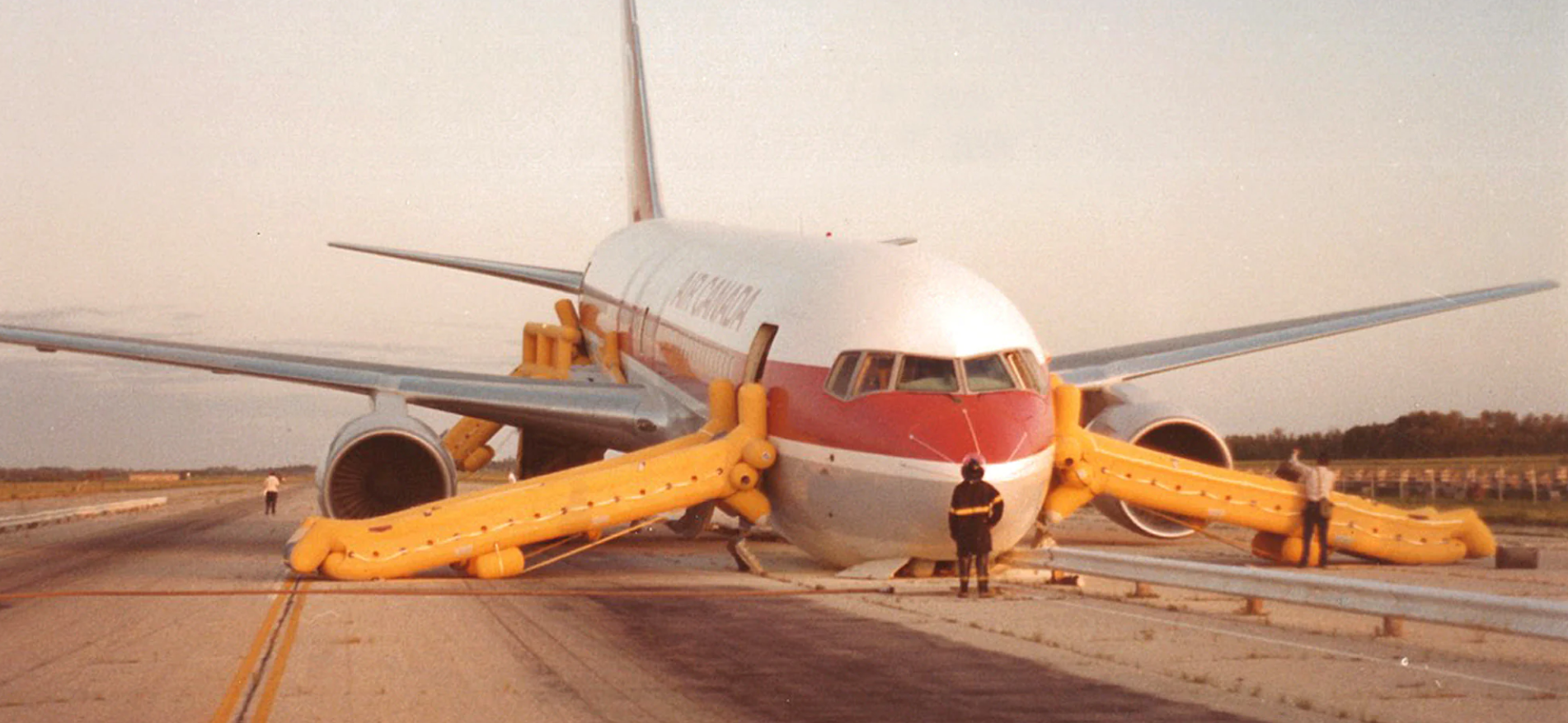
That resistance nearly hardened into permanent policy after July 1983, when Air Canada Flight 143, a Boeing 767, ran out of fuel mid-flight due to a mishandled pounds-to-kilograms conversion. The crew glided the aircraft more than 45 miles to an abandoned airstrip in Gimli, Manitoba, and all 69 people aboard survived. Critics pointed to the incident as proof twins could not be trusted far from land, though Boeing argued the failure was a fueling and human-factors problem rather than a mechanical one, and that a four-engine jet would have faced the identical situation.
TWA's Flight That Changed Everything
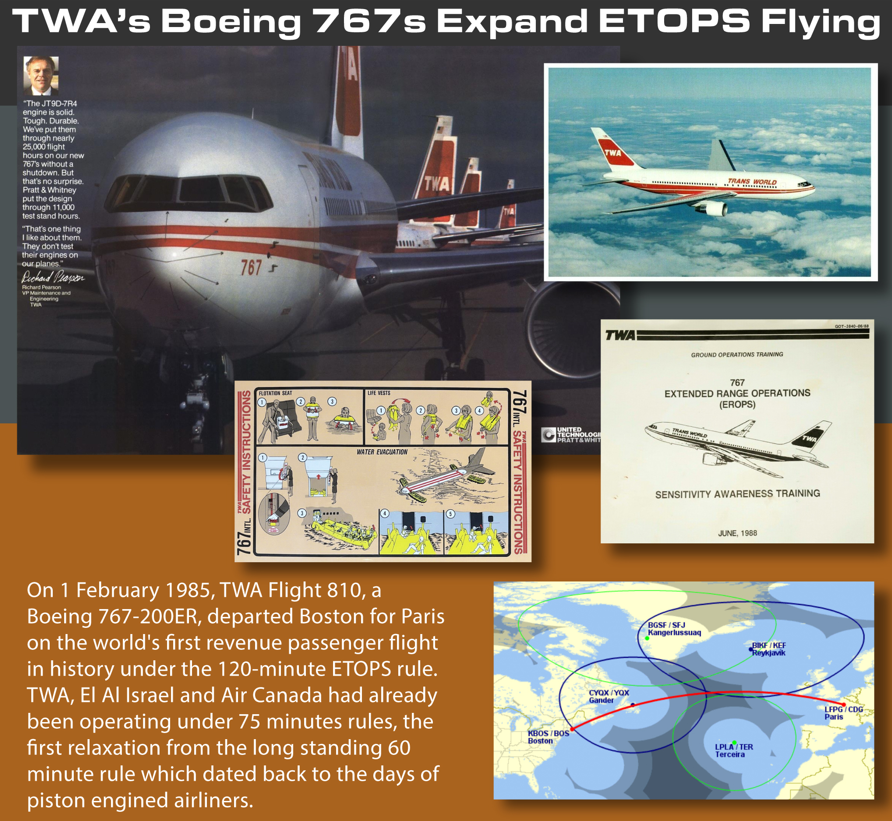
Momentum shifted anyway. In 1985 the FAA issued Advisory Circular 120-42, clearing suitably prepared twins to fly up to 120 minutes from a diversion airport. On February 1, 1985, a TWA Boeing 767 left Boston for Paris carrying FAA observers and a specially trained crew, becoming the first US twinjet legally cleared to fly that far from land. The economics were immediate, the Boeing 767 burned roughly 7,000 pounds less fuel per hour than the three-engine L-1011 it replaced on that same route.
From 180 Minutes to Nearly Anywhere on Earth
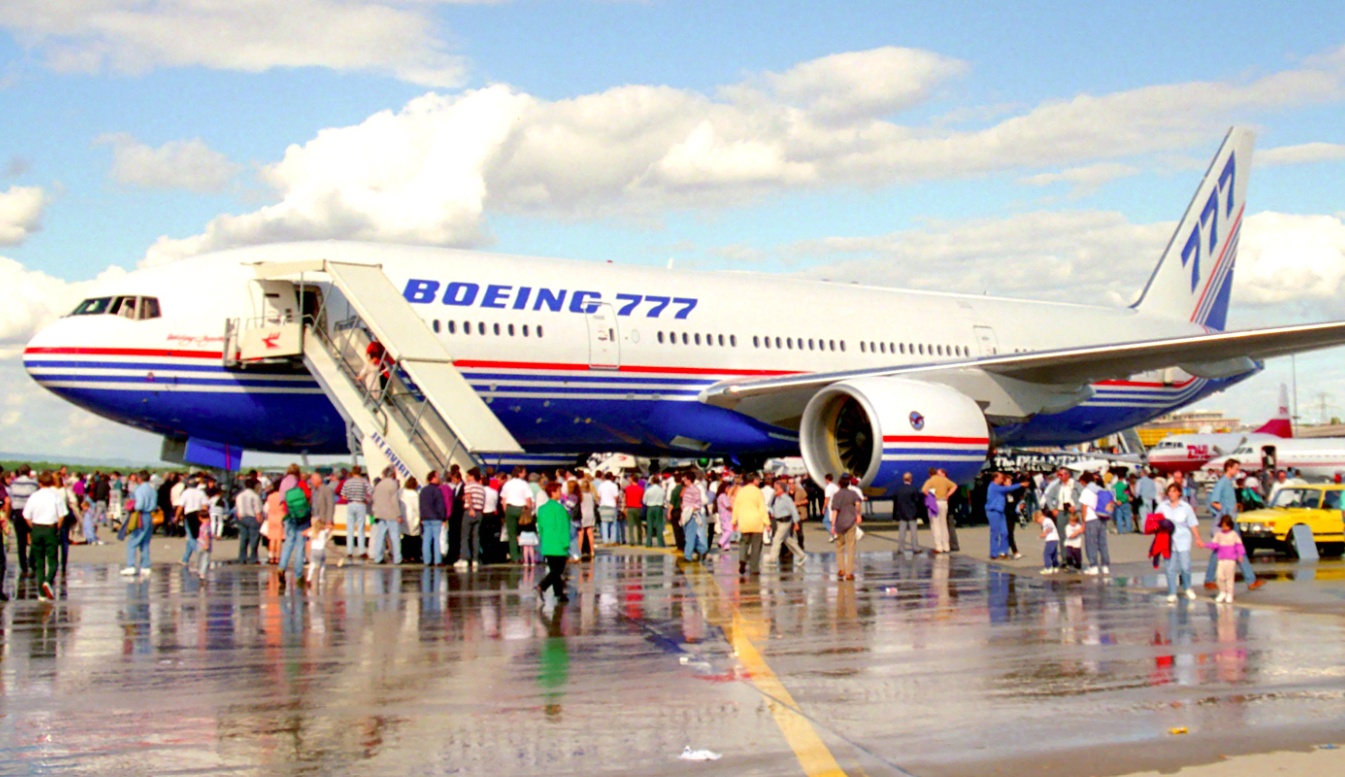
By 1988 the FAA extended the limit to 180 minutes, opening roughly 95 percent of the planet to twin-engine jets, and the Boeing 777 entered service in 1995 already approved to that standard. In 2007 the FAA dropped the hard 180-minute ceiling entirely, letting approvals stretch to an aircraft's design limit. The Airbus A330 reached ETOPS-240 in 2009, the Boeing 777 was cleared for ETOPS-330 in 2011, the 787 followed in 2014, and the Airbus A350 was certified that same year for up to 370 minutes, or roughly 2,500 nautical miles from the nearest runway on one engine.
Why the Nickname Still Sticks
Pilots have long joked that ETOPS really stands for "Engines Turn Or Passengers Swim." It is catchy but a little misleading, since the rule is really about distance from a suitable runway rather than whether the route happens to cross water. Routes over Siberia or the Australian outback can require ETOPS planning just as much as anything over open ocean.
The Trijet Era That Never Came Back
Once regulators trusted twins with the distances that used to belong only to quads and trijets, the fuel savings did the rest of the work. The Boeing 747 and Airbus A380 gradually lost ground to twins that could fly the same routes on far less fuel, and today aircraft like the Boeing 787, Airbus A330, Airbus A350, and even the shorter-range Airbus A321XLR handle long-haul and extended overwater flying that once required four engines by default. What started as one contested rule change in the 1980s ended up reshaping which aircraft airlines buy and which routes they can fly at all.
American Airlines 737 Diverts to Chicago O'Hare After Suspected Cabin Fire » Delta Aircraft Isolated at Ben Gurion Airport Following Bomb Threat » Qantas Grounds Plane After Passengers Report Bedbug Bites on Flight »
Comments (0)
Add Your Comment
TAGS
INFORMATIONAL ETOPS flying flight DC10 Boeing Airbus B777 A350 long-haulRECENTLY PUBLISHED
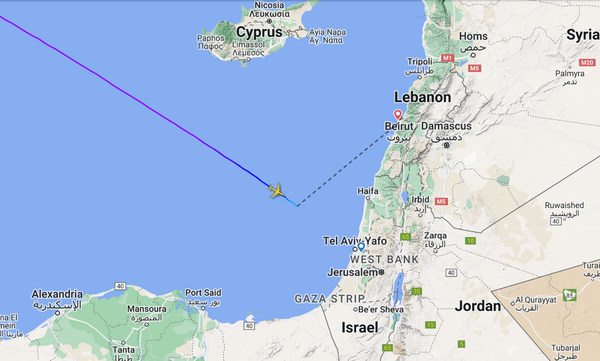 GPS Jamming Is Now a Daily Airline Problem. Here Is How Bad It Has Gotten
GPS jamming and spoofing are disrupting airline navigation across Europe, the Middle East and South Asia. Explore how widespread GNSS interference threatens flight safety, affects airline operations, and what pilots and regulators are doing to manage the growing risk.
INFORMATIONAL
READ MORE »
GPS Jamming Is Now a Daily Airline Problem. Here Is How Bad It Has Gotten
GPS jamming and spoofing are disrupting airline navigation across Europe, the Middle East and South Asia. Explore how widespread GNSS interference threatens flight safety, affects airline operations, and what pilots and regulators are doing to manage the growing risk.
INFORMATIONAL
READ MORE »
 Who Is Accountable When an AI Air Traffic Tool Gets It Wrong?
Who is liable when an AI air traffic control tool gets it wrong? The FAA’s SMART system faces scrutiny over safety testing, controller oversight, and legal accountability as lawmakers question its use in U.S. airspace.
INFORMATIONAL
READ MORE »
Who Is Accountable When an AI Air Traffic Tool Gets It Wrong?
Who is liable when an AI air traffic control tool gets it wrong? The FAA’s SMART system faces scrutiny over safety testing, controller oversight, and legal accountability as lawmakers question its use in U.S. airspace.
INFORMATIONAL
READ MORE »
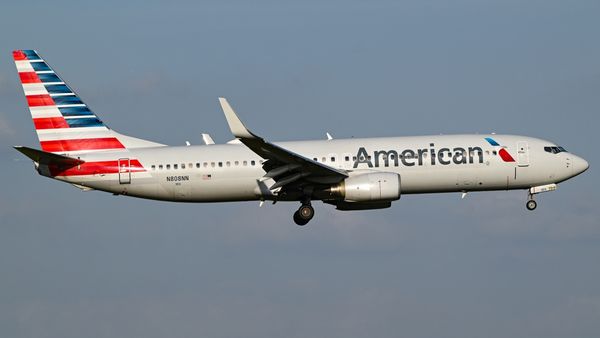 American Airlines 737 Diverts to Chicago O'Hare After Suspected Cabin Fire
An American Airlines Boeing 737 made an emergency landing at Chicago O'Hare after crew reported a suspected fire inside the cabin.
NEWS
READ MORE »
American Airlines 737 Diverts to Chicago O'Hare After Suspected Cabin Fire
An American Airlines Boeing 737 made an emergency landing at Chicago O'Hare after crew reported a suspected fire inside the cabin.
NEWS
READ MORE »
More than just headlines.
Get unlimited ad-free access to in-depth aviation news, premium stories, and exclusive insights other sites don't cover.
- Ad-free browsing on AeroXplorer
- Unlimited access to premium and exclusive articles
- Higher photo upload limits & commissions on sales
- Free access to Jetstream Magazine on higher tiers
- Ad-free browsing
- Sell aviation photos with 60% commission
- First week free!
- Everything in Basic+
- Unlimited premium articles
- Sell aviation photos with 70% commission
- Free Digital subscription to Jetstream Magazine
- First week free!
- Everything in Basic+ and Pro
- Sell aviaiton photos with 80% commission
- Early access to exclusive stories
- Free Digital+Print subscription to Jetstream Magazine