
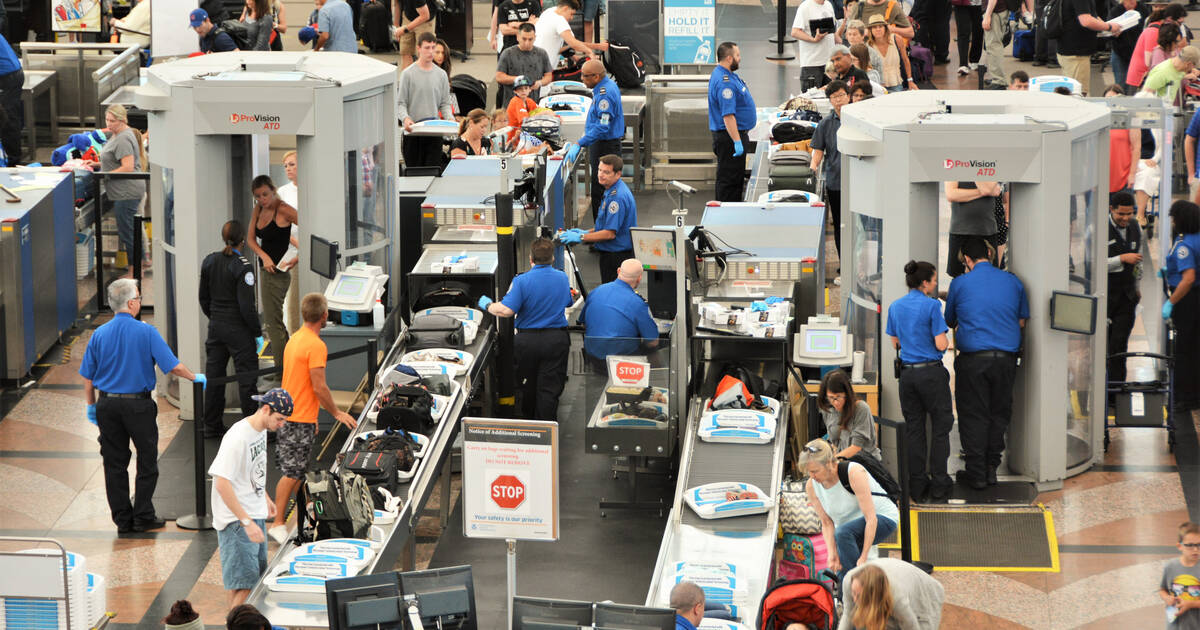

Have you ever wondered how your bags are screened before you board a flight? How do Transportation Security Administration (TSA) agents know which bags to screen and what to look for? In this article, we will answer those questions and give you a behind-the-scenes look at the screening process!
What is the purpose of screening?
The primary purpose of screening is to prevent dangerous items from being brought onto an airplane. This includes items that could be used to hijack the plane or injure passengers and crew members. TSA agents use a variety of methods to screen bags, including X-ray machines and explosive detection devices.

How are bags screened?
Various layers of security take place before your bag is loaded onto the plane. The first line of defense starts with you. Airport staff is trained to notice anything out of the ordinary. If they see something that makes them suspicious, they will ask you questions and may even search your bag.
Once you have passed through security, your bag will go through an X-ray machine. This is where most items are caught. If something appears suspicious, it will be pulled aside for a more thorough search.
How do they know which bags to search for and which ones to let through?
TSA agents use a variety of methods to determine which bags need to be searched. This includes random searches, as well as searches based on passenger behavior and information from intelligence sources. For example, if a passenger is acting suspiciously or has been flagged by the TSA's watch list, their bag is more likely to be searched.
Nowadays, there are new technologies that are being developed and tested, such as computed tomography (CT) scanners. These scanners create a 3D image of the bag and its contents, which makes it easier to spot anything that may be hidden. The downside is that they are costly and not all airports have them yet.

How do they know if there is something dangerous in my bag?
TSA agents are trained to identify explosive materials. They use a variety of methods, including X-ray machines, chemical swabs, and explosive detection dogs.
If you have ever been selected for a secondary search, it is because something in your bag caught the attention of a TSA agent. It could be something as innocent as a water bottle that set off the X-ray machine. Or, it could be something more serious, such as a suspicious item flagged during the check-in process.
No matter what the reason is, try to remain calm and cooperative. The TSA agents are just doing their job to ensure the safety of all passengers. If you'd like to make your TSA experience easier, we recommend having a TSA-approved lock to help speed up the screening process. You can purchase one here.
This Week in Aviation: The 10 Stories That Mattered Most » Why Do Some Flights Take Longer Than Others on the Same Route? » This Startup Wants to Put a Doctor on Every Aircraft »

Comments (2)
 Vsparky
That was the behind the scene look? Why did you bother??
Francis Bagbey
Agree. Not terribly enlightening.
Vsparky
That was the behind the scene look? Why did you bother??
Francis Bagbey
Agree. Not terribly enlightening.
Add Your Comment
TAGS
INFORMATIONAL TSA Screening Security Airport Security SafetyRECENTLY PUBLISHED
 Congressman Tom Tiffany Survives Emergency Plane Landing in Lake Wausau
Wisconsin Rep. Tom Tiffany walked away unharmed after his small plane made an emergency landing in Lake Wausau. The FAA has opened an investigation.
NEWS
READ MORE »
Congressman Tom Tiffany Survives Emergency Plane Landing in Lake Wausau
Wisconsin Rep. Tom Tiffany walked away unharmed after his small plane made an emergency landing in Lake Wausau. The FAA has opened an investigation.
NEWS
READ MORE »
Congressman Tom Tiffany Survives Emergency Plane Landing in Lake Wausau
Wisconsin Rep. Tom Tiffany walked away unharmed after his small plane made an emergency landing in Lake Wausau. The FAA has opened an investigation.
NEWS
READ MORE »
Congressman Tom Tiffany Survives Emergency Plane Landing in Lake Wausau
Wisconsin Rep. Tom Tiffany walked away unharmed after his small plane made an emergency landing in Lake Wausau. The FAA has opened an investigation.
NEWS
READ MORE »
Congressman Tom Tiffany Survives Emergency Plane Landing in Lake Wausau
Wisconsin Rep. Tom Tiffany walked away unharmed after his small plane made an emergency landing in Lake Wausau. The FAA has opened an investigation.
NEWS
READ MORE »
Congressman Tom Tiffany Survives Emergency Plane Landing in Lake Wausau
Wisconsin Rep. Tom Tiffany walked away unharmed after his small plane made an emergency landing in Lake Wausau. The FAA has opened an investigation.
NEWS
READ MORE »
More than just headlines.
Get unlimited ad-free access to in-depth aviation news, premium stories, and exclusive insights other sites don't cover.
- Ad-free browsing on AeroXplorer
- Unlimited access to premium and exclusive articles
- Higher photo upload limits & commissions on sales
- Free access to Jetstream Magazine on higher tiers
- Ad-free browsing
- Sell aviation photos with 60% commission
- First week free!
- Everything in Basic+
- Unlimited premium articles
- Sell aviation photos with 70% commission
- Free Digital subscription to Jetstream Magazine
- First week free!
- Everything in Basic+ and Pro
- Sell aviaiton photos with 80% commission
- Early access to exclusive stories
- Free Digital+Print subscription to Jetstream Magazine