
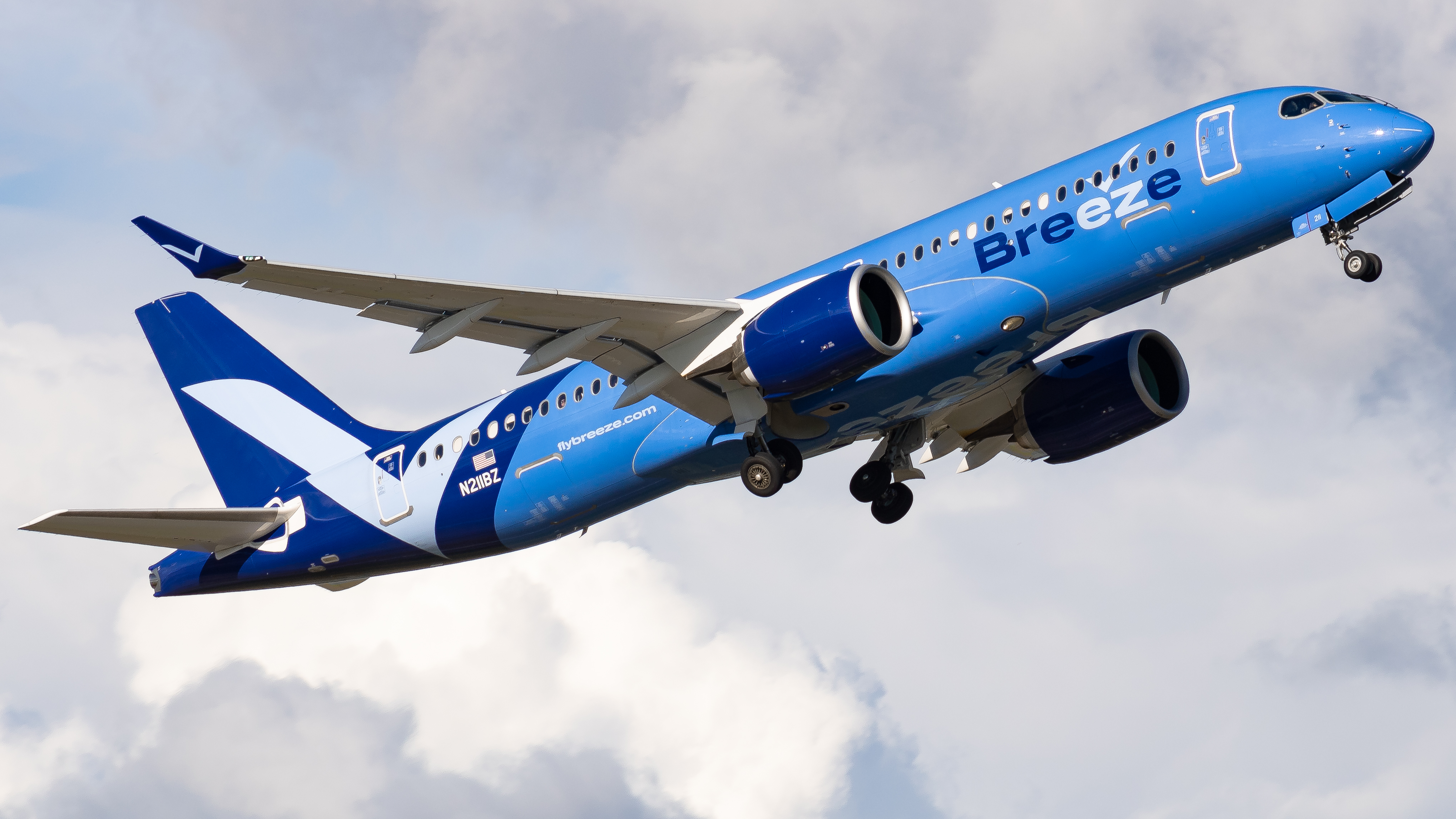
The Federal Aviation Administration (FAA) has issued a proposed airworthiness directive requiring operators of the Airbus A220 to inspect fuel hose assemblies on a portion of the US fleet. The order affects two carriers, Breeze Airways and Delta Air Lines, and centers on concerns that certain fuel hoses may have been manufactured with defects capable of compromising flight safety.
What the FAA Order Requires
The proposed directive targets 13 Airbus A220-100 and A220-300 aircraft registered in the United States. Under the terms of the order, operators must conduct a general inspection of the affected motive-flow flexible fuel lines and replace any component found to be defective. The FAA is accepting public comments on the proposal before it becomes final.
The regulator's action follows a similar directive issued by Transport Canada Civil Aviation (TCCA), the aviation authority responsible for oversight of Airbus Canada, which manufactures the A220 family at its Mirabel, Quebec assembly line. The FAA's proposal mirrors the Canadian order, extending the inspection requirement to A220 operators under US jurisdiction.
The Underlying Safety Concern
According to the FAA, the issue involves fuel hose assemblies that may have been produced with manufacturing defects. Regulators have warned that a compromised fuel hose could lead to fuel leakage, which in turn poses a fire hazard and could result in the loss of engine thrust. Given the critical nature of fuel system integrity, authorities have moved to ensure operators identify and remove any suspect components before an incident occurs.
The FAA's proposed directive targets flexible fuel line assemblies in the motive-flow system, installed near the wing and pylon area on certain A220 aircraft. Regulators say a manufacturing configuration change went into effect without a matching update to installation instructions, opening the door for the flexible hose to be fitted with a twist. Left unaddressed, that twist could gradually wear against the surrounding protective shroud, ultimately causing abrasion damage.
The FAA specifically noted the risk in its proposal, stating that the unsafe condition, if not addressed, could result in fuel leaks that could lead to a fire or loss of engine thrust. This kind of language typically signals that regulators view the matter as serious enough to warrant mandatory action rather than a voluntary service bulletin.

Impact on Breeze Airways
Breeze Airways, the low-cost carrier founded by JetBlue founder David Neeleman, has built much of its long-haul and transcontinental strategy around the Airbus A220-300. The aircraft's range and fuel efficiency have allowed Breeze to open thin, point-to-point routes that connect secondary cities across the United States, including recent transcontinental expansions.
The airline operates a growing A220 fleet, and any inspection requirement carries operational implications. However, because the FAA's proposed directive applies to a relatively small number of aircraft in the US, the overall disruption to Breeze's network is expected to be manageable. Operators typically fold such inspections into scheduled maintenance windows to minimize the impact on daily flying.
The Cockpit’s Next Revolution: When the Co-Pilot Is a Computer
Impact on Delta Air Lines
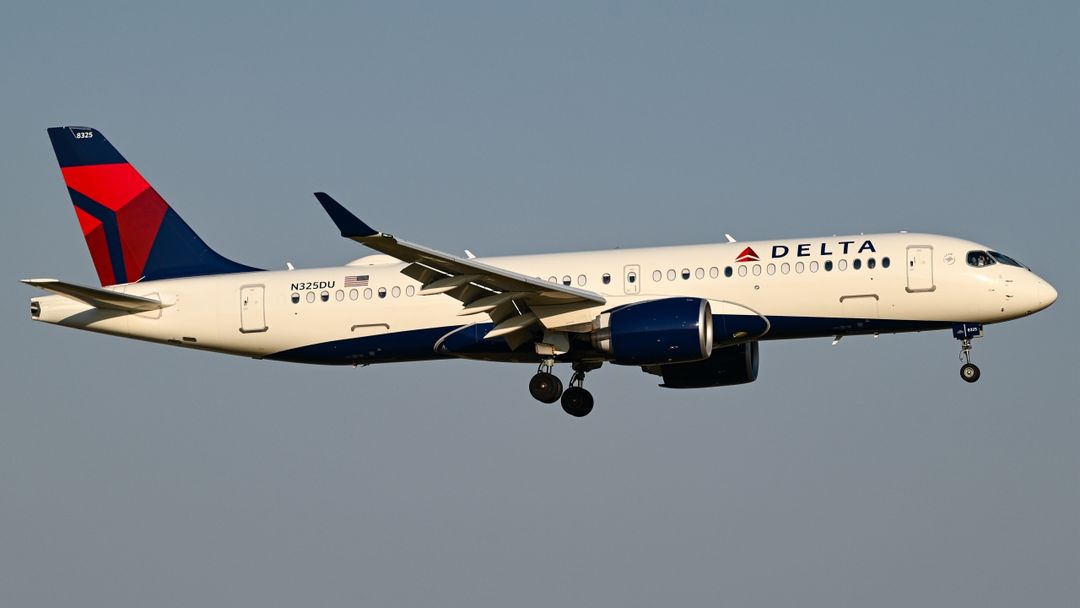
Delta Air Lines is the largest US operator of the A220, flying both the A220-100 and A220-300 variants. The Atlanta-based carrier has positioned the A220 as a replacement for older narrowbody aircraft on shorter domestic routes, and it has become a key part of the airline's fleet renewal strategy.
Delta's mainline maintenance operation is one of the largest in the industry, and the carrier is well-equipped to handle inspection directives of this scope. As with Breeze, the airline will likely coordinate the required checks with routine maintenance to avoid pulling aircraft from revenue service unnecessarily.
The A220 Program in Context
The A220, originally developed by Bombardier as the CSeries before Airbus took majority control of the program in 2018, has earned strong reviews from operators for its fuel efficiency, cabin comfort, and range. The type is powered by Pratt & Whitney PW1500G geared turbofan engines and is assembled at facilities in Mirabel, Quebec, and Mobile, Alabama.
Despite the aircraft's generally positive service record, the A220 program has faced a series of technical issues over the years, ranging from engine reliability concerns to component-level airworthiness directives. Fuel system inspections such as the one now proposed are part of the normal regulatory oversight process that follows any commercial jet through its early years of service.
Regulatory Process Ahead
The FAA's proposed airworthiness directive will move through a public comment period before it takes effect. During this window, operators, manufacturers, and other stakeholders may submit feedback that the regulator will consider before finalizing the order. Once issued in final form, the directive will impose specific compliance deadlines on affected operators.
For enthusiasts tracking the A220 program, the proposal illustrates how safety oversight functions across international borders. TCCA, as the state of design authority for the A220, issues the initial directive, and other regulators such as the FAA and the European Union Aviation Safety Agency (EASA) typically follow with parallel actions covering their own jurisdictions.
Looking Ahead
Neither Breeze Airways nor Delta Air Lines is expected to face significant service disruption from the proposed inspection requirement. Both carriers have the maintenance infrastructure necessary to complete the checks within the compliance timeframe the FAA will ultimately set. Passengers booked on A220 flights operated by either airline should not anticipate any changes to their travel plans as a result of the directive.
The A220's expanding role in the US market, particularly on transcontinental and mid-range routes, means that regulatory activity involving the type will continue to draw attention from operators and aviation observers alike. For now, the focus remains on completing the fuel hose inspections and ensuring that any defective components are identified and replaced before they can affect flight safety.
Frontier Airlines Launches First-Ever Service to Colombia With Three New Routes » United Airlines Cancels Planned Denver 9/11 Flyover Featuring Boeing 777 and F-16 Escorts » Air Traffic Control Issue Disrupts Flights at Heathrow, Gatwick and Other UK Airports »

Comments (0)
Add Your Comment
TAGS
NEWS FAA Airbus A220 Fuel Line Inspection Breeze Airways Delta Air Lines Airworthiness Directive Aviation Safety Aircraft Maintenance Regulatory Compliance Aviation NewsRECENTLY PUBLISHED
 Frontier Airlines Passengers Stranded Overnight After Crew Timeout From Weather Diversion
Frontier Airlines passengers spent the night stranded after severe weather forced a diversion and the flight crew timed out under FAA duty rules.
NEWS
READ MORE »
Frontier Airlines Passengers Stranded Overnight After Crew Timeout From Weather Diversion
Frontier Airlines passengers spent the night stranded after severe weather forced a diversion and the flight crew timed out under FAA duty rules.
NEWS
READ MORE »
 Etihad Airways Reveals New Cabin Designs for A330neo and A321LR Fleets
Etihad Airways unveils redesigned cabins for its Airbus A330neo and A321LR aircraft, featuring new suites, seats, and updated guest experiences.
NEWS
READ MORE »
Etihad Airways Reveals New Cabin Designs for A330neo and A321LR Fleets
Etihad Airways unveils redesigned cabins for its Airbus A330neo and A321LR aircraft, featuring new suites, seats, and updated guest experiences.
NEWS
READ MORE »
 How Ryanair and Alaska Airlines Are Using AI to Make Real Decisions, Not Just Predictions
Airlines are moving beyond AI predictions and letting artificial intelligence make real operational decisions. Explore how Ryanair, Alaska Airlines and Cathay Pacific are using AI for crew scheduling, overbooking and contrail avoidance and what this means for the future of airline operations.
INFORMATIONAL
READ MORE »
How Ryanair and Alaska Airlines Are Using AI to Make Real Decisions, Not Just Predictions
Airlines are moving beyond AI predictions and letting artificial intelligence make real operational decisions. Explore how Ryanair, Alaska Airlines and Cathay Pacific are using AI for crew scheduling, overbooking and contrail avoidance and what this means for the future of airline operations.
INFORMATIONAL
READ MORE »
More than just headlines.
Get unlimited ad-free access to in-depth aviation news, premium stories, and exclusive insights other sites don't cover.
- Ad-free browsing on AeroXplorer
- Unlimited access to premium and exclusive articles
- Higher photo upload limits & commissions on sales
- Free access to Jetstream Magazine on higher tiers
- Ad-free browsing
- Sell aviation photos with 60% commission
- First week free!
- Everything in Basic+
- Unlimited premium articles
- Sell aviation photos with 70% commission
- Free Digital subscription to Jetstream Magazine
- First week free!
- Everything in Basic+ and Pro
- Sell aviaiton photos with 80% commission
- Early access to exclusive stories
- Free Digital+Print subscription to Jetstream Magazine