
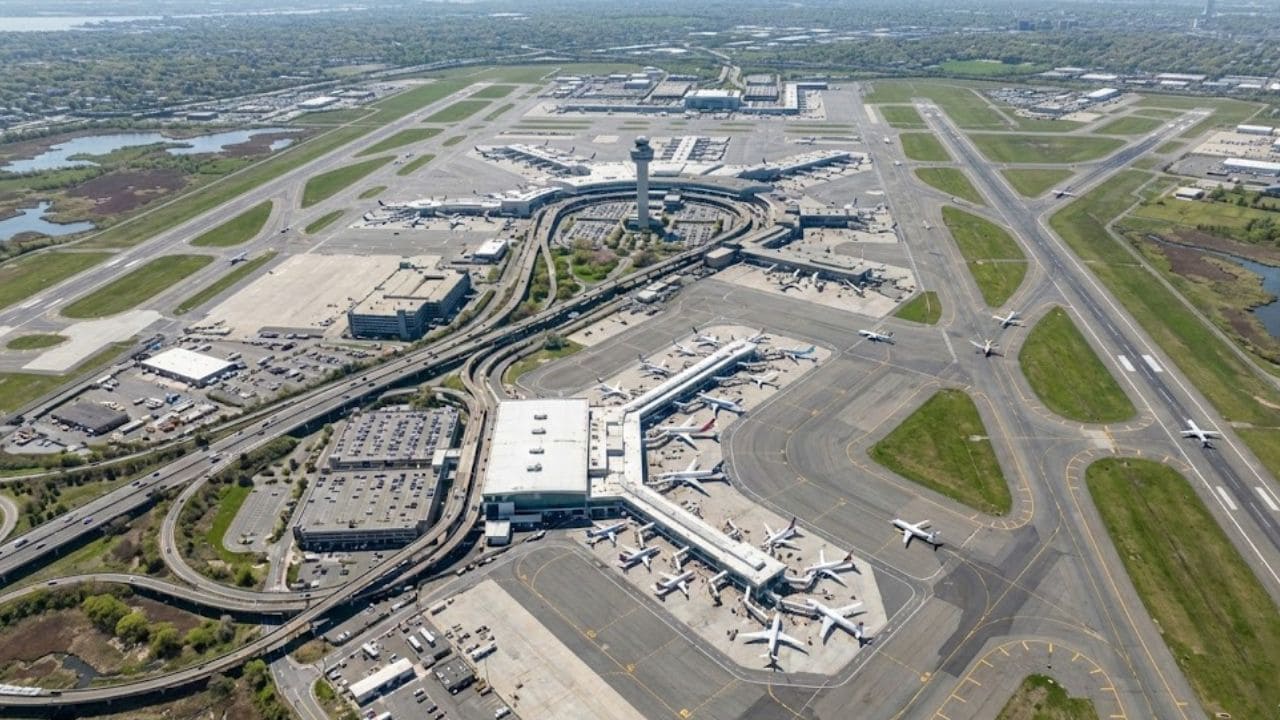
If you were hoping to see more flight options out of New York's John F. Kennedy International Airport anytime soon, you'll need to wait. The Federal Aviation Administration has extended the decades-old "High Density Rule" that caps the number of takeoffs and landings at JFK, blocking airlines from adding new service through at least October 2027.
The decision keeps a tight lid on one of the busiest international gateways in the United States. For travelers, it means fewer choices, limited competition, and continued pressure on fares during peak travel periods.
What the High-Density Rule Does
The High Density Rule has governed slot allocation at JFK since 1969, when the FAA first introduced restrictions to manage congestion at the country's busiest airports. The rule limits the number of scheduled operations during certain hours of the day, forcing airlines to hold a "slot" before they can take off or land.
Slots are tightly controlled. Airlines can trade or lease them, but they cannot simply add a new flight to the schedule without one. When demand outpaces supply, as it does at JFK, the result is a fixed ceiling on the number of flights that can operate.
The FAA had been considering whether to let the rule lapse or to extend it again. The agency chose extension, citing continued congestion concerns and the risk of delays cascading across the national airspace system if more flights were added.
Why the FAA Extended the Cap
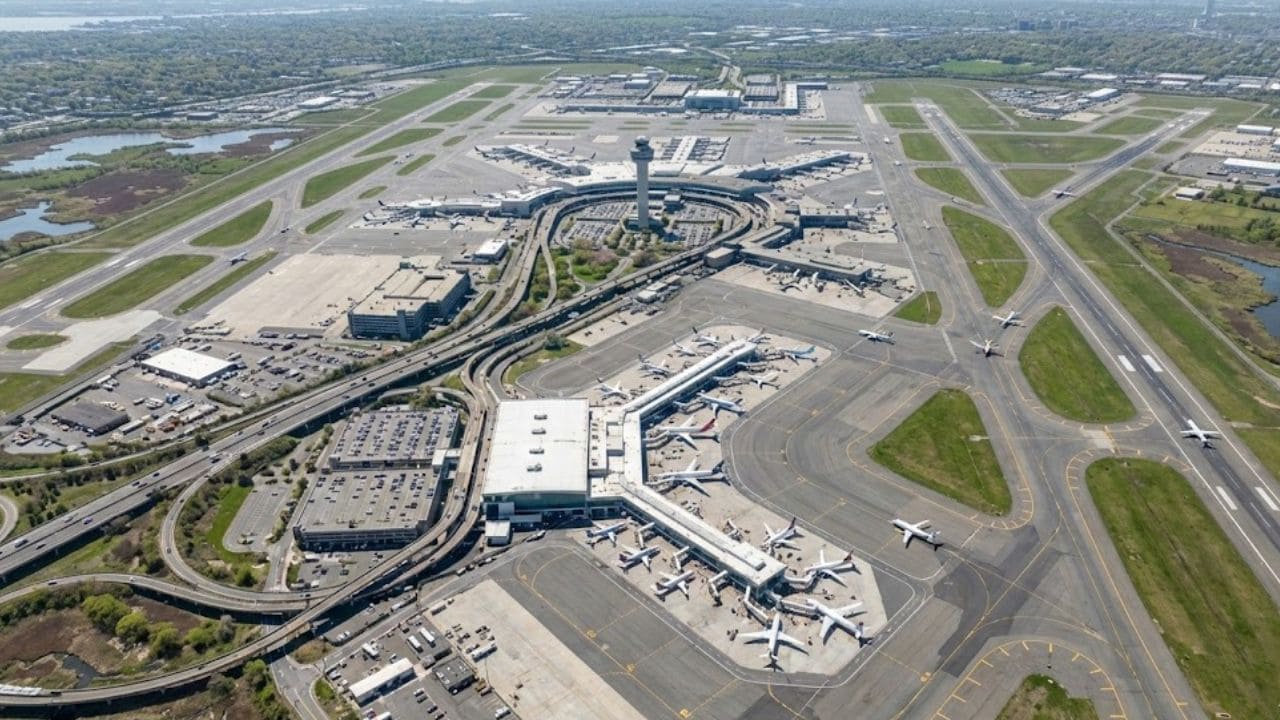
The FAA pointed to ongoing staffing shortages at air traffic control facilities serving the New York region. The agency has struggled to fully staff the New York Terminal Radar Approach Control facility, known as N90, which handles traffic for JFK, LaGuardia, and Newark Liberty.
Without enough controllers, adding more flights would likely worsen delays. The New York region already accounts for a large share of national delays, and a single disruption at JFK can ripple across the country and into international schedules.
The extension runs through October 2027, giving the FAA more time to address staffing and modernize procedures before reconsidering the cap.
What This Means for Airlines
For carriers that already hold slots at JFK, the extension protects their position. JetBlue, Delta, and American Airlines control the largest shares of slots at the airport, with foreign carriers holding the remainder for international service.
New entrants face a much harder path. Without available slots, a startup carrier or an airline that wants to expand at JFK has few options. They can try to lease slots from another airline, acquire them through a swap, or wait for the FAA to release any that go unused.
The rule also affects how airlines deploy aircraft. Carriers tend to use their JFK slots for the most profitable routes, which generally means long-haul international flights and high-demand domestic markets. Smaller cities and regional routes often lose out.

What It Means for You
If you fly through JFK, the extension has several practical effects.
First, you won't see a sudden expansion of new airline service or new routes from the airport. The carriers operating there now will continue to dominate the schedule. If you were hoping a low-cost carrier might add JFK service, that's unlikely in the near term.
Second, fares are unlikely to drop. With supply capped and demand strong, especially for international travel, airlines have little incentive to lower prices. Peak season fares from JFK to Europe, the Caribbean, and Asia will continue to reflect that tight supply.
Third, the cap may actually help with reliability. By keeping the number of flights within what the airspace and controllers can handle, the FAA aims to reduce the kinds of delays that have plagued New York airports in recent summers. That's a tradeoff. Fewer flights, but a better chance the ones that do operate run closer to schedule.

Analysis: How Spirit Airlines Changed Airline Pricing, then Paid the Price
The Broader New York Picture
JFK is not the only New York-area airport with capacity issues. LaGuardia operates under similar slot restrictions, and Newark Liberty has had its own struggles with delays and capacity cuts. Earlier in 2025, the FAA imposed temporary limits at Newark after a series of equipment failures and controller shortages caused widespread disruption.
Together, the three airports handle a huge volume of domestic and international traffic. Any changes at one tend to push demand toward the others, which makes coordinated capacity management important.
The High Density Rule extension fits into that broader effort. The FAA has signaled that it wants to avoid the kind of meltdown that hit Newark earlier this year, and capping JFK is part of keeping the wider system stable.
What Comes Next
The FAA will likely revisit the rule before the 2027 expiration. By then, the agency hopes to have made progress on hiring and training new air traffic controllers, deploying updated technology, and refining airspace procedures over the New York region.
If those improvements come through, the agency could consider easing the cap. If staffing and infrastructure problems persist, another extension is possible.
For now, the message to travelers is straightforward. JFK will stay the way it is. The carriers you know will keep flying the routes they already operate, and new service is off the table for at least the next two years. If you're planning trips through the airport, book early, watch for fare changes during off-peak periods, and expect the schedule to look much like it does today.
Frontier Airlines Flight Attendant Restrains Passenger Who Lunged for Cabin Door During Atlanta Jet Bridge Delay » American Airlines Swaps Landline Buses for CRJ-700 Flights on 84-Mile South Bend to Chicago Route » AirBaltic to Cut Up to 700 Jobs in Restructuring »

Comments (2)
 fahrschein
The photo is ORD, but otherwise, the article is sound.
fahrschein
No, sorry, not ORD. But that's not JFK. I give up!
fahrschein
The photo is ORD, but otherwise, the article is sound.
fahrschein
No, sorry, not ORD. But that's not JFK. I give up!
Add Your Comment
TAGS
NEWS FAA JFK Airport Flight Caps Capacity Restrictions New Service Blocked New York Aviation International Routes Airline Operations Network Strategy Service Expansion Congestion Management Gateway Airport Runway Capacity Operational LimitationsRECENTLY PUBLISHED
 This Week in Aviation: The 10 Stories That Mattered Most
From major airline developments to aircraft updates and industry shifts, this weekly recap highlights the ten most-read aviation stories from the week of October 04.
INFORMATIONAL
READ MORE »
This Week in Aviation: The 10 Stories That Mattered Most
From major airline developments to aircraft updates and industry shifts, this weekly recap highlights the ten most-read aviation stories from the week of October 04.
INFORMATIONAL
READ MORE »
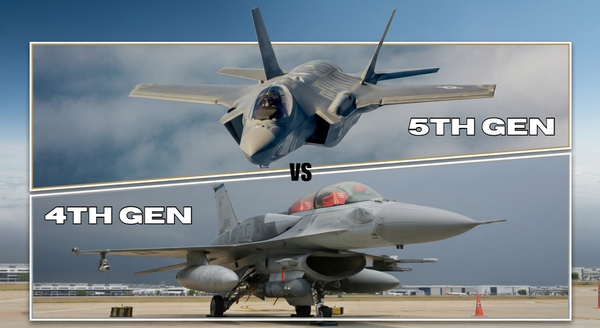 4th vs 5th Generation Fighter Jets: How Fighter Jets Have Evolved
A look at what separates fourth- and fifth-generation fighter jets, from stealth and sensor fusion to combat capability and cost.
INFORMATIONAL
READ MORE »
4th vs 5th Generation Fighter Jets: How Fighter Jets Have Evolved
A look at what separates fourth- and fifth-generation fighter jets, from stealth and sensor fusion to combat capability and cost.
INFORMATIONAL
READ MORE »
 United 777 Diverts to Dublin After Cockpit Windscreen Cracks Over the Atlantic
A United Airlines Boeing 777 bound for Milan made a steep descent and diverted to Dublin after its cockpit windscreen cracked mid-flight.
NEWS
READ MORE »
United 777 Diverts to Dublin After Cockpit Windscreen Cracks Over the Atlantic
A United Airlines Boeing 777 bound for Milan made a steep descent and diverted to Dublin after its cockpit windscreen cracked mid-flight.
NEWS
READ MORE »
More than just headlines.
Get unlimited ad-free access to in-depth aviation news, premium stories, and exclusive insights other sites don't cover.
- Ad-free browsing on AeroXplorer
- Unlimited access to premium and exclusive articles
- Higher photo upload limits & commissions on sales
- Free access to Jetstream Magazine on higher tiers
- Ad-free browsing
- Sell aviation photos with 60% commission
- First week free!
- Everything in Basic+
- Unlimited premium articles
- Sell aviation photos with 70% commission
- Free Digital subscription to Jetstream Magazine
- First week free!
- Everything in Basic+ and Pro
- Sell aviaiton photos with 80% commission
- Early access to exclusive stories
- Free Digital+Print subscription to Jetstream Magazine