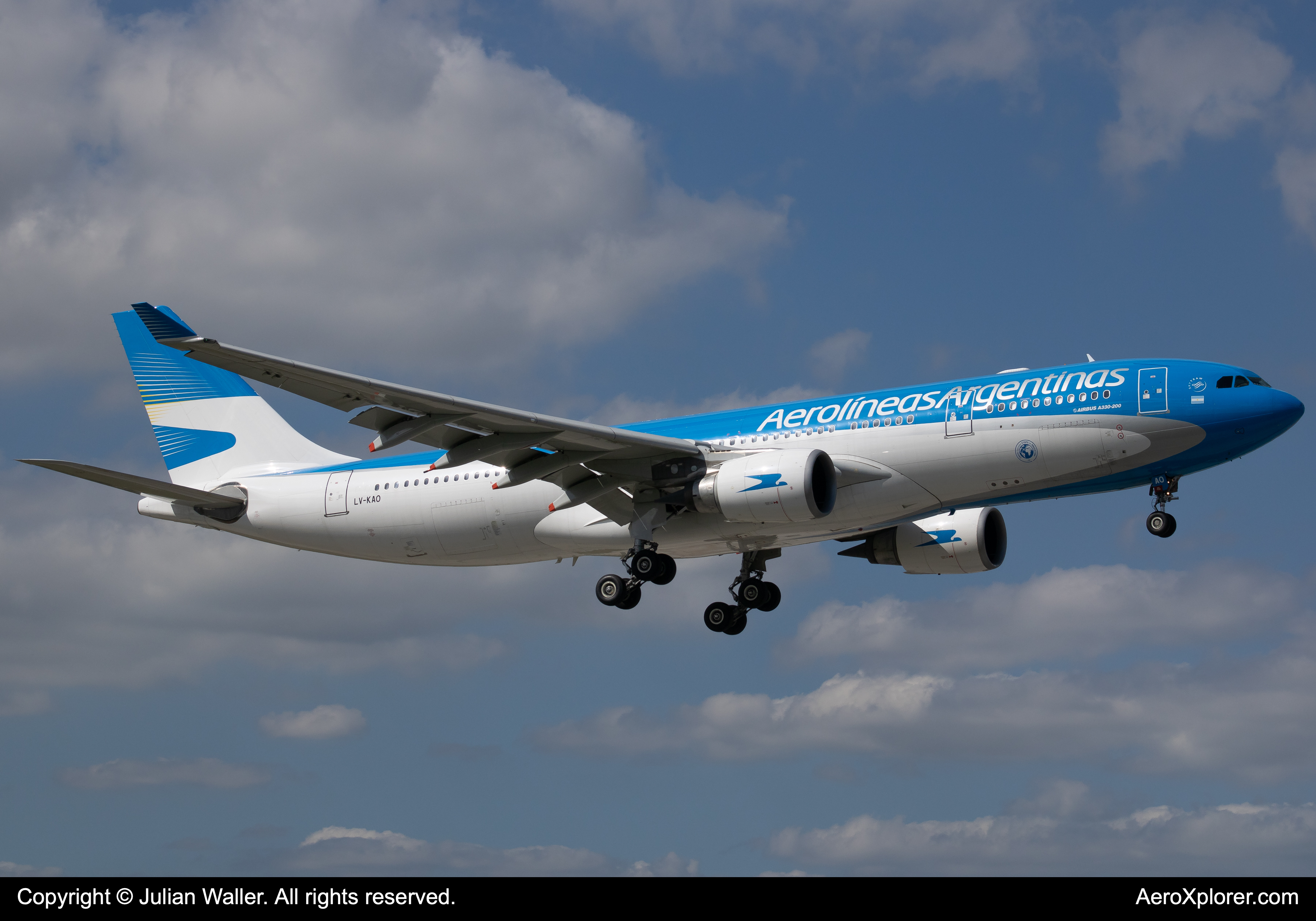

During Argentina's Dirty War from 1976 to 1983, the country experienced one of the darkest chapters in its history. Thousands of people disappeared as military, security forces, and death squads hunted down political opposition, especially those who associated with left-wing politics.
Death flights, a form of extrajudicial killing, only capitalized on the widespread human rights abuses.

A Brief History of the “Dirty War”
The Dirty War unfolded after Argentina's president, Isabel Peron, was forcefully removed from power. Shortly after, the presidency was filled by Lieutenant General Jorge Rafael Videla and his military junta. The junta brought Argentina's state and municipal governments under military control, imposing various forms of censorship.
Videla believed that leftist guerillas in the late 1960s threatened to bring Communism into Argentina due to their wide activism. Due to these perceived threats, he justified his actions to combat political dissidents, no matter how abusive those action were. Restoring order and protecting Argentina was Videla's number one priority.
In 1982, Argentina was defeated in the Falklands War with Great Britain. By 1983, due to international pressure to address human rights violations, civilian rule was restored.
It is difficult to determine how many victims of Videla's rule there were. However, it is estimated that as many as 30 thousand people disappeared throughout the seven years he was in power.
Death Flights
One of the most notable forms of human abuse and punishment during the “Dirty War” was the use of death flights. After being tortured, detained, and drugged, victims of these flights were dropped to their deaths from airplanes and helicopters into oceans, large rivers, and mountains.
Death flights were also utilized in other conflicts, such as France's 1947 Malagasy Uprising and France's 1957 Battle of Algiers, underscoring their effectiveness and excruciating torture.
Argentina used death flights for both physical and psychological warfare against political opponents.
Perpetrators behind these death flights were able to easily execute their victims and dispose of their bodies. When victims were dropped to their deaths, it was very difficult to recover their bodies, allowing Videla and his military junta to hide evidence of his regime.
Death flights also induced extreme fear in Videla's political opponents, forcing them to comply with his dictatorship if they wanted to live.
The Legacy of Argentina's Death Flights
Despite Videla trying his best to hide evidence of the death flights, many people gave testimonies of the atrocities his regime committed between 1976 and 1983.
One of the participants in these death flights, Adolfo Scilingo, was convicted in 2005. He confessed to killing 30 people on two flights that he operated in 1977 and 1978.
Additionally, he estimated that the Argentine Navy operated these flights every Wednesday for two years, killing anywhere between 1500 and 2000 people.
Julio Alberto Poch was another pilot who was convicted in 2010 for allegedly participating in the flights. During his trial in 2013, he denied participating in these flights, which led to him spending eight years in jail. Once he was freed, he was actually found to not be guilty by a court in Buenos Aires.
Many other participants in the death flights were arrested in 2015 and 2016 for the human rights abuses they perpetrated along with forcing 30,000 people to disappear. By November of 2017, 29 defendants were sentenced to life in prison, 19 with an 8-25 year prison sentence, and just six were acquitted.
The relatively recent verdict highlights the extent of the atrocities that occurred nearly fifty years ago and that no deed goes unpunished. These death flights were truly a significant contributor during the darkest days in Argentina during the Dirty War.
US Airlines Cut Flights as Jet Fuel Prices Climb Higher » British Airways Returns to Tanzania After 15 Years With Direct Flights to Kilimanjaro and Zanzibar » How Ryanair and Alaska Airlines Are Using AI to Make Real Decisions, Not Just Predictions »

Comments (0)
Add Your Comment
TAGS
STORIES death flights argentina politics warRECENTLY PUBLISHED
 This Week in Aviation: The 10 Stories That Mattered Most
From major airline developments to aircraft updates and industry shifts, this weekly recap highlights the ten most-read aviation stories from the week of September 13.
INFORMATIONAL
READ MORE »
This Week in Aviation: The 10 Stories That Mattered Most
From major airline developments to aircraft updates and industry shifts, this weekly recap highlights the ten most-read aviation stories from the week of September 13.
INFORMATIONAL
READ MORE »
 One-Millisecond Software Defect Identified as Cause of UK Air Traffic Control Collapse That Grounded Thousands of Flights
A new NATS report reveals a one-millisecond software defect triggered the UK air traffic control failure, causing thousands of cancellations.
NEWS
READ MORE »
One-Millisecond Software Defect Identified as Cause of UK Air Traffic Control Collapse That Grounded Thousands of Flights
A new NATS report reveals a one-millisecond software defect triggered the UK air traffic control failure, causing thousands of cancellations.
NEWS
READ MORE »
 AirAsia Pushes Back on Collapse Rumors as Fuel Costs Squeeze Budget Airline
AirAsia CEO Tony Fernandes denies the airline faces collapse, saying travel demand stays strong despite rising jet fuel prices pressuring margins.
NEWS
READ MORE »
AirAsia Pushes Back on Collapse Rumors as Fuel Costs Squeeze Budget Airline
AirAsia CEO Tony Fernandes denies the airline faces collapse, saying travel demand stays strong despite rising jet fuel prices pressuring margins.
NEWS
READ MORE »
More than just headlines.
Get unlimited ad-free access to in-depth aviation news, premium stories, and exclusive insights other sites don't cover.
- Ad-free browsing on AeroXplorer
- Unlimited access to premium and exclusive articles
- Higher photo upload limits & commissions on sales
- Free access to Jetstream Magazine on higher tiers
- Ad-free browsing
- Sell aviation photos with 60% commission
- First week free!
- Everything in Basic+
- Unlimited premium articles
- Sell aviation photos with 70% commission
- Free Digital subscription to Jetstream Magazine
- First week free!
- Everything in Basic+ and Pro
- Sell aviaiton photos with 80% commission
- Early access to exclusive stories
- Free Digital+Print subscription to Jetstream Magazine