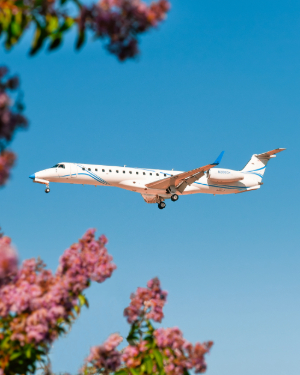


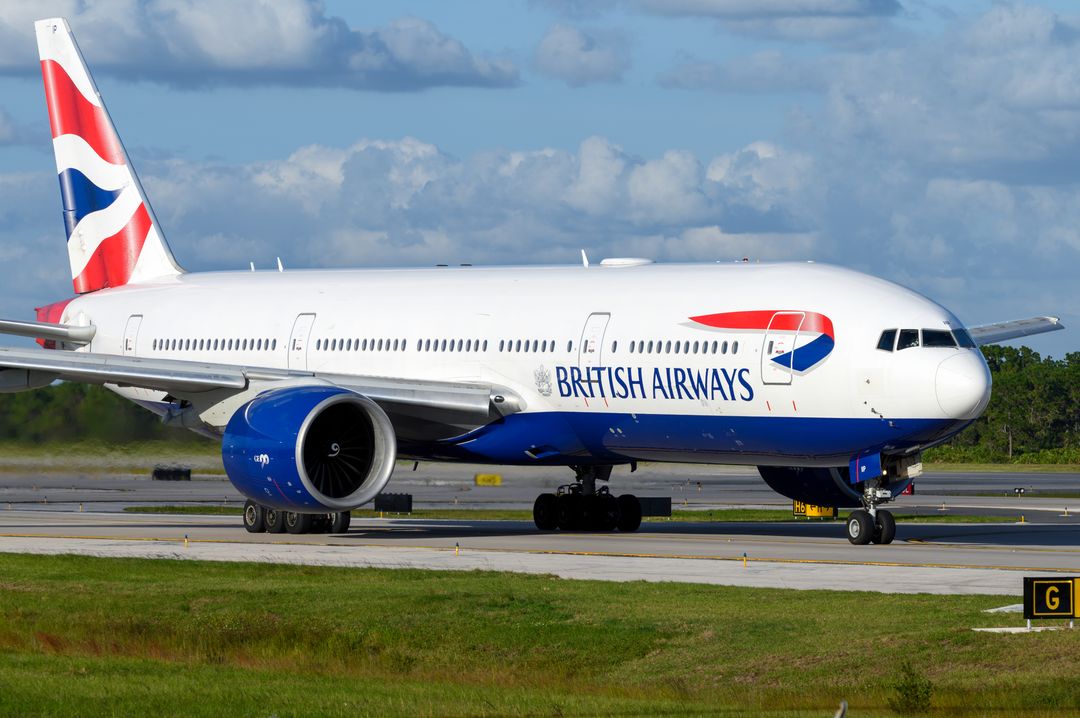
British Airways faces accusations of discrimination after the airline refused to let a teenage boy with Tourette syndrome board a flight when he shouted the word "bomb" at the gate.
The family of the 13-year-old boy, named Mason, said the incident happened as they prepared to board a flight from London. According to the family, Mason's outburst was an involuntary vocal tic caused by his neurological condition, not a threat.

Tourette syndrome causes sudden, repetitive movements or sounds known as tics. In some cases, people with the condition experience coprolalia, an involuntary urge to say socially inappropriate or taboo words. The charity Tourettes Action estimates that coprolalia affects roughly 10 percent of people with the condition.
What the Family Says Happened
Mason's parents told reporters that staff at the gate stopped the family from boarding after hearing the word. They said they tried to explain that their son has Tourette syndrome and that the outburst was a tic, but airline staff would not allow the family to continue with their journey.
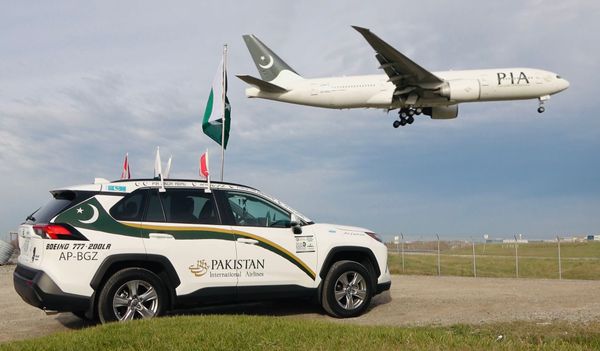
A 777 on Four Wheels? Inside One Superfan’s Mission to Celebrate His Favorite Airline
The family said they were left to arrange alternative travel at their own cost. They have since accused British Airways of failing to accommodate their son's disability and treating him unfairly because of his condition.
British Airways said its staff must take any mention of words such as "bomb" seriously, regardless of the context in which they are spoken. The airline said safety rules require crews to assess any potential security concern raised at the gate or onboard.

In a statement reported by the BBC, the airline apologized for the distress caused to the family and said it would review the case. The carrier did not confirm whether it would change any of its procedures following the incident.
Disability Advocates Weigh In
Disability rights groups have criticized the airline's handling of the situation. Advocates argue that staff training should include awareness of conditions such as Tourette syndrome, particularly when passengers or their families disclose a diagnosis.
Tourettes Action, a UK charity that supports people with the condition, said the case highlights wider problems with how people with the syndrome are treated in public settings. The group has long campaigned for better understanding of involuntary tics and the unpredictable language that can accompany them.
Under the UK Equality Act 2010, service providers, including airlines, have a duty to make reasonable adjustments for passengers with disabilities. Tourette syndrome is recognized as a disability under the act when it has a substantial and long-term effect on a person's ability to carry out normal daily activities.

Aviation Security Rules
Airlines around the world apply strict rules about language that could indicate a security threat. Words including "bomb," "hijack," or references to weapons can lead to passengers being removed from a flight, questioned by security, or refused travel entirely.
Industry guidance generally instructs crew members to err on the side of caution when such words are used. Carriers can also face penalties from regulators if they fail to act on potential threats, regardless of the speaker's intent.
Aviation analysts say cases involving passengers with medical or neurological conditions create a difficult balance between safety obligations and the duty to accommodate disabilities. Some have called for clearer industry-wide guidance on how to handle such situations.
Possible Next Steps
The family has said they are considering legal action against British Airways. A claim under the Equality Act could test how airlines are required to balance security concerns against their duty not to discriminate against disabled passengers.
If the case proceeds, it could prompt the UK Civil Aviation Authority and individual airlines to review their training and procedures for staff who interact with passengers at the gate and onboard.
For now, the family said they want British Airways to acknowledge that their son was treated unfairly and to put measures in place to prevent similar incidents. The airline has not said whether it plans to offer compensation.
4th vs 5th Generation Fighter Jets: How Fighter Jets Have Evolved » Aviation Fuel Prices Hit Six-Month High in September » Frontier Airlines Flight Attendant Restrains Passenger Who Lunged for Cabin Door During Atlanta Jet Bridge Delay »

Comments (0)
Add Your Comment
TAGS
NEWS Travel Medical Tourette's Denied Boarding ControversyRECENTLY PUBLISHED
 This Week in Aviation: The 10 Stories That Mattered Most
From major airline developments to aircraft updates and industry shifts, this weekly recap highlights the ten most-read aviation stories from the week of October 04.
INFORMATIONAL
READ MORE »
This Week in Aviation: The 10 Stories That Mattered Most
From major airline developments to aircraft updates and industry shifts, this weekly recap highlights the ten most-read aviation stories from the week of October 04.
INFORMATIONAL
READ MORE »
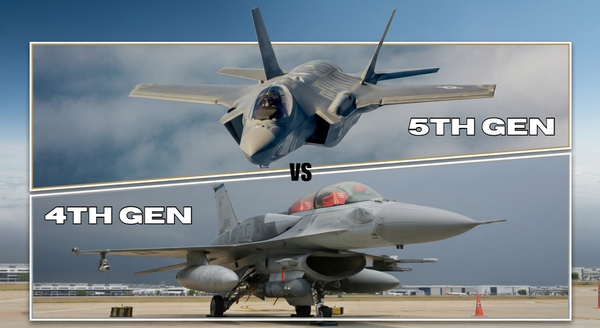 4th vs 5th Generation Fighter Jets: How Fighter Jets Have Evolved
A look at what separates fourth- and fifth-generation fighter jets, from stealth and sensor fusion to combat capability and cost.
INFORMATIONAL
READ MORE »
4th vs 5th Generation Fighter Jets: How Fighter Jets Have Evolved
A look at what separates fourth- and fifth-generation fighter jets, from stealth and sensor fusion to combat capability and cost.
INFORMATIONAL
READ MORE »
 United 777 Diverts to Dublin After Cockpit Windscreen Cracks Over the Atlantic
A United Airlines Boeing 777 bound for Milan made a steep descent and diverted to Dublin after its cockpit windscreen cracked mid-flight.
NEWS
READ MORE »
United 777 Diverts to Dublin After Cockpit Windscreen Cracks Over the Atlantic
A United Airlines Boeing 777 bound for Milan made a steep descent and diverted to Dublin after its cockpit windscreen cracked mid-flight.
NEWS
READ MORE »
More than just headlines.
Get unlimited ad-free access to in-depth aviation news, premium stories, and exclusive insights other sites don't cover.
- Ad-free browsing on AeroXplorer
- Unlimited access to premium and exclusive articles
- Higher photo upload limits & commissions on sales
- Free access to Jetstream Magazine on higher tiers
- Ad-free browsing
- Sell aviation photos with 60% commission
- First week free!
- Everything in Basic+
- Unlimited premium articles
- Sell aviation photos with 70% commission
- Free Digital subscription to Jetstream Magazine
- First week free!
- Everything in Basic+ and Pro
- Sell aviaiton photos with 80% commission
- Early access to exclusive stories
- Free Digital+Print subscription to Jetstream Magazine