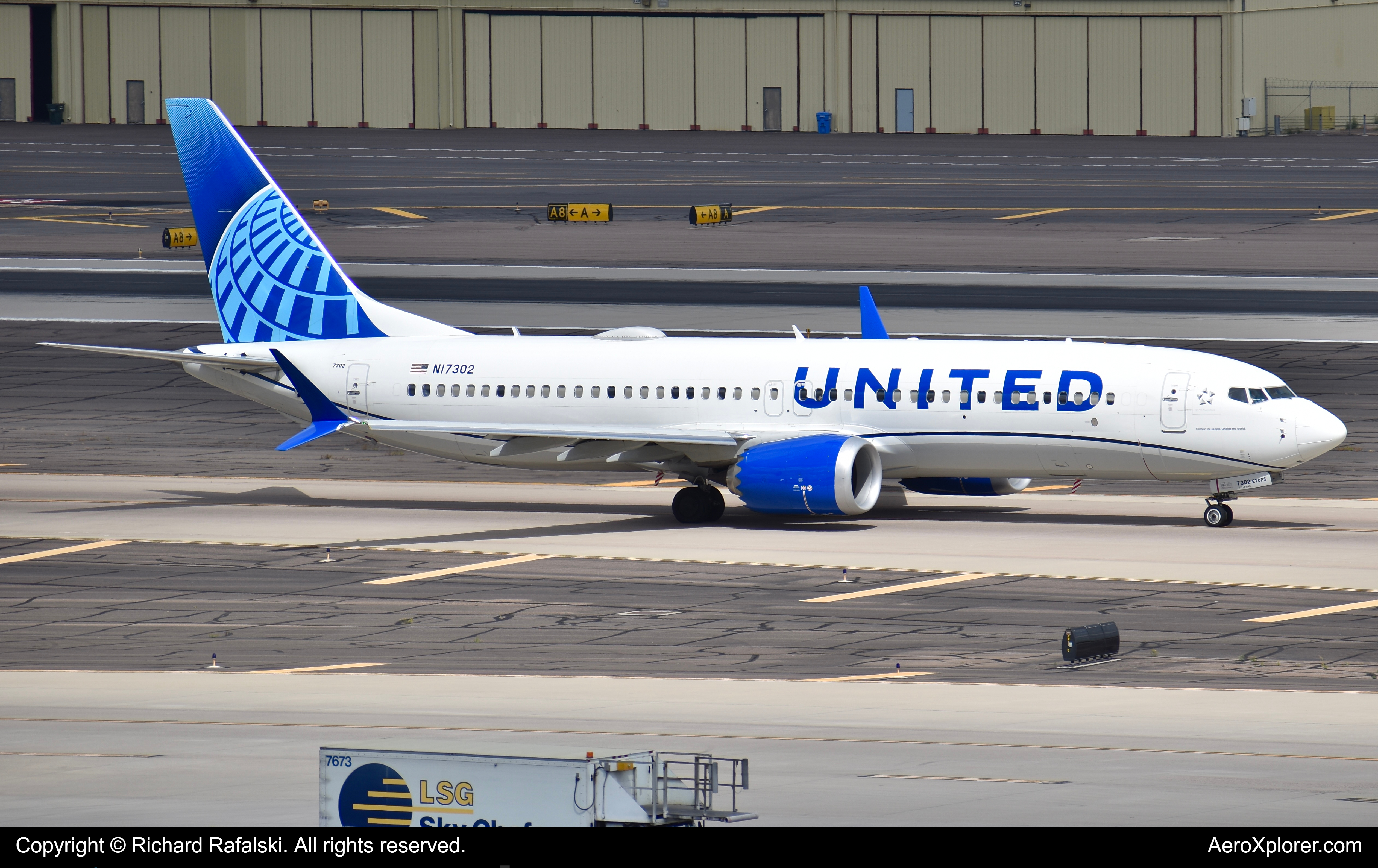

The Federal Aviation Administration has signaled that certification of the Boeing 737 MAX 7 and MAX 10 is imminent, with the agency's top officials describing both aircraft as closer to final regulatory approval than at any previous point in their prolonged development histories. The comments, made on the opening day of the Farnborough International Airshow, represent the clearest indication yet that Boeing is approaching the finish line on two of its most commercially significant outstanding programs.

What the FAA Said at Farnborough
Speaking to Reuters on July 20, FAA Deputy Administrator Chris Rocheleau offered encouraging words about all three Boeing aircraft programs still awaiting certification – the 737 MAX 7, the 737 MAX 10, and the widebody 777X. His remarks on the narrowbody variants were particularly direct:
Closer than ever before. I think the -7 is literally around the corner, and -10 right behind it. Whether it's this year or earlier next year... we're kind of letting Boeing drive that when they bring us the right information and we work through it together.
FAA Administrator Bryan Bedford added that the agency had increased resources allocated to Boeing's certification programs by 35% to 40%, following coordination with the manufacturer to streamline priorities. Bedford indicated the MAX 7 is likely to be the first of the three to receive final sign-off, with the MAX 10 and 777X to follow in sequence.
What Has Been Holding the MAX 7 and MAX 10 Back
The primary obstacle to 737 MAX 7 certification has been a redesigned engine anti-ice system. Boeing has been working on an engineering fix for the component, which affects all 737 MAX variants. The MAX 8 and MAX 9, which are already in commercial service, are currently operating under waivers while a retrofit is developed.
The MAX 7 cannot enter production without the fix fully resolved and approved. Boeing has already built 30 complete MAX 7 aircraft that are sitting in storage awaiting delivery – representing hundreds of millions of dollars in completed jets held up by a single outstanding regulatory item.
The MAX 10, the largest and longest member of the 737 family, faces the same anti-ice requirement plus an additional hurdle – an enhanced angle of attack system that the FAA has mandated before it will grant type certification. Both requirements must be satisfied before the MAX 10 can enter service.
Boeing Regains Ground With the FAA
The Farnborough comments arrive alongside a significant milestone in Boeing's regulatory relationship with the FAA. The agency has recently authorized Boeing to resume issuing its own individual airworthiness certificates for 737 MAX and 787 Dreamliner airframes – authority the manufacturer lost in the aftermath of the 737 MAX accidents and the subsequent 20-month global fleet grounding.
Restoring that authority is a meaningful indicator of the FAA's renewed confidence in Boeing's quality and safety systems. Bedford previously noted that much of the delay in the certification timeline stemmed from Boeing's own frequently shifting engineering priorities. Since the manufacturer stabilized its technical focus, he said, the FAA has been able to support the programs more effectively, a dynamic that explains the agency's decision to increase its certification resources.

Analysis: How Spirit Airlines Changed Airline Pricing, then Paid the Price
What Certification Would Mean for the Industry
The commercial stakes attached to these certifications are enormous. Combined, the three programs facing final sign-off represent a backlog of over 1,600 delayed aircraft orders worth billions of dollars – essentially the most expensive certification bottleneck in commercial aviation history.
For Boeing specifically, MAX 7 and MAX 10 certification would unlock a production ramp that has been on hold. The company was recently approved by the FAA to increase narrowbody production from 42 to 47 aircraft per month and has plans to push that figure to 53 per month once the MAX 7 and MAX 10 are certified and building alongside the MAX 8 and MAX 9,
For the wider industry, the message from Farnborough is one of cautious but genuine optimism. After years of delays, shifting timelines, and regulatory uncertainty, the FAA is now publicly describing Boeing's two outstanding narrowbody variants as being within reach, and the pace of progress appears, for the first time in years, to be accelerating rather than slipping.
Archer's Midnight eVTOL Completes Piloted Flights Across San Francisco Bay Area » Qantas Grounds Plane After Passengers Report Bedbug Bites on Flight » GPS Jamming Is Now a Daily Airline Problem. Here Is How Bad It Has Gotten »

Comments (0)
Add Your Comment
TAGS
NEWS Boeing 737 Boeing 737 MAX 7 Boeing 737 MAX 10RECENTLY PUBLISHED
 Phillips 66 Aviation Donates $23,928 to CAN in Support of Cancer Patient Flights
Phillips 66 Aviation presented a $23,928 check to Corporate Angel Network at NBAA-BACE 2026, supporting free flights for cancer patients on corporate aircraft.
NEWS
READ MORE »
Phillips 66 Aviation Donates $23,928 to CAN in Support of Cancer Patient Flights
Phillips 66 Aviation presented a $23,928 check to Corporate Angel Network at NBAA-BACE 2026, supporting free flights for cancer patients on corporate aircraft.
NEWS
READ MORE »
 Aegis Air Bets on By-the-Seat Private Jet Flights From Miami to Caracas
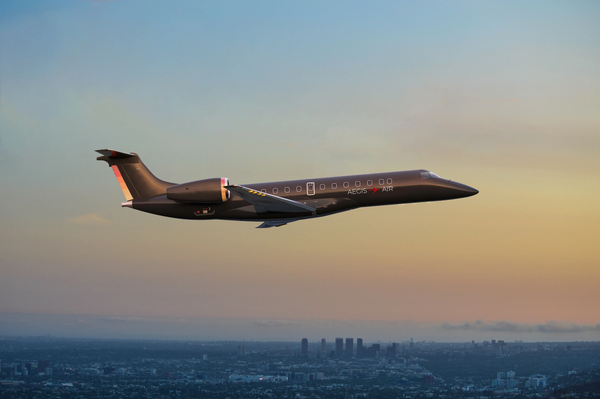
A new US start-up is testing whether Caracas can support its own private jet shuttle. Aegis Air, a virtual carrier founded this year, is due to start by-the-seat flights between Miami and the Venezuelan capital today, 20 October, aboard a 16-seat Embraer E135.
NEWS
READ MORE »
Aegis Air Bets on By-the-Seat Private Jet Flights From Miami to Caracas
A new US start-up is testing whether Caracas can support its own private jet shuttle. Aegis Air, a virtual carrier founded this year, is due to start by-the-seat flights between Miami and the Venezuelan capital today, 20 October, aboard a 16-seat Embraer E135.
NEWS
READ MORE »
 Ambulances Meet Eurowings Jet From Rhodes After Passengers Feel Unwell in Flight
A Eurowings Airbus landed in Düsseldorf on Sunday evening, October 18, to a large emergency response, after several people on board suddenly became unwell on the way from Rhodes.
NEWS
READ MORE »
Ambulances Meet Eurowings Jet From Rhodes After Passengers Feel Unwell in Flight
A Eurowings Airbus landed in Düsseldorf on Sunday evening, October 18, to a large emergency response, after several people on board suddenly became unwell on the way from Rhodes.
NEWS
READ MORE »
More than just headlines.
Get unlimited ad-free access to in-depth aviation news, premium stories, and exclusive insights other sites don't cover.
- Ad-free browsing on AeroXplorer
- Unlimited access to premium and exclusive articles
- Higher photo upload limits & commissions on sales
- Free access to Jetstream Magazine on higher tiers
- Ad-free browsing
- Sell aviation photos with 60% commission
- First week free!
- Everything in Basic+
- Unlimited premium articles
- Sell aviation photos with 70% commission
- Free Digital subscription to Jetstream Magazine
- First week free!
- Everything in Basic+ and Pro
- Sell aviaiton photos with 80% commission
- Early access to exclusive stories
- Free Digital+Print subscription to Jetstream Magazine