Nonstop flights lasting 18, 19, even 22 hours generate headlines every time an airline announces one. What they don't automatically generate is profit. Ultra-long-haul routes carry some of the highest operating costs in commercial aviation, and history includes at least one airline that learned that lesson the expensive way. The real question isn't whether these routes make good marketing. It's whether the economics actually work once the novelty wears off.
The Cautionary Tale Airlines Still Study
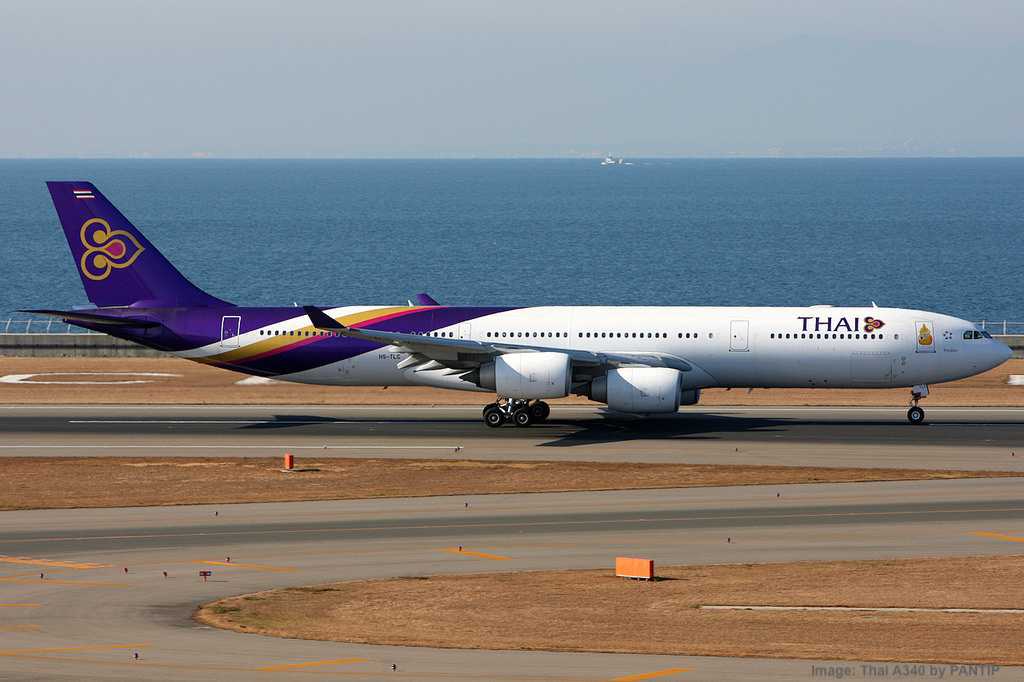
Before looking at what's working now, it's worth remembering what didn't. Thai Airways operated nonstop flights from Bangkok to New York using fuel-thirsty A340s, but was forced to cut the route in 2008 because Bangkok is predominantly a leisure destination, and the airline simply couldn't charge fares high enough to cover the route's high operating costs. That failure sits behind nearly every ultra-long-haul decision airlines make today, and it explains why the routes succeeding now look nothing like a leisure-heavy Bangkok service.
Why Premium Cabins Make or Break Ultra-Long-Haul Profitability
Every ultra-long-haul success story shares the same underlying formula: sell fewer seats, but sell them at a much higher price to travelers who genuinely need the nonstop option. High-yield premium passengers can make up 30–40% of a route's total profitability, which is why the aircraft flying these routes look completely different from a standard long-haul jet.
Singapore Airlines is the clearest proof of concept in the industry right now. Its A350-900ULR aircraft flying the Singapore-to-New York route carry only 161 seats total, configured exclusively in business class and premium economy, partly to reduce aircraft weight but primarily to capitalize on high premium demand between the two cities, since economy demand on that specific route is relatively low. There's no economy cabin at all, because the leisure and visiting-friends-and-relatives travelers who'd normally fill one aren't the market this specific route depends on.
Qantas Is Betting Billions That the Math Still Works at Even Greater Distances
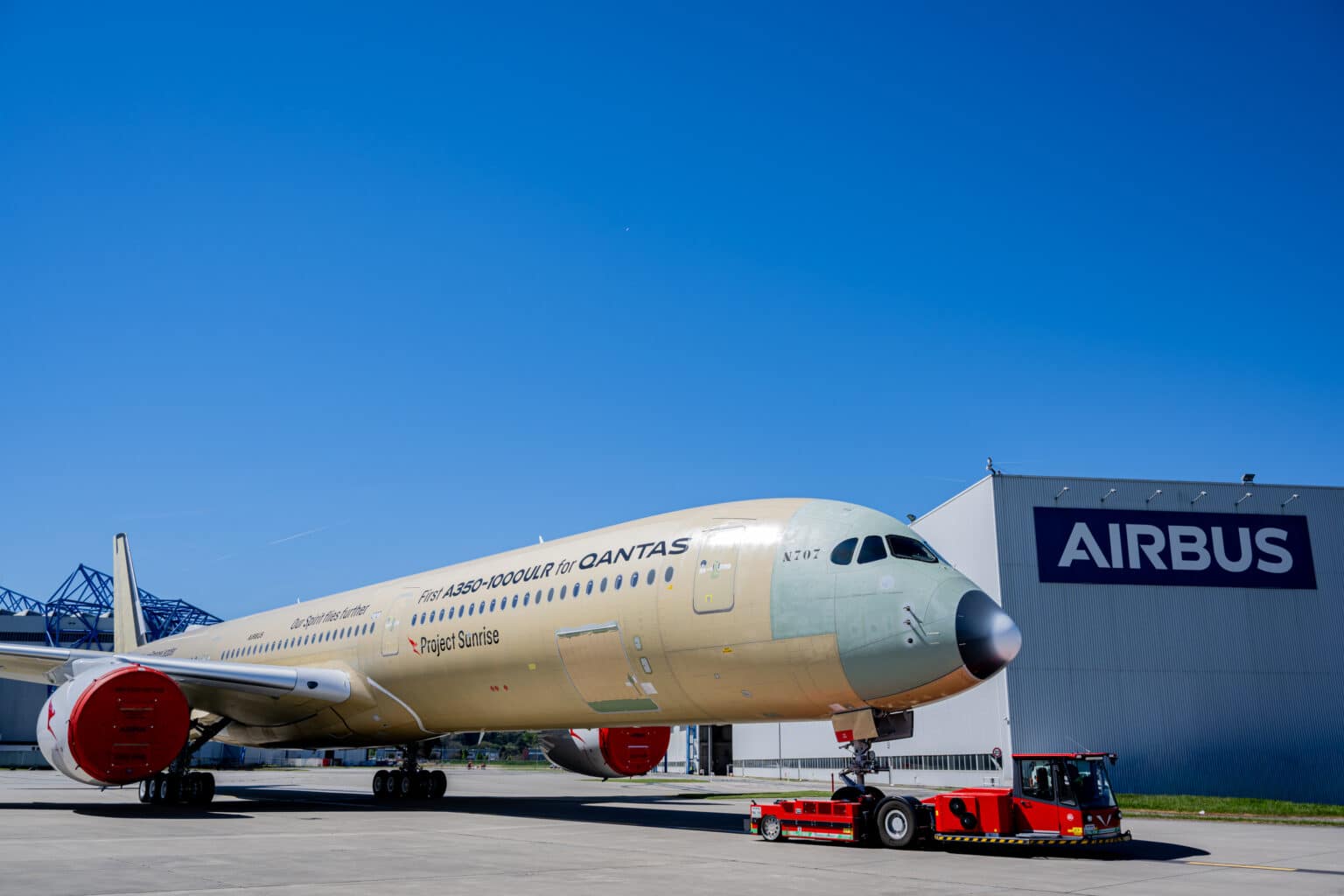
Qantas is about to test whether this formula scales to an even more extreme distance. Project Sunrise will connect Sydney to London nonstop, a 9,188-nautical-mile route that will be the longest in the world, roughly two hours longer than the current Singapore-to-New York record holder, with flight times exceeding 20 hours. Commercial flights are scheduled to begin in 2027 for the London route, with Sydney-New York following in 2028.
The company's own profit projections are specific and public. Qantas expects Project Sunrise to add over AUD 400 million in profit before tax in its first full year of operation, a figure the airline has stood behind even as fuel costs tied to Middle East conflict have added an extra AUD 610 million a year to Qantas's overall fuel bill, with jet fuel prices nearly doubling. That the airline hasn't walked back its Project Sunrise profit forecast despite that cost pressure is a genuine signal of confidence, not just PR optimism, since fuel is the single largest variable cost on any ultra-long-haul route.
Qantas is also charging accordingly. The airline plans to charge roughly 30% more per seat on these routes than its standard long-haul fares, directly funding the higher operating costs that come with flying nonstop for 20 hours.
Not Every Airline Is Betting the Same Way
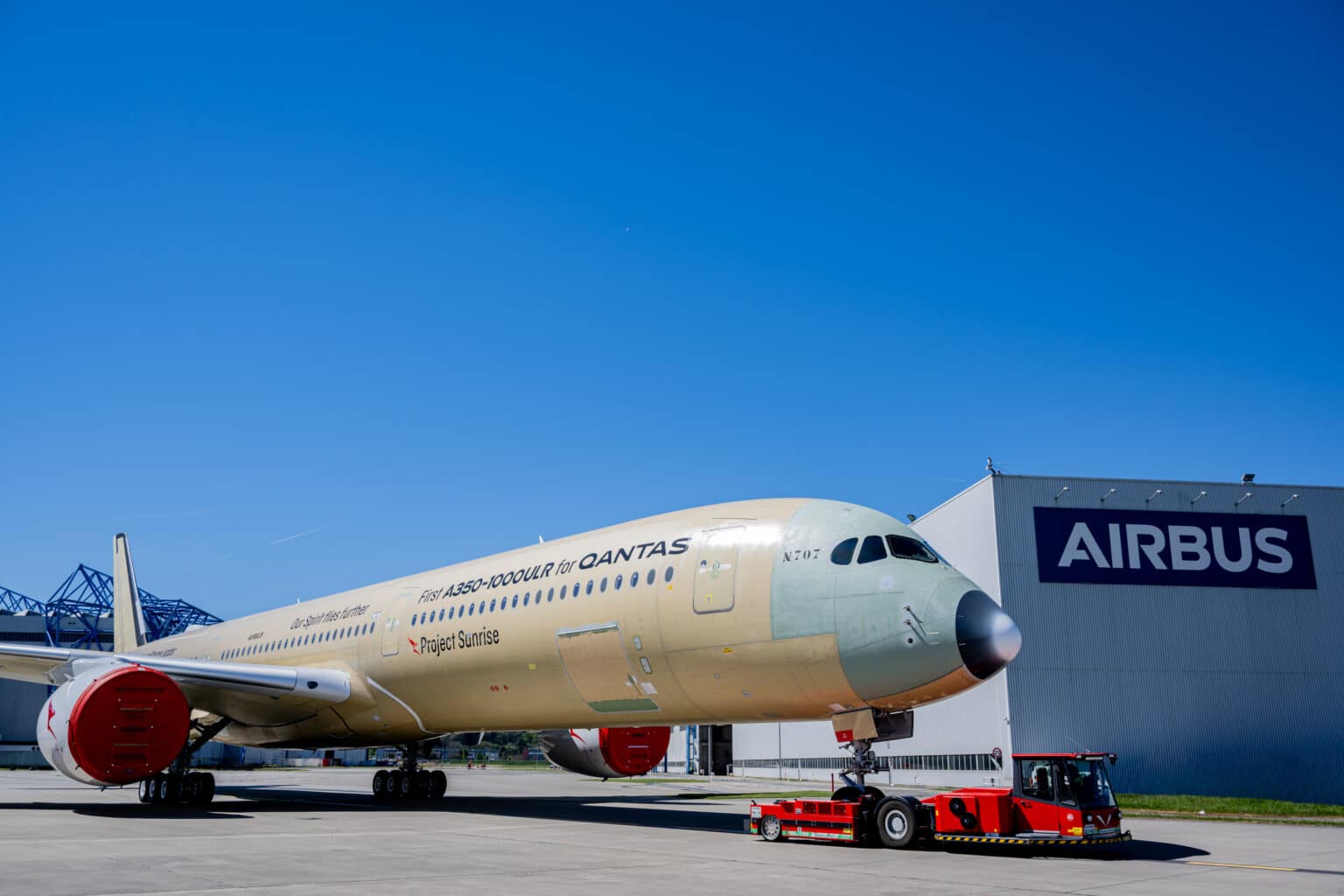
Interestingly, Qantas isn't copying Singapore Airlines' all-premium playbook exactly. Qantas is instead running a four-class layout on its A350-1000ULR aircraft, with six first-class suites, 52 business seats, 40 premium economy seats, and 140 economy seats, betting it can combine luxury with broader accessibility while still keeping the route profitable. That's a materially different bet than Singapore's all-premium approach, and it means Qantas is carrying more economy-fare risk than its main ultra-long-haul rival.
The Shape of Disaster: The Plane That Kept Falling Apart Mid-Air
The Strategic Value Beyond the Route's Own P&L
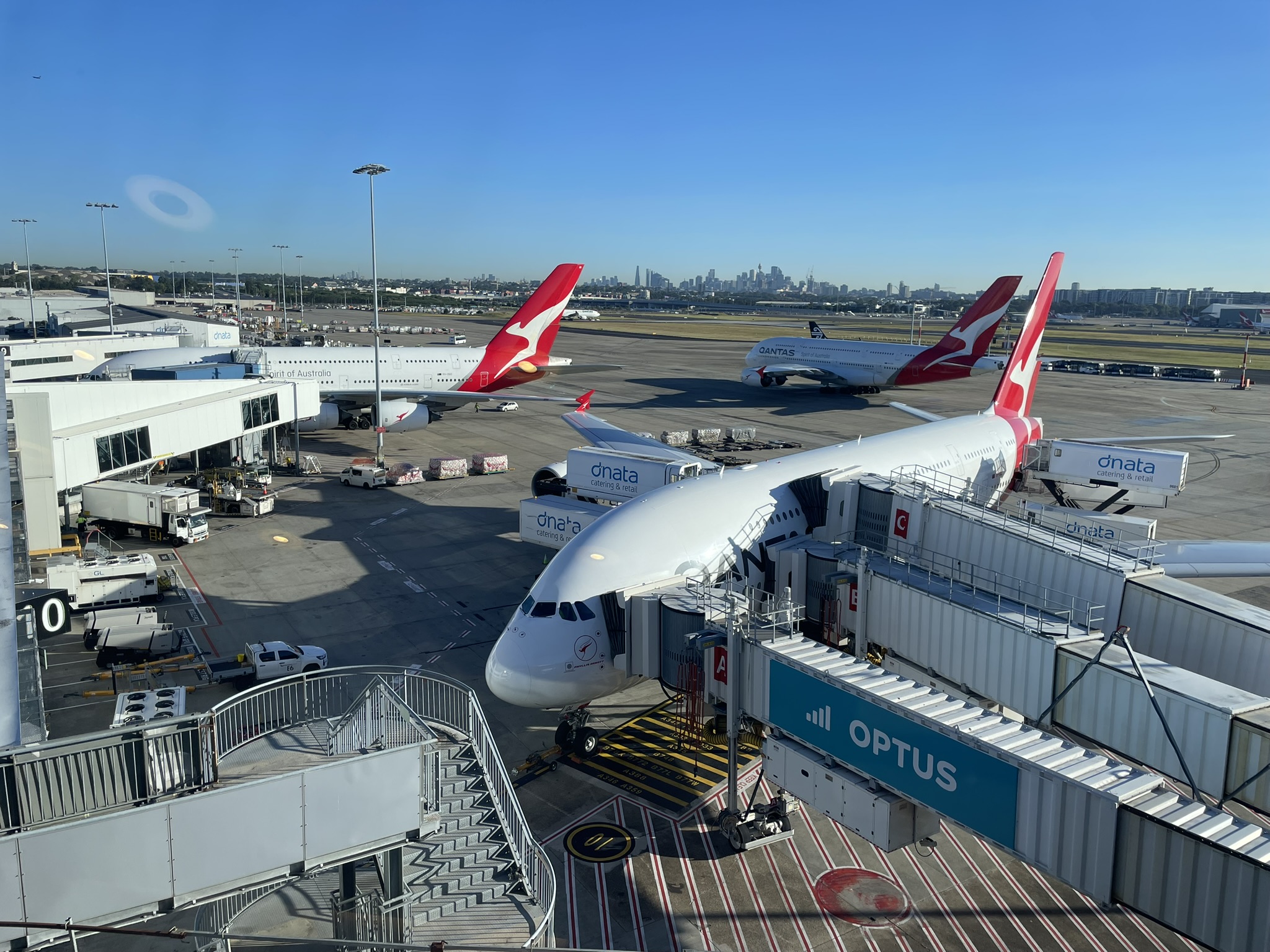
Ultra-long-haul routes rarely get judged on standalone profitability alone, and that's a genuine part of the economics, not just spin. For a hub airline, launching a well-executed new ultra-long-haul service can significantly boost connecting traffic on other routes throughout the network, leveraging Qantas's broader system alongside subsidiaries like QantasLink and Jetstar. A single headline route effectively becomes marketing and network infrastructure at once, funneling premium travelers into a carrier's wider system even on days they're not flying the ultra-long-haul sector itself.
So, Profitable or Just PR?
The honest answer is that it depends entirely on execution, and the industry's own history proves both outcomes are possible on paper-similar routes. Thai Airways' Bangkok-New York service failed because it tried to run an ultra-long-haul route on a leisure-heavy market without the premium demand to support the costs. Singapore Airlines succeeded by doing the opposite: stripping the aircraft down to nothing but premium seats and targeting a market that actually pays for time savings. Qantas is now running the biggest live test of this thesis yet, betting nearly half a billion dollars in projected profit that its four-class hybrid approach can thread a needle Singapore never had to. The ultra-long-haul routes generating headlines and the ultra-long-haul routes generating profit turn out to be the same routes, but only when an airline gets the premium math right before the marketing department gets involved.
British Airways Restarts Starlink Installation on Airbus A350 Fleet With Free High-Speed Wi-Fi for Passengers » Alaska Airlines Sets Sights on Final Major U.S. Carrier Takeover While Building Global Seattle Hub » Alaska Airlines Unveils Aurora Premium Cabins With Lie-Flat Suites and New Lounges »

Comments (0)
Add Your Comment
TAGS
INFORMATIONAL Ultra-Long-Haul Flights Qantas Project Sunrise Singapore Airlines Airline Profitability Premium Cabin Strategy Aviation Economics Long-Haul RoutesRECENTLY PUBLISHED
 IATA's New Passenger Data Shows Global Air Travel Demand Shrinking for the First Time This Year
Global air travel just hit a reverse that has not been seen in months -- the numbers point to something more interesting than a simple slowdown.
INFORMATIONAL
READ MORE »
IATA's New Passenger Data Shows Global Air Travel Demand Shrinking for the First Time This Year
Global air travel just hit a reverse that has not been seen in months -- the numbers point to something more interesting than a simple slowdown.
INFORMATIONAL
READ MORE »
 The $30 Billion Question: Why America's Air Traffic Control Overhaul Keeps Getting More Expensive
The U.S. government is seeking $30 billion more to modernize America’s aging air traffic control system. Explore the rising $42.5 billion price tag, GAO oversight concerns, and where the new funding would go.
INFORMATIONAL
READ MORE »
The $30 Billion Question: Why America's Air Traffic Control Overhaul Keeps Getting More Expensive
The U.S. government is seeking $30 billion more to modernize America’s aging air traffic control system. Explore the rising $42.5 billion price tag, GAO oversight concerns, and where the new funding would go.
INFORMATIONAL
READ MORE »
 Embraer Posts Record 66 Aircraft Deliveries in Q3 2026 as Commercial Jets Climb 10%
Embraer delivered 66 aircraft in Q3 2026, its strongest third quarter on record, with commercial jets up 10% and business jets rising 41%.
NEWS
READ MORE »
Embraer Posts Record 66 Aircraft Deliveries in Q3 2026 as Commercial Jets Climb 10%
Embraer delivered 66 aircraft in Q3 2026, its strongest third quarter on record, with commercial jets up 10% and business jets rising 41%.
NEWS
READ MORE »
More than just headlines.
Get unlimited ad-free access to in-depth aviation news, premium stories, and exclusive insights other sites don't cover.
- Ad-free browsing on AeroXplorer
- Unlimited access to premium and exclusive articles
- Higher photo upload limits & commissions on sales
- Free access to Jetstream Magazine on higher tiers
- Ad-free browsing
- Sell aviation photos with 60% commission
- First week free!
- Everything in Basic+
- Unlimited premium articles
- Sell aviation photos with 70% commission
- Free Digital subscription to Jetstream Magazine
- First week free!
- Everything in Basic+ and Pro
- Sell aviaiton photos with 80% commission
- Early access to exclusive stories
- Free Digital+Print subscription to Jetstream Magazine