
The Port Authority of New York and New Jersey has installed GPS tracking devices on rescue trucks at LaGuardia and John F. Kennedy International Airports, a direct response to a fatal collision earlier this year that raised serious questions about how emergency vehicles operate on active airfields.
The decision follows months of scrutiny after an airport rescue truck struck and killed a worker at LaGuardia, an incident that exposed gaps in how the agency monitors the movement of its emergency fleet across two of the busiest airports in the country.
What the New System Does
The tracking technology allows dispatchers and supervisors to monitor the real-time location of every rescue vehicle operating on airport grounds. Before the installation, the Port Authority relied largely on radio communication and manual reporting to know where its emergency trucks were at any given moment. That gap, investigators concluded, contributed to conditions that made the fatal crash possible.
Under the new configuration, each rescue truck transmits its position continuously. Command centers can now see the fleet on a single digital map, cross-reference vehicle movement with active runway operations, and coordinate responses with greater precision. The system also creates a data record that can be reviewed after any incident, giving investigators concrete information about speed, location, and route history.
The Crash That Prompted the Change
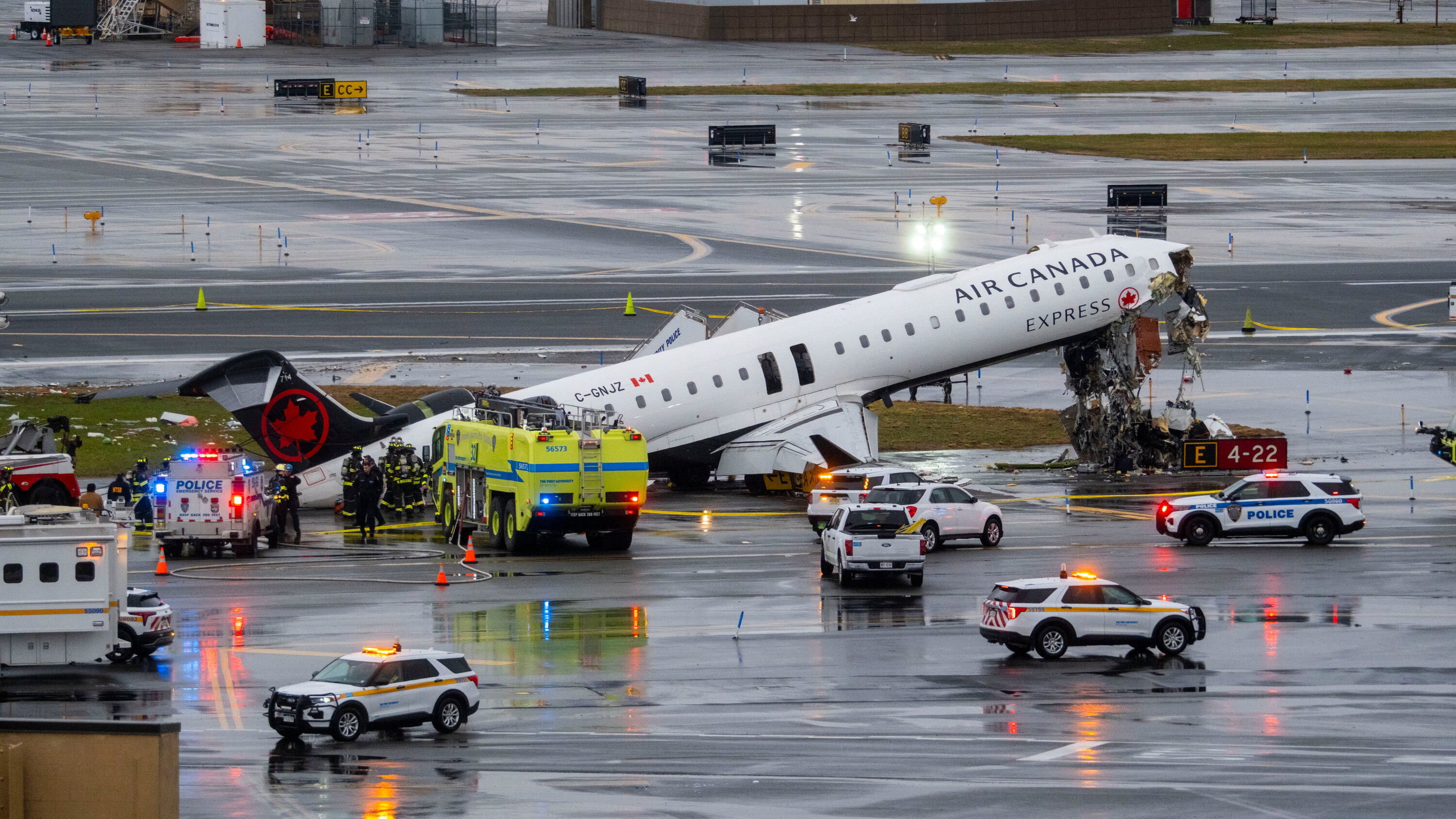
The push for tracking technology began after a rescue truck at LaGuardia struck and killed an airport worker and two pilots from Air Canada Express on March 22, 2026. The incident occurred in an area of the airfield where multiple vehicles and personnel operate in close proximity, often under time pressure and in conditions that limit visibility.
Federal aviation authorities and the Port Authority both opened reviews. Investigators found that supervisors had limited ability to track the location of the rescue truck involved, a shortcoming that made it harder to reconstruct the events leading up to the collision and, more importantly, made prevention more difficult in the first place.
The March incident at LaGuardia involving an Air Canada aircraft and a Delta regional jet also contributed to broader concerns about ground operations at the airport, though that event involved a different set of circumstances. Together, the incidents intensified pressure on the Port Authority to modernize its ground-safety systems.
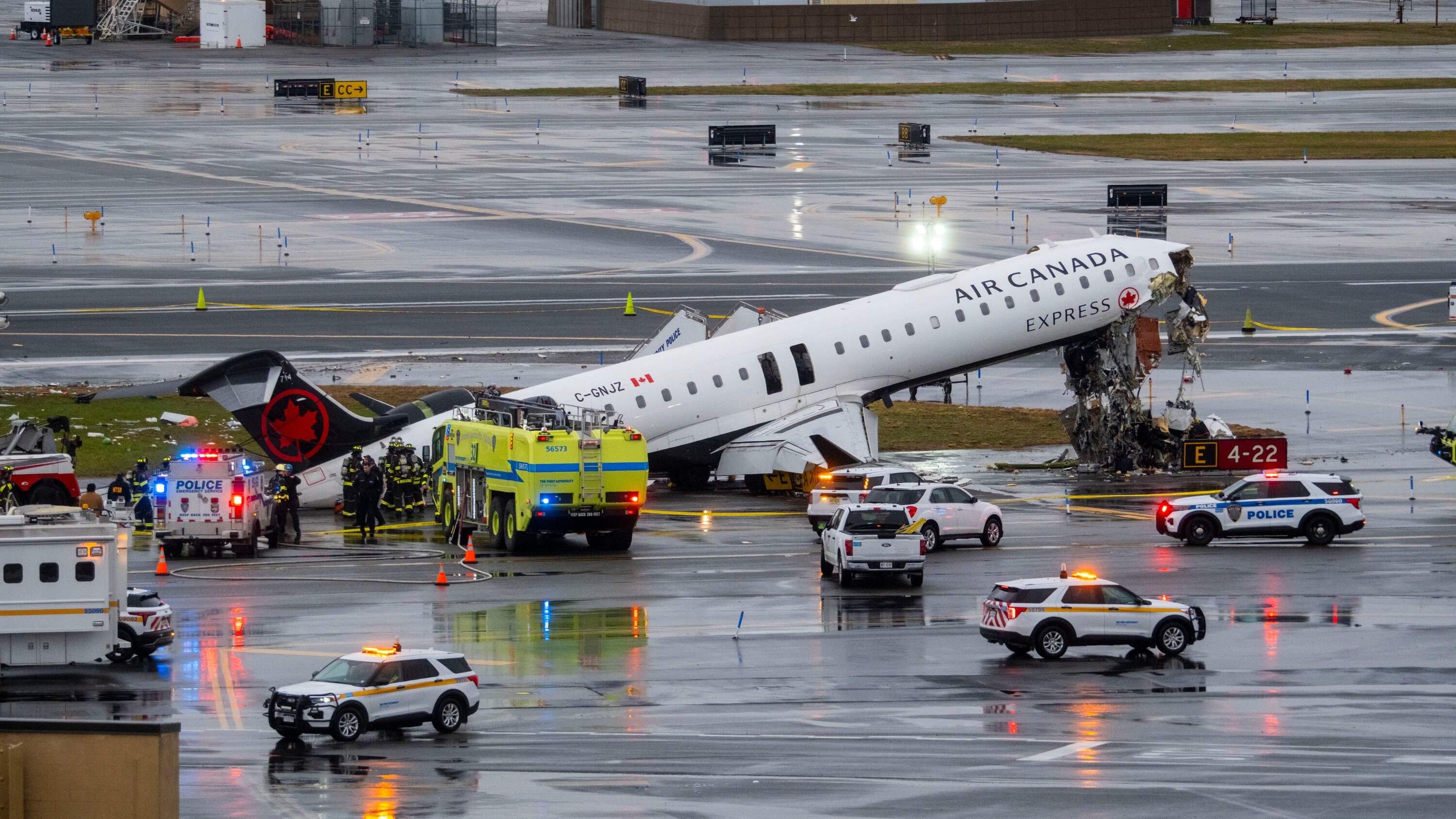
Photo: The New York Times
Why Ground Operations at LaGuardia and JFK Are So Complex
LaGuardia occupies a compact footprint on the edge of Flushing Bay, with taxiways, runways, and service roads packed into a limited area. JFK, while larger, handles a heavier mix of international wide body traffic and complex ground vehicle movements that support cargo, catering, fueling, and emergency response.
Airport rescue and firefighting crews, known in the industry as ARFF, operate under strict federal timing requirements. Under Federal Aviation Administration standards, ARFF vehicles must be able to reach the midpoint of the farthest runway within a set number of minutes from the alarm. That mandate, combined with the density of operations at both airports, means rescue trucks frequently move at high speeds across active surfaces.
The tracking system gives supervisors a tool to balance those response requirements against the safety of workers and other vehicles sharing the airfield.

Only Way Out: Private Aviation in a Region at War
Broader Safety Reforms
The GPS installation is part of a wider effort by the Port Authority to address ground safety concerns. The agency has also reviewed training protocols for rescue truck operators, examined communication procedures between fire crews and air traffic control, and evaluated the physical layout of service roads near active runways.
Officials have indicated that the tracking data will inform future decisions about vehicle routing, speed limits on service roads, and staffing during peak operational periods. The information could also feed into simulator training, giving new operators a clearer picture of how their movements interact with the broader flow of airfield traffic.
What Enthusiasts Should Watch Next
For those who follow airport operations closely, the installation of GPS trackers signals a shift in how large hub airports approach ground safety. The technology itself is not new. Commercial fleets have used similar systems for years. What is notable is the application to emergency vehicles at major commercial airports, where response time requirements have historically taken priority over movement monitoring.
Industry observers expect other major airports to follow. Boston Logan, Newark Liberty, and several West Coast hubs have all faced their own ground incident concerns in recent years. The Port Authority, which operates Newark in addition to LaGuardia and JFK, has not yet confirmed whether the tracking system will expand to its New Jersey facility, though the logic of extending it across the entire network is difficult to dismiss.
The National Transportation Safety Board and the FAA continue to review ground vehicle incidents at commercial airports nationwide. Any findings from those reviews could accelerate the adoption of tracking systems at other facilities.
The Human Cost
The reforms come too late for the worker and pilots killed at LaGuardia. That reality has framed much of the internal discussion at the Port Authority, according to officials familiar with the process. The tracking system will not eliminate risk on an active airfield, but it gives supervisors information they did not have before, and it creates a record that can be studied when things go wrong.
For an industry that measures safety in incremental gains, that shift matters. The question now is how quickly other airports will make the same investment.
How the AI Chip Boom Is Squeezing Transpacific Air Cargo » FAA Orders Engine Repairs on Airbus A380 Fleet After Uncontained Failure » Power Bank Fire in Overhead Bin Forces IndiGo A321neo to Divert »

Comments (0)
Add Your Comment
TAGS
NEWS LaGuardia Airport Port Authority FAA NTSB Runway Safety Air Canada Express ASDE-X Airport Vehicle TrackersRECENTLY PUBLISHED
 FAA Nears Final Approval of Boeing 737 MAX 10 as Certification Review Concludes
The FAA has completed its final review of the Boeing 737 MAX 10, with certification expected as soon as next week after years of delays.
NEWS
READ MORE »
FAA Nears Final Approval of Boeing 737 MAX 10 as Certification Review Concludes
The FAA has completed its final review of the Boeing 737 MAX 10, with certification expected as soon as next week after years of delays.
NEWS
READ MORE »
 United and Air Canada Push to Expand Joint Venture Amid Cross-Border Travel Strains
United Airlines and Air Canada plan to add routes to their joint venture as political tensions dampen travel demand between the two countries.
NEWS
READ MORE »
United and Air Canada Push to Expand Joint Venture Amid Cross-Border Travel Strains
United Airlines and Air Canada plan to add routes to their joint venture as political tensions dampen travel demand between the two countries.
NEWS
READ MORE »
 Why the A-10 Warthog's Nose Gear Is Offset to the Right
Why the A-10 Warthog’s nose wheel sits off-center, and how its massive GAU-8 Avenger cannon dictated the aircraft’s design.
INFORMATIONAL
READ MORE »
Why the A-10 Warthog's Nose Gear Is Offset to the Right
Why the A-10 Warthog’s nose wheel sits off-center, and how its massive GAU-8 Avenger cannon dictated the aircraft’s design.
INFORMATIONAL
READ MORE »
More than just headlines.
Get unlimited ad-free access to in-depth aviation news, premium stories, and exclusive insights other sites don't cover.
- Ad-free browsing on AeroXplorer
- Unlimited access to premium and exclusive articles
- Higher photo upload limits & commissions on sales
- Free access to Jetstream Magazine on higher tiers
- Ad-free browsing
- Sell aviation photos with 60% commission
- First week free!
- Everything in Basic+
- Unlimited premium articles
- Sell aviation photos with 70% commission
- Free Digital subscription to Jetstream Magazine
- First week free!
- Everything in Basic+ and Pro
- Sell aviaiton photos with 80% commission
- Early access to exclusive stories
- Free Digital+Print subscription to Jetstream Magazine