

Air travel runs on a quiet agreement. You sit down, buckle up, and trust that the people around you will do the same. Most of the time, that agreement holds. Sometimes, it does not.
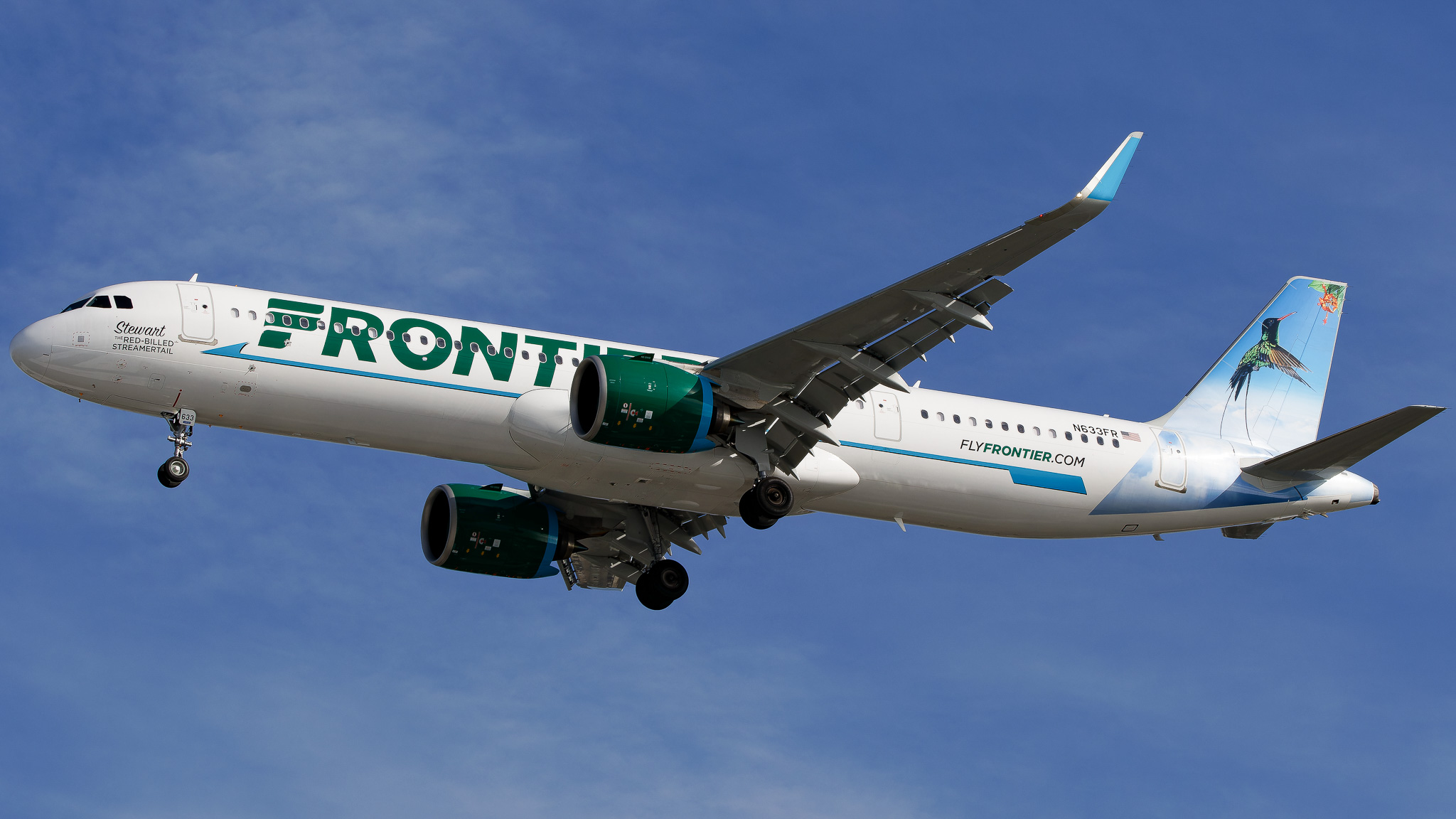
On a recent Frontier Airlines flight bound for Chicago, that trust broke at cruising altitude. A passenger tried to open an emergency exit door while the aircraft flew at roughly 32,000 feet. Other travelers stepped in, restrained him, and the flight continued to its destination without further incident. Video of the episode spread quickly online, reigniting a conversation that the airline industry has tried to manage for years.
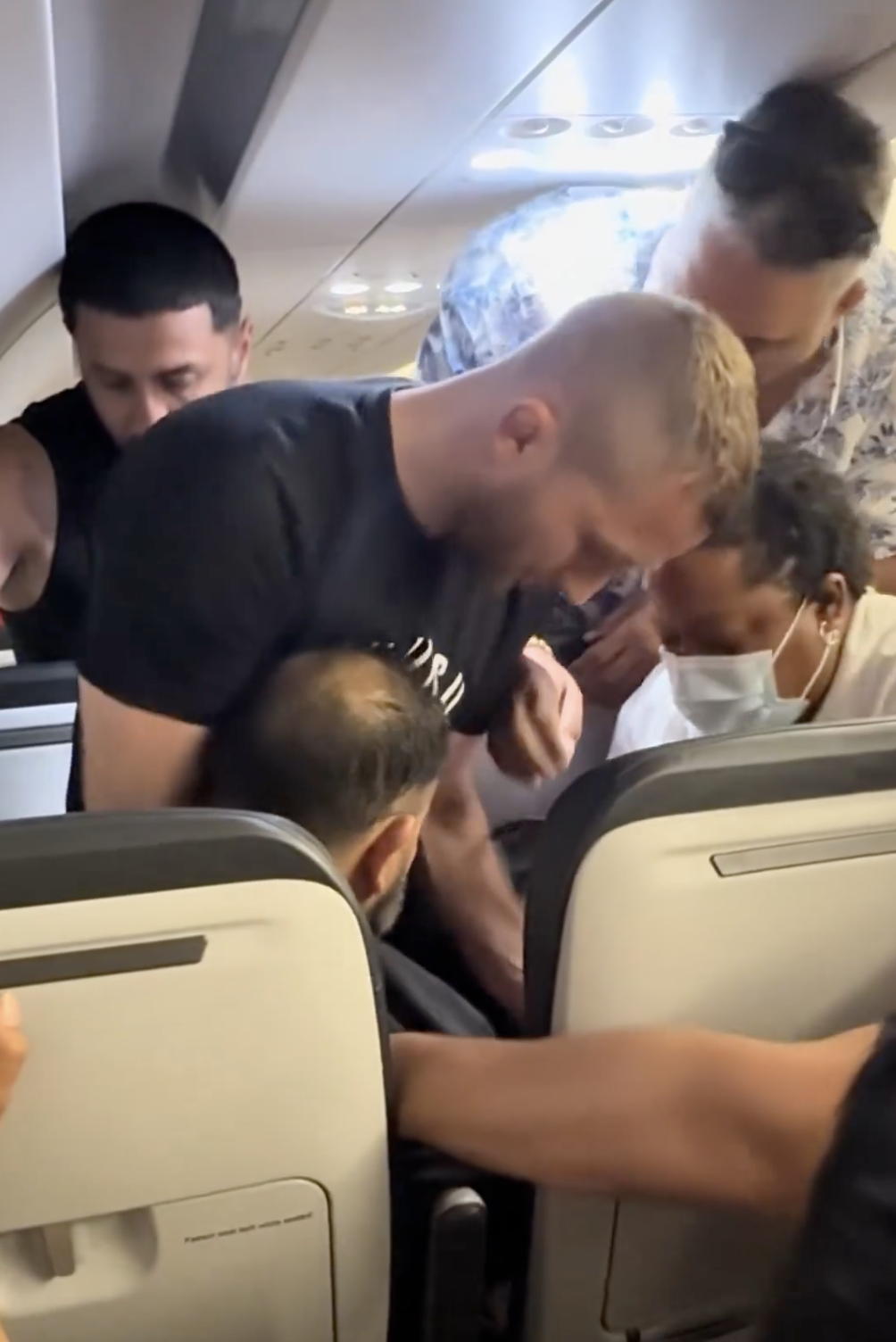
You have probably seen clips like this before. They follow a familiar pattern. A disturbance breaks out, phones come up, and passengers tape the person down with belts, seatbelt extenders, or whatever else works. The footage looks dramatic. The underlying problem is more routine than most travelers realize.
What Happened on the Frontier Flight
The incident took place on a Frontier Airlines flight heading to Chicago. The passenger attempted to open one of the emergency exits while the aircraft was at altitude. Fellow travelers intervened, restrained him, and crew members coordinated the response from there.
Here is the reassuring part of the physics. At cruising altitude, the pressure differential between the cabin and the outside air makes it effectively impossible to pull an emergency exit door open. The door is held shut by thousands of pounds of force. A single passenger, no matter how determined, cannot overcome that pressure. The danger in these situations is not the door opening. It is the disruption itself, the panic it causes, and the risk of injury to crew and passengers during the struggle.
That does not make the incident harmless. It still forced a response, still rattled the cabin, and still required law enforcement coordination on the ground.
Why These Incidents Keep Happening
Unruly passenger reports surged during the pandemic years and have not returned to pre-2020 levels. The FAA continues to track these cases through its Unruly Passenger Dashboard, and the numbers remain elevated compared to historical norms. Alcohol, mental health crises, frustration with delays, and conflicts over seating or carry-on bags all play roles.
Airlines have responded with stricter zero-tolerance policies, higher fines, and, in some cases, lifetime bans. The FAA can issue civil penalties of up to $37,000 per violation, and federal charges are possible when interference rises to the level of a crime. None of that has eliminated the problem.
Part of the challenge is that flying compresses people into a tight space for hours at a time. When someone arrives at the gate already in distress, whether from anxiety, intoxication, or something more serious, the cabin is the worst possible place for that condition to escalate.
Alaska Goes Global: How Hawaiian Airlines Changed the Carrier’s Future
The Role of Fellow Passengers
One pattern stands out in nearly every recent incident, including this one. Other passengers act first. Flight attendants are trained for disruptions, but they are also outnumbered, often by a ratio of more than 50 to one. When something goes wrong fast, travelers in nearby seats become the first line of response.
That reality has shifted how some airlines brief their cabin crews. It has also changed how frequent flyers think about where they sit and who is around them. You are no longer just a passenger. In a worst case scenario, you might be part of the response team, whether you signed up for that role or not.

What Should Change
The aviation industry has options it has not fully used. Better pre-boarding screening for visible signs of distress would help. So would tighter limits on alcohol service, both at airport bars and in the cabin. Some carriers have already pulled back on free drink offerings during boarding to reduce the risk of impaired passengers settling into their seats.
Mental health support at airports remains thin. Most large hubs have chaplains or crisis liaisons, but few travelers know how to reach them. A passenger having a quiet breakdown at the gate is far easier to help than one who escalates at altitude.
There is also a case for clearer public messaging about what these emergency exits can and cannot do at cruise. If more travelers understood that the doors cannot be opened in flight, some of the panic that follows these incidents might fade. The fear that drives the viral spread of these videos often outpaces the actual risk.
The Takeaway for Travelers
If you fly often, you already know the drill. Pay attention to the safety briefing, even if you have heard it a hundred times. Know where your nearest exit is. Be aware of who is seated around you. None of that is paranoia. It is the same situational awareness you would use anywhere else.
The Frontier incident ended without injury, without diversion, and without harm to the aircraft. That is the best possible outcome for an event that started badly. Credit goes to the passengers who acted, the crew who managed the cabin, and the pilots who kept the plane on course.
Air travel remains one of the safest ways to move long distances. Incidents like this one are unusual enough to make headlines, which is itself a sign that the system works. The work now is to keep these events rare and to make sure that when they happen, the response stays calm, coordinated, and proportional to the actual threat.
FAA Clears JetBlue's $58.5M Purchase of Spirit's LaGuardia Slots » Delta Passenger Arrested After Allegedly Stealing Airport Tug » United 777 Diverts to Dublin After Cockpit Windscreen Cracks Over the Atlantic »

Comments (0)
Add Your Comment
TAGS
NEWS Frontier Airlines Cabin Incident Passenger Behavior Flight Safety Aviation Safety Unruly Passengers Federal Aviation Administration In-Flight Disruptions Passenger Conduct Behavioral Issues Stress in Travel Post-Pandemic TravelRECENTLY PUBLISHED
 This Week in Aviation: The 10 Stories That Mattered Most
From major airline developments to aircraft updates and industry shifts, this weekly recap highlights the ten most-read aviation stories from the week of October 04.
INFORMATIONAL
READ MORE »
This Week in Aviation: The 10 Stories That Mattered Most
From major airline developments to aircraft updates and industry shifts, this weekly recap highlights the ten most-read aviation stories from the week of October 04.
INFORMATIONAL
READ MORE »
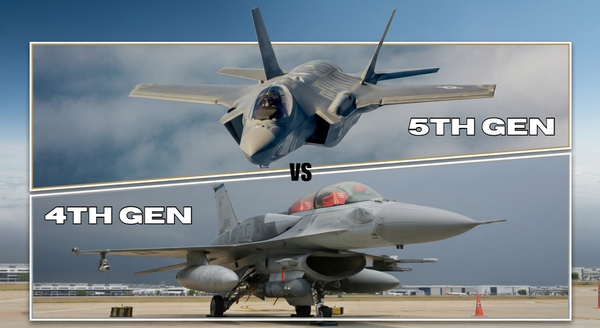 4th vs 5th Generation Fighter Jets: How Fighter Jets Have Evolved
A look at what separates fourth- and fifth-generation fighter jets, from stealth and sensor fusion to combat capability and cost.
INFORMATIONAL
READ MORE »
4th vs 5th Generation Fighter Jets: How Fighter Jets Have Evolved
A look at what separates fourth- and fifth-generation fighter jets, from stealth and sensor fusion to combat capability and cost.
INFORMATIONAL
READ MORE »
 United 777 Diverts to Dublin After Cockpit Windscreen Cracks Over the Atlantic
A United Airlines Boeing 777 bound for Milan made a steep descent and diverted to Dublin after its cockpit windscreen cracked mid-flight.
NEWS
READ MORE »
United 777 Diverts to Dublin After Cockpit Windscreen Cracks Over the Atlantic
A United Airlines Boeing 777 bound for Milan made a steep descent and diverted to Dublin after its cockpit windscreen cracked mid-flight.
NEWS
READ MORE »
More than just headlines.
Get unlimited ad-free access to in-depth aviation news, premium stories, and exclusive insights other sites don't cover.
- Ad-free browsing on AeroXplorer
- Unlimited access to premium and exclusive articles
- Higher photo upload limits & commissions on sales
- Free access to Jetstream Magazine on higher tiers
- Ad-free browsing
- Sell aviation photos with 60% commission
- First week free!
- Everything in Basic+
- Unlimited premium articles
- Sell aviation photos with 70% commission
- Free Digital subscription to Jetstream Magazine
- First week free!
- Everything in Basic+ and Pro
- Sell aviaiton photos with 80% commission
- Early access to exclusive stories
- Free Digital+Print subscription to Jetstream Magazine