
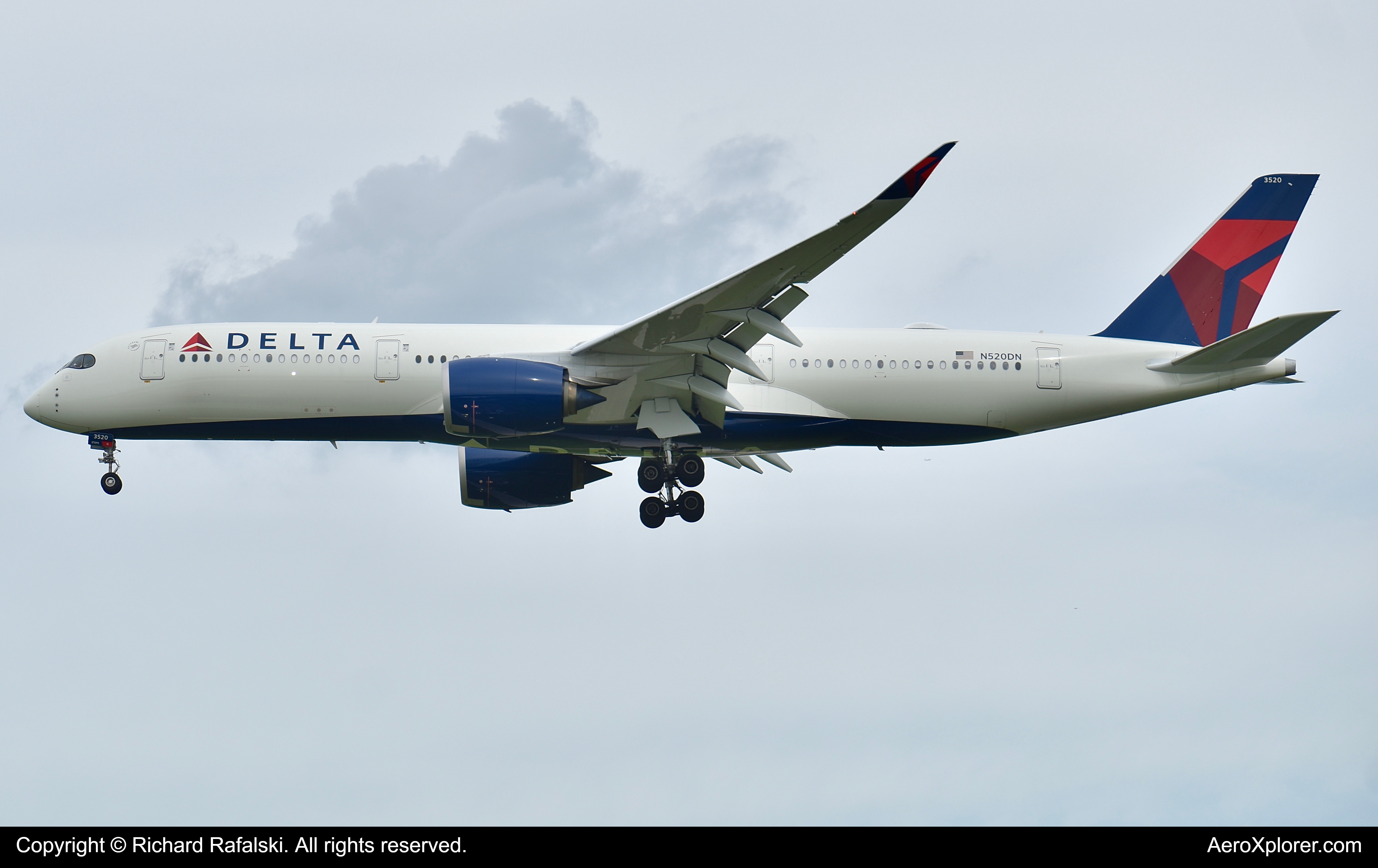

The British Airline Pilots' Association (BALPA) has issued a formal safety warning to its members regarding a fault on Airbus A350 and A320 family aircraft that can trigger uncommanded engine shutdowns, describing the potential consequences as catastrophic if the issue occurs during a critical phase of flight.
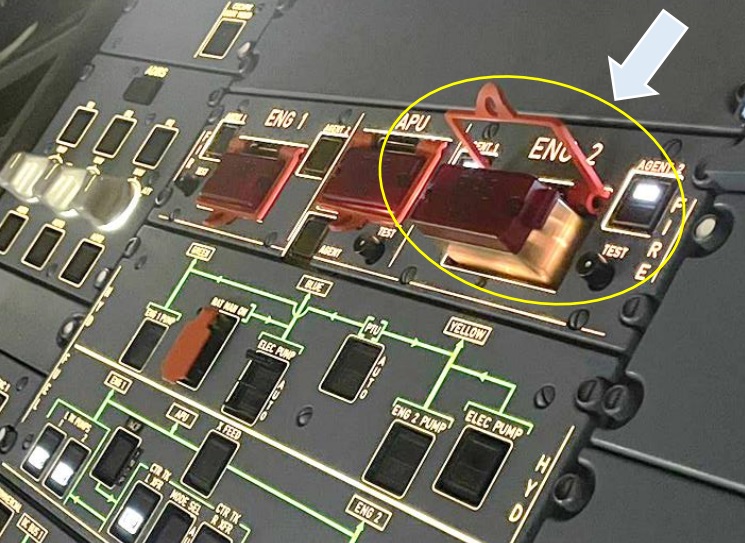
The warning, distributed by BALPA's Airworthiness and Accident Analysis Panel (AAP), focuses on a defect linked to the engine fire switch mechanism. According to the union, releasing the fire switch on affected aircraft can cause an engine to shut down without any command from the flight crew, creating a scenario that pilots would need to identify and manage rapidly.
What the Union Is Telling Pilots
BALPA's AAP group circulated the safety notice to alert flight crews operating the Airbus A350 and A320neo, both of which are powered by Rolls-Royce Trent engines. The advisory follows internal reports and technical assessments that identified the fire switch release as the trigger for the uncommanded shutdown event.
The union described the fault as "potentially catastrophic," particularly if it occurs during takeoff, initial climb, or other phases where thrust loss cannot be safely absorbed by the aircraft's performance margins. Pilots have been urged to remain vigilant and to follow prescribed procedures precisely when handling the fire switch.
BALPA's guidance emphasizes that flight crews should be aware of the mechanism behind the issue so they can respond appropriately if it manifests in flight. The union stopped short of calling for the aircraft to be grounded, but the tone of the advisory reflects serious concern about the risk profile.
How the Fault Occurs
The problem centers on the fire handle or fire switch located in the cockpit, which pilots use to isolate an engine in the event of a fire. On the affected Airbus types, releasing the switch, rather than pulling or activating it in the intended sequence, has been identified as capable of causing an engine to shut down on its own.
Under normal circumstances, an engine shutdown is a deliberate action taken by the flight crew in response to a specific emergency or abnormal condition. An uncommanded shutdown removes that control from the pilots and can occur without warning, leaving the crew to diagnose the loss of thrust and respond in real time.
If such an event were to happen shortly after takeoff, when the aircraft is heavy, slow, and close to the ground, the margin for error would be minimal. Modern twin-engine airliners are certified to fly on a single engine, but the sudden loss of thrust at low altitude remains one of the most demanding scenarios pilots face.
Aircraft and Operators Affected
The Airbus A350 and A320neo are among the most widely operated long-haul and short-haul aircraft in service today. Major carriers around the world, including several based in the USA, United Kingdom, Europe, the Middle East, and Asia, rely on these widebody jets for transcontinental routes.
The A350 family, which includes the A350-900 and A350-1000 variants, entered commercial service in 2015. The A330neo, comprising the A330-800 and A330-900, began flying with airlines in 2018. Both aircraft use Rolls-Royce Trent XWB and Trent 7000 engines respectively, and both share cockpit design philosophies rooted in Airbus's fly-by-wire architecture.
Any technical defect affecting these aircraft has broad implications for the industry, given the scale of the fleet in service and the number of daily long-haul flights they operate.

Only Way Out: Private Aviation in a Region at War
Industry Response
Airbus and Rolls-Royce have not, at the time of BALPA's advisory, issued public statements addressing the specific concerns raised by the union. Regulatory bodies including the European Union Aviation Safety Agency (EASA) and the UK Civil Aviation Authority (CAA) typically become involved when a safety issue of this nature is identified, either by issuing airworthiness directives or by requiring operators to adopt revised procedures.
BALPA's decision to alert its members directly suggests the union considers the issue significant enough to warrant awareness at the flight crew level, independent of any formal regulatory action that may follow.

Why Pilot Awareness Matters
Pilot unions such as BALPA play a role in disseminating safety information that may not always reach flight crews through official manufacturer or regulator channels in a timely manner. By flagging the fire switch fault, the union is placing the issue directly in front of the pilots who would be first to encounter it.
The advisory reflects a broader principle in aviation safety culture, which holds that early communication of potential hazards, even before a formal investigation concludes, can prevent incidents. Flight crews who understand the mechanism of a fault are better positioned to avoid actions that could trigger it and to respond effectively if it occurs.
What Comes Next
Attention will now turn to how Airbus, Rolls-Royce, and aviation regulators respond to the concerns raised by BALPA. Options range from revised operating procedures and additional training to hardware modifications on the affected aircraft. In more serious cases, regulators can issue emergency airworthiness directives requiring immediate action from operators.
For now, pilots flying the A350 and A320neo have been asked to treat the fire switch with heightened care and to be prepared for the possibility of an uncommanded engine shutdown. The union's message is clear: awareness is the first line of defence.
Airlines operating the affected aircraft are expected to review the guidance and communicate with their own flight crews as further information emerges from manufacturers and regulators.
American Airlines Grapples With Faulty Business Class Seats on New Airbus A321XLR Fleet » How Ryanair and Alaska Airlines Are Using AI to Make Real Decisions, Not Just Predictions » A Laptop Caught Fire at 35,000 Feet. This Device Kept the Flight Going »

Comments (0)
Add Your Comment
TAGS
NEWS Airbus Engine Shutdown Pilots Union Aviation Safety Airworthiness Directive In-Flight Emergency Aircraft Reliability Flight Safety WarningRECENTLY PUBLISHED
 One-Millisecond Software Defect Identified as Cause of UK Air Traffic Control Collapse That Grounded Thousands of Flights
A new NATS report reveals a one-millisecond software defect triggered the UK air traffic control failure, causing thousands of cancellations.
NEWS
READ MORE »
One-Millisecond Software Defect Identified as Cause of UK Air Traffic Control Collapse That Grounded Thousands of Flights
A new NATS report reveals a one-millisecond software defect triggered the UK air traffic control failure, causing thousands of cancellations.
NEWS
READ MORE »
 AirAsia Pushes Back on Collapse Rumors as Fuel Costs Squeeze Budget Airline
AirAsia CEO Tony Fernandes denies the airline faces collapse, saying travel demand stays strong despite rising jet fuel prices pressuring margins.
NEWS
READ MORE »
AirAsia Pushes Back on Collapse Rumors as Fuel Costs Squeeze Budget Airline
AirAsia CEO Tony Fernandes denies the airline faces collapse, saying travel demand stays strong despite rising jet fuel prices pressuring margins.
NEWS
READ MORE »
 Delta Air Lines Moves to Claim Top Spot at LAX With New Routes and Expanded Schedule
Delta Air Lines plans its largest-ever schedule at Los Angeles International Airport, adding routes and premium seating to overtake rivals.
NEWS
READ MORE »
Delta Air Lines Moves to Claim Top Spot at LAX With New Routes and Expanded Schedule
Delta Air Lines plans its largest-ever schedule at Los Angeles International Airport, adding routes and premium seating to overtake rivals.
NEWS
READ MORE »
More than just headlines.
Get unlimited ad-free access to in-depth aviation news, premium stories, and exclusive insights other sites don't cover.
- Ad-free browsing on AeroXplorer
- Unlimited access to premium and exclusive articles
- Higher photo upload limits & commissions on sales
- Free access to Jetstream Magazine on higher tiers
- Ad-free browsing
- Sell aviation photos with 60% commission
- First week free!
- Everything in Basic+
- Unlimited premium articles
- Sell aviation photos with 70% commission
- Free Digital subscription to Jetstream Magazine
- First week free!
- Everything in Basic+ and Pro
- Sell aviaiton photos with 80% commission
- Early access to exclusive stories
- Free Digital+Print subscription to Jetstream Magazine