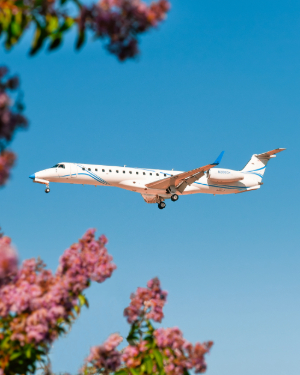
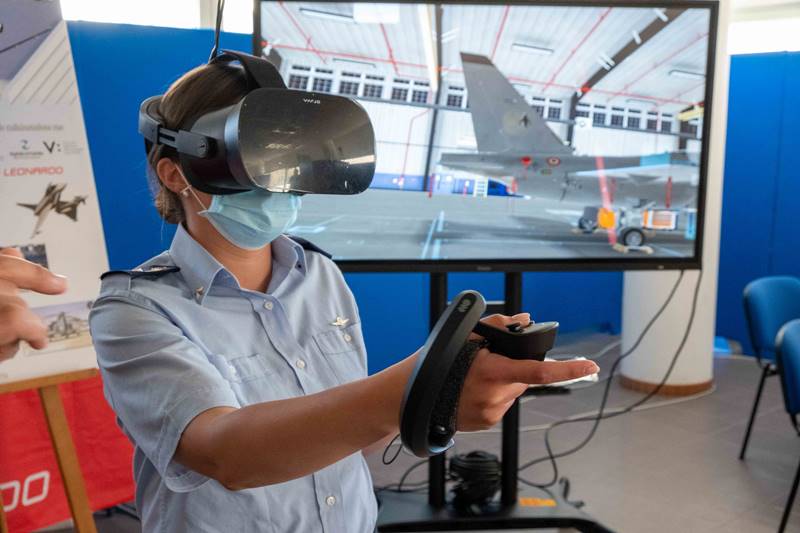
Innovation and technological advancements have continually found their way into improving the aerospace industry. As it looks now, the industry is on the cusp of accepting a new practice of flight training and learning through virtual reality (VR) and augmented reality (AR). VR and AR have been viewed more as social phenomena than functional applications. However, industry leaders suspect the industry-wide adoption of the technology to better assist pilots in their flight readiness and awareness.
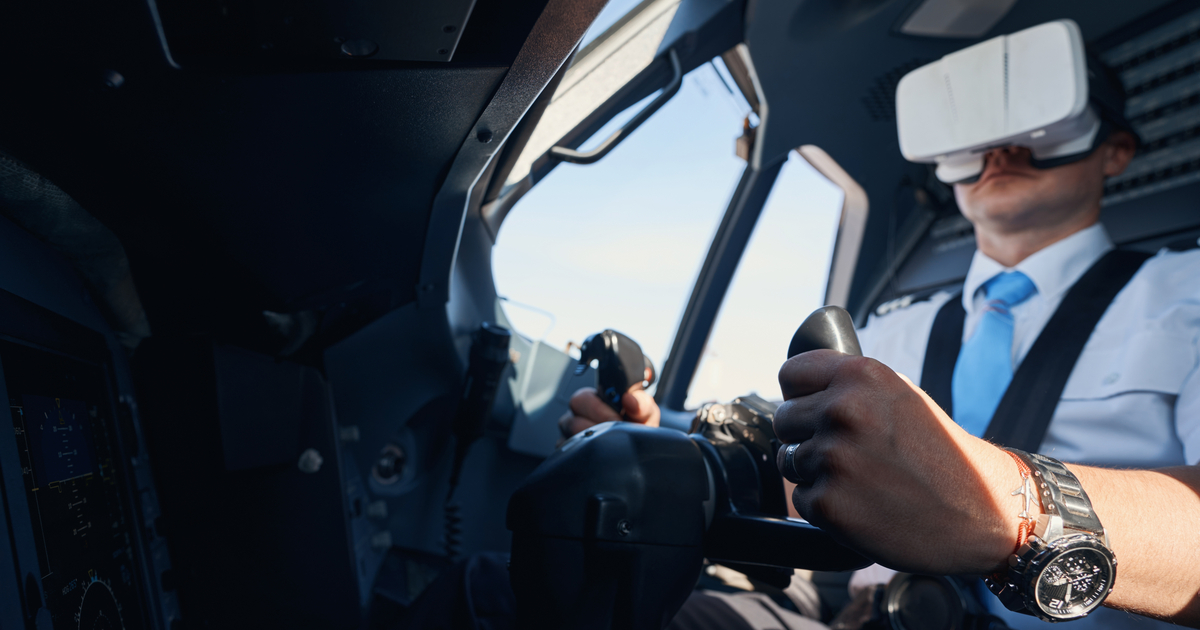
In any profession, practice and training are essential to completing the job and being ready to assist your team. As a pilot, thousands of hours of real flight time are required to be a commercial pilot. Because of these audacious training necessities, flight simulators are enacted to help pilots train without being in the air. The first recorded flight simulator was the Link Trainer, established in 1927. The Link Simulator helped pilots learn the resistance and balance patterns of different aircraft, both crucial in building up muscle memory for the pilots.
Over time, the once practical application developed as computerized technologies expanded, resulting in the Universal Digital Operational Flight Trainer (UDOFT) released in 1960. The rudimentary application was able to simulate different weather and air movement patterns. Other companies then created various enhancements to the UDOFT, with some creating recreational applications that were used more for enjoyment than creation. Microsoft developed the most popular flight simulator for recreational use, with their original game released in 1986. Both Apple and Tandy (TRS) released similar applications before this.
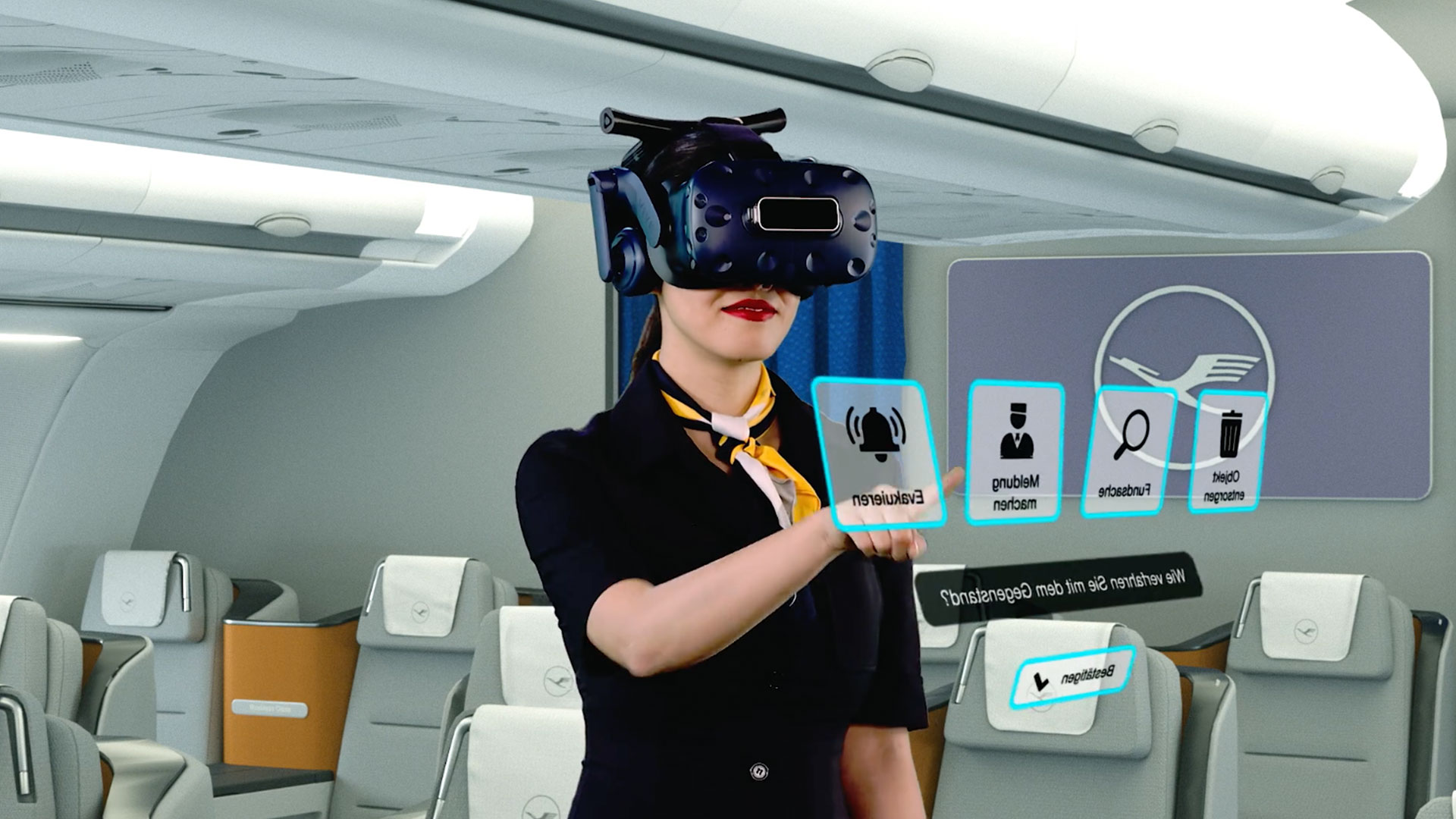
Yet, in 2024, the newest advancement seems to be in the works. Not only have different producers launched flight simulators for aviation enthusiasts in WR (Oculus has one), but airline training companies are now implementing VR simulations as part of official training exercises. Both pilots and operations crews can use the VR applications as a safe place to practice and learn the ins and outs of the job without the pressures of a real-life situation. Flight deck and cabin crew training have already begun using this, as the European Union Aviation Safety Agency (EASA) granted certificates for a flight simulation training device. As once, the flight simulation world was all about pilots, now, ground crews can experience VR practice in different scenarios.
Different airlines and tech companies have already announced future collaborations. Intel processing is the major technology company examining different practices for VR and AR in aerospace, and have worked with Airbus on projects. As things look now, experts believe that aviation VR can also make its way into the passenger experience. As in-flight entertainment continues to evolve and add new elements, there could be potential for a VR-enabled environment. As airlines continue to dabble into new tech opportunities, such as Qatar Airways launching a fully artificial intelligence cabin crew, VR is more likely to find itself inside of the cabin.
Although little is confirmed on whether VR or AR hours for pilot training would be viewed as similar to using a different flight simulator, there are options for adding this as an extra learning avenue.
This Week in Aviation: The 10 Stories That Mattered Most » WestJet Flight Attendants File 72-Hour Strike Notice Over Unpaid Work Dispute » airBaltic Launches Swiss Subsidiary to Expand Pilot Employment and ACMI Operations »

Comments (0)
Add Your Comment
TAGS
INFORMATIONAL Virtual Reality VR Augmented Reality Innovation Training Simulation Technology FutureRECENTLY PUBLISHED
 Pilot Smuggles 70,000 Ecstasy Pills While High on Meth and Cocaine, Facing Death Penalty
Indonesian authorities arrested a Malaysian pilot carrying 70,000 ecstasy pills at Kualanamu airport. He tested positive for meth and cocaine and faces the death penalty.
NEWS
READ MORE »
Pilot Smuggles 70,000 Ecstasy Pills While High on Meth and Cocaine, Facing Death Penalty
Indonesian authorities arrested a Malaysian pilot carrying 70,000 ecstasy pills at Kualanamu airport. He tested positive for meth and cocaine and faces the death penalty.
NEWS
READ MORE »
 Trump Announces $22.5 Billion Modernization Plan for Washington Dulles International Airport
President Trump announced a major renovation of Washington Dulles International Airport and the removal of the mobile lounges.
NEWS
READ MORE »
Trump Announces $22.5 Billion Modernization Plan for Washington Dulles International Airport
President Trump announced a major renovation of Washington Dulles International Airport and the removal of the mobile lounges.
NEWS
READ MORE »
 Southwest Airlines Moves Up Boarding Times to Handle Growing Carry-On Loads
Southwest Airlines will start boarding passengers earlier as travelers bring more hand luggage aboard, slowing down the boarding process.
NEWS
READ MORE »
Southwest Airlines Moves Up Boarding Times to Handle Growing Carry-On Loads
Southwest Airlines will start boarding passengers earlier as travelers bring more hand luggage aboard, slowing down the boarding process.
NEWS
READ MORE »
More than just headlines.
Get unlimited ad-free access to in-depth aviation news, premium stories, and exclusive insights other sites don't cover.
- Ad-free browsing on AeroXplorer
- Unlimited access to premium and exclusive articles
- Higher photo upload limits & commissions on sales
- Free access to Jetstream Magazine on higher tiers
- Ad-free browsing
- Sell aviation photos with 60% commission
- First week free!
- Everything in Basic+
- Unlimited premium articles
- Sell aviation photos with 70% commission
- Free Digital subscription to Jetstream Magazine
- First week free!
- Everything in Basic+ and Pro
- Sell aviaiton photos with 80% commission
- Early access to exclusive stories
- Free Digital+Print subscription to Jetstream Magazine