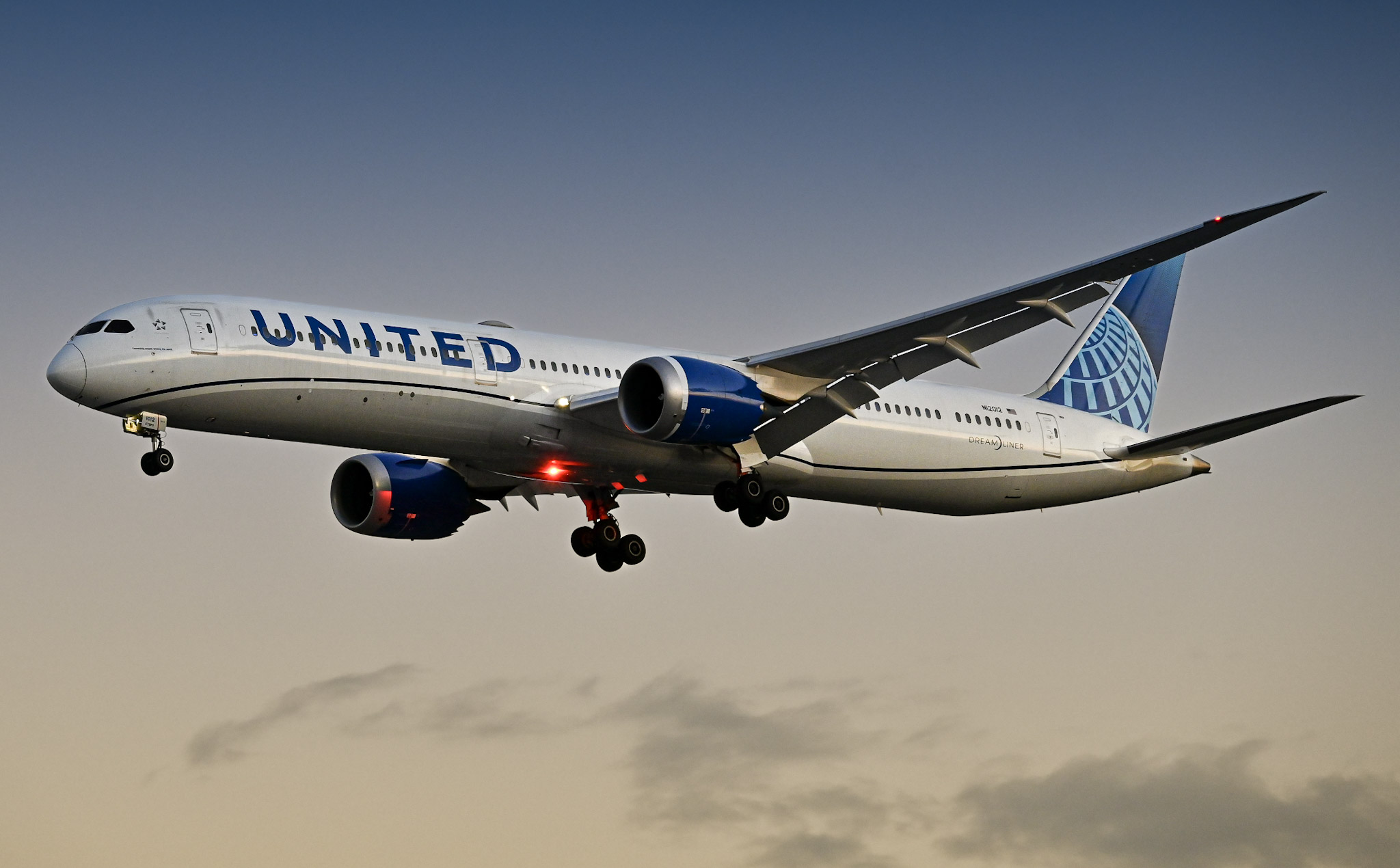

A United Airlines flight from Shanghai to San Francisco diverted to Japan last week after a passenger got into what the airline described as a "small quarrel" with a flight attendant, forcing the crew to dump roughly $50,000 worth of fuel before making an unscheduled landing.
The incident happened aboard United Airlines flight UA858 on June 20. The Boeing 787 Dreamliner had departed Shanghai Pudong International Airport bound for San Francisco when the disagreement broke out between a Chinese passenger and a member of the cabin crew.
Rather than continue across the Pacific, the captain made the decision to divert to Kansai International Airport in Osaka, Japan. Because the aircraft was still heavy with fuel intended for the long transpacific crossing, the crew had to jettison a substantial amount of jet fuel to bring the plane down to a safe landing weight.
What Happened on Board
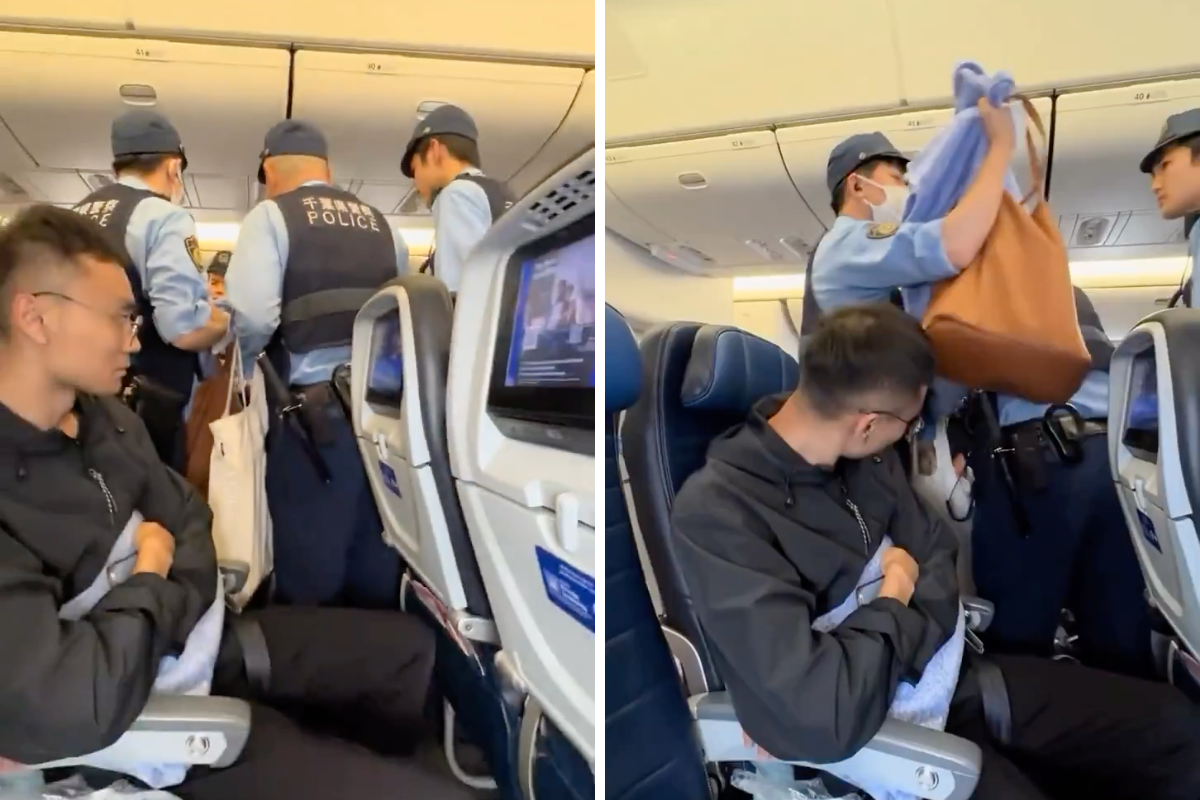
According to the report, the dispute itself appears to have been minor. The passenger reportedly became confused during an interaction with the flight attendant, and the disagreement escalated to the point where the crew determined the person could no longer remain on the aircraft for the duration of the flight.
United Airlines characterized the event as a "small quarrel," though the operational response was anything but small. Diverting a widebody aircraft mid-ocean involves coordination with air traffic controllers in multiple jurisdictions, fuel calculations, and arrangements for the passenger upon landing.
Once on the ground in Osaka, the passenger was removed from the flight. The aircraft then continued to San Francisco after a delay, leaving the remaining travelers with a significantly longer journey than they had booked.
The Cost of Diverting
Fuel dumping is a standard safety procedure for long-haul aircraft that need to land shortly after takeoff. Planes are certified to take off at much heavier weights than they are permitted to land at, so when a diversion happens early in a flight, pilots must either burn off or release fuel before touchdown to avoid damaging the landing gear or airframe.
Jet fuel released at high altitude generally evaporates before reaching the ground, though the practice remains controversial because of environmental concerns. At current commercial jet fuel prices, the $50,000 figure reflects both the volume dumped and the broader cost of the unplanned operation.
Beyond the fuel itself, United faced additional expenses including landing fees in Japan, crew duty time considerations, passenger compensation under applicable regulations, and the logistical work of getting the aircraft back on its original route.

Only Way Out: Private Aviation in a Region at War
United's Shanghai to San Francisco Service
United Airlines operates one of the longer transpacific routes between mainland China and the United States. The Shanghai to San Francisco corridor is a key business and tourism connection, and United uses Boeing 787 Dreamliner equipment on the route.
Below is a snapshot of United's current scheduled operations between Shanghai Pudong and San Francisco International Airport, along with related connections relevant to this incident.
| Flight No. | Route | Departure Time | Arrival Time | Duration | Operating Days |
|---|---|---|---|---|---|
| UA858 | Shanghai (PVG) to San Francisco (SFO) | 3:25 PM | 11:55 AM | 11h 30m | Daily |
| UA857 | San Francisco (SFO) to Shanghai (PVG) | 11:35 AM | 3:55 PM +1 | 13h 20m | Daily |
| UA199 | Shanghai (PVG) to Los Angeles (LAX) | 8:15 PM | 5:30 PM | 12h 15m | Daily |
| UA198 | Los Angeles (LAX) to Shanghai (PVG) | 12:30 PM | 6:50 PM +1 | 13h 20m | Daily |
| UA89 | Shanghai (PVG) to Newark (EWR) | 11:45 AM | 3:00 PM | 14h 15m | Daily |
Why Diversions Happen
Airlines have broad authority to remove passengers from flights when crew members determine that someone poses a safety or operational concern. The bar for diverting an aircraft is generally high because of the costs and disruption involved, but pilots typically support cabin crew when they conclude that an onboard situation cannot be safely managed for the rest of the flight.
Disputes between crew and passengers have become a more visible issue across the industry in recent years. While most cases involve refusals to follow safety instructions, intoxication, or aggressive behavior, this Shanghai incident stands out because of how minor the underlying disagreement reportedly was relative to the operational response.

What This Means for Travelers
If you fly long-haul routes, diversions like this one are a reminder that crew authority extends well beyond the cabin. Flight attendants can request that a captain divert an aircraft if they believe a passenger situation will not de-escalate, and captains generally have the final say on what happens in the air.
For passengers booked on the affected United flight, the diversion meant several additional hours of travel time and a missed schedule on arrival in San Francisco. United has not publicly disclosed whether the removed passenger faced any legal consequences in Japan or whether they were placed on a no-fly list.
The airline has also not released further details about what the initial disagreement involved. Neither United Airlines nor Japanese authorities have issued additional public statements beyond the original characterization of the event as a minor dispute that escalated into a diversion.
Boeing's Touchscreen Flight Controls for 737 Draw Sharp Criticism from Pilots » Frontier Airlines Flight Attendant Restrains Passenger Who Lunged for Cabin Door During Atlanta Jet Bridge Delay » Southwest Airlines Becomes First US Carrier to Integrate Flight Booking Into ChatGPT »

Comments (0)
Add Your Comment
TAGS
NEWS United Airlines Fuel Jettison Shanghai Flight Passenger Dispute Crew Conflict Unruly Passenger In-Flight Incident Safety Procedures Passenger RemovalRECENTLY PUBLISHED
 This Week in Aviation: The 10 Stories That Mattered Most
From major airline developments to aircraft updates and industry shifts, this weekly recap highlights the ten most-read aviation stories from the week of October 04.
INFORMATIONAL
READ MORE »
This Week in Aviation: The 10 Stories That Mattered Most
From major airline developments to aircraft updates and industry shifts, this weekly recap highlights the ten most-read aviation stories from the week of October 04.
INFORMATIONAL
READ MORE »
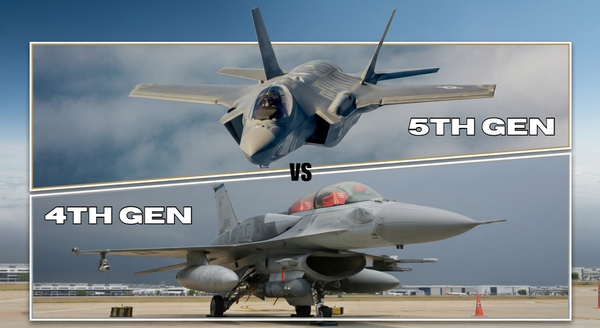 4th vs 5th Generation Fighter Jets: How Fighter Jets Have Evolved
A look at what separates fourth- and fifth-generation fighter jets, from stealth and sensor fusion to combat capability and cost.
INFORMATIONAL
READ MORE »
4th vs 5th Generation Fighter Jets: How Fighter Jets Have Evolved
A look at what separates fourth- and fifth-generation fighter jets, from stealth and sensor fusion to combat capability and cost.
INFORMATIONAL
READ MORE »
 United 777 Diverts to Dublin After Cockpit Windscreen Cracks Over the Atlantic
A United Airlines Boeing 777 bound for Milan made a steep descent and diverted to Dublin after its cockpit windscreen cracked mid-flight.
NEWS
READ MORE »
United 777 Diverts to Dublin After Cockpit Windscreen Cracks Over the Atlantic
A United Airlines Boeing 777 bound for Milan made a steep descent and diverted to Dublin after its cockpit windscreen cracked mid-flight.
NEWS
READ MORE »
More than just headlines.
Get unlimited ad-free access to in-depth aviation news, premium stories, and exclusive insights other sites don't cover.
- Ad-free browsing on AeroXplorer
- Unlimited access to premium and exclusive articles
- Higher photo upload limits & commissions on sales
- Free access to Jetstream Magazine on higher tiers
- Ad-free browsing
- Sell aviation photos with 60% commission
- First week free!
- Everything in Basic+
- Unlimited premium articles
- Sell aviation photos with 70% commission
- Free Digital subscription to Jetstream Magazine
- First week free!
- Everything in Basic+ and Pro
- Sell aviaiton photos with 80% commission
- Early access to exclusive stories
- Free Digital+Print subscription to Jetstream Magazine